Phototherapy: A Light in Dermatological Treatment
Professional Acne Treatment Systems
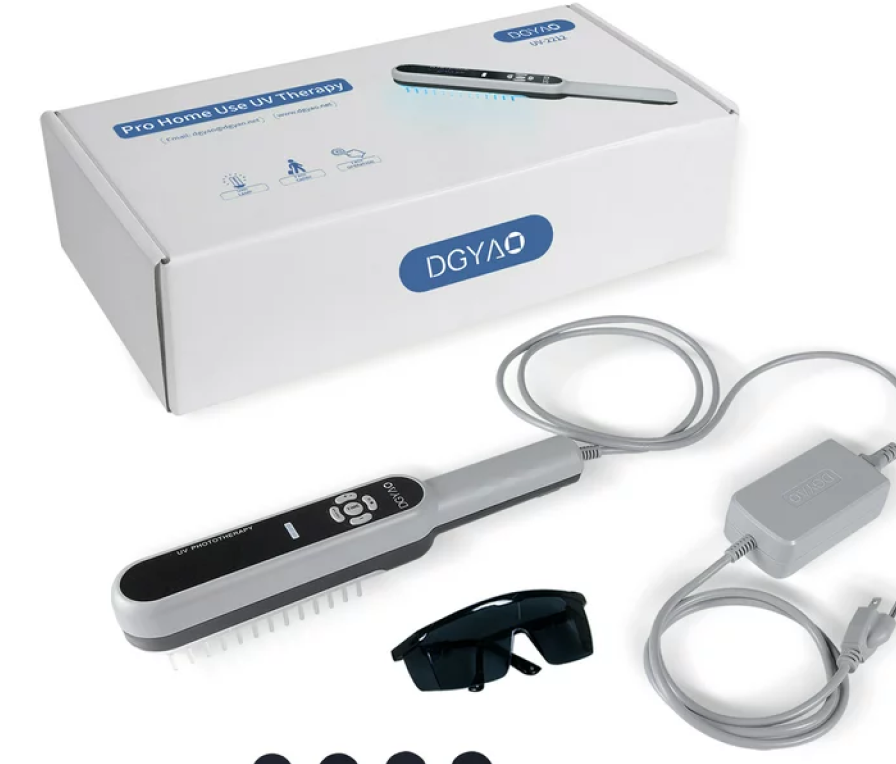
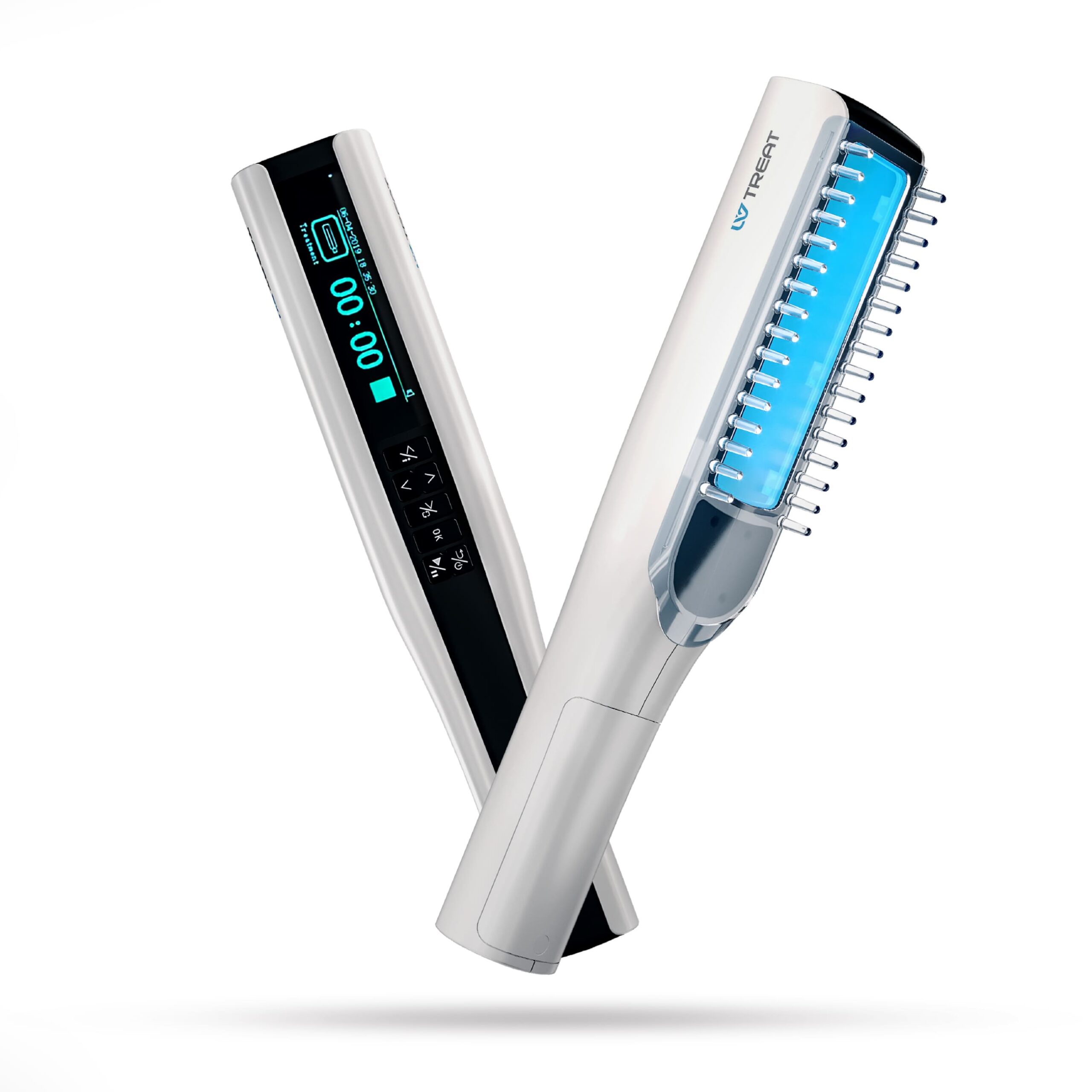
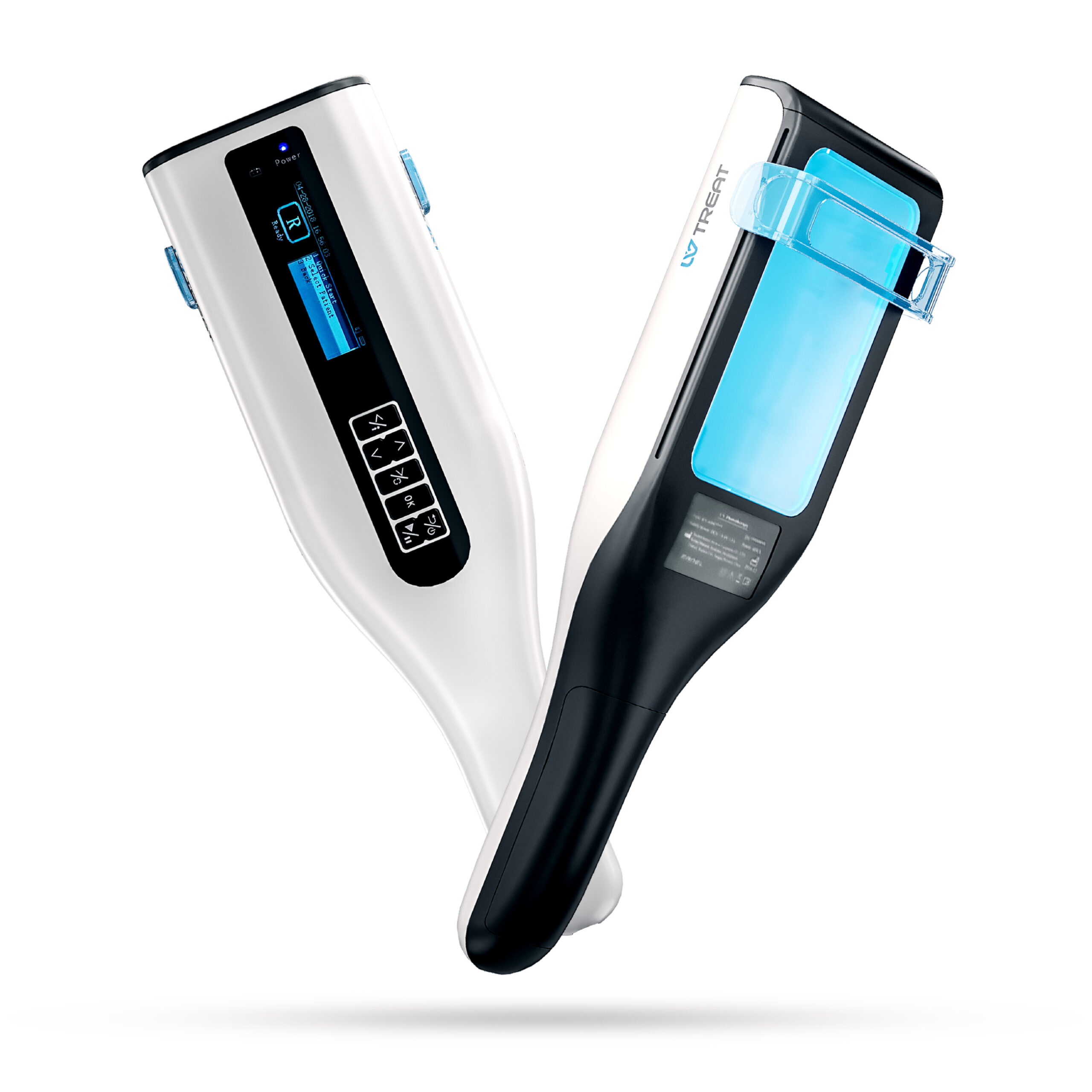
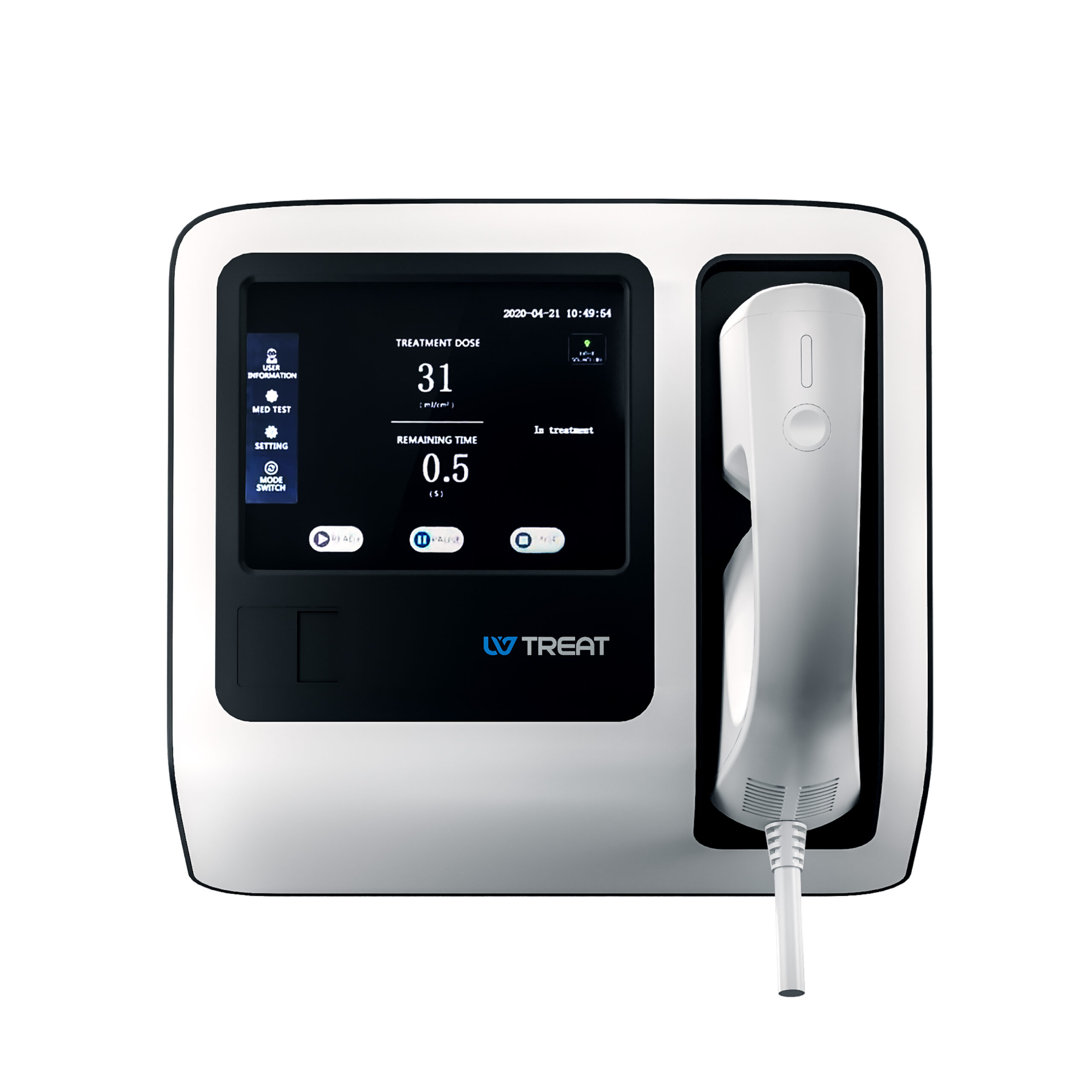
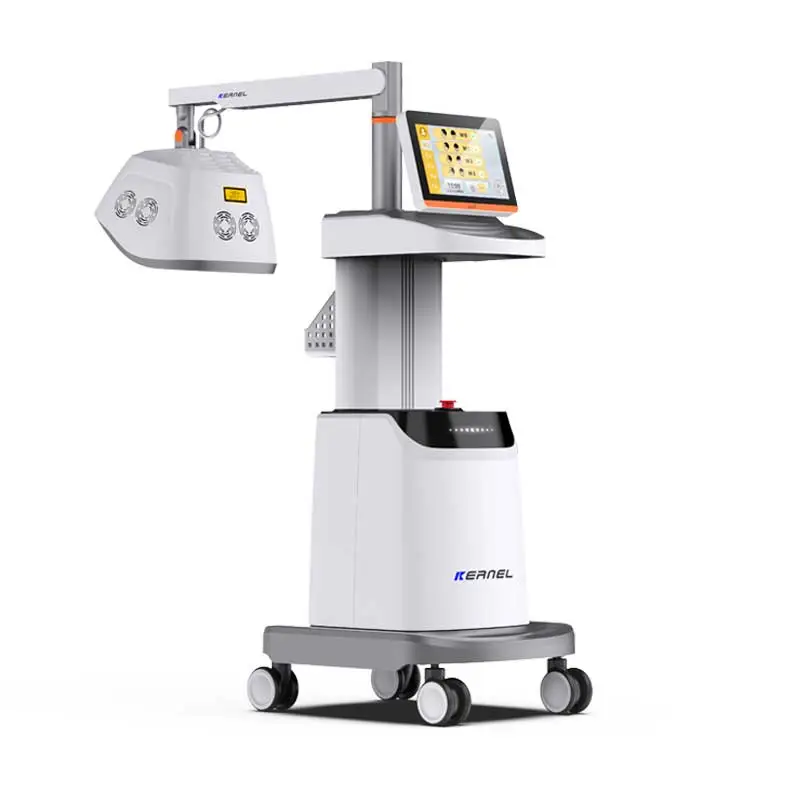
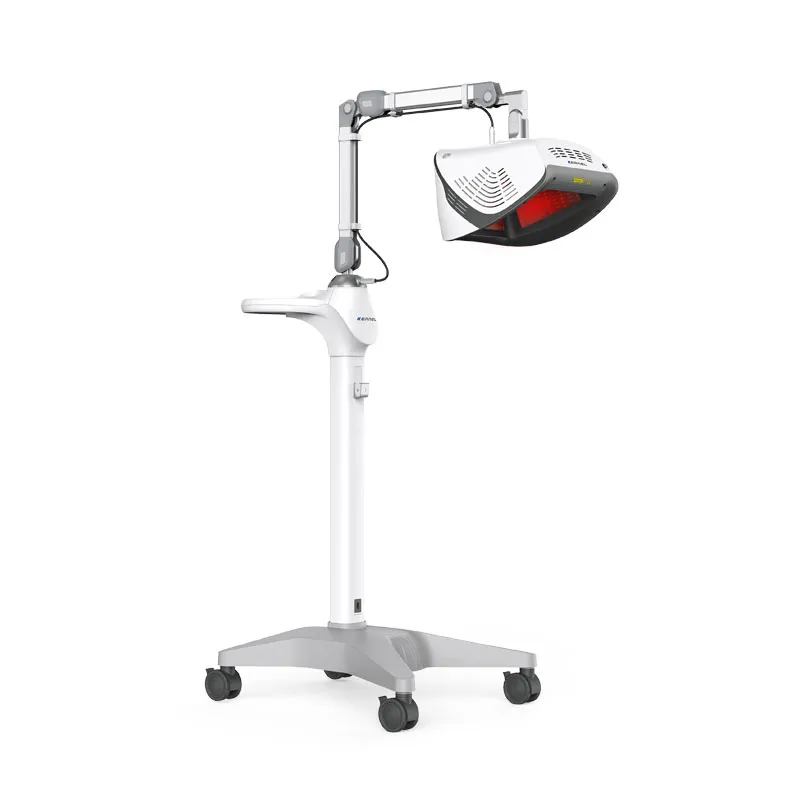
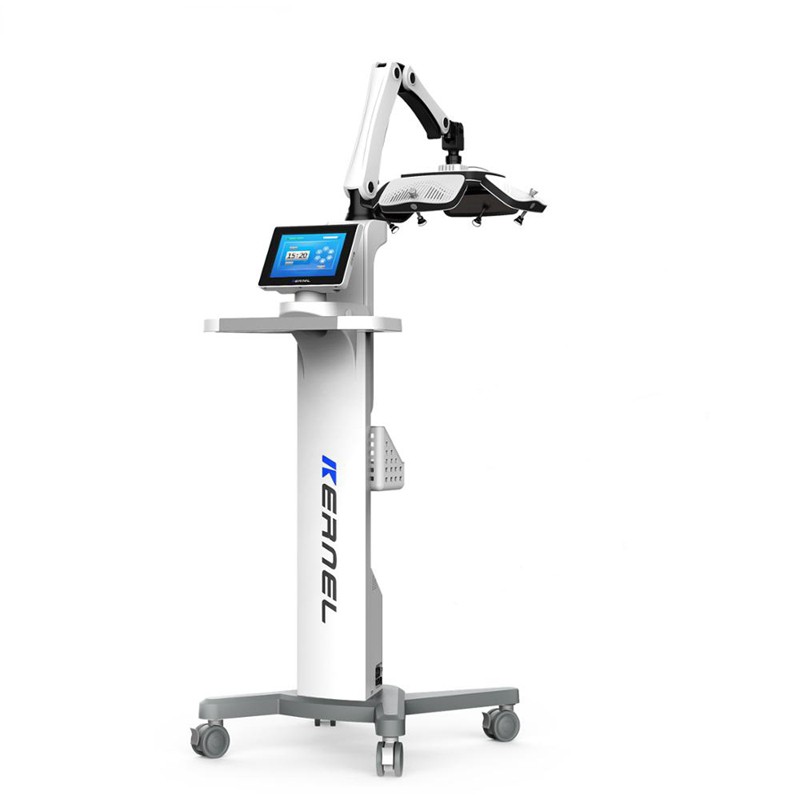
Clinic-grade equipment delivers higher irradiance, larger panels, PDT integration, and dosimetry controls for consistent dosing across a full patient schedule.
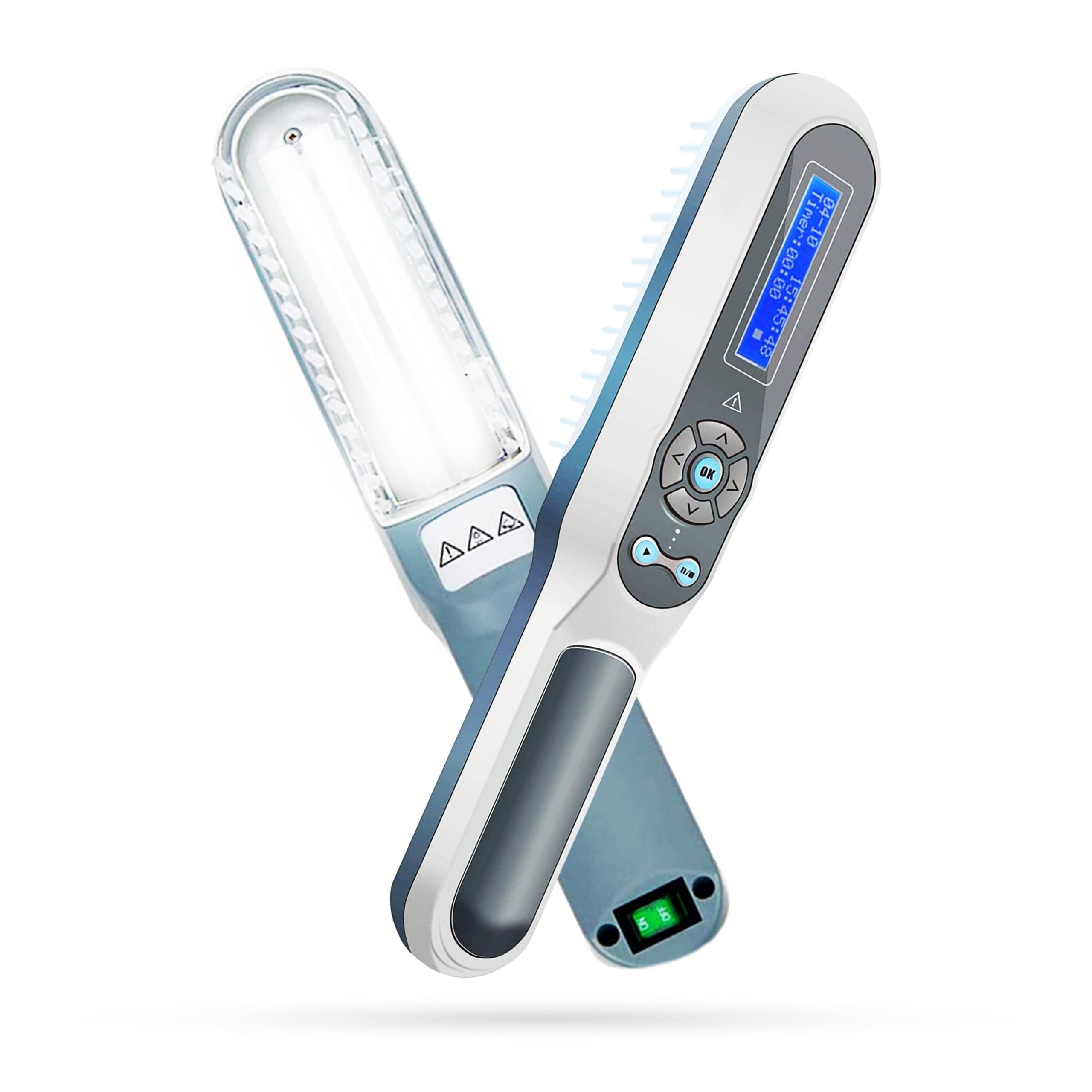
For practices treating more than acne, a single narrowband UVB lamp can be used for psoriasis phototherapy, vitiligo phototherapy, and eczema phototherapy. Rather than purchasing separate equipment for each diagnosis, a practice with NB-UVB capability can manage multiple conditions.
Check out our full range of UVB sun lamps for acne, what are the differences and how to use each of them.
Light Therapy Protocols & Safety for Acne Treatment
With ultraviolet light therapy for acne and related conditions, consistency matters more than intensity.
Blue/Red LED protocol (acne). Ten to twenty minutes per session, three to five times a week, one session per day maximum. Most people see improvement starting around week four; the strongest results come at 8–12 weeks. Papageorgiou’s landmark trial showed 76% improvement in inflammatory lesions at 12 weeks with daily combined blue-red light. Skip retinol and chemical exfoliants on treatment days. Blue and red LED emit no UV – standard comfort goggles work fine, no photoaging risk.
NB-UVB protocol. This is actual ultraviolet treatment for acne and follows a different safety profile. Dosing is MED-based and increases gradually. Two to three sessions per week. UV-protective goggles are essential – even brief unprotected UVB exposure can damage the retina. Patients on photosensitizing medications, for example tetracyclines, certain diuretics, retinoids, need clearance before starting. History of skin cancer, lupus, or porphyria requires medical sign-off.
PDT protocol (clinic only). Aminolevulinic acid applied 30–60 minutes before light exposure. Forty-eight hours of strict sun avoidance after each session. Standard course: three to four sessions, one week apart.
UV vs LED vs Blue Light Therapy for Acne
There is real confusion around acne UV lights for skin therapy terminology. Someone searching “ultraviolet light acne” will often land on blue LED products that emit no ultraviolet radiation at all. The distinctions matter clinically.
Narrowband UVB (311 nm) – ultraviolet light. The gold standard for psoriasis, with strong clinical backing for vitiligo and eczema. One RCT (Eid et al., 2021) found NB-UVB outperformed red LED alone for acne – but acne uv light therapy evidence is still thin compared to LED data. Patients with a UVB-responsive condition alongside acne can address both on the same platform.
Blue LED (415 nm) – visible light, not UV. Current first-line light therapy for acne. Targets C. acnes porphyrins directly. FDA-cleared for mild-to-moderate inflammatory acne. No UV-related skin cancer risk. Side effects limited to occasional temporary redness.
PDT. Adds a photosensitizing agent to amplify the reaction. For moderate-to-severe acne when LED is not sufficient. Clinic-administered only.
Red LED (633 nm) – visible light, not UV. Penetrates into the sebaceous and inflammatory layers. Combined with blue, it produces the strongest published results in visible light therapy.
| Blue LED | Red LED | NB-UVB | PDT | |
| Wavelength | 415 nm | 633 nm | 311 nm | 630 nm + ALA |
| Radiation type | Visible | Visible | Ultraviolet | Visible + photosensitizer |
| UV risks | None | None | Photoaging, eye protection mandatory | Photosensitivity 48 hrs |
| Home use | Yes | Yes | Yes, with dose protocols | No — clinic only |
| Acne evidence strength | Strong | Moderate (best with blue) | Emerging | Strong for severe cases |
Who Can Benefit from Acne Light Therapy
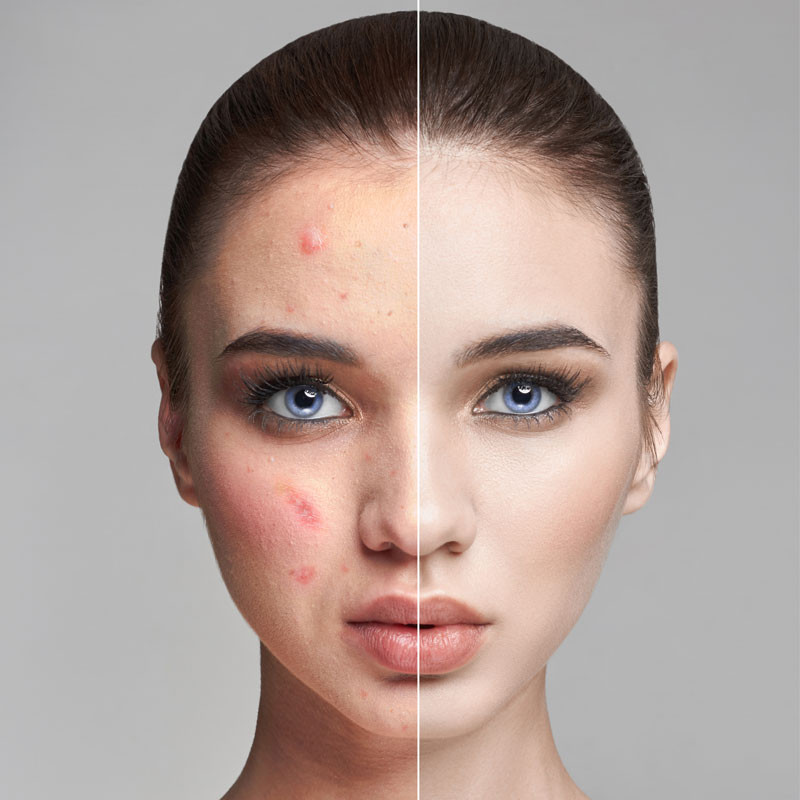
Light therapy for acne works best for mild-to-moderate inflammatory acne – papules, pustules, comedones, mostly on the face. It’s a real option for adults who’ve cycled through multiple rounds of antibiotics that stopped working, and for anyone with confirmed resistance or sensitivity to topical antimicrobials. Oily skin types tend to respond well to the sebum-reducing effect of red light. Acne lamps come up in conversations about pregnant patients too, since medication options are limited during pregnancy – though that always requires medical sign-off. Published trials have enrolled adolescents as young as 12 without raising safety flags.
Where uv light acne therapy doesn’t help much: purely comedonal acne. Blackheads and whiteheads without an inflammatory component don’t have the bacterial or immune targets that these wavelengths act on. Severe nodular or cystic acne is beyond what LED can manage alone – those cases need PDT or systemic treatment.
Expected Results & Skin Improvement Timeline
Most people who quit ultraviolet light treatment for acne do it around week two or three – before results become visible.
Weeks 1–3. After UV light for spots, they may look less red and skin may feel less reactive, but lesion counts barely move. Bacterial reduction is underway but has not translated to visible clearing yet.
Weeks 4–6. Measurable results appear. Fewer new breakouts. Existing papules and pustules heal faster. The 2024 systematic review reported an average 43% improvement in total lesion count at four weeks across blue light studies.
Weeks 7–12. Clinical data shows 76–81% reduction in inflammatory lesion counts at 12 weeks for combined blue and red light, confirmed across the Papageorgiou and Kwon trials.
After the initial course. One to two maintenance sessions per week at home. Acne isn’t a condition that resolves permanently – bacteria and sebum production keep going. But owning a device makes more sense financially than indefinite clinic appointments.
Medical Disclaimer: The information on this page is for educational purposes only and does not constitute medical advice. Always consult a licensed dermatologist before starting any phototherapy regimen. Individual results may vary. FDA-cleared devices are indicated for use as directed by a healthcare professional.
Frequently Asked Questions About Acne Light Therapy
-
What sometimes happens in week one is that lesions already forming under the skin surface faster. It looks like a flare but it's not - the light didn't cause those breakouts. Redness lasting past 48 hours means you should cut back on frequency.
-
No. Isotretinoin raises photosensitivity significantly. Most dermatologists want patients off it for several weeks before starting any light-based treatment. This one really needs to go through your prescriber.
-
Red, inflamed bumps respond best because the light targets bacteria and inflammation directly. If your acne is mostly blackheads and whiteheads with no redness, light therapy won't help a lot.
-
No. There's no specific lower age cutoff for visible-light LED devices, but for anyone under 18 a parent and dermatologist should approve it.
-
Gradually, yes. Acne is a chronic condition - bacteria and sebum don't stop just because you cleared a round of breakouts. Most people switch to one or two maintenance sessions per week after the initial course.
-
The same session is fine - most devices already combine both. The Lee et al. data that showed 77.93% improvement was from alternating sessions, but same-session protocols also have good results. Either works; alternating isn't a requirement.