Written by
Dr. Sanober Doctor,MD; Board-Certified Dermatologist
Published on January 29, 2026
Narrowband UVB Therapy Explained: Benefits, Risks, and Best Practices for Patients
Phototherapy – it’s a treatment we dermatologists have trusted for a long time for immune-related skin problems. As someone who’s seen their fair share of patients with persistent skin conditions like psoriasis, vitiligo or eczema, I know it can be tough to figure out which is the best course of action. But here’s the good news: over the years, phototherapy – particularly Narrowband Ultraviolet B (NB-UVB) – has got a whole lot safer, a whole lot more precise and a whole lot more effective for a really wide range of patients. And the beauty of it is that it taps into the healing power of light without all the risks and side effects that come with oral meds or injections.
Let’s take a closer look at what NB-UVB therapy is all about, how it’s developed over time, why it works, who it’s good for and what you can expect – whether it’s in a clinic or the comfort of your own home. Along the way, you’ll get a mix of scientific research, clinical guidelines and the kinds of insights that matter most to people living with chronic skin conditions day to day.
A Brief History: How We Went From Sunlight to Science Backed Therapy
Humans have been using the sun to soothe their skin for centuries – the ancient Egyptians and Greeks used sunlight, often mixed with herbal remedies, to deal with visible skin issues. These early methods, though, were a bit of guesswork – a bit like trying to read the weather.
Fast forward to the 20th century, when we started to get a handle on how different wavelengths of light interact with skin. Dermatologists first started using Broadband UVB (BB-UVB) (which covers the 290-320 nm range) to try and tackle some tricky conditions. A lot of patients got relief, but the catch was that BB-UVB included some wavelengths that could cause sunburns and increase the risk of long-term skin problems.
Then came Psoralen plus UVA (PUVA), which used a medication to make the skin more sensitive to UVA light. PUVA treatment could get better results, but came with some pretty nasty side effects, including a higher risk of cancer.
But then, in the 80s and 90s, researchers figured out that skin conditions like psoriasis actually respond best to a very narrow band of UVB – around 311 nanometers. That breakthrough paved the way for Narrowband UVB, which is centred on 311-313 nm. It’s a major improvement on its predecessor – fewer burns, better disease control and it’s the gold standard in light-based therapy (source 1). And BB-UVB, with all its drawbacks, has pretty much fallen out of favour, replaced by NB-UVB (source 3; AAD guidelines).
If you’re interested in the history of it all (including the progress in clinical trials and device innovation), you’ll find it all in our current guidelines and the Patient’s Guide to Psoriasis Treatment.
How Does Narrowband UVB Therapy Work?
So you’re probably wondering: how does a certain kind of light suddenly change the course of a stubborn skin rash? Narrowband UVB Phototherapy works by dialling down the inflammatory processes that drive chronic skin conditions in the first place. When we expose the skin to a controlled dose of 311-313 nm light, the following things typically happen:
-
Immune System Modulation: NB-UVB gently calms the skin’s overactive immune responses – at the cellular level, that means less production of pro-inflammatory messengers and a more balanced local immune system.
-
Controlling Cell Growth: Overly fast-growing skin cells slow down, which helps reduce the thick, scaly plaques often seen in psoriasis and some forms of eczema.
-
Dampening Inflammation: Inflammatory chemicals like tumour necrosis factor (TNF) are reduced, which means there’s less redness, itching and swelling (source 9).
-
Promoting Cellular Balance: Some immune cells responsible for flares are basically ushered into a process called apoptosis – which means retiring trouble-causing cells and making way for new, healthy ones to thrive.
If you want to get into the nitty-gritty biology of it all, there are authoritative reviews that include helpful diagrams and more in-depth explanations. But the key takeaway is that NB-UVB “reboots” problematic activity beneath the surface, leading to visible improvements and, importantly, relief.
Conditions Commonly Treated With Narrowband UVB
Psoriasis
Psoriasis – which is essentially driven by immune system miscommunication – can be a real challenge when it spreads across a big area. And if creams and ointments aren’t cutting it any more, NB-UVB offers a proven path forward.
-
Outcomes: Many patients see 60-70% clearance after a full course (source 1). The standard treatment is 2-3 times a week for about 7-10 weeks.• Remission: The good news is that you get to stay clear for longer – often longer than with older light therapies (source 3).
-
Tuning Maintenance: Some people find it’s just easier to stick to a maintenance schedule after they’ve reached a comfort point; others can just stop and start again if they need to.
If you’re looking for the nitty-gritty on how these protocols work, you can refer to the current AAD guidance which has all the current advice.
Vitiligo
Vitiligo – where patches of skin lose their colour – can be a real confidence destroyer and make everyday interactions a bit tricky. But here’s the thing: NB-UVB offers a genuine chance to get your colour back.
How It Helps: The therapy “wakes up” the pigment cells (melanocytes) that are still hanging out in the skin’s hair follicles, and gradually gets colour back across those white patches.
Long-lasting Results: When people do get repigmentation, it’s not just a flash in the pan – data shows that up to 80% of people still have colour even a year on from finishing therapy (source 3).
It’s a Long Haul: This is a long-term commitment – months of regular therapy are the norm.
Research shows that NB-UVB delivers similar or even better results than laser therapies and has a strong safety record (source 3).
Atopic Dermatitis (Eczema)
Living with eczema is a proper struggle – itch, irritation, and broken sleep are just a few things you might be dealing with.
Phototherapy can help if the usual skincare and creams aren’t cutting it.
-
Time to Consider: The expert groups globally and locally recommend NB-UVB for tricky cases or just for when flare-ups get really bad (AAD guidelines), (official guidance).
-
So, What Happens?: NB-UVB can reduce how much you rely on steroids and make episodes much more manageable.
-
All Ages Welcome: It’s generally safe for kids, teens and adults – meaning families can avoid having to use oral or injectable meds for a lot longer in a lot of cases.
Other Ideas for Using NB-UVB
-
Early-stage Mycosis Fungoides (a type of lymphoma) – may even trigger remission in the milder cases.
-
Chronic Pruritus: When itching just won’t quit, even with powerful meds, NB-UVB can help break the itch-scratch cycle (source 7).
-
Photodermatoses: For some people with sun allergies, NB-UVB helps “train” the skin to tolerate sunlight in the first place.
Potential Risks and Side Effects
NB-UVB is pretty gentle by dermatology standards, but no treatment is completely risk-free. Here’s what we tell our own patients in plain English:
-
Short-term: You might get a bit of redness, a light sunburn-like sensation or some itching – but all of this fades once you and your doctpr get the dosing sorted.
-
Very Rare: If you skip loads of sessions and then jump straight back in at the old dose, blisters are a possibility.
-
Long-term: After years of using it, some people get dark spots, more freckles, and a bit of wrinkling. These effects are mostly just cosmetic.
-
Cancer Risk: And the great news is that, unlike PUVA, NB-UVB hasn’t been linked to higher rates of skin cancer (source 3). Just remember to get regular skin checks.
Some extra special attention is needed for:
-
People with darker skin: Yes, they might get temporary hyperpigmentation – but usually that fades in time.
-
Kids and young adults: Their NB-UVB is carefully dosed based on their size and skin sensitivity.
Narrowband UVB at Home: What Patients Should Know
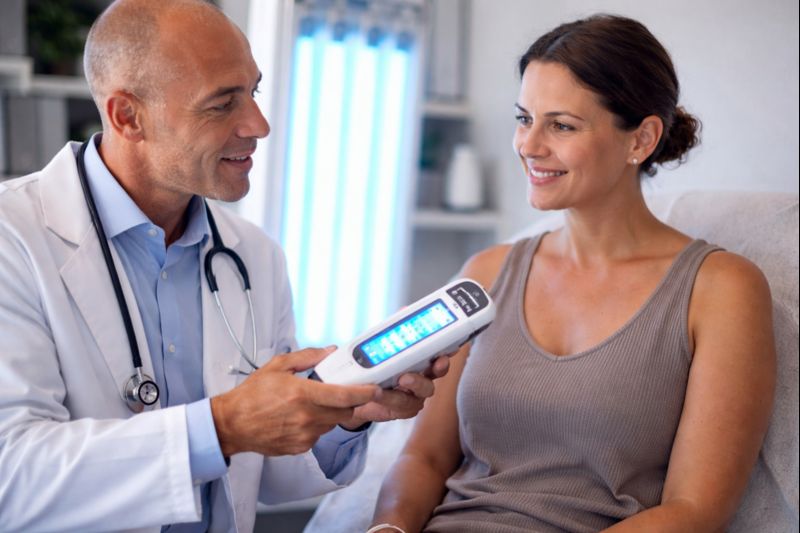
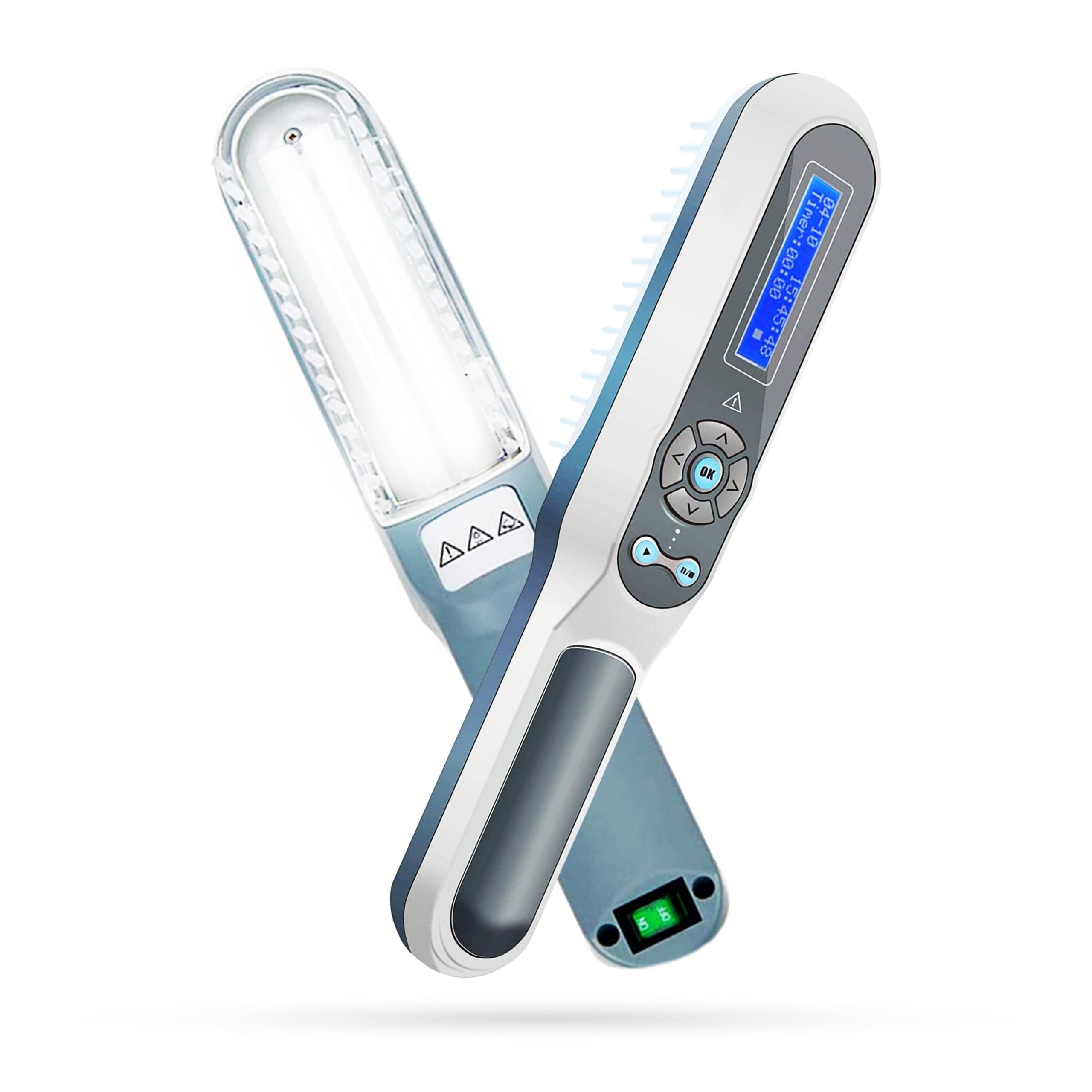
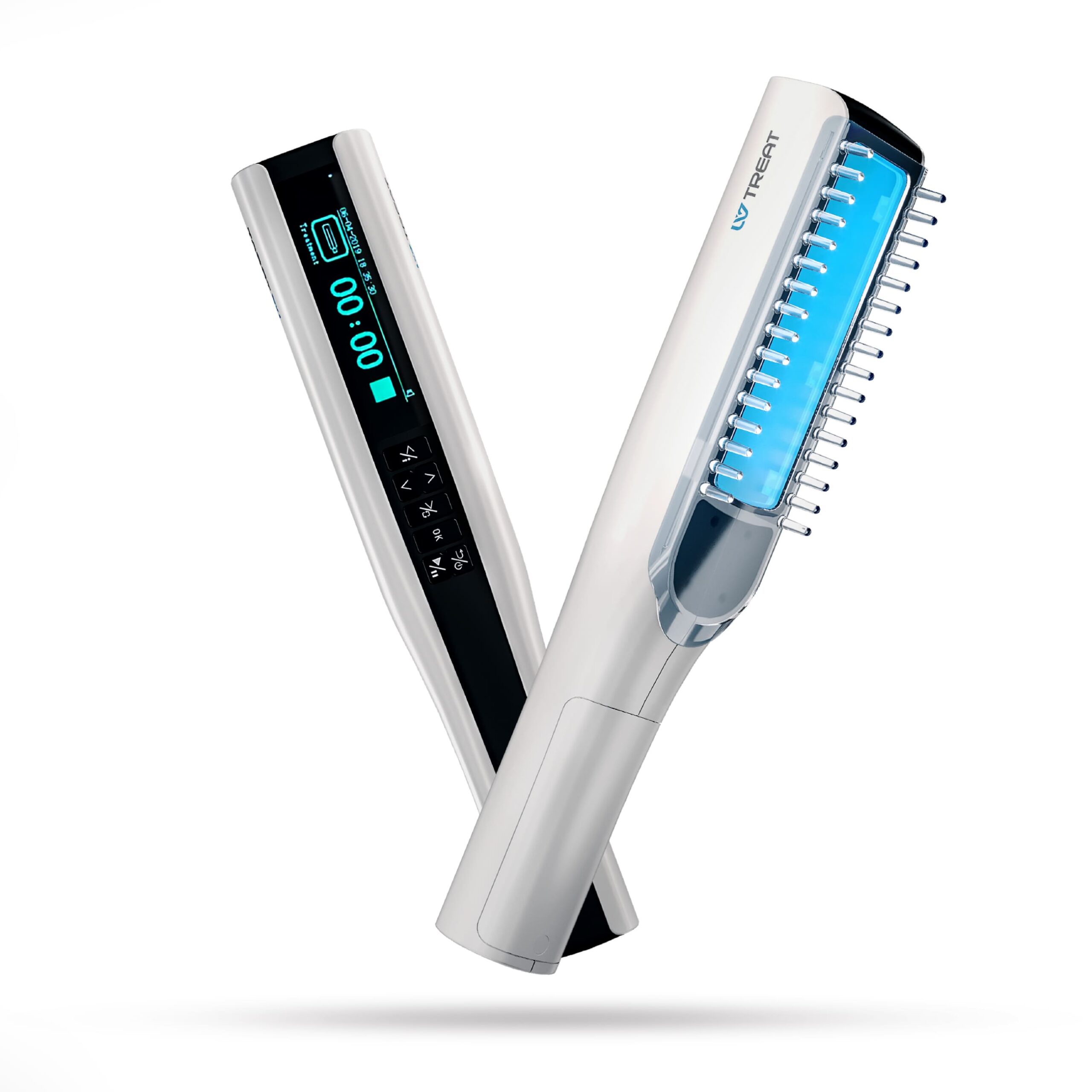
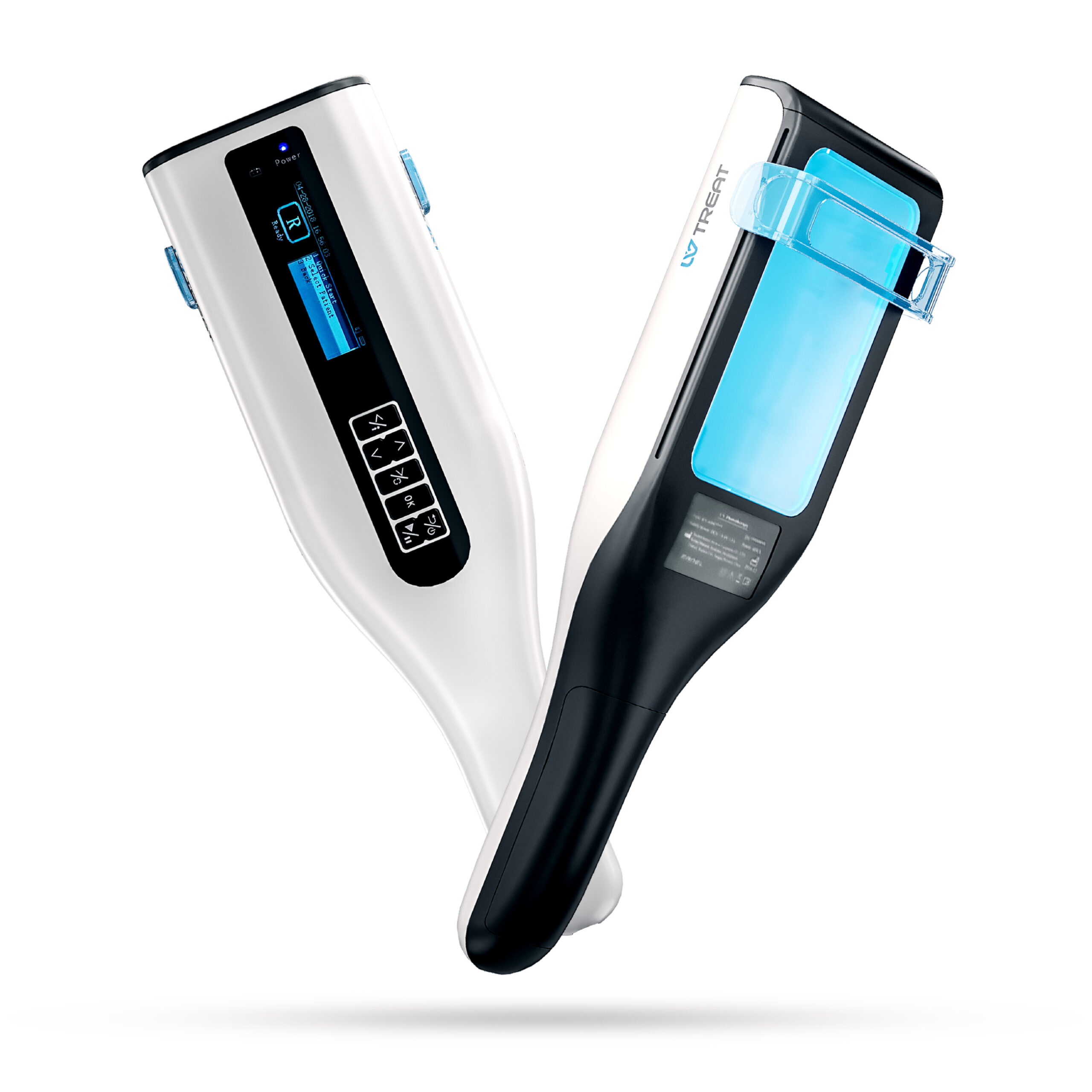
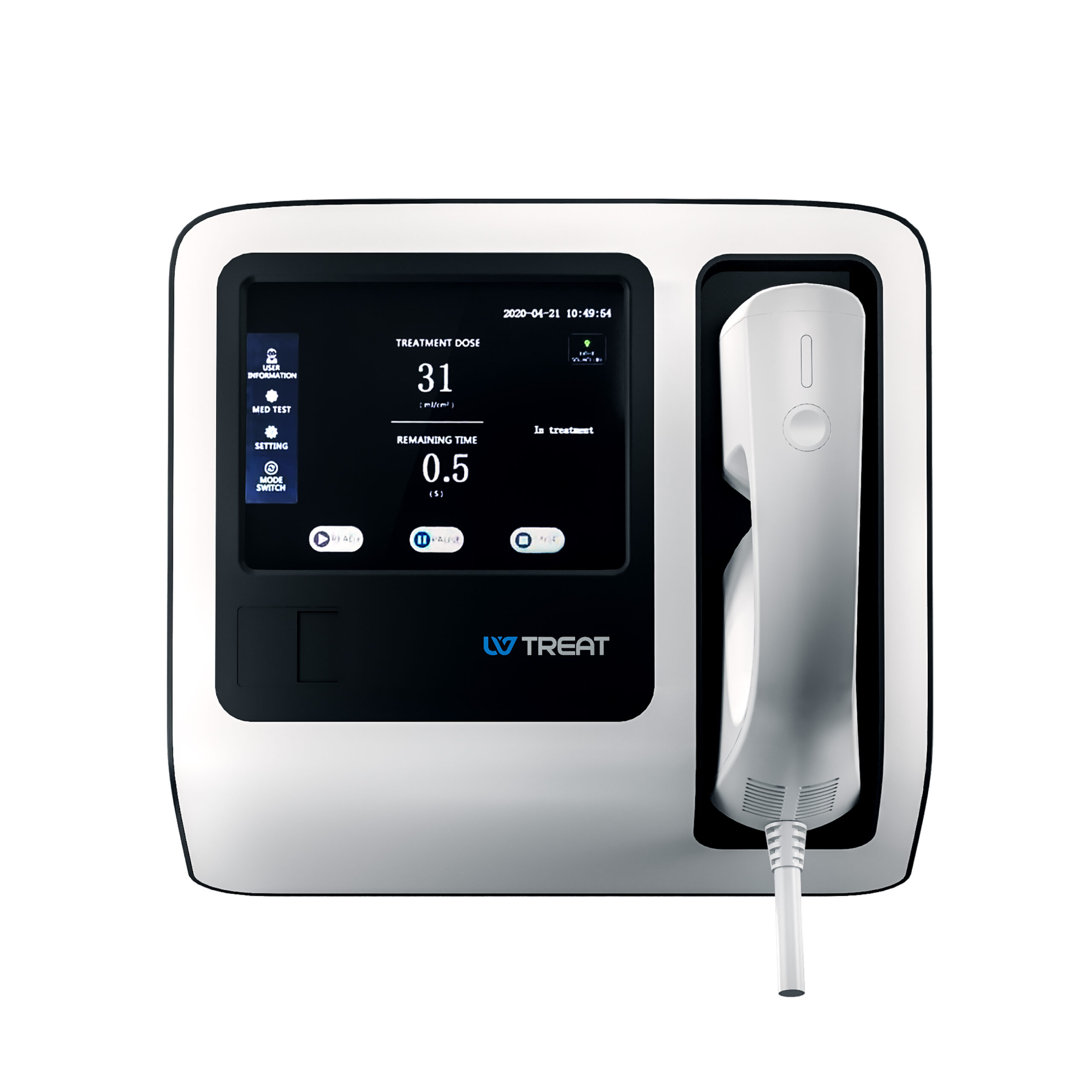
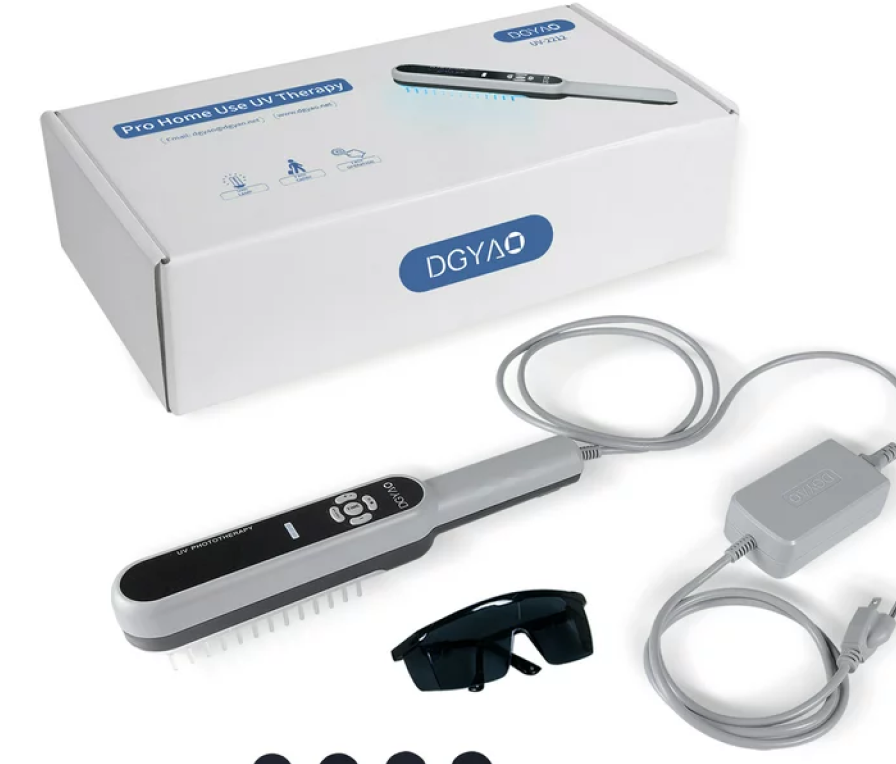
Life’s busy, and not everyone can make it to the dermatology office two or three times a week. But with home NB-UVB therapy, that can all change. Loads of patients have achieved life-changing results from using medical-grade light units in the comfort of their own homes, and that gives them so much more flexibility without compromising safety.
How it Works:
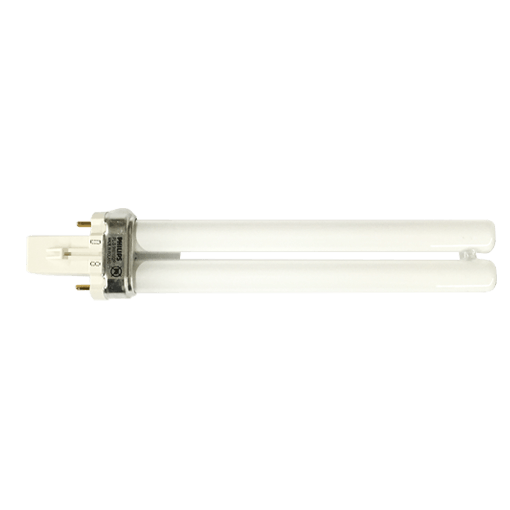
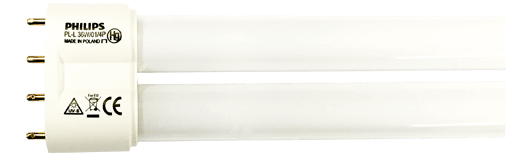
Choose Your Device: Use an FDA-approved medical device, not a tanning bed or some dodgy DIY lamp. Those medical devices are specifically made with safety in mind.
Follow the Instructions: Take the time to read the manual, keep a schedule, and always wear the recommended safety gear (especially eye protection).
Keep a Record: Loads of people jot down when and how long each session is; that can help you and your dermatologist spot trends, make improvements or catch side effects early.
Success Tips:
-
Gently increase session lengths if your doctor says it’s okay – it’s normal for treatments to start low and build up over time.
-
Stick to the schedule – going off-piste can throw off the balance.
-
Don’t even think about substituting a commercial tanning bed – those things are completely ineffective for eczema and can cause more harm than good.
Home phototherapy opens up the possibility of treatment for loads of people who just can’t make it to the clinic, or who prefer privacy.
-
Every patient has their own unique story, priorities, & lifestyle, which is why every treatment needs to be tailored to the individual. Here are some tips we find helpful:
-
Personalized dosing – we work out your starting dose based on skin tone, diagnosis & history & adjust it as needed based on how you react.
-
Session frequency – usually we start out with 2 or 3 visits a week, either in the clinic or at home.
-
Catching up on lost time – if you have to miss a session or two, you might need a lower starting dose when you get back on track.
-
Tapering off – once you’ve had long term success with treatment, you might be able to scale back on how often you attend sessions.
-
Taking care of your skin – it’s a good idea to wear eye protection and avoid getting too much sun, as well as using gentle moisturizers to keep your skin feeling its best.
-
Keeping in touch – sending in the odd photos or notes about your symptoms can really help us get a better picture of how treatment is going.
Understanding the Patient Experience
Recovery with NB-UVB isn’t always quick or easy – it’s normal to get impatient or feel like you’re not progressing as fast as others. That’s where open communication comes in – don’t be afraid to ask questions, share what’s working or what’s not, & let us know if you’ve made any changes to your lifestyle, are feeling stressed, or have any other health issues. Sometimes NB-UVB works best when used in conjunction with other treatments or creams.
You’re not alone in this – lots of people have walked this journey before you & modern NB-UVB is designed to work with real people’s lives, not just some hypothetical ideal.
Conclusion
Narrowband UVB has come a long way – it’s a brilliant example of science, patient-centred care and the wisdom of the ages all coming together. By combining tried & tested methods with the latest technology & clinical trials, dermatologists are now able to offer their patients a solution that’s as thoughtful as it is effective. Whether you’re making a regular trip to the clinic or looking after yourself at home, NB-UVB lets you take a much more active role in your skin health and overall wellbeing.
The key to getting long-lasting results is building a good partnership – being honest with your healthcare provider, sharing what’s working & what’s not, & being open to making changes as your life changes.
For those interested in scientific underpinnings and best practices, see the resources below:
1. The Patient’s Guide to Psoriasis Treatment. Part 1: UVB Phototherapy – PMC
2. Psoriasis treatment: Phototherapy — American Academy of Dermatology
3. An Update on Narrowband Ultraviolet B Therapy for the Treatment of Skin Diseases —PMC
4. IJVB Phototherapy Lamps in the US I Philips UVB Lamps for Psoriasis Eczema Vitiligo
5. Guidelines of Care for Atopic Dermatitis: Part 3: Management and Treatment with Phototherapy and Systemic Agents — PMC
6. Light Therapy for Psoriasis — National Psoriasis Foundation
7. Narrowband UVB Light Therapy for Psoriasis, Vitiligo & Eczema – ArraySkin
8. Phototherapy — StatPearls – NCBI Bookshelf
9. Narrowband UVB reduces TNF by B-cells via TLR7 in early MS
10.Latest Clinical Practice Guidelines for Psoriasis Phototherapy Treatment — LiVDerm