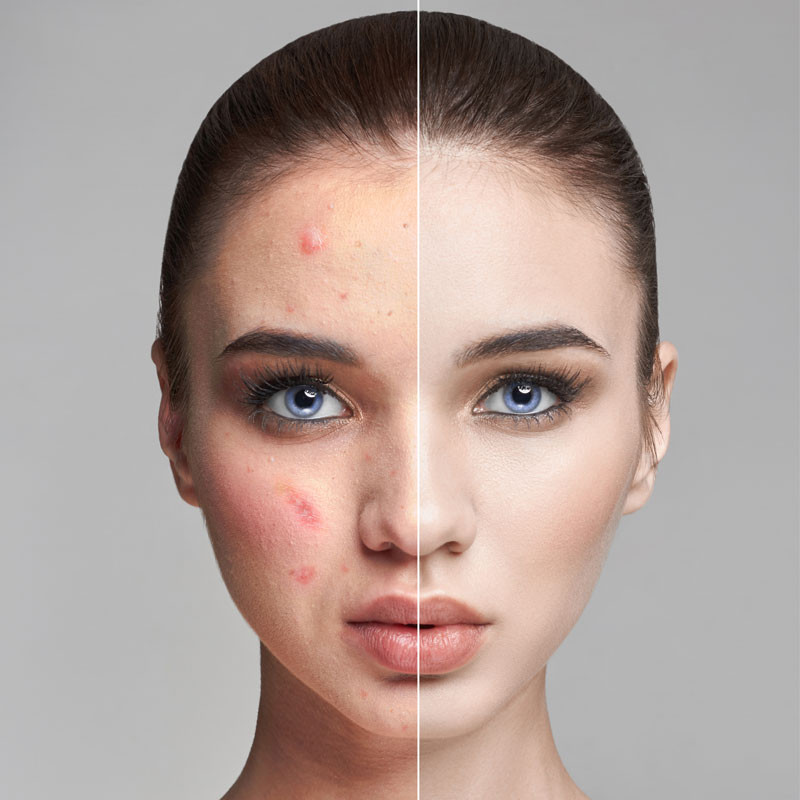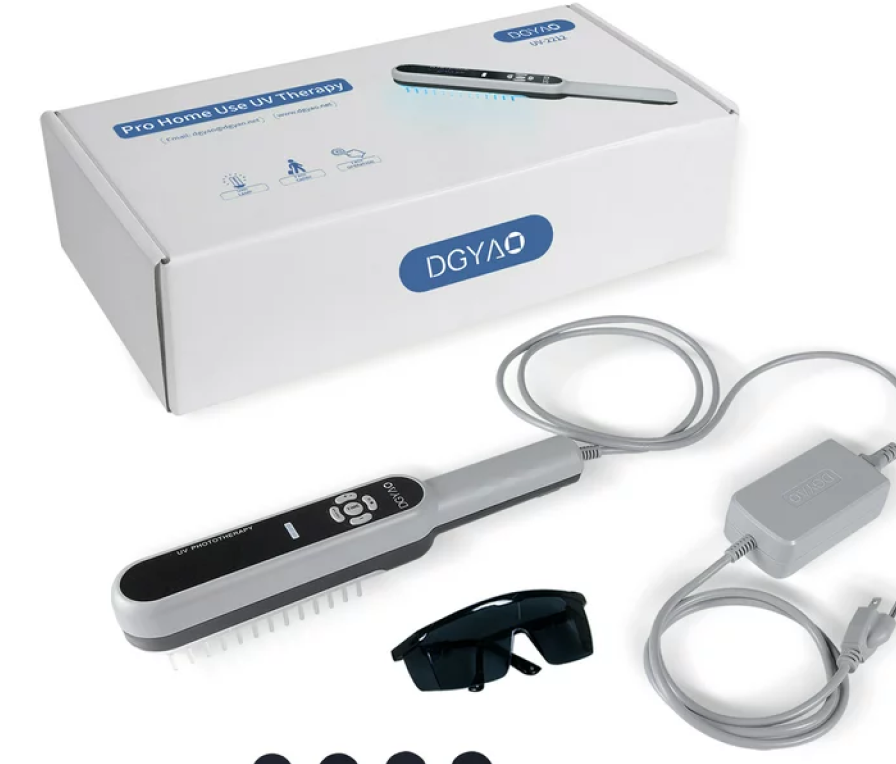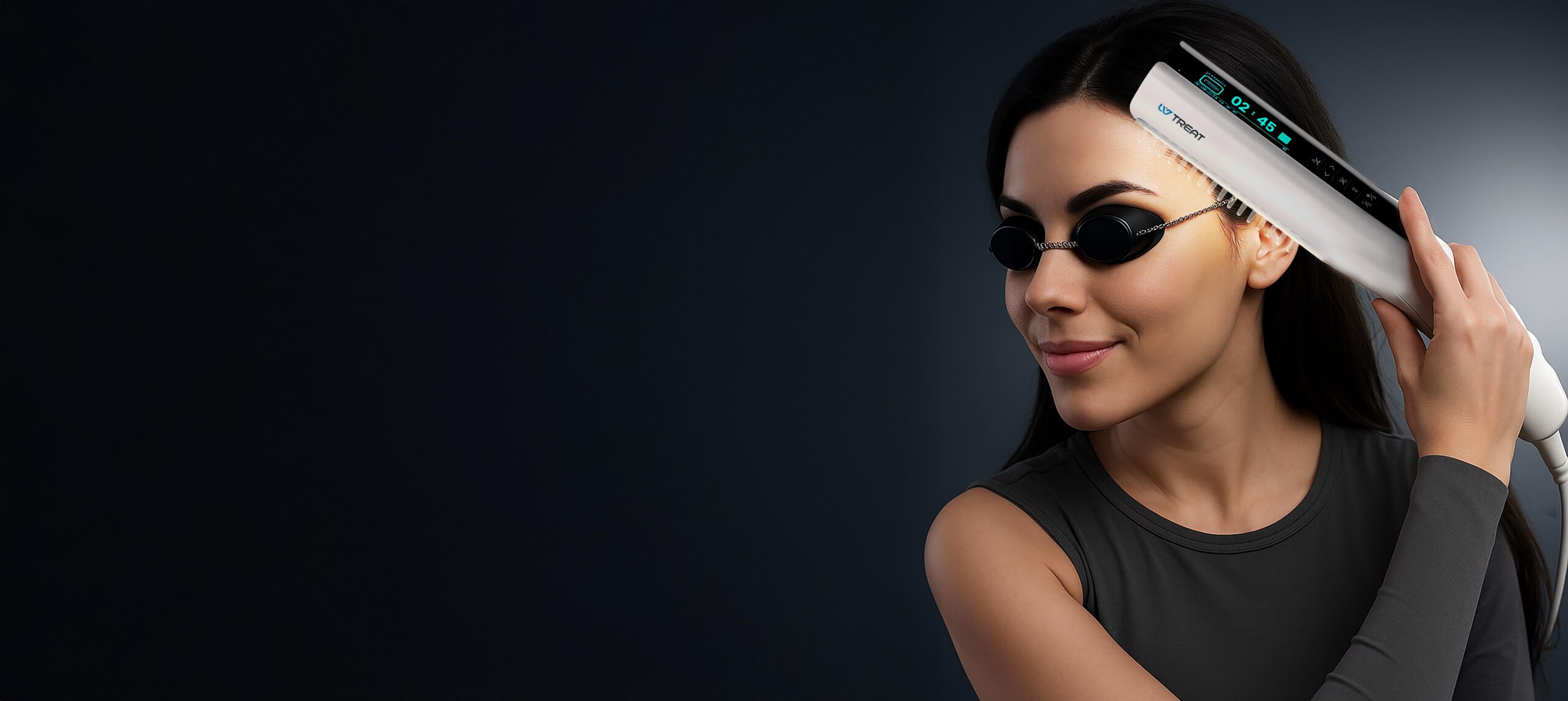
UV Phototherapy Medical Devices for Psoriasis, Vitiligo, Eczema, Acne & More
FDA approved UVB Phototherapy devices
- shipped right to your doorstep!
Benefits of UVB Phototherapy In Columbus
-

100K + Satisfied Customers
-
Professional Grade Technology
-
90% Success
Rate -
Lifetime Product Support


UVB Phototherapy for Chronic Skin Conditions
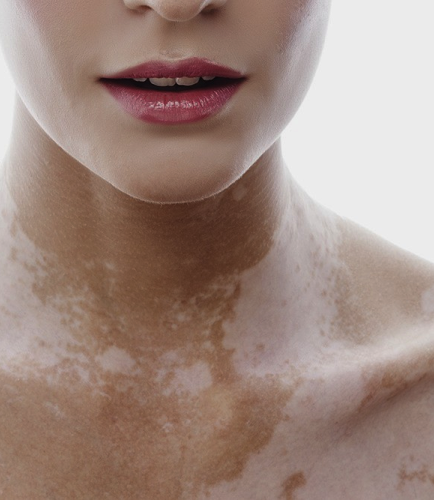
UV light therapy treats chronic inflammatory and depigmenting skin conditions without any systemic drug involvement. Narrowband UVB (311–313 nm) targets key pathological processes in the skin. Psoriatic plaques respond through suppression of hyperproliferative keratinocytes. In atopic dermatitis, the inflammatory cascade is dampened. Vitiligo lesions show reactivation of melanocyte function alongside lateral migration into depigmented zones
Sessions take just a few minutes, usually two or three times weekly. The dose moves up as the skin handles more. Improvement comes in steps, not all at once
Phototherapy’s presence in modern treatment guidelines isn’t the result of a recent trend — the modality has carried decades of clinical use behind it. The reason is simple: it works across multiple conditions, and the safety record holds up even over years of use. For patients who need long-term control of their skin disease but want to avoid systemic drugs or immunosuppression, it’s often the most reasonable option.
Types of light
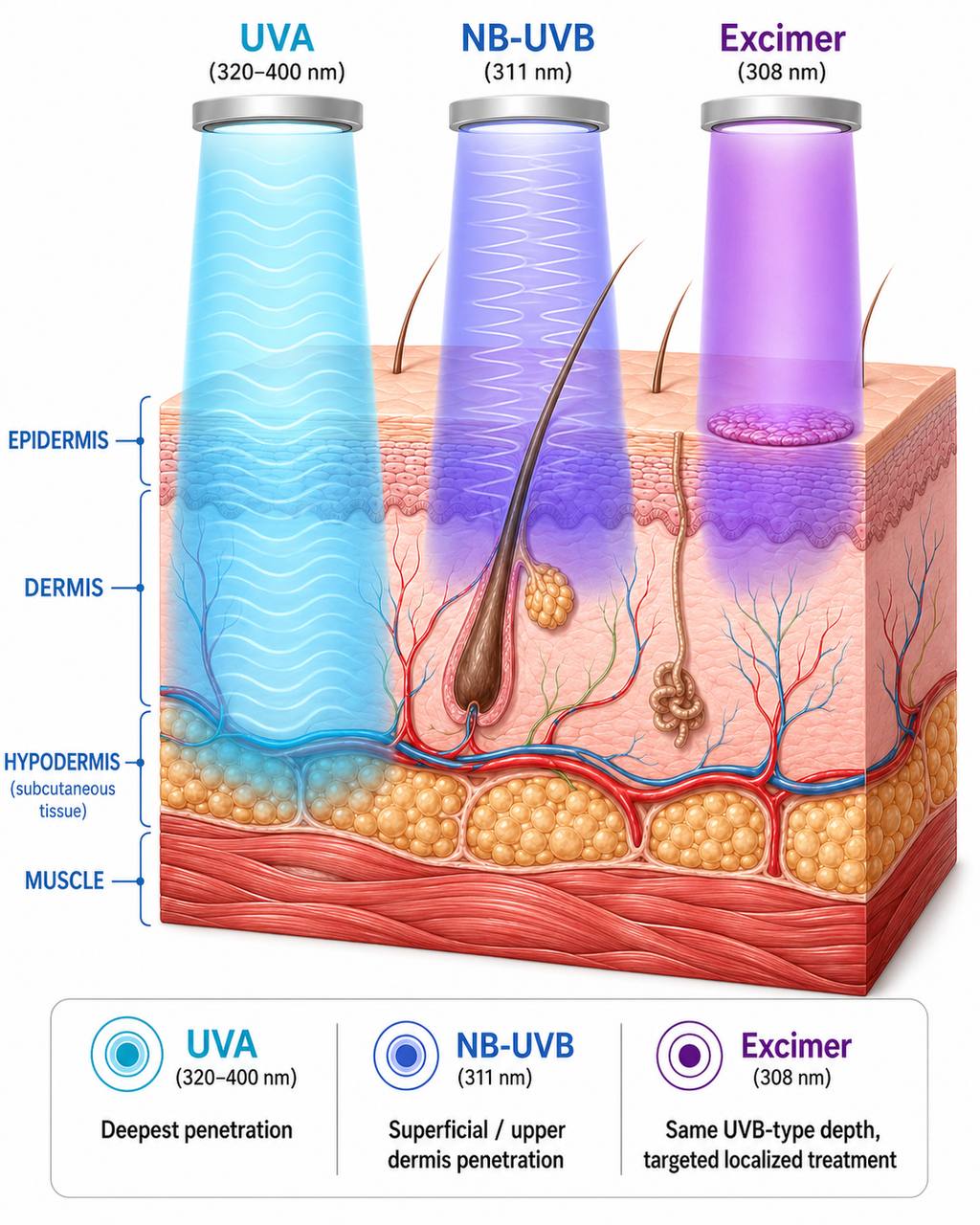
UVA (340–400 nm)
UVA penetrates further into the skin than UVB. That depth makes it useful for deeper-dermis disease — morphea, scleroderma, T-cell lymphoma, plus eczema cases where UVB failed. Older PUVA protocols paired UVA with psoralen — a photosensitizing drug — and ran psoriasis treatment for years before NB-UVB took over.
The modern form is UVA-1 at 340–400 nm. No psoralen, the burning wavelengths are filtered out, and the dose is kept tight. Mostly used now for connective-tissue and inflammatory disease.
Excimer Laser (308 nm)
The 308 nm excimer laser is built around a xenon-chloride light source. Output is monochromatic UVB, applied directly to the lesion via a handpiece. Adjacent healthy skin receives no dose. With energy concentrated on a small treatment field, per-session fluence can run substantially higher than what a whole-body NB-UVB cabinet permits — in cabinet-based treatment, healthy tissue caps the maximum dose.
That usually means a faster response and fewer visits, with less total UV exposure for the patient. It’s a well-established option in dermatology for localized disease, and FDA-cleared for psoriasis, vitiligo, and atopic dermatitis.
Narrowband UVB (311–313 nm)
UVB light therapy is the most widely used form of phototherapy in dermatology. Narrowband UVB (NB-UVB) concentrates light at 311 nm — the specific wavelength shown to clear psoriasis plaques, repigment vitiligo, and reduce eczema inflammation without the deeper tissue exposure of UVA.
Sessions last seconds to a few minutes. Standard protocols schedule 2–3 sessions weekly across an 8–12 week treatment course. NB-UVB is the clinical standard because it works across skin types, carries a strong safety profile even with long-term use, and can be prescribed for treatment at home.
Home Phototherapy for Chronic Skin Conditions
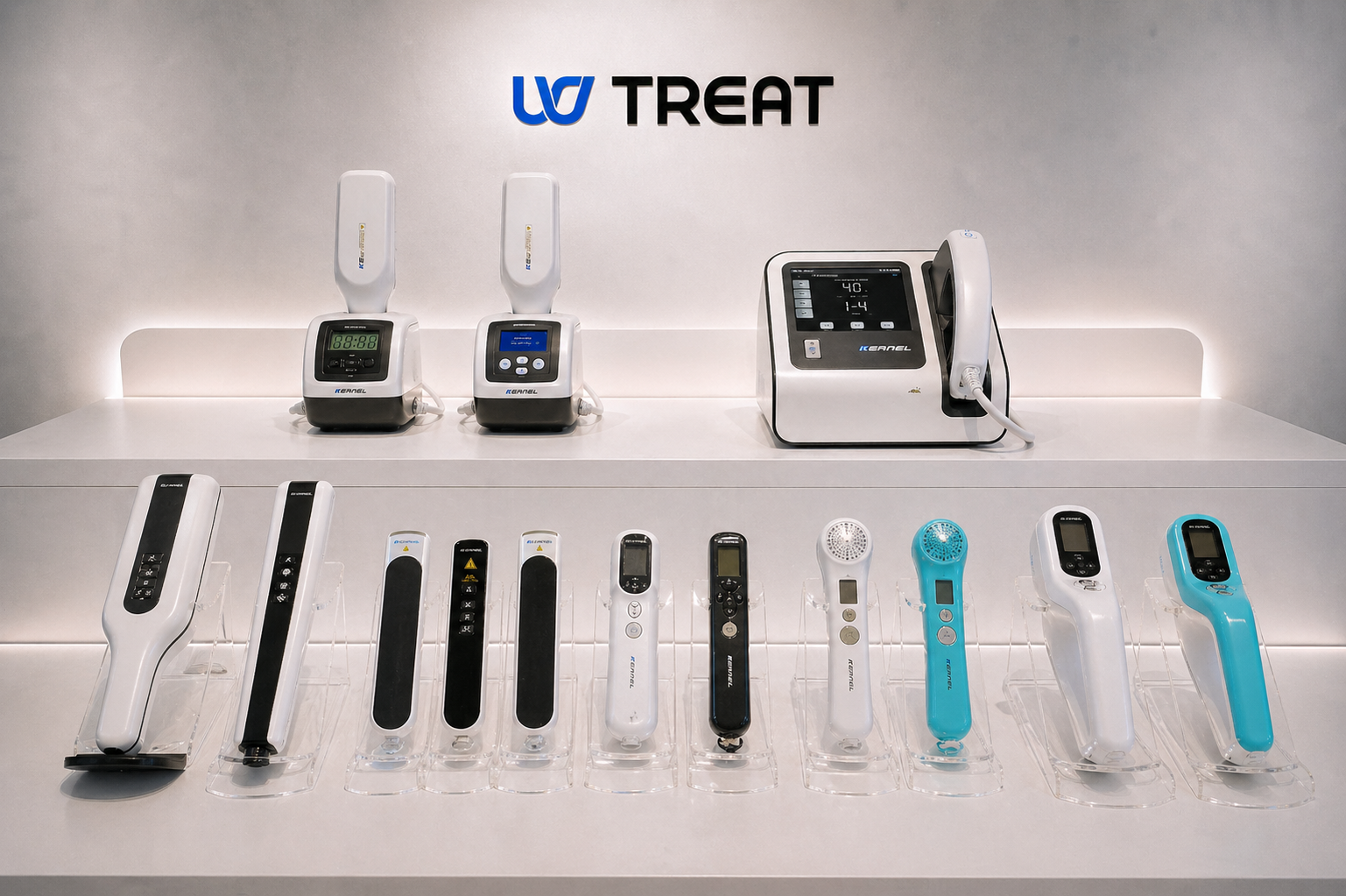
Home-based light therapy provides a non-invasive option for managing chronic skin conditions such as psoriasis, vitiligo, eczema and atopic dermatitis. Treatment is performed under a dermatologist’s guidance, with protocols adjusted based on skin response and disease type.
- 308 nm Excimer – Targeted UVB treatment delivers high-precision dosing directly to affected areas while sparing healthy skin.
- 311 nm Handheld UVB – Uses the same therapeutic wavelength as clinical systems in a compact format.
Home Low-Level Laser Therapy for Hair Growth
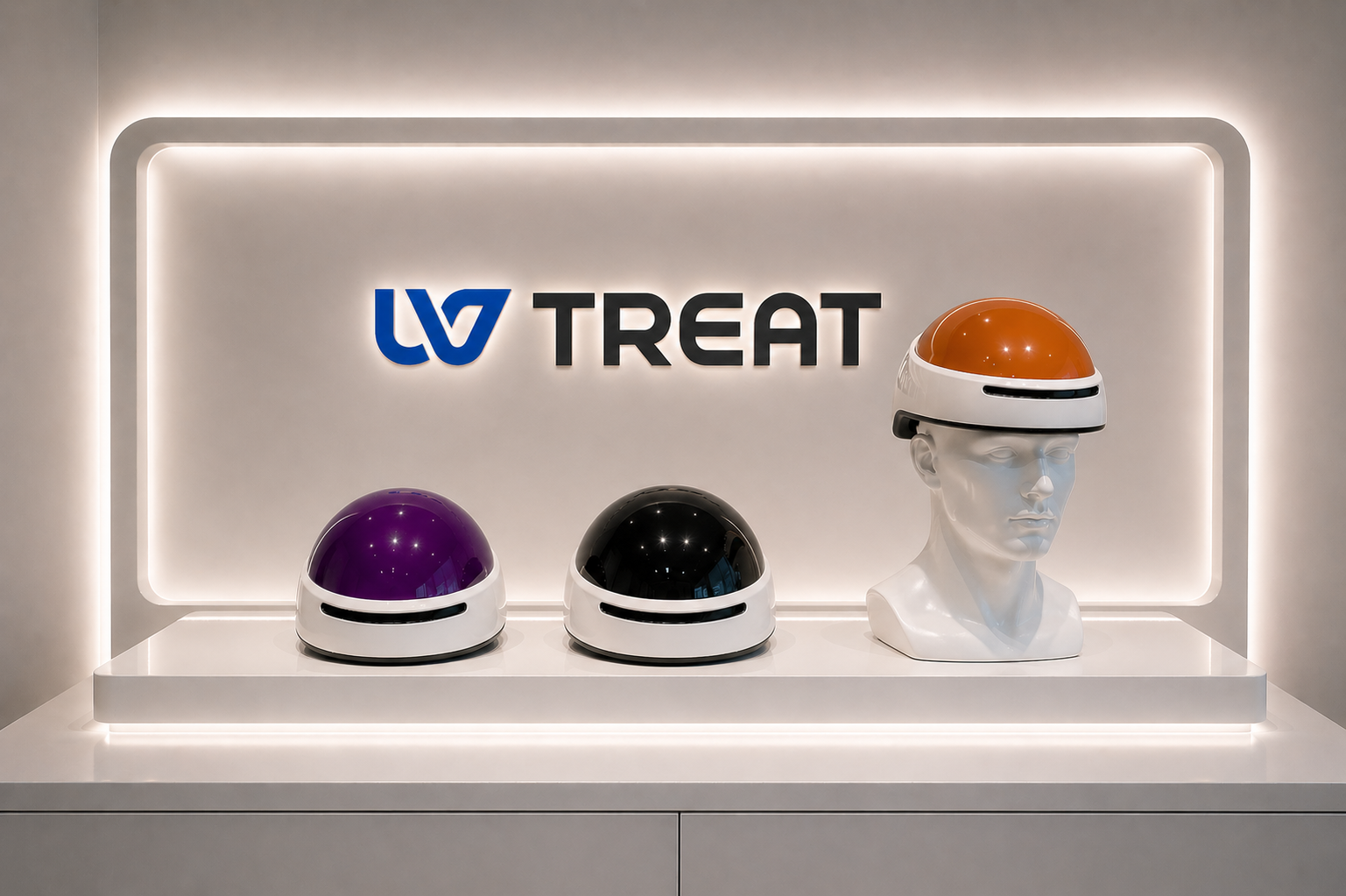
LLLT is used to treat androgenetic alopecia in men and women. Red light (≈650 nm) stimulates hair follicles, supporting the transition to the growth phase and improving hair density over time.
Treatment is delivered through wearable helmet devices designed for consistent at-home use. Sessions are typically performed several times per week, with results developing gradually over 3–6 months.
Clinical Solutions
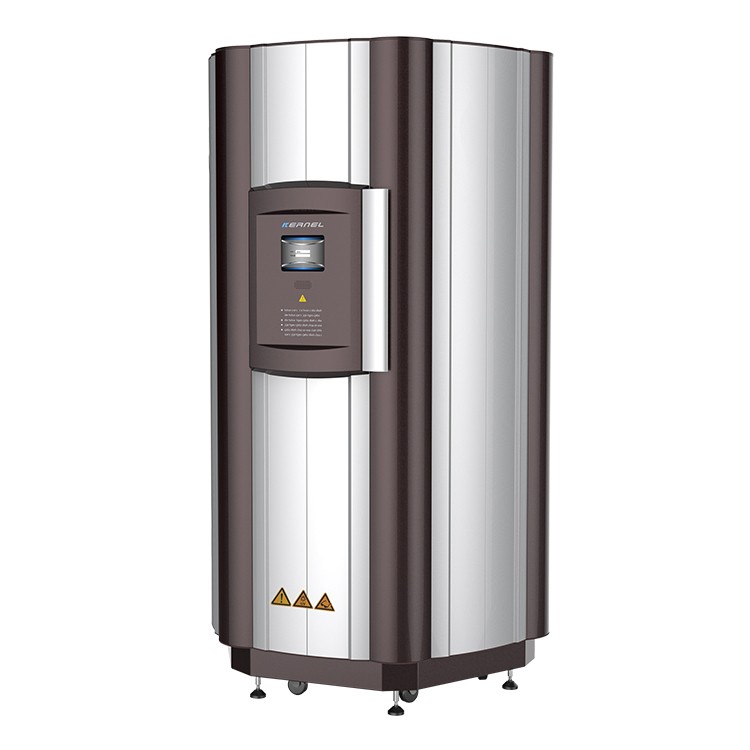
UVB Phototherapy
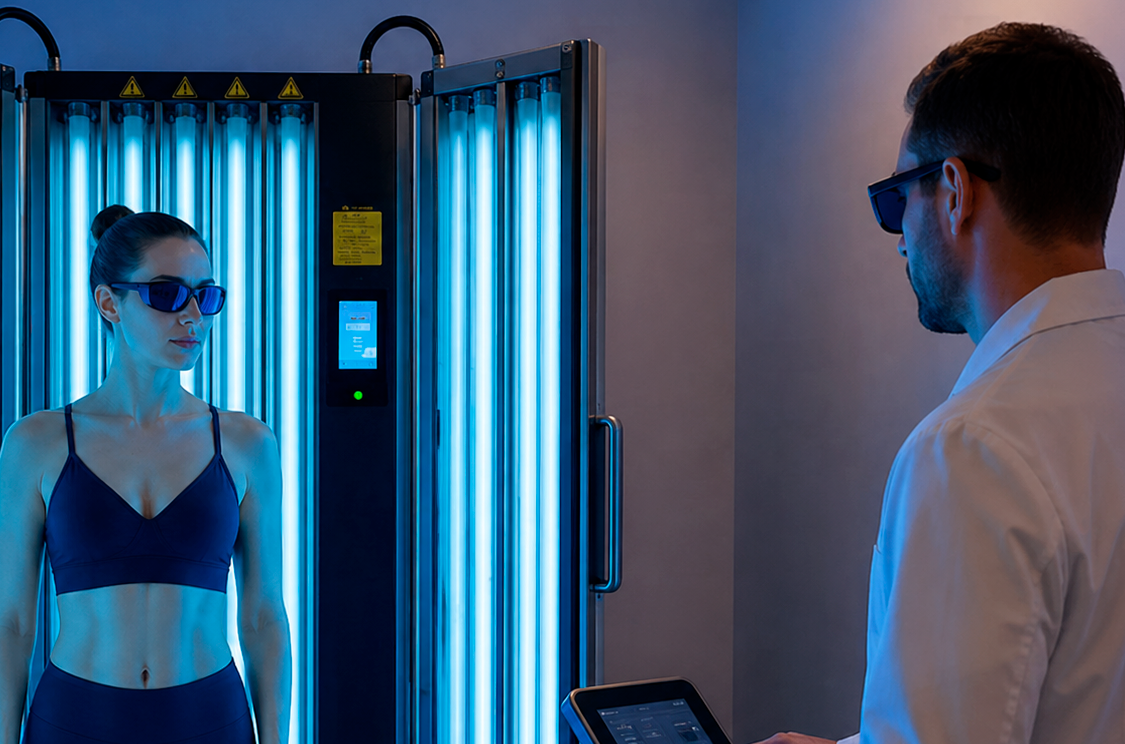
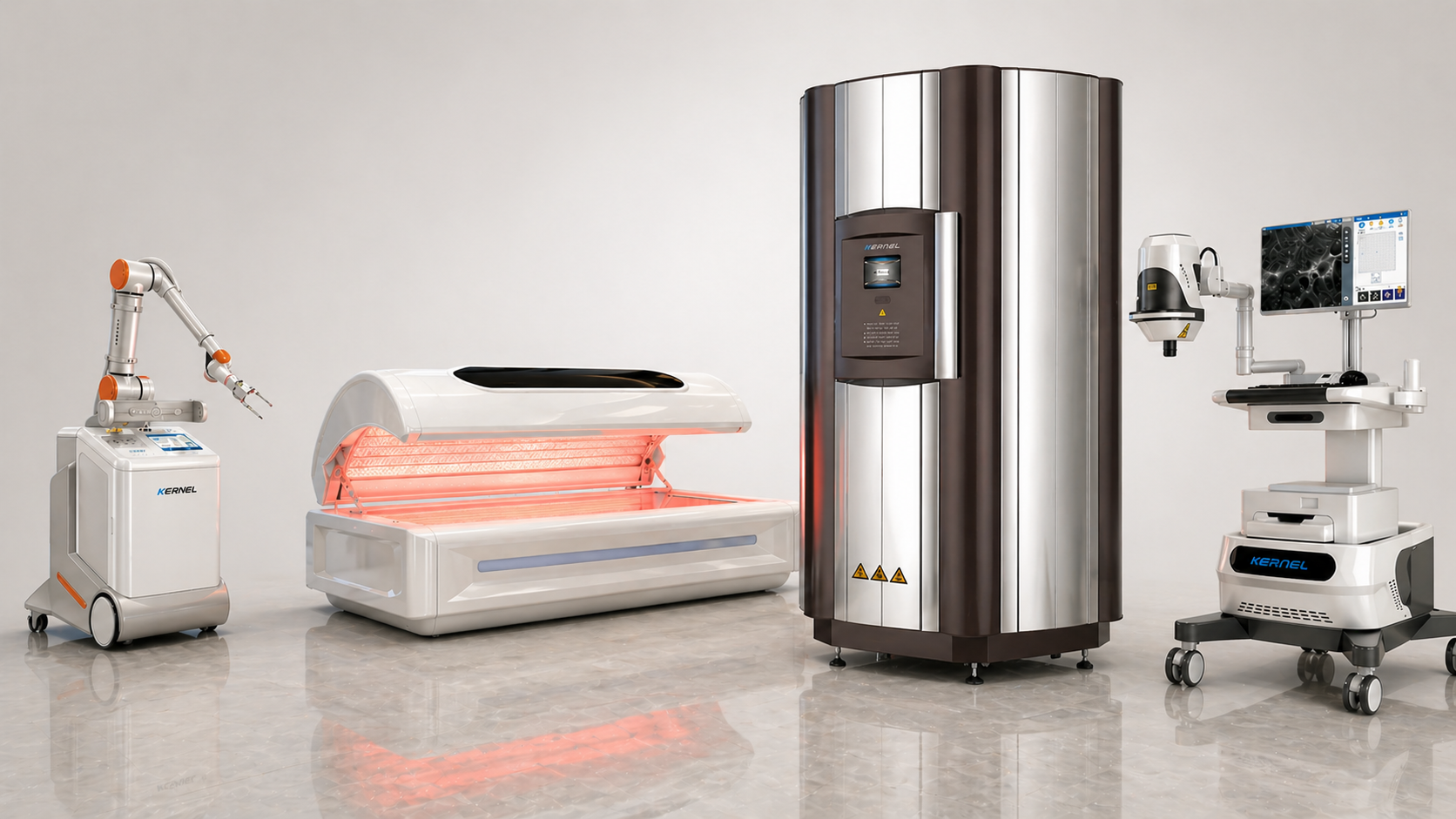
UVB phototherapy systems span full-body cabinets, half- and full-body panels, and targeted 308 nm excimer lasers. Cabinets and panels cover whole-body and partial-body indications respectively, with built-in dosimetry, session timers, and safety interlocks for consistent clinical use.
The 308 nm excimer delivers focused exposure directly to lesions — sparing healthy tissue and allowing higher per-session doses — which typically reduces the total number of treatments needed for plaque psoriasis, vitiligo, and localized dermatoses.
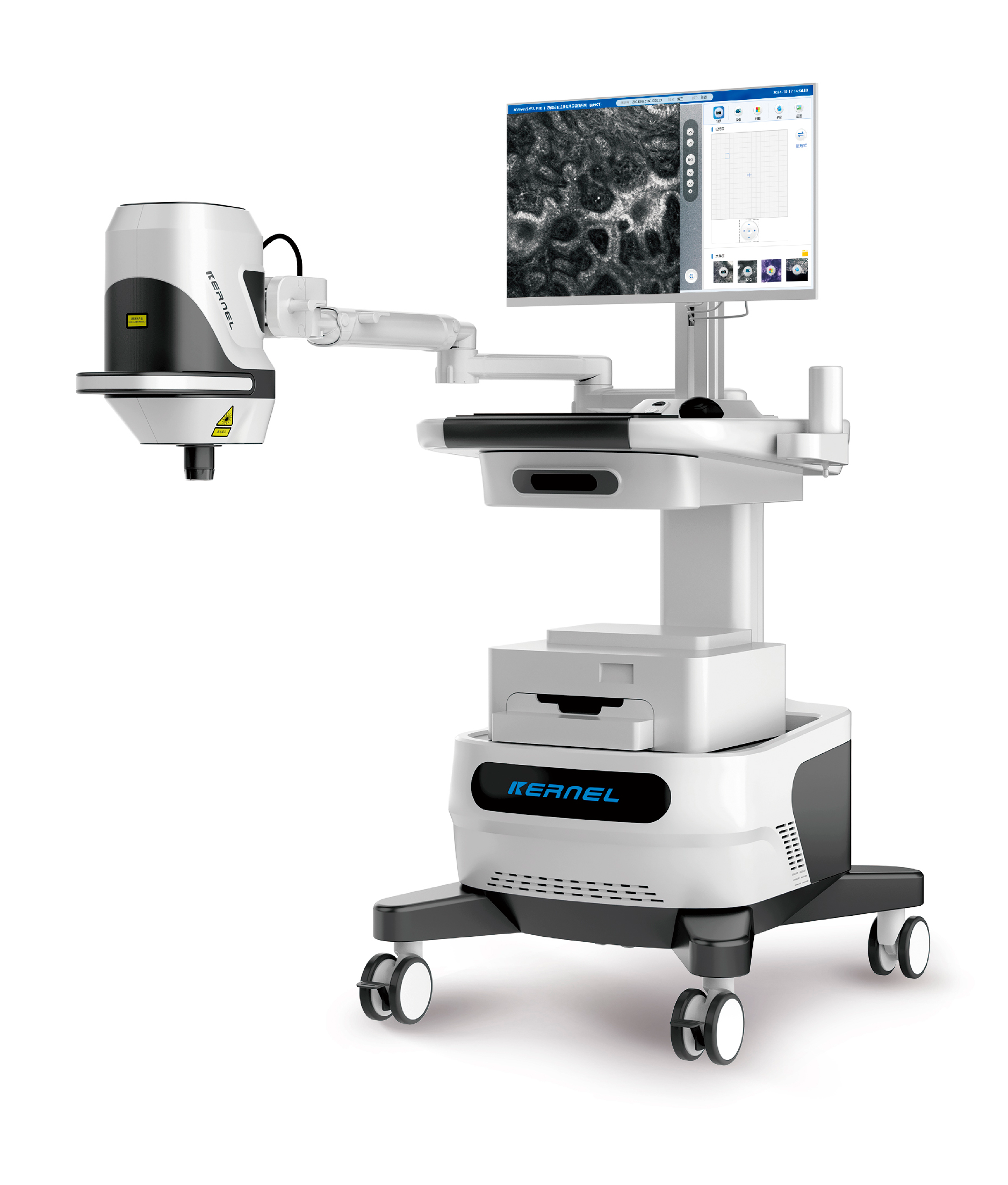
Reflectance Confocal Microscopy (RCM)
Reflectance confocal microscopy enables non-invasive imaging of skin at near-cellular resolution in real time. Used to evaluate pigmented lesions, support melanoma detection, and guide treatment planning — and it reduces unnecessary biopsies.
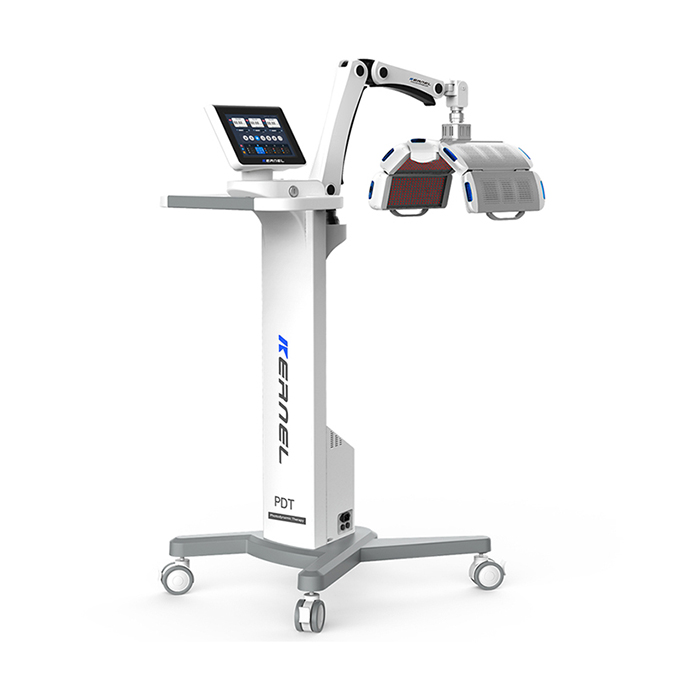
LED Light Therapy & LED Bed
LED light works in the visible and near-infrared range, with no UV component. Applied for acne management, skin rejuvenation, wound healing, and post-procedure recovery. Multi-wavelength systems combine different light spectra for broader clinical and aesthetic use.
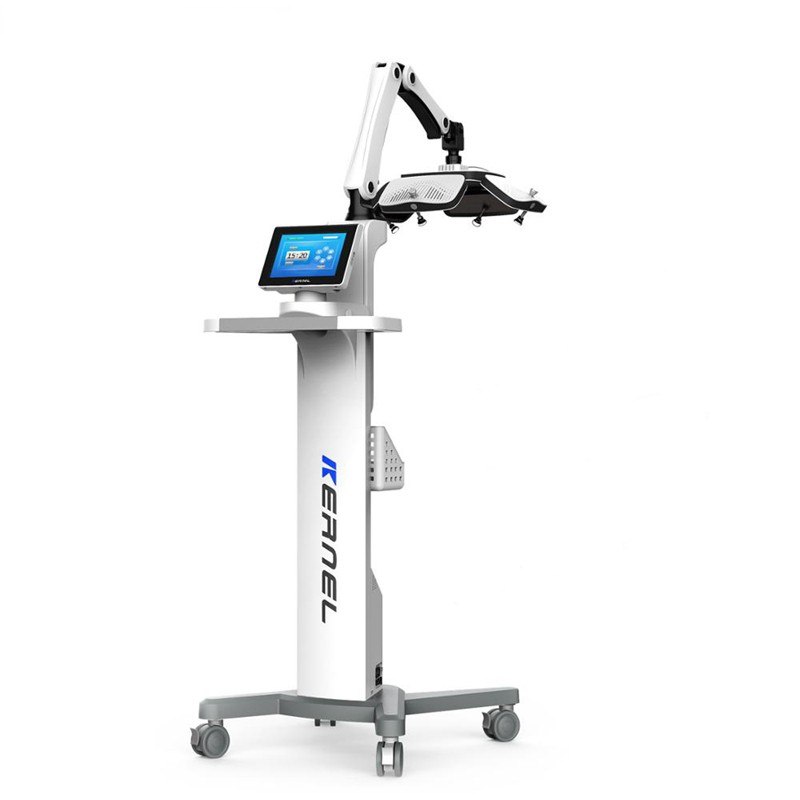
LLLT Hair Growth Solutions
Low-level laser therapy (LLLT) uses red light at ~650 nm to stimulate hair follicles and support hair regrowth in androgenetic alopecia. Requires consistent treatment over several months for visible results.
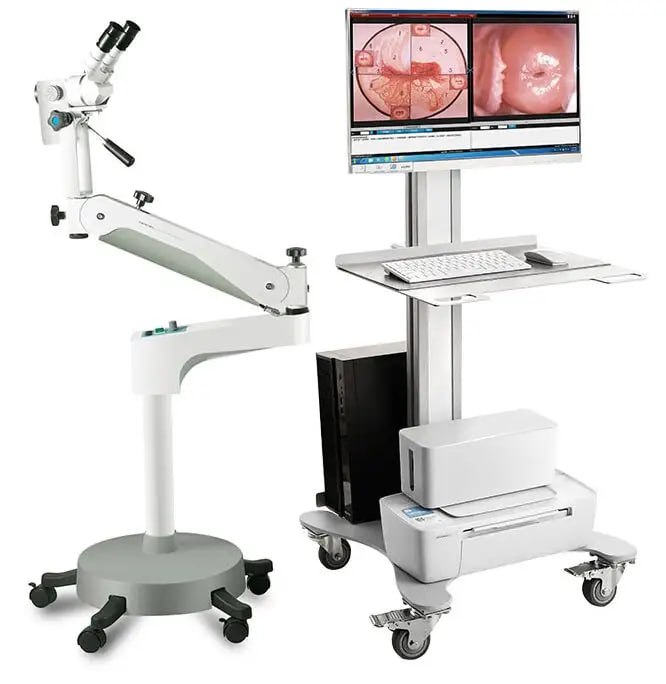
Digital Colposcope Systems
Digital colposcopy systems provide high-resolution visualization of cervical and vaginal tissue for evaluation of abnormal screening results. Include magnification, vascular filters, and image capture for documentation.
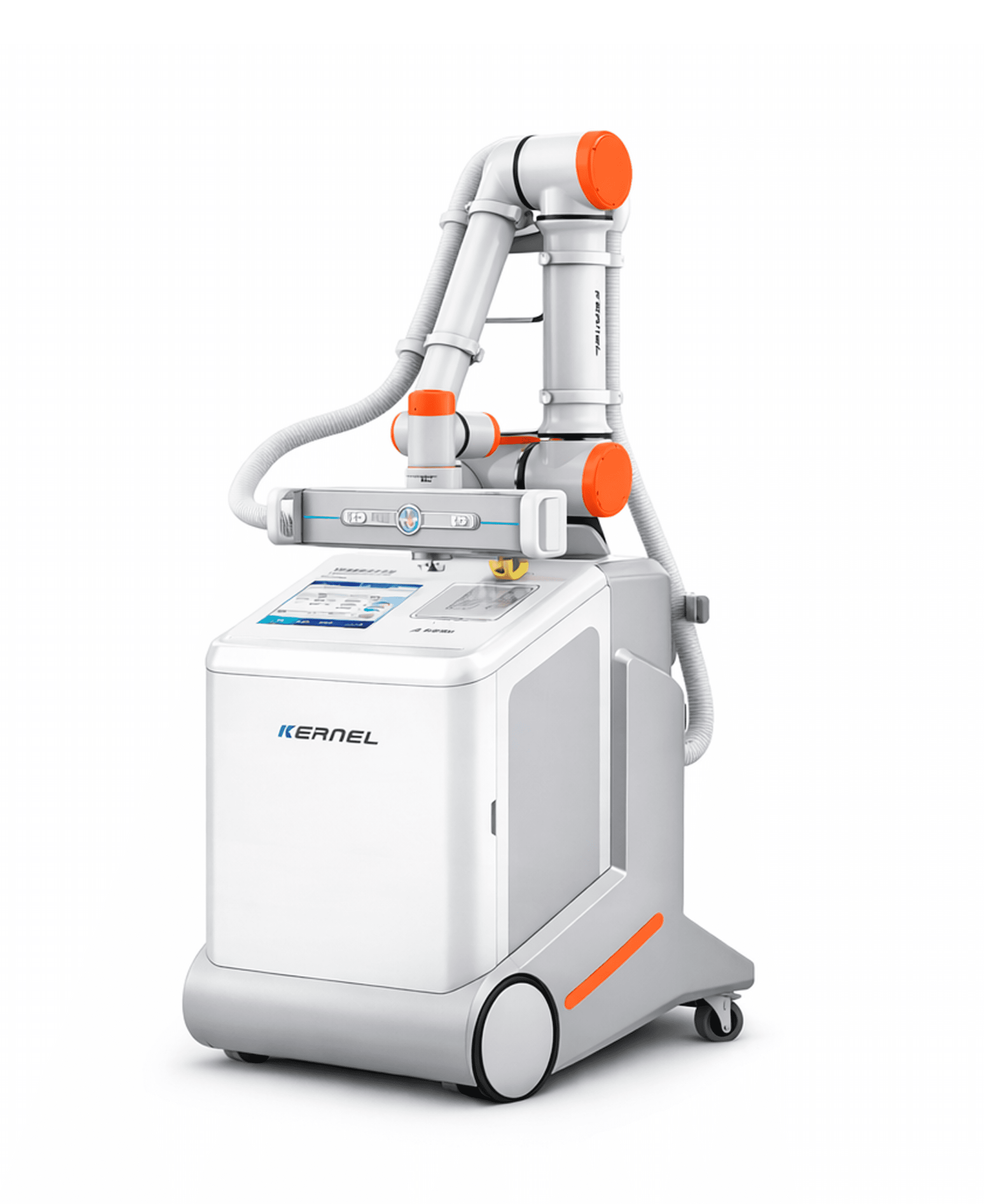
X-ray Radiation Therapy System (SRT)
Superficial radiation therapy uses low-energy X-rays for non-melanoma skin cancers and a few other dermatologic conditions. Provides localized treatment with minimal penetration to deeper tissues. It’s an option for patients who aren’t surgical candidates, or where the treatment area is cosmetically sensitive

Over 100,000 people In Columbus have treated their skin conditions with UVB Phototherapy.
Ready to join them?
Buy UVB lamps In ColumbusFrequently Asked Questions
Any questions? Contact us.
-
UVB Phototherapy is considered a safe and painless treatment for skin conditions.
-
Yes, the US FDA has approved the products we sell for distribution in the US (FDA K132643).
-
Yes, all of the UVB lamps in our online store use Philips Narrowband UVB 311nm bulbs. The lamps are categorized to help you locate our products in search engines. Please consult with your doctor to determine if UVB phototherapy is appropriate for your skin condition.
-
The UVB Lamps we sell only use Philips bulbs. Philips rates the normal life of the bulb for 1,000 hours; the UVB Lamp manufacturer recommends replacing the bulb after 350 hours of use.
-
Only your doctor can determine whether UVB phototherapy treatment is appropriate for you if your skin condition is currently being treated (or has recently been treated) with another method.
-
Only your doctor can determine a most effective, safe, and appropriate dosing schedule for your skin disorder.
-
UVB Phototherapy is FSA elegible.
-
Yes. UVB Phototherapy is FDA-approved for treating various skin conditions, including Dermatitis, Psoriasis, Vitiligo, and Eczema.
-
In addition to being 5X more cost-effective than in-office treatment, your UVTREAT device will save you considerable time. On average, a typical visit to the dermatologist can take between 30-45 minutes, which doesn’t include extended wait times or the time it takes to commute to the clinic. On average, a patient seeking to treat a condition like Dermatitis must visit their local dermatologist for treatment between 2-3 per week for several weeks. The UVTREAT device, on the other hand, can be used at your convenience from home or even your office, saving you many hours of commuting and hundreds of dollars.
-
UVB Phototherapy has shown clinical evidence supporting its ability to treat the following skin conditions: Psoriasis, Eczema, Vitiligo, Other conditions
-
The number of sessions you will require depends on many factors, such as your specific skin condition, your response to treatment, and more. However, most patients see results after an average of five weeks of consistent treatment. The good news is that once you purchase your device, you won’t be required to visit your local dermatologist for each session.
-
UVB Phototherapy can be used in conjunction with other skin condition treatments. We recommend you speak with your healthcare provider to determine if your condition allows you to combine UVB Phototherapy with additional treatments.
-
UVTREAT only utilizes medical Phillips high-rated bulbs, which last an average of 1,000 hours of usage.
A convenient, affordable, and effective solution for common skin conditions In Columbus
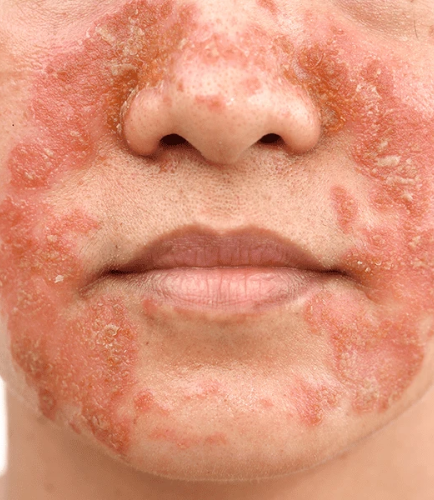
Embracing Health with UVB Light Therapy In Columbus: UVB Lamps for Psoriasis and Vitiligo
View more articlesUVB Lamps
The therapeutic landscape for skin problems is seeing a shift as UVB light therapy becomes more commonly available. This article has been carefully crafted to address the requirements of persons seeking effective treatment for skin conditions without becoming bogged down by medical jargon. It aims to provide a comprehensive explanation of how UVB light therapy may be helpful in such cases. Emphasizing its beneficial outcomes, safe use, and the need of using genuine things under a specialist’s advice is our top priority.
About Us
Millions of people over the world suffer from skin disorders such as Psoriasis, Vitiligo, Eczema, Acne or other skin desease. These disorders have a huge impact on the patients’ daily lives. However today, these skin diseases can be treated. Phototherapy is an effective and proven method of treatment. Kernel Phototherapy lamps have been developed and tested in close cooperation with universities and clinics around the world. In many cases, UVB lamps for Psoriasis present the best treatment of Psoriasis
Is phototherapy a treatment?
UVB Phototherapy is a term that refers to the application of ultraviolet (UV) light for the aim of providing medical treatment. Ultraviolet light, which is released by natural sunshine, is invisible to the human eye because it is extremely high in wavelength.
Within the spectrum of UV light, there are many different wavelengths that make up the spectrum. The method of light therapy makes use of two separate types of UV wavelengths. These wavelengths are used in certain applications. UVA and UVB are the abbreviations for ultraviolet A and UVB, respectively.
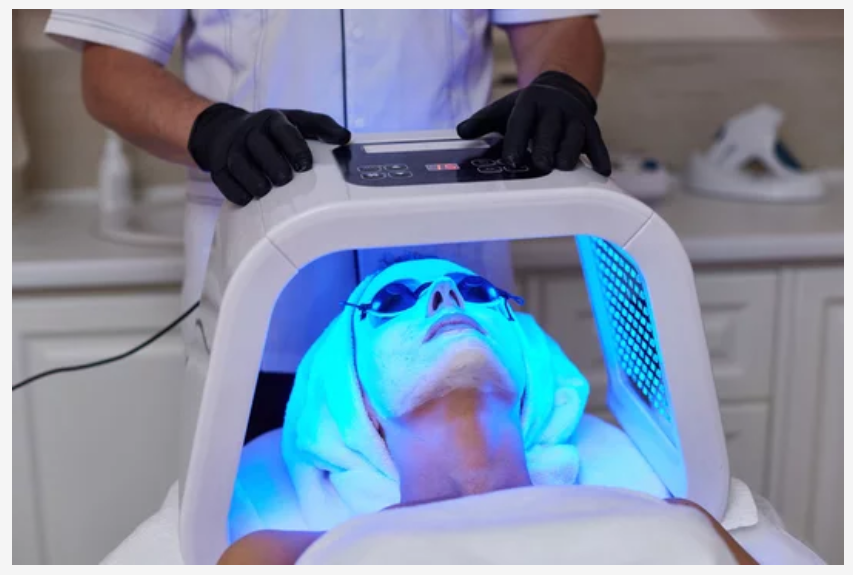
How does phototherapy work?
In addition to penetrating the skin, ultraviolet rays also inhibit the proliferation of skin cells that are damaged. The UVB phototherapy treatment involves exposing the skin to artificial UVB rays from a light source for a predetermined period of time on a consistent basis. This treatment is conducted in order to treat skin conditions.
UVB Light Therapy: What Does It Mean?
The Basics of UVB Therapy
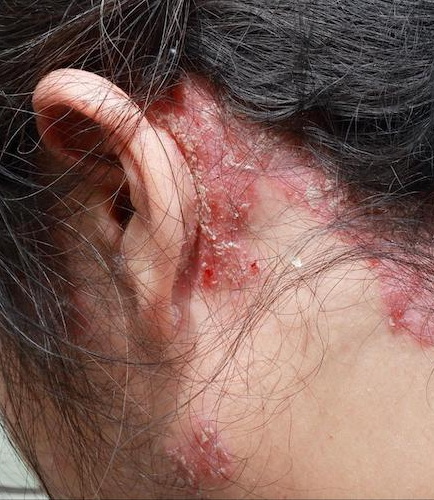
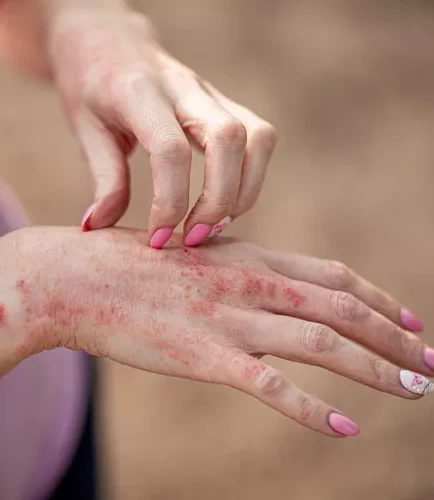
One of the most recent developments in the field of dermatology is UVB light therapy, which involves carefully regulating exposure to a narrow range of UVB rays. Many skin conditions, including vitiligo, eczema, and psoriasis, have found relief with this method. For example, research shows that ultraviolet B (UVB) treatment significantly reduces symptoms for over 70% of psoriasis patients. When it comes to skin care, UVB treatment stands apart from intrusive medical procedures since it is both mild and effective.
What does a UVB light do?
The main use of UVB lamps is as a phototherapy lamp, meaning treating skin diseases with light. The diseases UV-B lamps treat are psoriasis, vitiligo, lichen planus, atopic dermatitis (eczema), and other skin diseases. Thousands of dermatology clinics around the world treat skin ailments using UV-B lamps.
What is Narrowband UVB phototherapy?
When opposed to broad-band UVB phototherapy, which makes use of the whole spectrum, narrow-band UVB phototherapy only makes use of a limited portion of the UVB spectrum. The light wavelengths that are utilized in therapy are restricted to only 311-313 nanometers when narrow-band UVB is utilized. In this way, some of the potentially dangerous wavelengths are avoided, which is a benefit.
Compared with broadband UVB:
- Exposure times are shorter but of higher intensity
- The course of treatment is shorter
- It is more likely to clear the skin condition
- Longer periods of remission occur before it reappears
Is it safe?
Studies have demonstrated that ultraviolet B (UVB) therapy is not only efficient in treating disorders such as vitamin D insufficiency, psoriasis, and other conditions, but it is also safe, even when used for an extended period of time.
Scientific Insights
Sunlight, in particular UVB between the wavelengths of 290 and 315 nm, is the main source for producing vitamin D in the skin and is the primary source of vitamin D for the body. It is estimated that 90% of the daily body requirements are met by sunlight exposure.
UVB, a vital component of natural sunlight, is crucial for vitamin D synthesis in our skin. At therapeutic doses, UVB light targets and slows rapid cell division – a hallmark of many skin diseases – thereby providing symptomatic relief and reducing flare-ups. Research indicates that controlled UVB exposure can increase vitamin D levels by up to 8 times, enhancing overall skin health.
Typical UVB treatment times are only a few minutes long and can create up to 25,000 IU of Vitamin D in a single full-body phototherapy session. After several weeks of diligent UVB treatments, a substantial increase in the patient’s Vitamin D levels is a near certainty.
Advantages of UVB Light Therapy
- Effective Treatment: Clinical studies have consistently shown UVB therapy’s effectiveness in improving conditions like psoriasis and eczema, often leading to remission. For example, a study found that UVB therapy led to a 75% improvement in psoriasis symptoms for more than half of the participants.
- Non-Invasive and Safe: UVB therapy poses fewer risks than systemic medications, making it a safer alternative for long-term use. Its non-invasive nature also means there is no recovery time required.
- Improved Skin Health: Regular treatment sessions contribute to significant improvements in skin texture and a reduction in irritation and inflammation. Patients often report enhanced skin appearance and comfort.
Addressing Safety and Side Effects
UVB therapy’s safety profile is robust, with side effects being rare and predominantly linked to overexposure. Healthcare professionals ensure the right dosage, reducing the likelihood of side effects, which occur in less than 5% of patients.
How Does UVB Therapy Work?
The Treatment Process
A standard UVB therapy session is brief, typically lasting only a few minutes, with the skin exposed to UVB light. The treatment frequency and duration are tailored to individual conditions, with gradual increases in exposure based on skin tolerance and response.
How long does it take for phototherapy to work?
The duration and number of sessions needed for phototherapy to be effective might vary depending on the skin’s sensitivity, the severity of the problem, and its location.
For around two to three months, patients typically attend three to five light treatment sessions each week. However, depending on the light treatment method, most people notice a difference within two to four weeks.
Under normal circumstances, a pause of twenty-four hours need to be observed in between sessions of ultraviolet B phototherapy, which is provided three times each week. A medication that is administered every other day is sufficient for the vast majority of patients.
Consulting a Specialist
An initial consultation with a dermatologist is crucial. They assess the skin condition, discuss benefits and risks, and provide a customized treatment plan. Regular follow-ups are essential for adjusting the treatment and monitoring progress.
Real-life Applications
Patients with chronic conditions like psoriasis often report significant symptom reduction following UVB therapy. For vitiligo, UVB therapy has been effective in stimulating pigment production, improving skin appearance in up to 60% of patients.
The Importance of Original Products
Using authentic UVB therapy equipment is critical. Counterfeit or substandard devices can compromise treatment efficacy and pose health risks. Authentic devices are essential for safe and effective treatment.
IS HOME PHOTOTHERAPY SAFE?
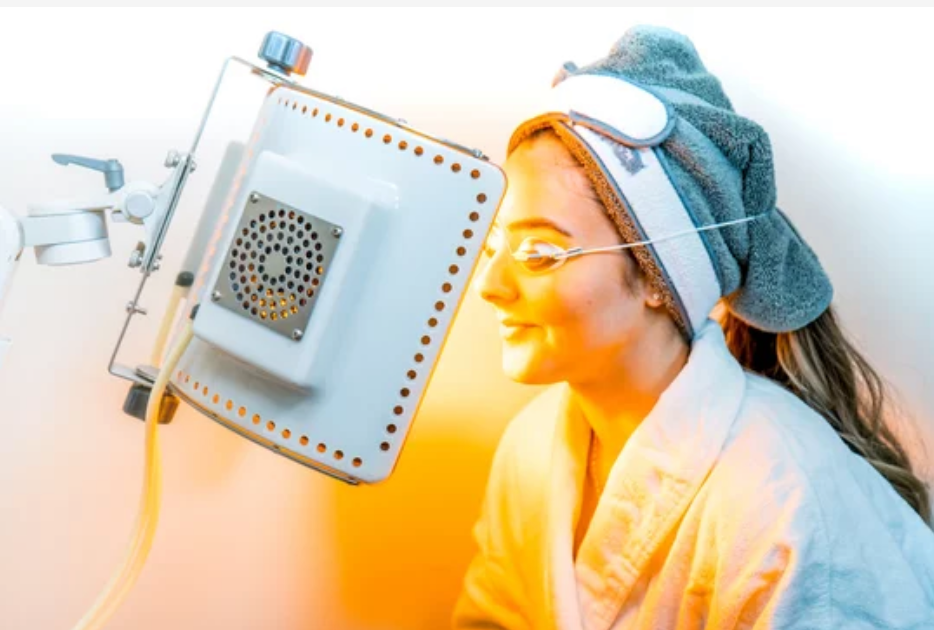
Home phototherapy can be safe, but it is essential to be aware of any side effects or risks. Like any light therapy treatment, there is a risk of mild sunburn, which can be resolved by adjusting the treatment time length and frequency.
Narrow-band UVB causes fewer side effects than broad-band UVB or UVA light therapy.
The short-term side effects of phototherapy include:
- Redness and discomfort (sunburn).
- Dry and itchy skin.
- Rashes, a sunlight induced rash.
- Cold sores, if you are prone to these it is advisable to cover the area usually affected with sun block whilst having ultraviolet light treatment.
- Blisters in areas of psoriasis.
Please note, that UVB Rays. UVB rays are a little stronger than UVA, and can cause sunburns and skin cancer.
Concluding Thoughts
As we journey through the landscape of UVB light therapy, it becomes clear that this innovative treatment stands as a beacon of hope in the realm of dermatological care. Offering a blend of efficacy, safety, and convenience, UVB therapy has redefined the approach to managing and alleviating skin conditions. From the substantial improvement in diseases like psoriasis and eczema to the groundbreaking results seen in vitiligo treatment, UVB therapy not only soothes the skin but also uplifts the spirit.
The remarkable ability of UVB light to enhance vitamin D synthesis, coupled with its targeted approach in slowing down rapid cell division, underscores its role as a critical tool in dermatological therapy.
The journey from initial consultation to visible results is a testament to UVB therapy’s effectiveness. With treatment plans tailored to individual needs and regular monitoring, patients can experience significant improvements within just a few weeks. The importance of using authentic, medically approved UVB therapy equipment cannot be overstated, ensuring the highest standards of treatment safety and effectiveness.
In conclusion, ultraviolet B UVB light therapy, which includes phototherapy performed at home under the supervision of a qualified professional, is an essential component of contemporary dermatological care. This product is a perfect example of how science and care can be harmoniously combined, providing a way to enhance the health of the skin and, as a result, a higher quality of life. UVB therapy is not merely a treatment for those who are struggling with skin conditions; rather, it is a journey towards healing and hope, shedding light on the path that lies ahead in terms of skin care and improving overall wellbeing. Get our education solutions online every day.