Eczema on Face: Causes, Symptoms, and Effective Treatments
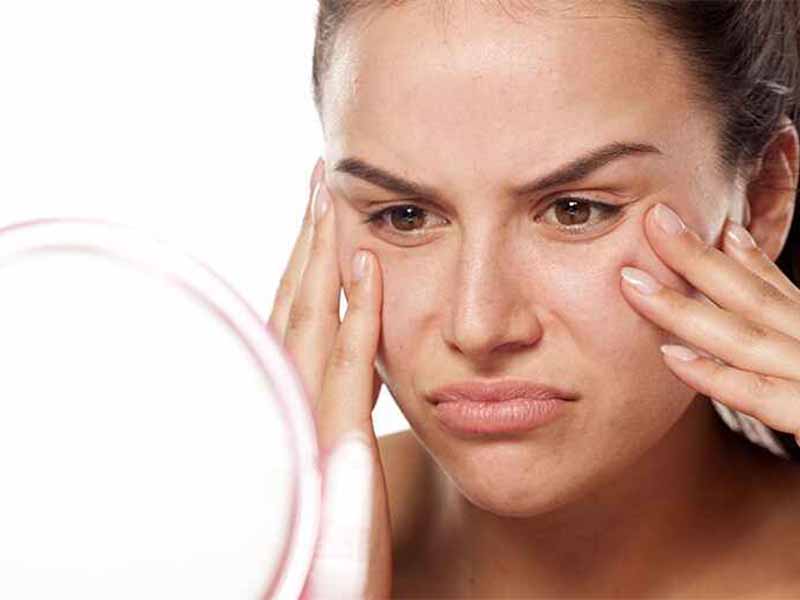
Eczema on the face is a skin condition that causes dryness, itchiness, and flaking. It is also physically and psychologically uncomfortable because of its prominence.
Facial eczema is a muscular inflammatory skin disease that is very common around the world. Due to having the disease on the face, patients suffer a lot from the condition’s red, itchy, and irritated skin patches.
Eczema affects around 200 million people around the world, with 10-20% of the affected individuals being children and 2-10% being adults. The face is the most exposed part of the body, so rashes on the face need to be controlled by mildly soothing, constant defense and protective care.
What Is Facial Eczema?
Atopic dermatitis develops into eczema when it affects the facial areas because it disrupts skin barrier function and triggers facial skin irritation.
The facial skin requires special attention because it remains sensitive and prone to irritation while showing increased susceptibility to topical treatment side effects. Only low-potency treatments with gentle skincare routines should be used to prevent skin thinning.
The disease may show thick, white lesions with wrinkled folds under the lower eyelids and can cause itching that will lead to further skin damage.
What are the Types of Facial Eczema?
There are many different types of eczema on the face. Some of the most common include:
Atopic Eczema
Atopic eczema is the most common kind of eczema, and such usually initially starts off in childhood. Infants and young children may have eczema affecting their cheeks and the extensor surfaces of the arms and/or legs and also around the mouth, while in older children, it affects the eyelids. In adults, the atopic eczema affecting the face may occur around the eyes and lips, where the skin is most sensitive.
Seborrheic Dermatitis
Seborrheic dermatitis (SD) is another kind of eczema common among adults. In most instances, it is referred to as dandruff because it affects your scalp, face, and chest. [2] The causes include an overgrowth of the yeast Malassezia. Symptoms include dry and itchy, flaky skin, often involving the ears, eyebrows, and around the nose.
Contact Eczema on the Face
Contact eczema or contact dermatitis is an irritation or allergic reaction of the skin to a substance making contact with your skin. It can take the form of lesions around the lips, eyelids, and cheeks. This is most likely when triggered by makeup, skincare products, or even certain metals like nickel in jewelry. [3]
Light Sensitive Eczema
Some people develop eczema, seemingly as an allergic reaction to sunlight or due to changed humidity. Light-sensitive eczema often involves those parts of the face and neck that are usually exposed to sunlight. It can also make an individual burn easily when they are in the sun.
Symptoms of Facial Eczema
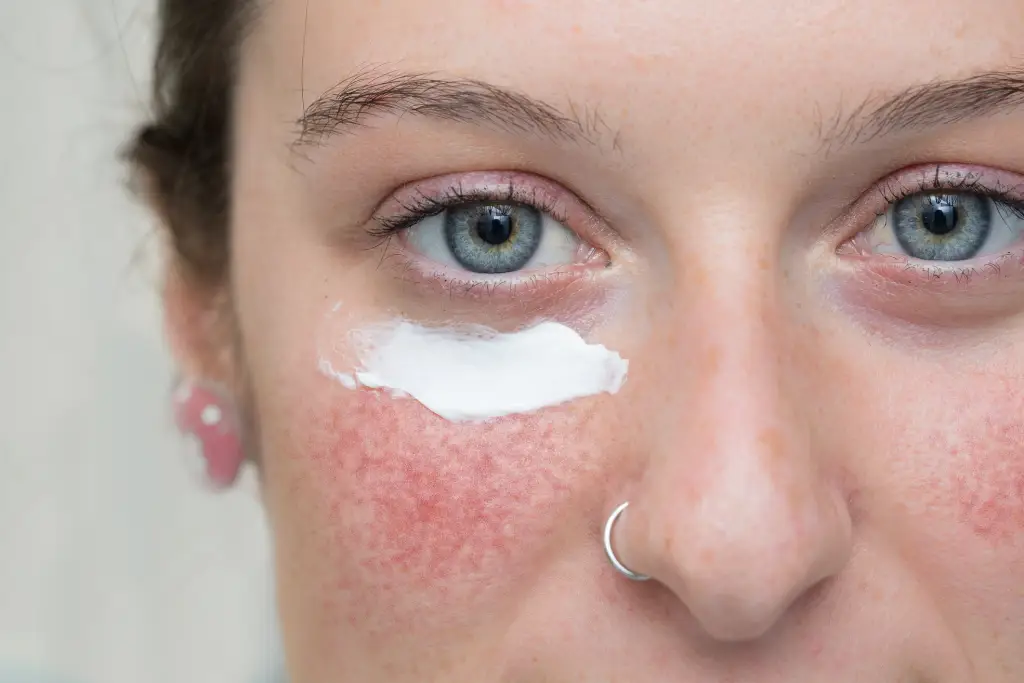
Recognition of the symptoms early gives great leverage in effective face eczema care. The very first things that one should be on the lookout for are redness, inflammation, swelling, severe dry skin, peeling, itching, or skin irritation.
There are times when eczema causes the burning feeling and pain upon touching something or during a weather change. Small blisters or crusting may become visible if the condition is severe. These flare-ups can disrupt sleep, make it difficult to concentrate, and have an impact on self-esteem, and therefore the need for early treatment and care, which should be gentle and consistent, is extremely important.
Causes of Facial Eczema
The exact cause of eczema remains unknown, but several factors are considered to develop eczema:
Genetics: The risk is increased when individuals have a family medical history of conditions like eczema, asthma, and allergies. [5]
Immune response: Sometimes, the immune system mistakes the irritants for something more severe and reacts with an over-response through inflammation of those areas.
Skin barrier dysfunction: A weakened skin barrier makes it difficult to retain moisture, thus leaving the skin exposed to allergens and irritants.
What Triggers Eczema on Your Face?
Eczema flare-ups are usually triggered after exposure to certain environmental irritants or allergens. The most common things that may trigger eczema include the following:
Soaps, detergents, and cosmetic makeup
Dry weather or low humidity
Stress and hormonal changes
Exposure to certain pollutants and, importantly, cigarette smoke
Certain fabrics (e.g., wool)
Sun exposure and sweat from exercise
How Is Facial Eczema Prevented?
Flare-ups can be minimized by observing the following:
Keep your skin well-moisturized: Some mild moisturizers applied two times a day will always keep the skin well-moisturized. [6]
Avoid any harsh soaps, exfoliants, or toners: The skin should always be treated with gentle products.
Skip makeup during flare-ups: Cosmetics irritate them even more, and it is better to leave them alone at times of flare-ups.
Use sunscreen: Protect your skin from sun damage and extreme temperatures.
Smell-free product options: Fragrances can cause irritation to sensitive skin, so it’s best to choose unscented options.
Pat dry: You should pat dry your face instead of rubbing it with the towel.
Manage allergies: Untreated allergies can be a cause for eczema flare-ups; hence, they need to be treated.
How is Eczema on Your Face Diagnosed?
There is no single test to diagnose eczema. Healthcare providers will evaluate your symptoms and medical history based on the following:
Physical Examination: The provider will account for signs of eczema, such as dry patches and discoloration of the skin. [7]
Patch Testing: This may reveal an allergic cause for your symptoms.
Additional Tests: These include skin scraping, blood tests, or skin biopsy, which may be done in certain situations to rule out the presence of any other condition or to identify the underlying cause.
A thorough diagnosis helps prepare an appropriate treatment plan for your needs.
Management and Treatment of Facial Eczema
Eczema cannot be cured, but it can be kept under effective management. The mode of treatment mainly focuses on the identification of triggers and the relief of symptoms when the condition flares up. Here are common treatments:
Topical Treatments
Topical Steroids
These are sometimes the first line of defense against an outbreak of eczema. Over-the-counter cream can help soothe itchy skin. In more serious cases, your doctor may prescribe stronger topical steroids. Use these with caution; the longer one uses them, the thinner the skin becomes. [8]
Calcineurin Inhibitors
In the case of inefficiency of topical steroids, your doctor may prescribe calcineurin inhibitors. These are drugs that block some immune responses and scale down inflammation. Thus, they are very effective against facial eczema, especially for sensitive areas around the eyelids and neck folds.
Other Medical Treatments
Phototherapy
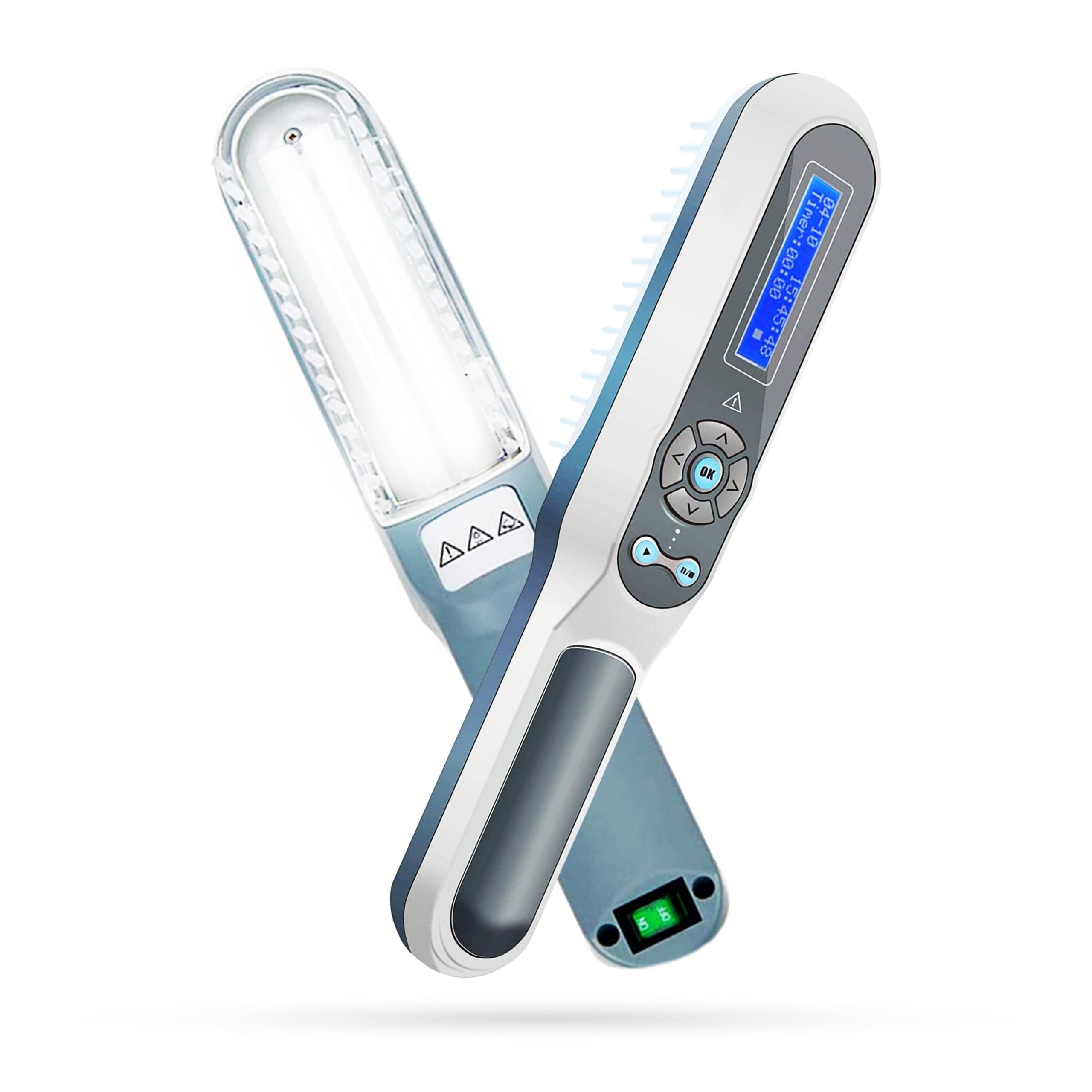
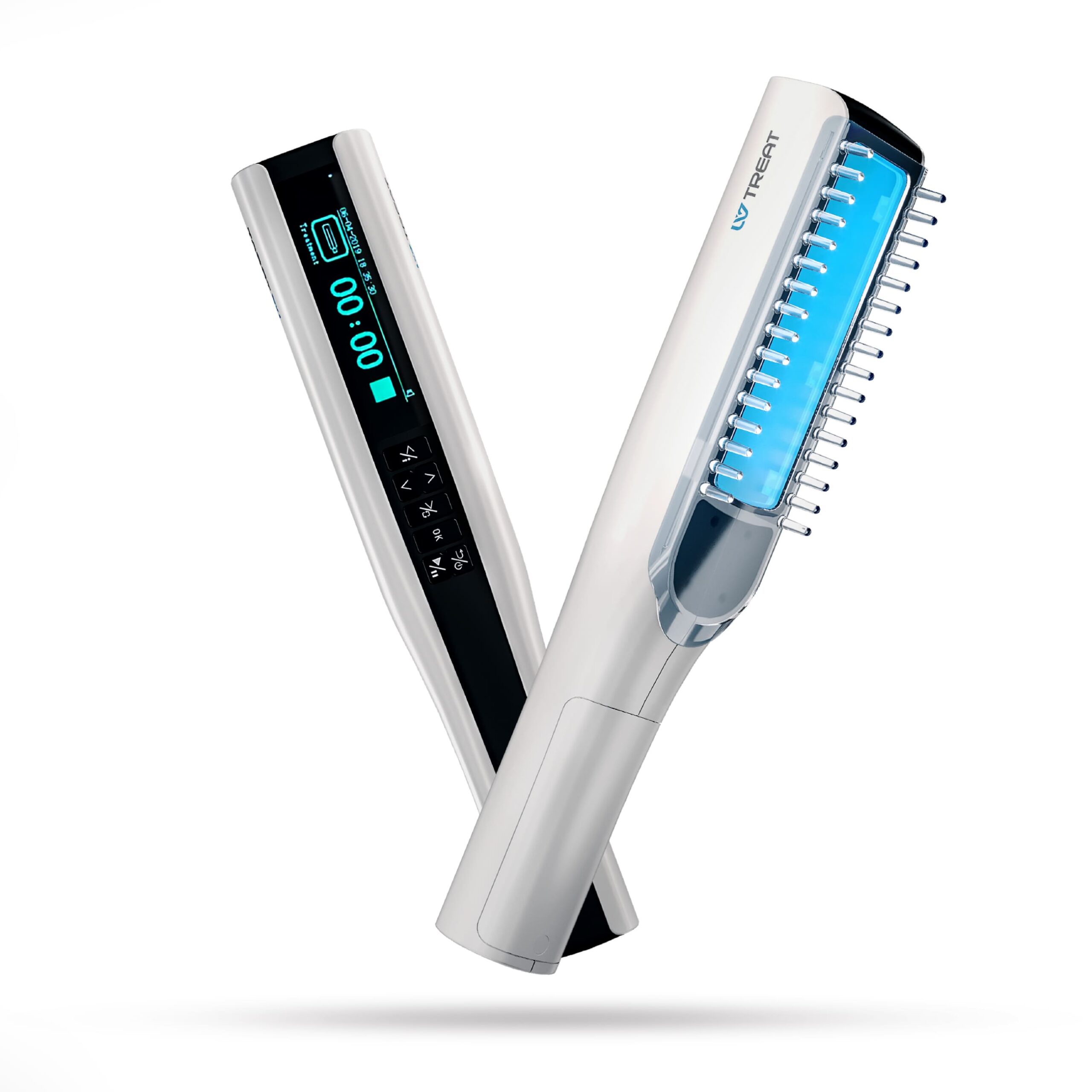
Ultraviolet (UV) phototherapy is thought of when the patient has moderate to severe eczema that is resistant even to topical treatments. While effective, this is associated with an augmented risk of skin cancer in the future, so great caution is called for.
Antihistamines
Over-the-counter antihistamines can be prescribed to reduce itching and swelling. If your symptoms are relentless, your doctor may prescribe immunosuppressants for you to keep severe inflammation under control.
Antifungal Treatments
In instances where one’s eczema is known to be caused by a fungal infection, there is a need for treatment with antifungals. Sometimes, some topical JAK inhibitors, such as Opzelura 1.5%, may be utilized twice a day for great relief among individuals aged 12 and above. [9]
Skincare Tips for Facial Eczema
Maintaining good skincare is often the key player to managing eczema:
Keep skin moisturized: Apply thick creams or ointments, such as Cetaphil or Vaseline, while the skin is still damp after washing the face.
Mild cleansers alone: Avoid soaps that strip water from the skin. Non-soap cleansers or emollient-type preparations are preferred.
Pat dry the face: Use a soft towel because further irritation may be caused by the roughness of the towel.
Avoid makeup on active flare-ups: Makeup can irritate eczema further and delay the healing process.
How to Choose the Right Products for Facial Eczema
When selecting skin care products, prioritize those that are:
Fragrance-free and dye-free
For sensitive skin.
Greasy or thick ointments or creams
Free from preservatives and stabilizers
Enriched with lipids and ceramides, which help take care of the skin barrier.
How Soon After Treatment Will I Feel Better?
It would take several weeks for flare-ups of eczema to clear upon proper treatment. The recovery can be accelerated by using prescribed creams, keeping moisturizers frequently, and avoiding any triggers. This will minimize flare-ups in the future by continuing regular skin care and avoiding known irritants.
What Can I Expect If I Have Eczema on My Face?
Eczema is a chronic condition that might flare up because of environmental triggers. Treatment may alleviate some symptoms, but the rest may take time to resolve completely. The application of unscented moisturizers will maintain hydration and thus reduce flare-ups.
Those who struggle with visible facial eczema often experience self-esteem issues. If emotional distress develops or symptoms worsen, consultation with your health professional is vital.
When Should I See My Healthcare Provider?
While some people can control facial eczema with self-care alone, others require medical assistance. [10] You should consult your doctor if you have any of the following:
Persistent or worsening itching
Extensive inflammation
Bleeding or oozing of the affected regions
Pain and swelling
Yellow crusts on the skin
Interrupted sleep due to discomfort
Confirmation of the diagnosis requires a dermatologist or allergist who, based on these symptoms, will make a detailed prescription plan, including over-the-counter and prescription medications. They can also help find out what acts as a trigger to minimize future flare-ups.
Questions to Ask Your Doctor
How can I prevent flares of eczema from occurring on my face?
What might have triggered my flare-up?
What are the most recommended moisturizers?
How often should I apply moisturizer?
Could I have food allergies?
Are there any side effects of medications that are prescribed for me?
When to See a Dermatologist
When over-the-counter eczema creams do not work, or the symptoms affect your sleep, concentration, and mood, you should definitely get dermatologist eczema advice. In case you have pain and oozing, and there is yellow crusting and fever, that is, infection signs, please consult a doctor right away.
The same applies if eczema on face is spreading, flare-ups are becoming more frequent, or new symptoms are appearing. Going to a dermatologist early helps in avoiding the occurrence of other diseases and the misuse of steroids and keeps your treatment going in the right direction for less inflamed and healthier skin.
Conclusion
Anyone can successfully keep facial eczema at bay by a thorough understanding of its hereditary, immune, and environmental factors. Early recognition of symptoms with proper skincare for eczema as well as medical interventions lowers the incidence of flare-ups and improves the condition of the skin.
The provision of gentle care will go a long way in preventing the skin from getting irritated and the symptoms worsening. Getting the help of a professional dermatologist when the symptoms are still there is the surest way of success in dealing with this long-lasting condition.
Yes, with treatment, symptoms may improve within a few weeks. However, eczema is a chronic condition, and symptoms do return. Prevent outbreaks by avoiding triggers and keeping the skin frequently moisturized.
Yes, Vaseline, or petroleum jelly, works by forming a protective barrier on the skin. According to one 2022 study, application of petroleum jelly is advised regularly to prevent dryness and irritation.
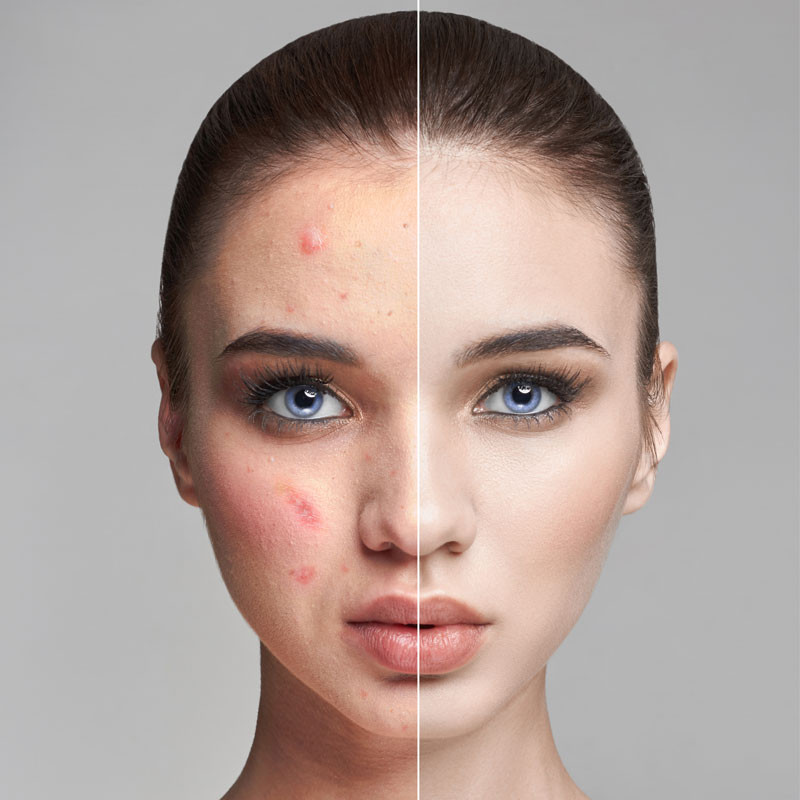
Facial eczema may be slight or severe. Symptoms include: Redness and swelling (inflammation)
Itchy skin
Discoloration – depending on skin color, red, purple, or brown patches
Flaky, scaly, dry patches
Wrinkles under the eyes
Small bumps or blisters
Soreness or discomfort
To provide the best experiences, we use technologies like cookies to store and/or access device information. Consenting to these technologies will allow us to process data such as browsing behavior or unique IDs on this site. Not consenting or withdrawing consent, may adversely affect certain features and functions.
Functional Always active
The technical storage or access is strictly necessary for the legitimate purpose of enabling the use of a specific service explicitly requested by the subscriber or user, or for the sole purpose of carrying out the transmission of a communication over an electronic communications network.
Preferences
The technical storage or access is necessary for the legitimate purpose of storing preferences that are not requested by the subscriber or user.
Statistics
The technical storage or access that is used exclusively for statistical purposes.The technical storage or access that is used exclusively for anonymous statistical purposes. Without a subpoena, voluntary compliance on the part of your Internet Service Provider, or additional records from a third party, information stored or retrieved for this purpose alone cannot usually be used to identify you.
Marketing
The technical storage or access is required to create user profiles to send advertising, or to track the user on a website or across several websites for similar marketing purposes.