HomeArticlesThe Economic Benefits of Installing Phototherapy in Clinics
Written byAnika Goel,MD; Board-Certified Dermatologist
Published on December 02, 2025
The Economic Benefits of Installing Phototherapy in Clinics
Introduction
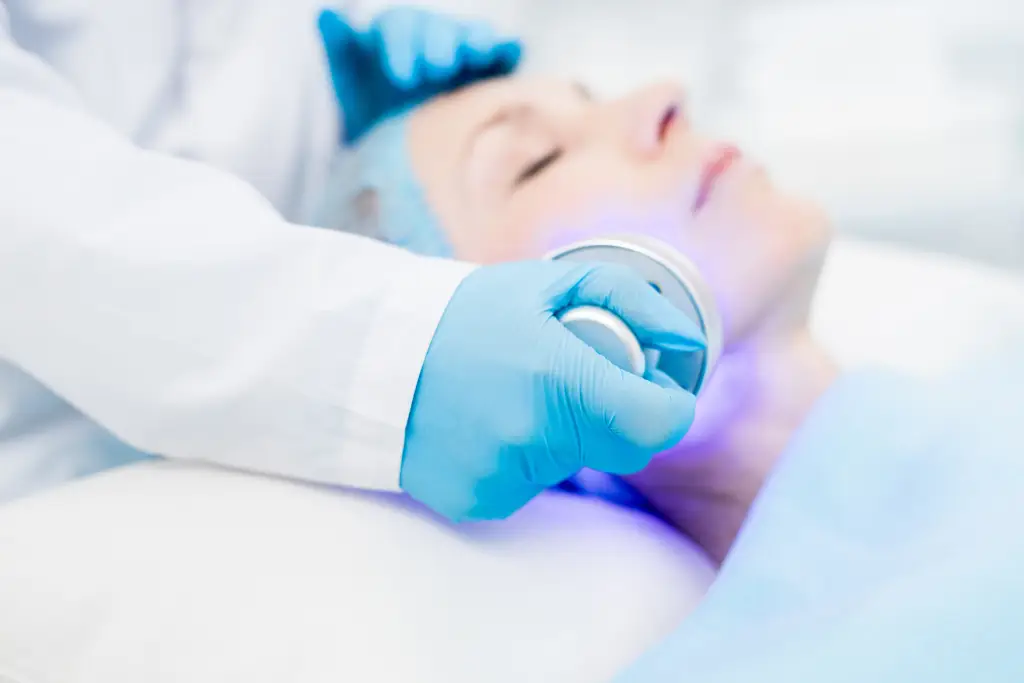
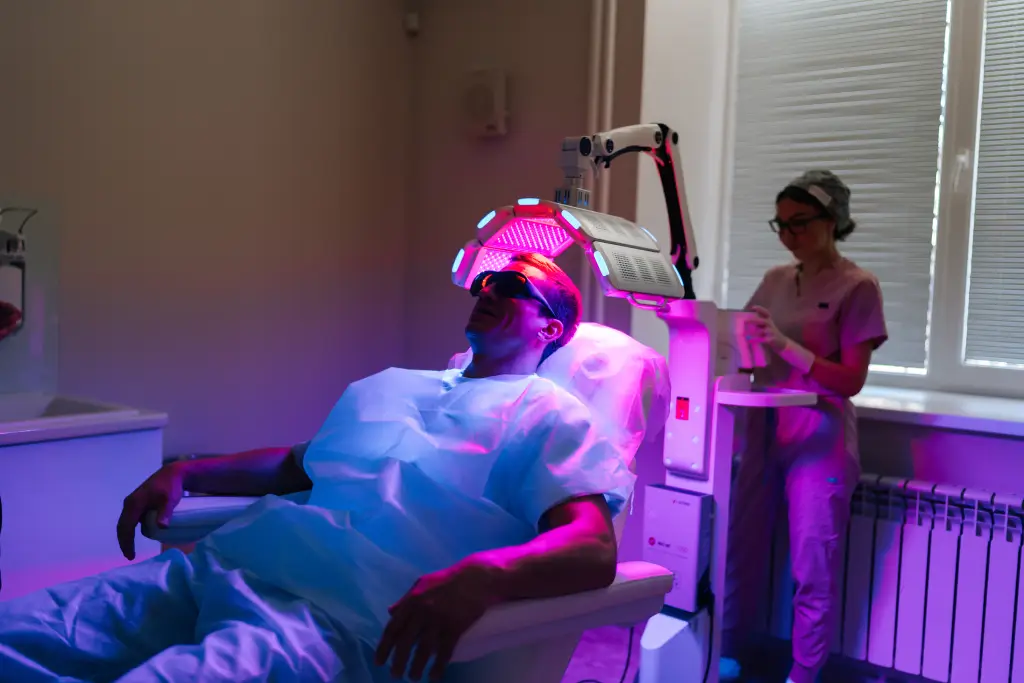
When clinics think about adding new services, the real question is simple: does it help patients, and does it make financial sense? Setting up a UVB light therapy clinic setup often satisfies both. The equipment is stable, doesn’t demand constant upgrades, and fits naturally into chronic-care routines.
What surprises many administrators is how quickly the economic benefits of phototherapy show themselves. Patients return consistently, schedules stay full without extra strain on staff, and the service ends up supporting people who want non-systemic care but never had a dependable option before.
Growing Demand for Phototherapy
More patients than ever are asking for alternatives to systemic medications. Psoriasis, eczema, and vitiligo are on the rise, and people want treatments that feel safe, predictable, and manageable long-term.
That’s why clinics offering UVB have become local magnets. Primary care doctors frequently refer patients to the nearest practice with functioning phototherapy equipment for clinics simply because they trust the outcomes. And for patients who prefer something gentler than oral immunosuppressants or biologics, phototherapy feels like relief in every sense — medical, emotional, and financial.
Initial Investment and Setup Costs
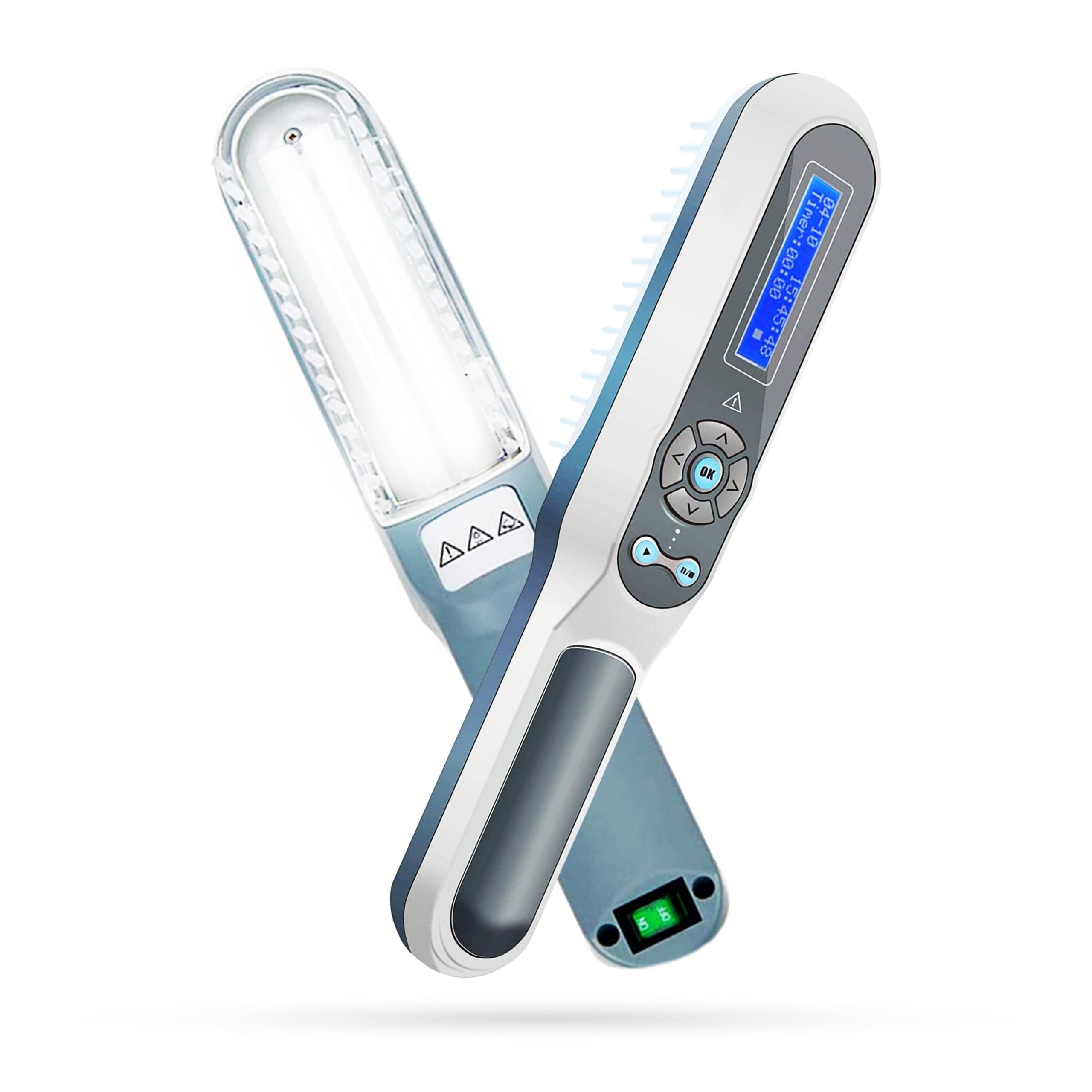
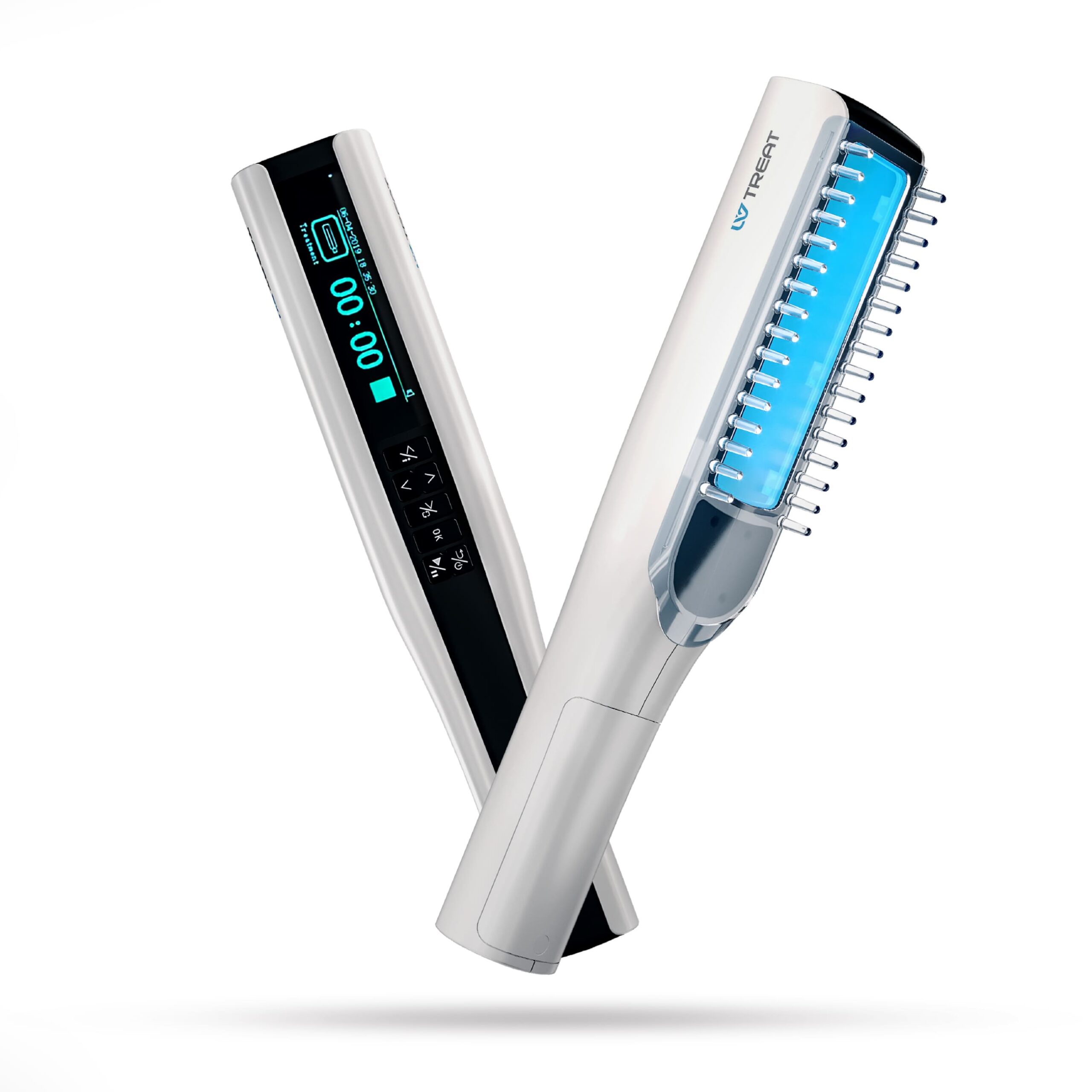
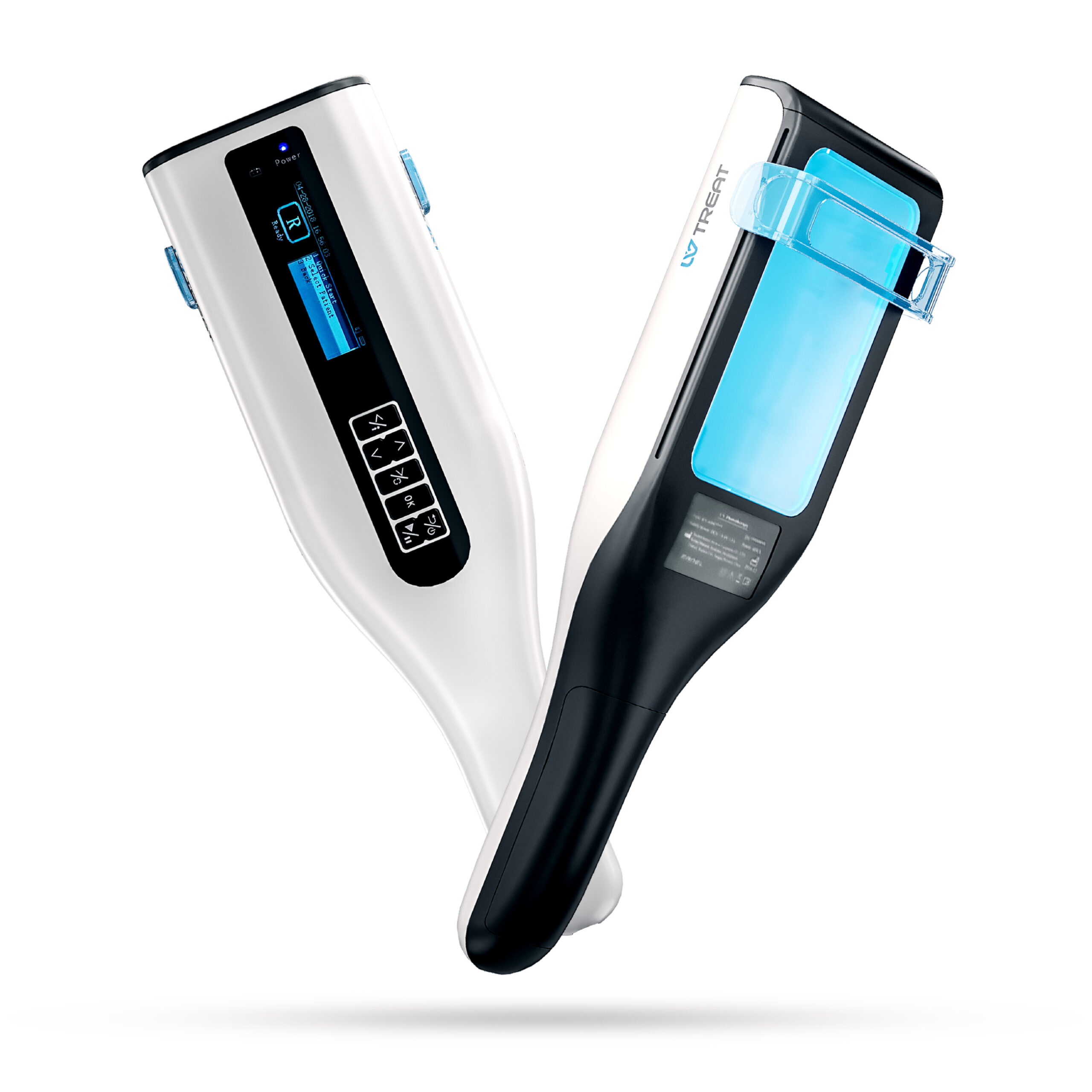
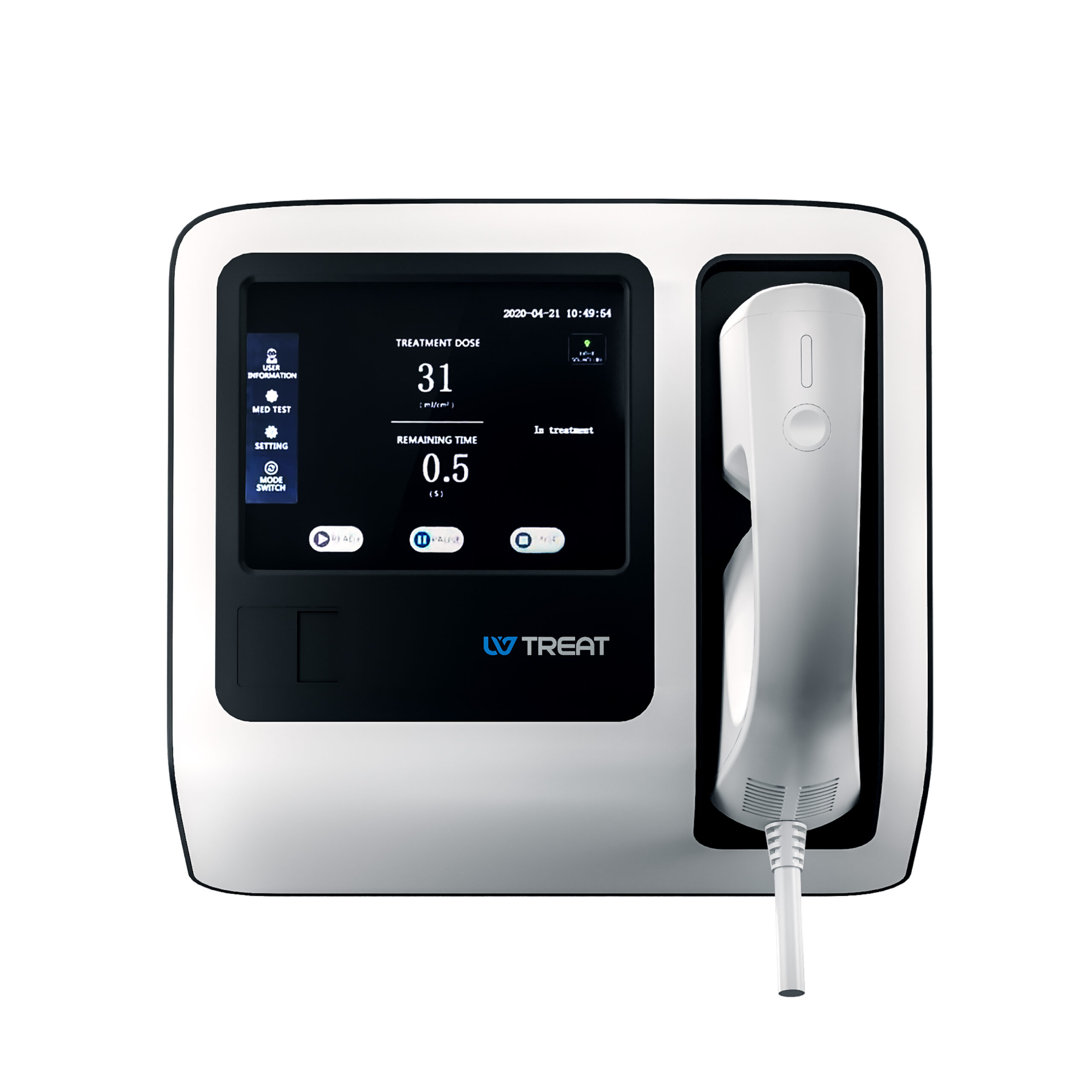
Setting up phototherapy is simpler than most expect: a narrowband UVB cabinet, a small room, ventilation, and basic protection. Installing phototherapy equipment is straightforward, and the UVB treatment room cost stays a one-time expense with minimal upkeep.
Staff training is the main prep — technicians learn dosing, erythema checks, and safety steps. With that foundation, the service runs smoothly.
Many clinics see phototherapy insurance coverage make the treatment self-sustaining early on, creating a steady, predictable workflow.
Revenue Opportunities
The financial side becomes clear once the schedule stabilizes. Phototherapy revenue comes from per-session visits, treatment packages, and consistent insurance reimbursement. Chronic dermatologic conditions require regular follow-ups — usually two to three times a week early on — which naturally keeps appointment slots full.
Insurance companies typically favor phototherapy because it reduces the long-term cost of expensive systemic drugs. When documentation is clean and workflows are consistent, reimbursement becomes one of the most stable income channels in a dermatology practice.
This is also where the broader economic benefits of phototherapy start to become visible: predictable income with low overhead.
Long-Term ROI
Clinics trust phototherapy ROI because it isn’t guesswork — it’s something they can actually see. Patients return regularly, schedules stay full, and the operating costs barely move. A UVB unit doesn’t need constant software patches, it doesn’t burn through consumables, and it isn’t tied to unpredictable drug pricing. It just works.
Many practices say their device pays for itself within months, and from then on, the revenue feels almost effortless. When administrators look at the full picture, the phototherapy business case becomes clear: a stable service with steady demand and none of the volatility that usually complicates long-term planning.
Competitive Advantage for Clinics
In many cities, only a handful of practices offer phototherapy, which gives early adopters a clear competitive edge. Patients actively search for treatment centers with UVB, and referring physicians prefer not to send people far from home.
Offering phototherapy in clinics also positions a practice as comprehensive — capable of treating chronic conditions with advanced equipment and thoughtful care. For patients tired of topical cycles and hesitant to start systemic therapy, this feels like an enormous relief, which often translates into loyalty and long-term trust.
Patient Benefits That Drive Economics
Phototherapy’s gentle profile leads to better adherence, fewer side effects, and lower spending on systemic drugs. When patients feel safe and supported, they keep coming — and that steady routine strengthens outcomes while naturally stabilizing clinic revenue.
Insurance and Reimbursement
Insurance coverage is one of the strongest economic advantages here, and it’s a big part of what shapes a stable ROI phototherapy clinic experience. Most insurers classify phototherapy as medically necessary for moderate psoriasis, eczema, and vitiligo, which keeps reimbursement smooth and predictable.
When clinicians document dosing schedules, diagnosis codes, and treatment frequency, payments rarely stall. For administrators used to constant battles over biologics, phototherapy feels almost effortless — a calm, steady reimbursement flow instead of a weekly struggle.
Example Scenario
A dermatology clinic with steady patient traffic installs a narrowband UVB cabinet. The upfront costs are simple: the device itself (often in the $8,000–$18,000 range, though some units run higher), a small room conversion that usually stays under $3,000–$5,000, and brief staff training. At first, they see just a few referrals. By the third month, the schedule is comfortably full.
By the halfway mark of the year, the phototherapy ROI is already complete. The cost-benefit of phototherapy becomes obvious: minimal upkeep, predictable patient flow, and a service that quietly pays for itself even faster in high-volume clinics. Consistent phototherapy reimbursement adds another layer of stability, turning the unit into a dependable revenue stream. Patients keep coming two or three times a week, settling into a rhythm that strengthens both clinical outcomes and the financial health of the practice.
Challenges and Considerations
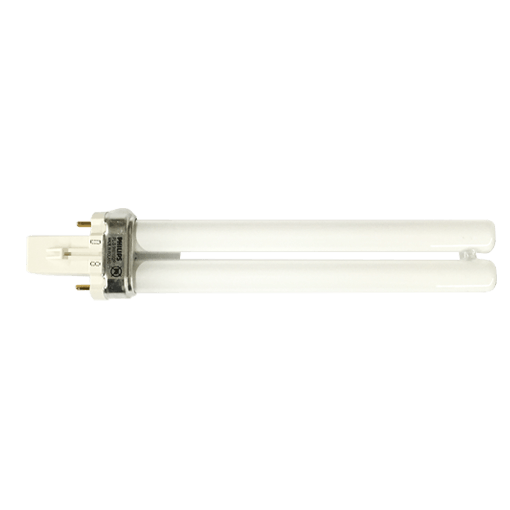
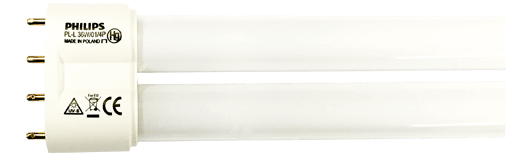
Every treatment comes with its own set of realities. Even after installing phototherapy equipment, clinics still need regular calibration, dependable bulbs, and strict attention to safety protocols. Staff must know how to manage photosensitivity risks and adjust dosing for different skin types so treatments stay both effective and safe.
There are also the small, everyday hurdles: insurance coding that needs to be exact, peak-hour scheduling, and patient flow that occasionally gets chaotic. But once a clinic builds clear protocols, phototherapy often becomes one of the most predictable parts of the workflow — a steady contributor to dermatology clinic profitability rather than a source of stress.
Conclusion
When clinics shift from quick fixes to steady growth, the economic benefits of phototherapy stand out immediately. It delivers high patient satisfaction, predictable reimbursement, and low operating costs without demanding constant staff time.
That’s why many practices treat UVB as a long-term phototherapy investment — a simple, reliable service that brings patients back, strengthens trust, and quietly supports the clinic’s financial stability.
Share
Frequently Asked Questions – FAQs
Most clinics see phototherapy ROI within months, especially once referral flow stabilizes.
Yes. Phototherapy reimbursement is one of the most predictable income streams in dermatology when documentation is clean.
Not at all. Bulbs last long, maintenance is minimal, and staff workflows stay simple, which keeps expenses low and margins steady.
To provide the best experiences, we use technologies like cookies to store and/or access device information. Consenting to these technologies will allow us to process data such as browsing behavior or unique IDs on this site. Not consenting or withdrawing consent, may adversely affect certain features and functions.
Functional
Always active
The technical storage or access is strictly necessary for the legitimate purpose of enabling the use of a specific service explicitly requested by the subscriber or user, or for the sole purpose of carrying out the transmission of a communication over an electronic communications network.
Preferences
The technical storage or access is necessary for the legitimate purpose of storing preferences that are not requested by the subscriber or user.
Statistics
The technical storage or access that is used exclusively for statistical purposes.The technical storage or access that is used exclusively for anonymous statistical purposes. Without a subpoena, voluntary compliance on the part of your Internet Service Provider, or additional records from a third party, information stored or retrieved for this purpose alone cannot usually be used to identify you.
Marketing
The technical storage or access is required to create user profiles to send advertising, or to track the user on a website or across several websites for similar marketing purposes.