Best Shower Temperature for Your Skin: UVTREAT Guide
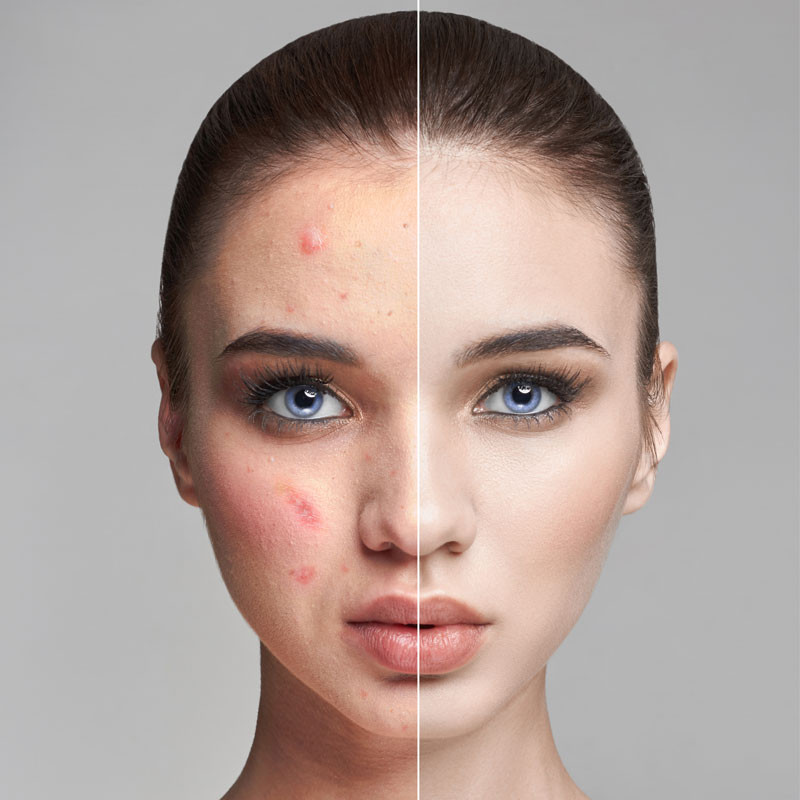
Knowing how the shower temperature skin affects your complexion is essential to having healthy skin. Many people shock their skin barrier by showering with hot water, which may lead to dryness, irritation, and even premature aging. This guide explores the science behind water temperature skincare.
How Water Temperature Affects the Skin
Sebum glands release natural oils that cover the skin surface, thus forming a protective layer. Water temperature determines how many of these natural oils are removed from the skin. Learning this allows you to take the right steps in your shower routine for skin health.
The exercise aims to find the water temperature that will clean skin effectively and at the same time keep the skin barrier intact. A well-functioning skin barrier protection will help the skin to stay strong against pollutants, and it will be able to keep a good level of hydration.
Hot Water Effects on Skin
Hot water effects on skin are among the causes of skin troubles. One of the hot shower effects is the removal of the skin’s natural oils that help to make the skin soft and moisturized; thus, after quick drying of the skin, it will be tight and flaky.
The heat also causes swelling and opens up blood vessels, which may result in redness and a feeling of warmth. People with sensitive skin, rosacea, eczema, or psoriasis, who already have a compromised skin barrier, thus experience symptoms of itching and inflammation.
The skin barrier becomes weaker, with the skin being more vulnerable to environmental damage, allergens, and bacteria through long-term exposure to high temperatures.
Cold Showers: Pros and Cons
The effects of cold showers on skin have mixtures of pros and cons. Pore tightening and swelling reduction can be achieved by cold water, but these benefits last for a short time. With the removal of oils, dirt, and skincare products, a cold shower cannot adequately cleanse the skin. What is good for the skin is the temporary appearance of a glow through blood circulation stimulation.
There are people with certain health conditions who should never even consider a cold shower, as it can put more pressure on their heart unnecessarily. The right way is to find a balance between cleansing and shielding the skin.
What Dermatologists Recommend
Dermatologist shower advice consistently points to the use of lukewarm water as the best shower temperature for skin health. The optimal range lies between 98°F and 105°F (37°C to 40°C).
Your skin would not feel like it is dry or tight after showering, which shows that the skin’s natural moisture has been preserved. This temperature also regulates the inflammatory process as well as the redness. The matter of consistency is very important—keeping it at this level will also help maintain the moisture balance in the long run.
Tips for Healthy Showering Habits
Healthy shower habits extend beyond temperature. Keep the duration of the shower between 5 and 10 minutes since long water exposure greatly weakens the skin barrier. Not everyone is obliged to take a daily shower, as some people will be better off taking a shower every second day, especially in the winter period when indoor heating dries the skin.
Use cleansers that are gentle and free from fragrance to respect your skin’s pH balance, and refrain from using harsh soaps. Do not forget to apply moisturizers as soon as you have rinsed, within 3 minutes, to retain water when your skin is still damp. This maximizes skin hydration and recovers from minor damage caused by the cleansing process.
Best Shower Routine for Skin Hydration
The best shower routine will call for a staged technique. Put a gentle and moisturizing body wash on the skin, which should be wet, and use your hand or a soft towel to apply it. Do not harshly rub your skin. Thoroughly clean your body, which should include underarms, feet, and groin, the parts that sweat the most, and at the same time, use the least amount of the product on the naturally drier areas such as arms and legs.
Remove all the soap by rinsing thoroughly. After the shower, pat your skin lightly with a soft towel, and at once, apply oil or a moisturizer application. Finish. For dry skin shower tips, you might want to put a hydrating serum under your moisturizer to be sure that you have enough nourishment.
Conclusion
Optimal shower temperature for skin health is something a person has to keep in mind if he/she wants to have healthy skin. The effect of water temperature on your skin should be known if one is to keep skin healthy during a shower. Choosing a lukewarm shower (normally between 98°F and 105°F) is a good way of getting the skin clean without giving in to the barrier function. Your shower routine becomes a skin-supporting ritual when you limit shower duration, use gentle products, and apply moisturizer right after. Consistency is important; making these changes permanent is the way to long-term skin health and vitality.
Share
Frequently Asked Questions – FAQs
Yes, hot water can strip away natural oils and lead to dryness and irritation.
Limit your showers to 10-15 minutes to avoid stripping your skin of its natural oils.
Yes, adjusting for different temperatures outside is important for maintaining comfort and skin health.
Studies show that a temperature of 52 degrees C (125 degrees F) can cause a full-thickness skin burn in 2 minutes and a temperature of 54 degrees C (130 degrees F) can result in a full-thickness skin burn in 30 seconds.
Dermatologists agree—the perfect shower temperature sits between 98°F (37°C) and 104°F (40°C), but don’t crank it past 105°F (41°C)! Lukewarm water strikes the ideal balance, keeping you cozy while maintaining your body temperature. Plus, it lets you enjoy the best of both hot and cold showers without overdoing it.
To provide the best experiences, we use technologies like cookies to store and/or access device information. Consenting to these technologies will allow us to process data such as browsing behavior or unique IDs on this site. Not consenting or withdrawing consent, may adversely affect certain features and functions.
Functional
Always active
The technical storage or access is strictly necessary for the legitimate purpose of enabling the use of a specific service explicitly requested by the subscriber or user, or for the sole purpose of carrying out the transmission of a communication over an electronic communications network.
Preferences
The technical storage or access is necessary for the legitimate purpose of storing preferences that are not requested by the subscriber or user.
Statistics
The technical storage or access that is used exclusively for statistical purposes.The technical storage or access that is used exclusively for anonymous statistical purposes. Without a subpoena, voluntary compliance on the part of your Internet Service Provider, or additional records from a third party, information stored or retrieved for this purpose alone cannot usually be used to identify you.
Marketing
The technical storage or access is required to create user profiles to send advertising, or to track the user on a website or across several websites for similar marketing purposes.