HomeArticlesClinical Safety Audits in Phototherapy: What Inspectors Look For
Written byAnika Goel,MD; Board-Certified Dermatologist
Published on April 21, 2026
Clinical Safety Audits in Phototherapy: What Inspectors Look For
Any dermatologist who has prescribed narrowband UVB, PUVA, or excimer therapy knows the margin between a therapeutic dose and a burn is thin. UV radiation treats psoriasis, vitiligo, eczema, and mycosis fungoides precisely because it changes cell behavior – and that biological potency demands careful control (1). Under U.S. federal regulations, phototherapy lamps fall into the FDA’s Class II device category (21 CFR 878.4630), which means 510(k) clearance, Quality System Regulation adherence, and medical device reporting are not suggestions – they are legal requirements (2). Sale of these units is restricted to physicians and licensed distributors by statute (3).
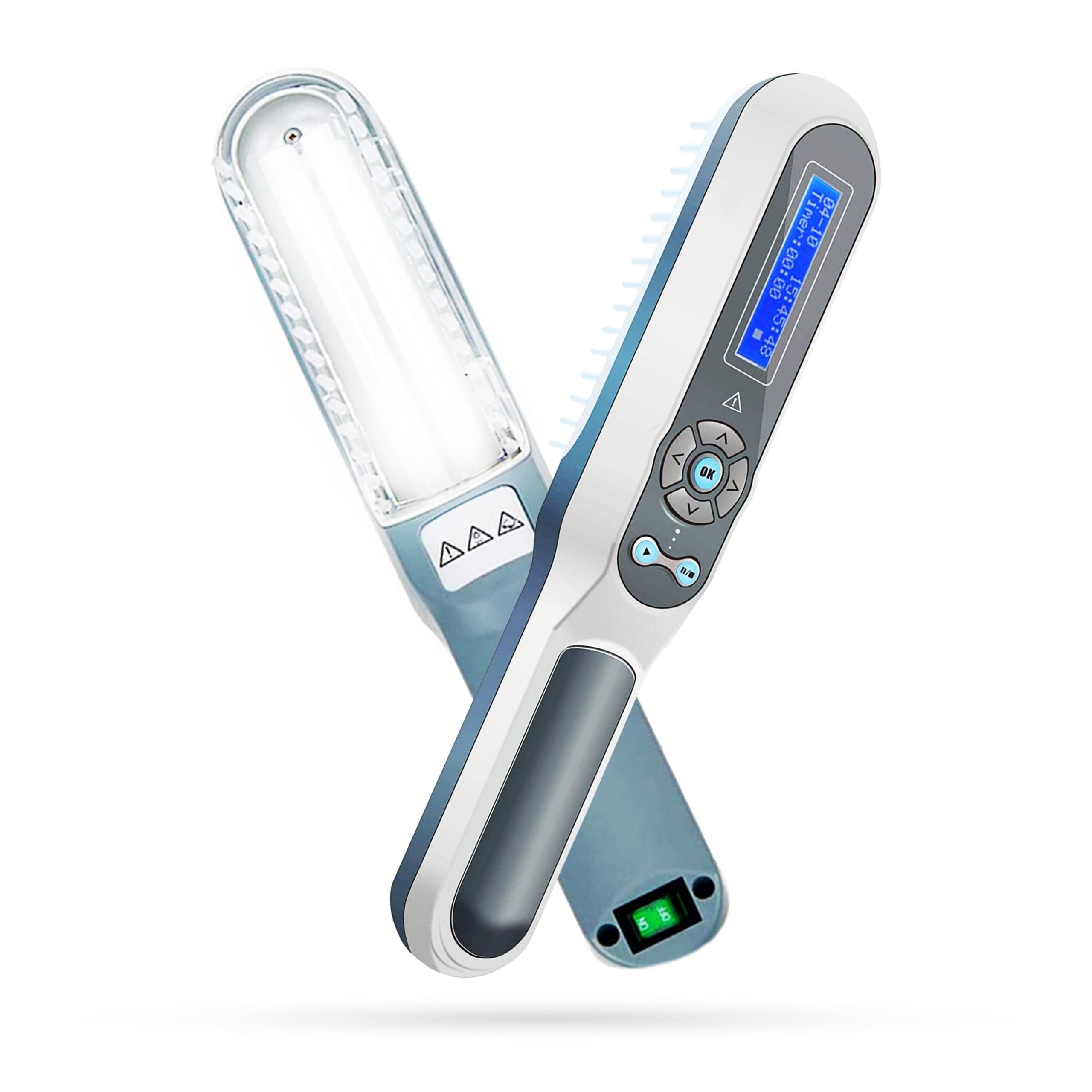
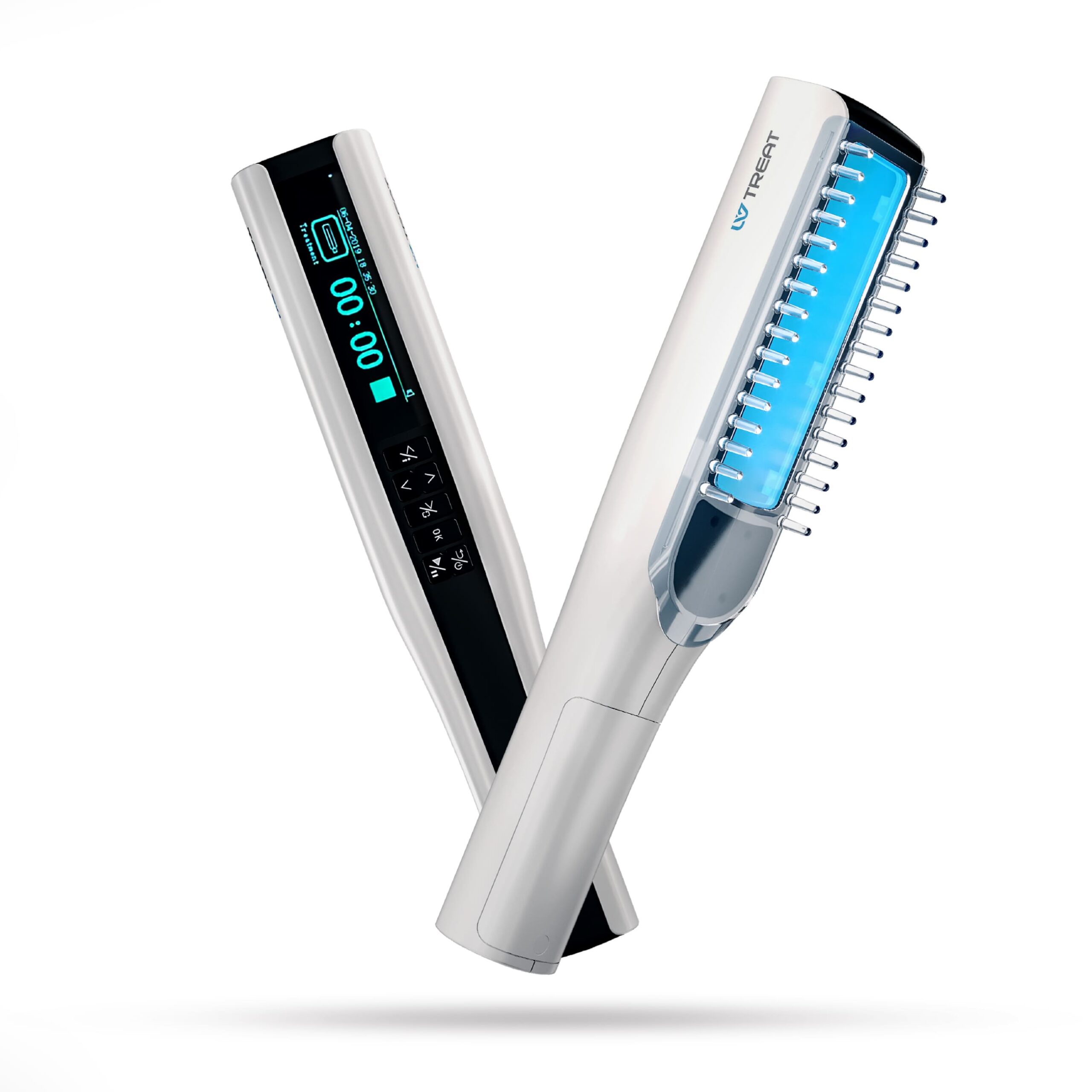
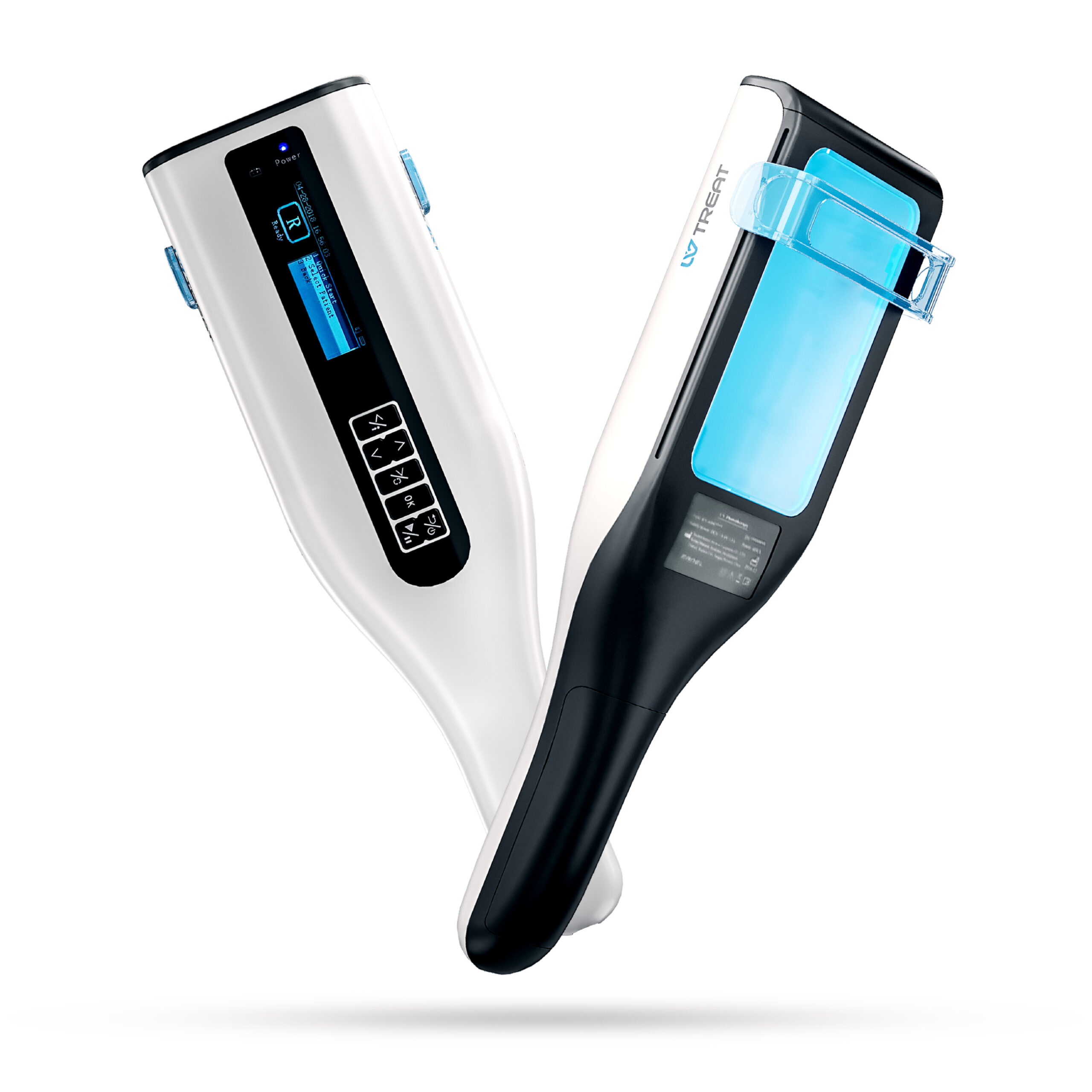
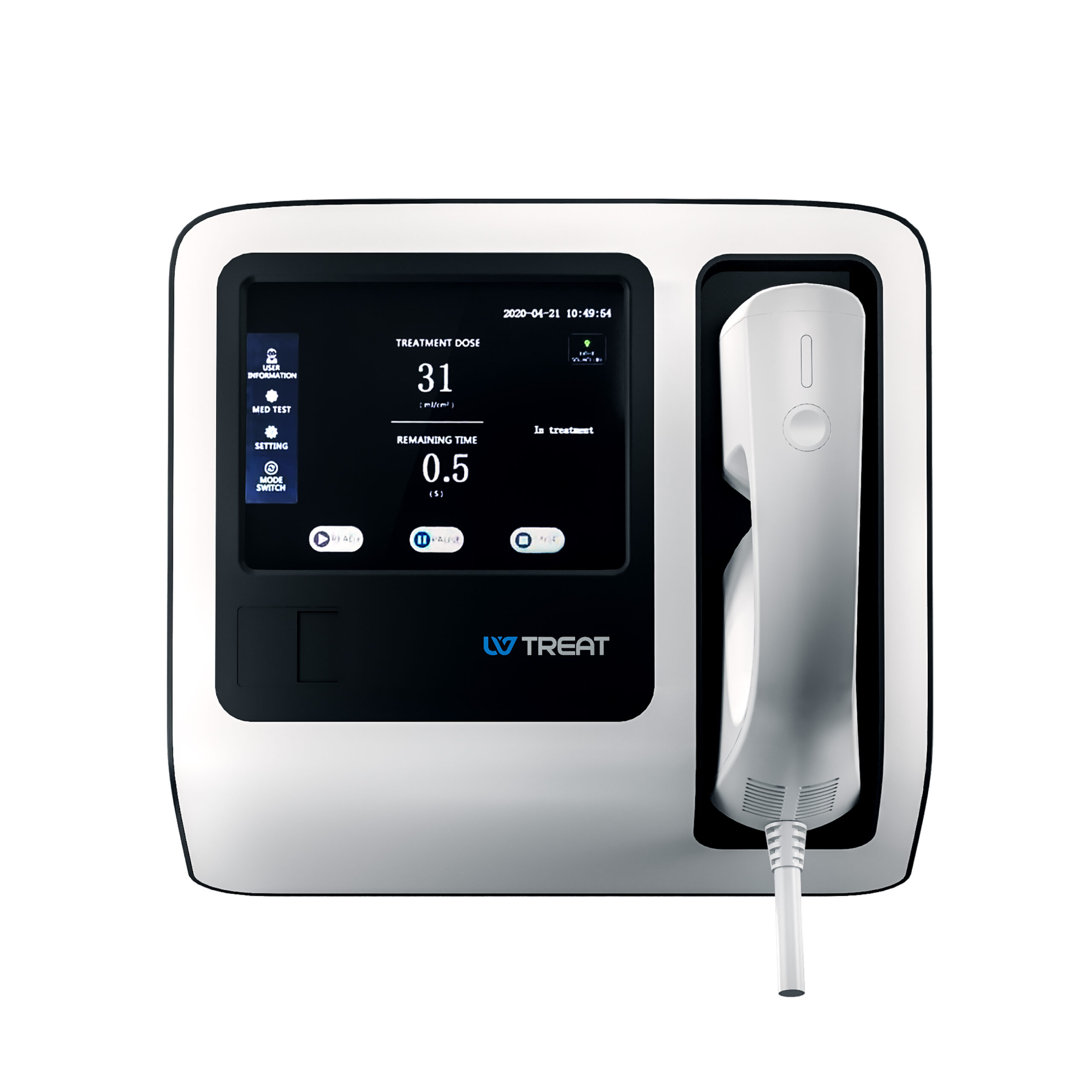
So what happens when someone walks into your clinic to check whether all of this is actually being done correctly? That is what a clinical safety audit phototherapy answers. For practices building or maintaining a phototherapy service, understanding the audit process is not academic – it is how you stay out of trouble. UVTREAT, a U.S.-based distributor of FDA-cleared narrowband UVB systems, supplies the documentation and calibration support that helps clinics meet phototherapy safety standards before an auditor ever shows up.
Why Phototherapy Audits Matter
Nobody audits a phototherapy unit just to see if the lights turn on. The point is to trace the full path from prescription to skin – dosimetry calculations, treatment delivery, protective measures, and the paper trail behind all of it.
Why does this matter so much? Because dosimetry in phototherapy is less reliable than most clinicians assume. A British Photodermatology Group analysis grouped the variables into three buckets: equipment performance, measurement accuracy, and human factors like patient skin type and clinic workflow (4). Independent testing has revealed significant dosimetry discrepancies between centres, often caused by poorly calibrated radiometers or spectral mismatch between the meter and the lamp (5).
The legal consequences in the U.S. are real and documented. Barnawi et al. published the first systematic review of phototherapy malpractice cases across North America, covering court decisions from 1983 through 2025. Dosing errors, missing consent, and failure to shield untreated areas accounted for 73% of the claims (6). What stood out: courts treated a gap in the consent record as negligence on its own, separate from whether the actual treatment was done properly. Physicians were also held responsible for staff mistakes – a nurse forgetting goggles or skipping the dosimetry log could become the doctor’s legal problem (6).
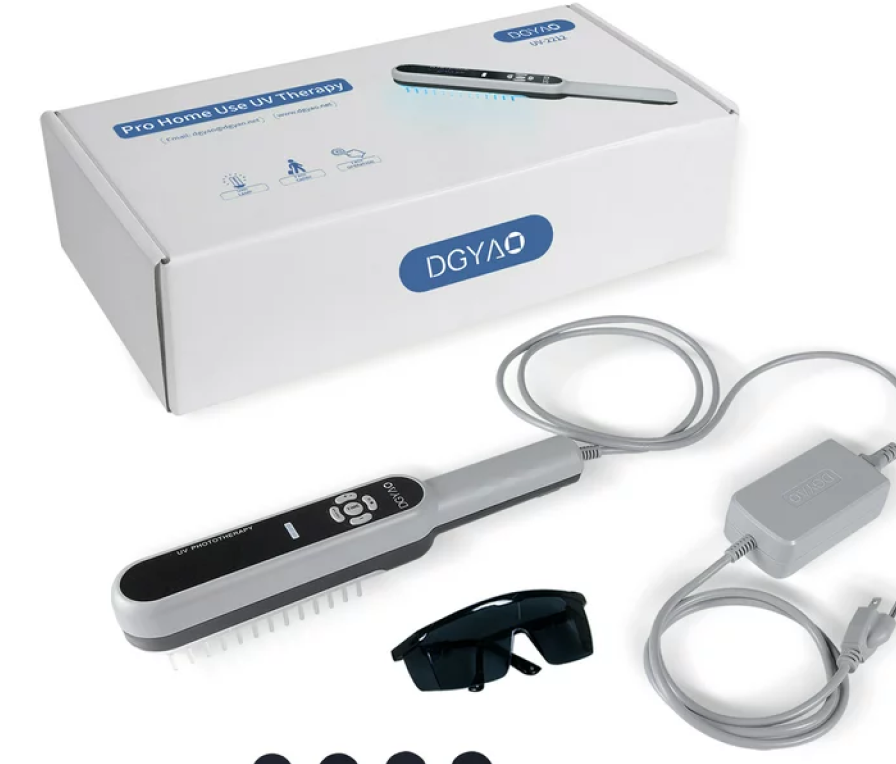
FDA adverse event data paints a similar picture. Between 2013 and 2023, the MAUDE database logged 59 UV phototherapy device reports. Burns dominated. Home-use incidents far outnumbered clinic-based ones, and over three-quarters of home light box complaints traced back to devices sold by online retailers without proper oversight (7).
What Inspectors Actually Check
So what do inspectors check in phototherapy practices across the U.S.? There is no single national checklist the way the British Association of Dermatologists has with its SGSP framework (8). Instead, American clinics face a patchwork: FDA device rules, OSHA workplace safety, state medical boards, and accreditation standards from bodies like the Joint Commission or AAAHC. Different agencies, same questions.
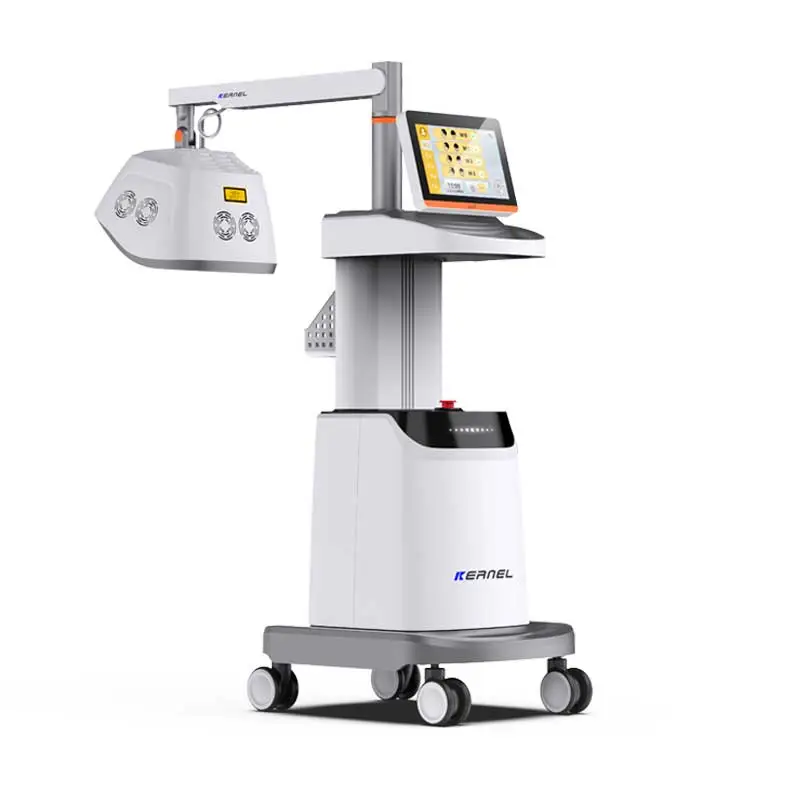
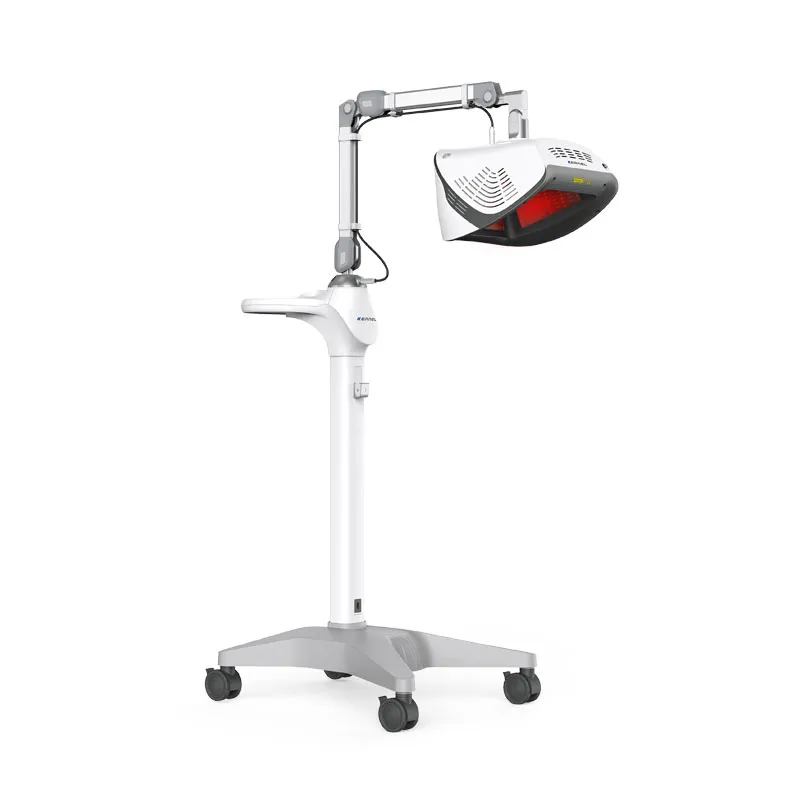
The first thing any auditor examines is whether your phototherapy devices are in proper working order and correctly calibrated. Old lamps lose output unevenly, creating hot and cold spots inside the cabinet that throw off dose calculations (9). Auditors want to see a lamp replacement log, proof that phototherapy equipment calibration happens on a set schedule, and – critically – evidence that the radiometer used for those measurements has its own traceable calibration. If the meter is off, every reading it ever produces is suspect (4).
A 2024 UK survey revealed that 16% of phototherapy units still started patients based on Fitzpatrick skin type rather than running an actual MED test (10). The AAD–NPF psoriasis guidelines treat MED-based dosing as the standard approach (11). Any U.S. practice skipping this step is exposed – both clinically and legally.
On treatment protocols, auditors look for a signed, dated document specifying how starting doses are calculated, how escalation works, what the cumulative limits are, and when to stop. The AAD–NPF guidelines recommend NB-UVB two to three times weekly, with three-session protocols reaching clearance around day 58 versus day 88 for twice-weekly treatment (11). A protocol with no review date referencing old guidance is a red flag.
Patient consent and safety come next. Did the patient sign off? Were goggles issued? Was genital shielding offered to male patients, given the known cancer risk from cumulative genital UV exposure (12)? Was the face covered when it was not being treated? Barnawi’s malpractice review found that courts do not care how well the treatment itself went if the consent form is missing (6).
Staff training has to be on paper, not just in people’s heads. OSHA has no specific UV exposure limit, but the General Duty Clause still applies – your clinic must be free of recognized hazards (13). ACGIH publishes threshold guidance for occupational UV exposure that most institutions reference. Anyone running phototherapy equipment or stepping inside a lit cabinet for dosimetry needs training records covering device operation, safety measures, and what to do when something goes wrong (1). The BAD/BPG guidelines set the bar at supervised initial training, yearly review, and a formal course every three years (12) – not binding here, but increasingly cited when U.S. courts define reasonable practice.
And documentation holds it all together. Every session logged. Every calibration recorded. Every incident reported. If the record does not exist, for audit purposes the action did not happen.
Common Problems Found During Audits
The failures that come up again and again are rarely about a single broken lamp. They are organizational. A Welsh audit found that only 71% of phototherapy centres had a named lead clinician (14). In a UK-wide review, 5% of units were running without any medical physics oversight of UV output, and one in five had no specialist dermatology nurse (15). British adverse event data ranked phototherapy dosage errors as the second most common category in all of dermatology (16). A nursing adherence study clocked compliance with phototherapy standards at 58.7% (17). The root cause in every case was the same: no system, no accountability, no records.
How to Prepare for a Phototherapy Audit
The question of how to prepare for a phototherapy audit has a simple answer: do not wait for it. Run the service as if one is happening tomorrow.
Check every device – calibration certificates, lamp logs, maintenance records. Make sure the radiometer has current traceable calibration. UVTREAT provides this documentation with each FDA-cleared system, which simplifies the equipment side considerably.
Match your protocols to current AAD–NPF (11) and BAD/BPG (12) guidelines. Date them, sign them, and keep old versions on file. Pull 10 random patient charts and verify that consent, treatment logs, and adverse event notes are all present. Check every staff member’s training folder.
Conclusion
UV therapy audit is not paperwork exercises. They exist because the clinical use of phototherapy carries real risk when the delivery system has gaps – in calibration, in documentation, in training, in oversight. Under U.S. rules shaped by the FDA, OSHA, and the AAD, phototherapy compliance is where clinical quality begins. The practices that pass audits easily are the ones running a tight operation every day, not just the week before inspection.
A full checkup of your phototherapy service - equipment, calibration, consent records, staff training, treatment protocols - all measured against published standards (8).
Depends on the setting. Could be Joint Commission or AAAHC surveyors, state health department inspectors, medical physicists, or FDA investigators. In the UK, the BAD runs self-assessment audits through professional associations (8).
Most guidance calls for routine irradiance checks on a fixed schedule - monthly or quarterly - with the radiometer itself sent for traceable recalibration at least once a year (4, 9).
Most guidance calls for routine irradiance checks on a fixed schedule - monthly or quarterly - with the radiometer itself sent for traceable recalibration at least once a year (4, 9).
Session-by-session treatment logs, signed consent, calibration certificates with traceability, lamp replacement records, maintenance logs, staff training proof, a dated protocol, and incident reports (8, 9).
To provide the best experiences, we use technologies like cookies to store and/or access device information. Consenting to these technologies will allow us to process data such as browsing behavior or unique IDs on this site. Not consenting or withdrawing consent, may adversely affect certain features and functions.
Functional
Always active
The technical storage or access is strictly necessary for the legitimate purpose of enabling the use of a specific service explicitly requested by the subscriber or user, or for the sole purpose of carrying out the transmission of a communication over an electronic communications network.
Preferences
The technical storage or access is necessary for the legitimate purpose of storing preferences that are not requested by the subscriber or user.
Statistics
The technical storage or access that is used exclusively for statistical purposes.The technical storage or access that is used exclusively for anonymous statistical purposes. Without a subpoena, voluntary compliance on the part of your Internet Service Provider, or additional records from a third party, information stored or retrieved for this purpose alone cannot usually be used to identify you.
Marketing
The technical storage or access is required to create user profiles to send advertising, or to track the user on a website or across several websites for similar marketing purposes.