A man notices dry, flaky patches on his penis. The skin itches. Maybe it cracks a little. And the first thought is almost always the worst one — is this an STI? In clinical practice, that fear drives more office visits than the condition itself. The clinical reality, however, is reassuring — eczema on penis has no infectious etiology, poses no systemic danger, and responds to established treatment protocols in the majority of presentations.
It is not rare, either. A 2021 multicenter study by Woo et al. found that nearly 45% of atopic dermatitis patients had experienced genital eczema at some point (1). The true number is probably higher — genital skin gets skipped during routine exams, and patients feel awkward mentioning it.
What Is Penile Eczema
Penile eczema belongs to the family of inflammatory dermatoses. No bacteria, no fungus, no virus drives it. The underlying process behind dermatitis penis is a malfunction in the skin’s own defense system — the barrier breaks down, moisture escapes, irritants get in, and the immune system overreacts. T-cell mediated inflammation damages the already compromised epidermis, and the cycle feeds itself.
Genital skin is particularly susceptible. Compared to the forearm, penile skin is thinner, absorbs topical agents faster, and loses water more readily. Published measurements confirm that genital epithelium has one of the weakest barrier functions of any body site (2). That is why the same soap causing no trouble on a man’s arms can trigger a full-blown flare below the belt.
Several types of dermatitis show up here. While atopic eczema receives the most public attention, Cleveland Clinic data indicates that irritant contact dermatitis and allergic contact dermatitis account for a larger share of penile presentations (6). Seborrhoeic dermatitis completes the differential among eczematous conditions in this area (3). Across subtypes, loss-of-function mutations in the filaggrin gene — critical for stratum corneum integrity — represent the most well-characterized heritable risk factor (4).
Eczema on genitals males rarely stays confined to the penis. The scrotum, inguinal folds, and perianal skin are frequently involved. Scrotal eczema in particular often accompanies penile involvement.
Symptoms and Causes
Itch dominates. Not mild annoyance — a persistent, nagging urge that wrecks concentration during the day and sleep at night. Survey data puts the number at 86% of eczema patients experiencing daily itch (5). On genital skin, where nerve endings are dense and clothing creates constant friction, it becomes genuinely debilitating.
Visual presentation varies with skin tone — a point that gets overlooked constantly. Fair-skinned patients see redness. In darker complexions, the same inflammation looks brown, purplish, gray, or ashen (6). A man with dark skin searching for “red rash on penis” may dismiss eczema entirely if his rash is not red, delaying care unnecessarily.
Additional clinical features include xerotic scaling, papular eruptions, and surface roughening with progressive textural change. Chronic scratching produces lichenification. When skin cracks open in bad flares, bacteria move in. That is when pain enters the picture. Eczema itself is painless — pain means the skin is broken or infected, and it changes the plan (6).
What provokes flares? Always a genetic foundation — family history of eczema, asthma, hay fever, or allergies raises susceptibility. On top of that baseline, specific exposures push things over the edge. Soaps and shower gels top the list. The National Eczema Society flags antiseptic washes, talcum powder, wet wipes, deodorants, and shampoo rinsing over the groin (3). Latex condoms provoke allergic contact dermatitis in sensitized men. Delay sprays and spermicidal lubricants cause documented irritant reactions on penile skin (6)(7). Tight synthetic underwear traps heat and moisture. Stress amplifies everything by upregulating the immune pathways that sustain skin irritation male genitals (6).
Eczema vs Other Conditions
Getting the diagnosis wrong here carries consequences. Corticosteroids suppress eczematous inflammation but simultaneously create a permissive environment for fungal growth. Antifungals clear dermatophyte infection but have no anti-inflammatory activity against atopic disease. When the wrong agent is selected empirically — a common outcome of unsupervised self-treatment — the underlying condition progresses over weeks before the patient presents for formal evaluation.
Tinea cruris — jock itch — produces a ring-shaped rash with a well-defined, slightly raised border. It spreads outward. Eczema does not behave that way. Candidal balanitis, a yeast overgrowth on the glans, tends to produce a shiny redness with a thick, whitish discharge that eczema does not mimic (8). Genital psoriasis creates smooth, moist-looking plaques and itches less than eczema (9). Herpes presents with grouped vesicles that rupture into painful shallow ulcers. Syphilis starts with a single, painless, indurated chancre. Neither looks like dry, scaly, itching penis skin (8).
There is also a newer concern. In 2024, dermatologists in the United States reported cases of a sexually transmitted dermatophyte called Trichophyton mentagrophytes genotype VII. The lesions it produces can look almost identical to eczema. The giveaway? They get worse when you apply topical steroids (10). That single clinical clue — a genital rash worsening on steroid cream — should be enough to prompt fungal culture and reassessment.
No article replaces a proper clinical evaluation. Patch testing, STI panels, KOH prep, biopsy when needed — these separate one genital dermatosis from another.
Treatment and Home Care
Managing genital eczema treatment follows a logical hierarchy. Start with basics. Escalate when basics fail. Our eczema treatment guide covers the general framework; genital skin demands a few modifications.
Foundation: emollients and eliminating irritants. Petroleum jelly, Aquaphor, fragrance-free ointments — these work. Soap does not. The National Eczema Society recommends washing genital skin with lukewarm water and an emollient substitute, nothing else (3). Good skincare for sensitive skin is not optional here. Ointments outperform creams in this area — fewer allergens, better adherence to non-hair-bearing skin (3). After washing, pat dry. Never rub.
When active inflammation needs suppression, low-potency topical corticosteroids are the standard first step. Hydrocortisone is the usual choice for genital skin. The thinner epidermis absorbs these agents at much higher rates than arm or leg skin, so stronger preparations carry a real risk of local side effects. Once-daily application for limited periods, under medical guidance, is the safe protocol. Steroid–antibiotic combination creams should not exceed 14 days of use (3)(6).
Tacrolimus ointment and pimecrolimus cream belong to a separate drug class — calcineurin inhibitors — that suppresses T-cell driven inflammation through a non-steroidal pathway. Unlike corticosteroids, neither agent causes dermal atrophy, which removes the time limitation that restricts steroid use on genital skin. The British Association of Dermatologists, the European Academy of Dermatology, and the AAD all list calcineurin inhibitors among first-choice topicals for the face, eyelids, and external genitalia (11). Earlier concerns about a theoretical malignancy link have not been substantiated. Devasenapathy et al. pooled trial and observational data in a 2022 Lancet meta-analysis and reported an odds ratio of 1.03 — no detectable risk elevation (12). Clinical response to tacrolimus typically becomes apparent within five to seven days of initiation.
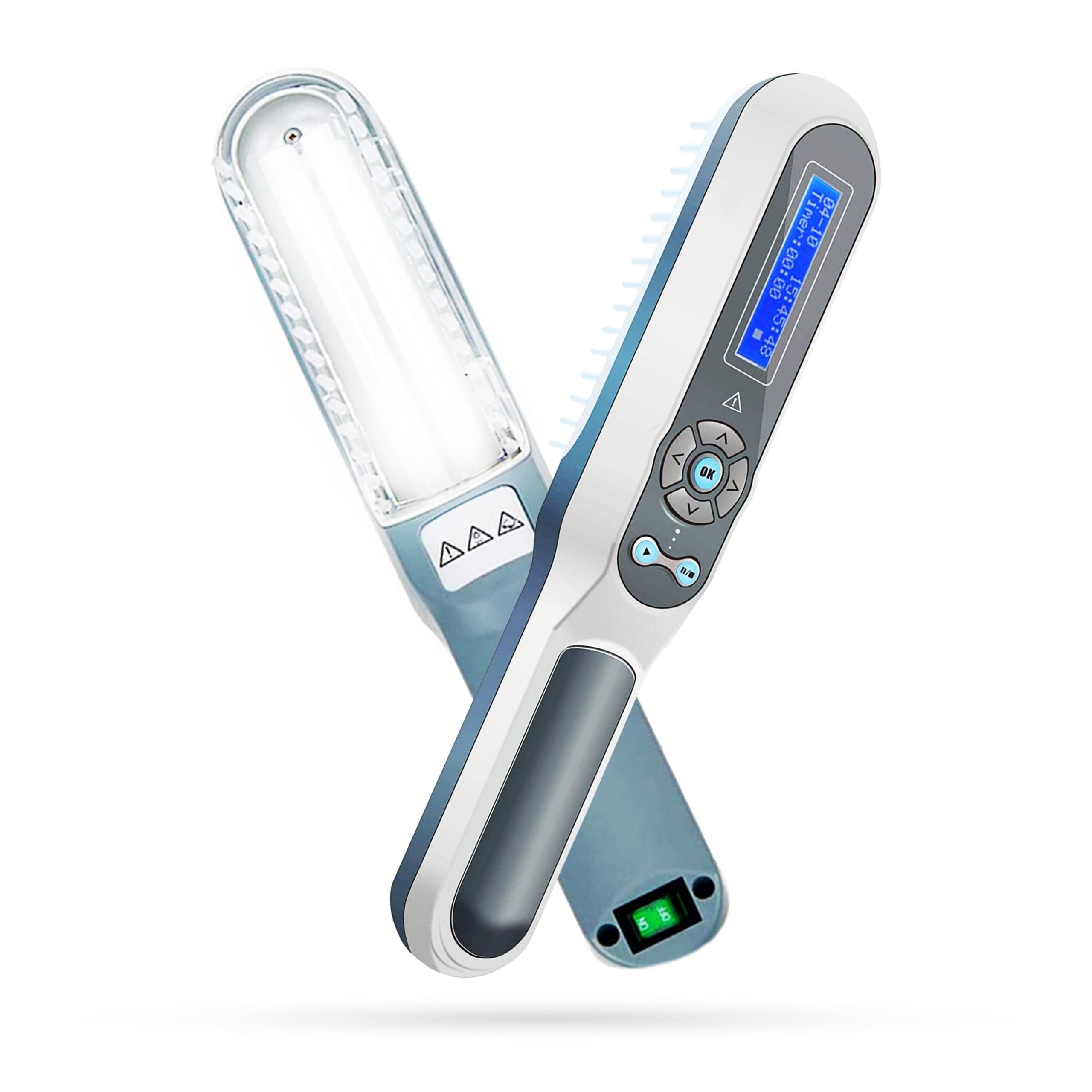
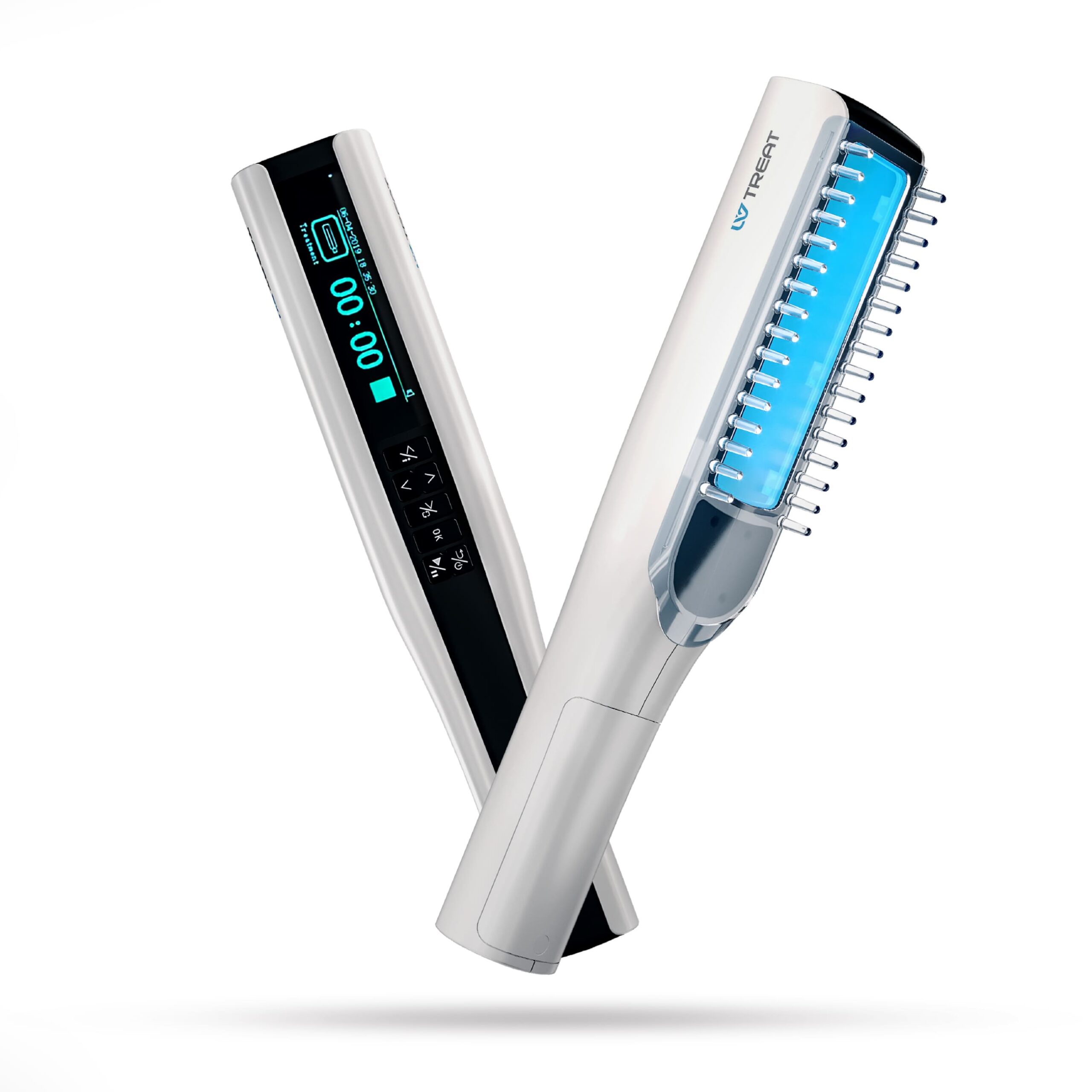
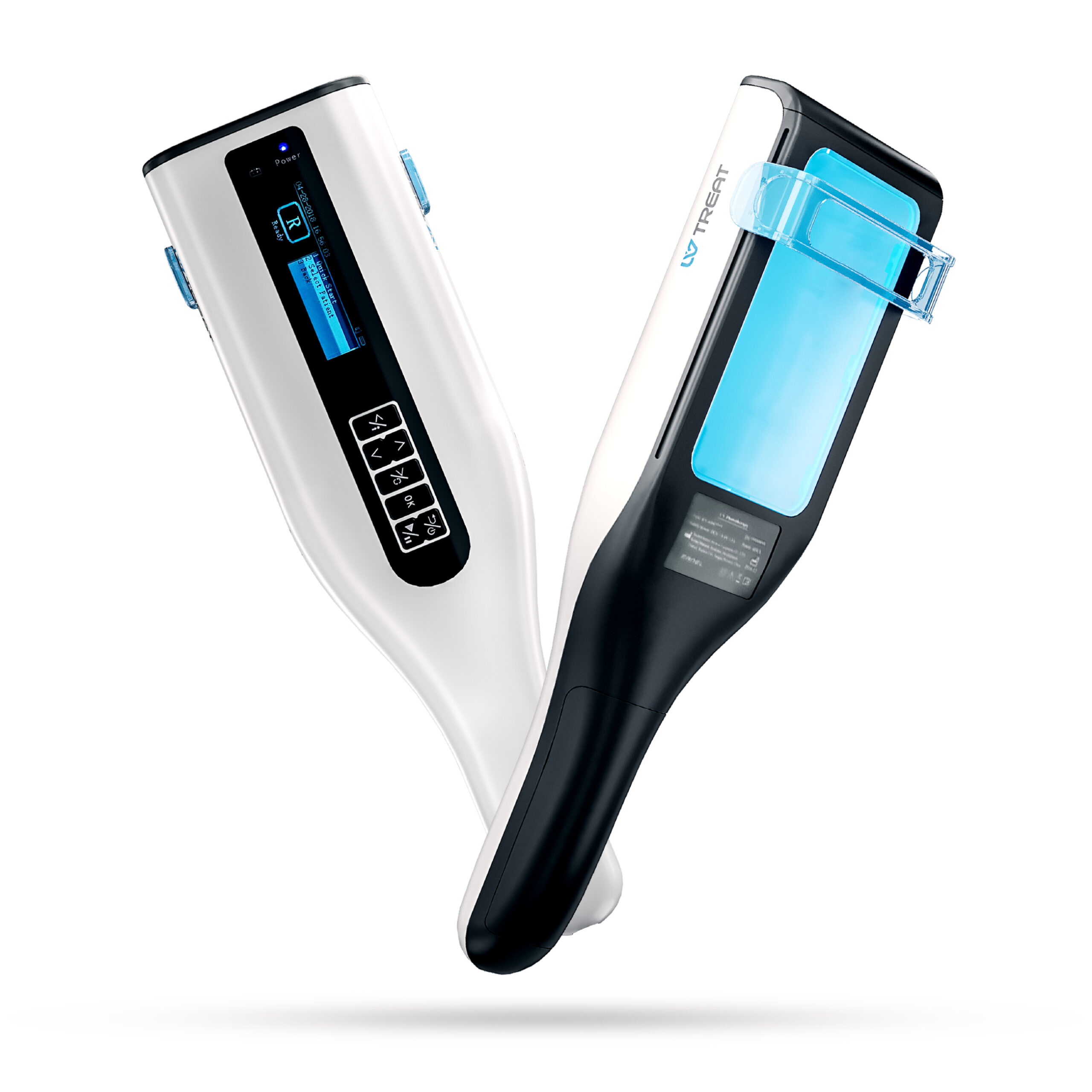
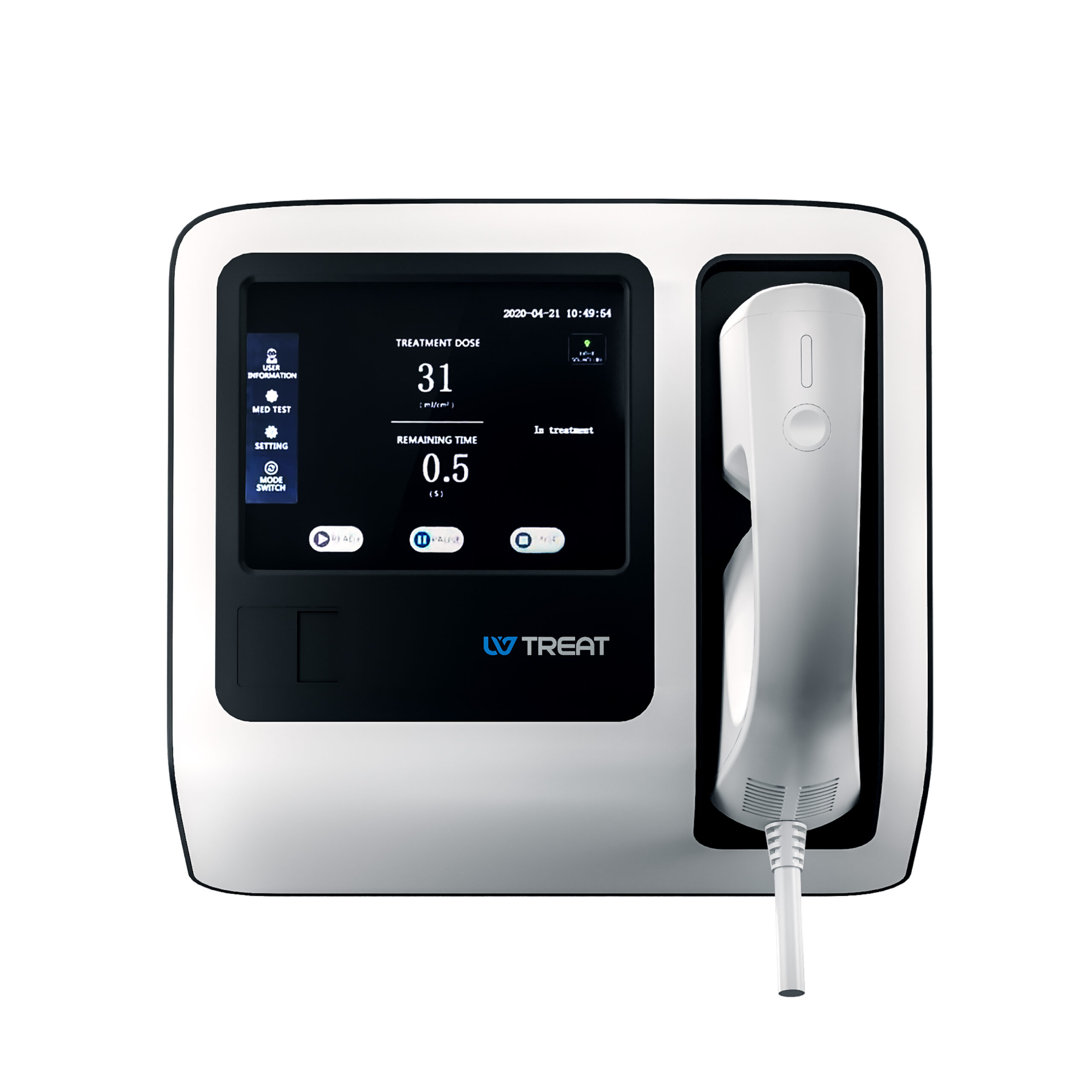
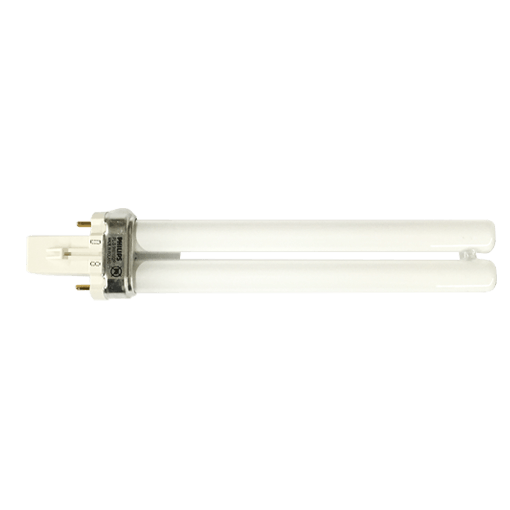
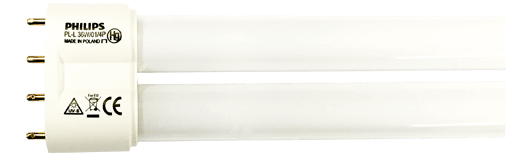
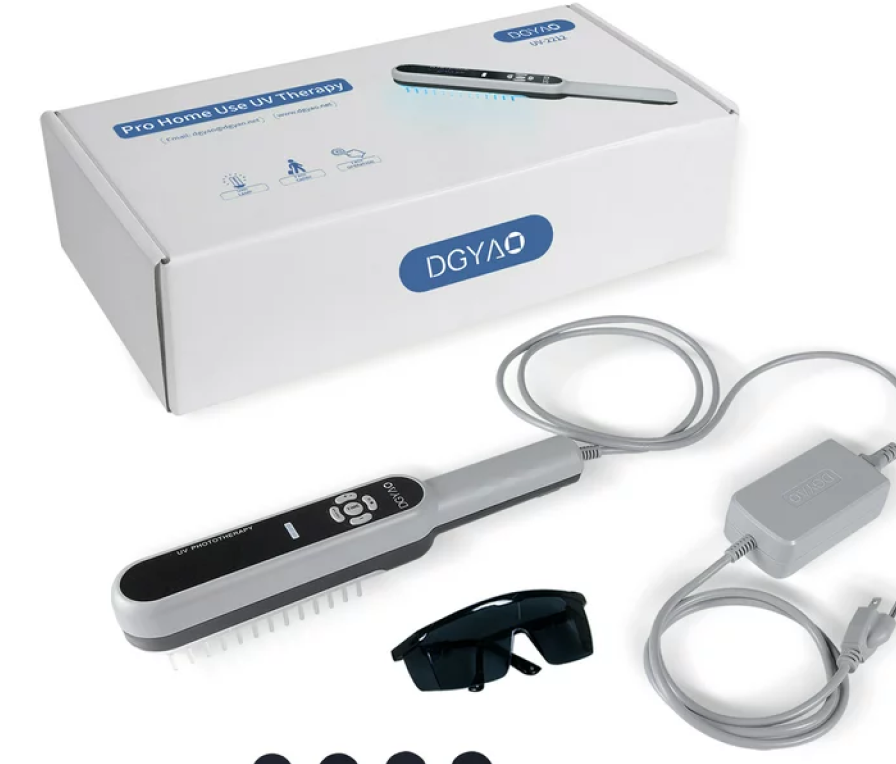
Patients whose genital eczema persists despite optimized topical therapy are candidates for narrowband UVB phototherapy at 311–313 nm. Reynolds et al. demonstrated statistically significant reductions in both disease activity and affected surface area vs visible-light placebo over 12 weeks of twice-weekly irradiation (13). The 2021 Cochrane review reached a concordant conclusion (14). Despite this evidence base, UV light therapy eczema remains underrepresented in published patient resources on genital dermatoses. For penile involvement specifically, handheld NB-UVB units permit anatomically targeted irradiation while uninvolved genital tissue remains shielded — a necessary precaution given the documented association between cumulative genital UV exposure and long-term oncological risk (15)(16).
Day-to-day habits matter as much as prescriptions. Cotton underwear, loose fit. Damp clothing changed promptly. Water-based lubricant for intercourse, gentle rinse afterward. A cold compress for fifteen minutes helps acute itch. And scratching — the one thing every patient wants to do — is precisely what transforms a controllable condition into an infected one.
When to See a Doctor
Most cases of itching penis skin from eczema settle with consistent moisturizing and trigger avoidance. But some situations call for professional evaluation.
If two weeks of emollient-based care brings no improvement, something else may be going on. Pain and discharge — especially thick, yellowish, or honey-crusted — point toward bacterial infection. Blisters, sores, or ulcers warrant STI screening regardless of sexual history. And a genital rash that worsens on steroid cream needs immediate reassessment for fungal or non-eczematous causes (10).
Penile eczema is manageable. It is not a condition that puts health at serious risk. But accurate identification matters, and for skin below the belt, that identification is best left to a trained clinician rather than a Google search.
Share
References
Woo YR, Han Y, Lee JH, et al. Real-world prevalence and burden of genital eczema in atopic dermatitis: a multicenter questionnaire-based study. J Dermatol. 2021;48(5):625-632.
Farage MA, Maibach HI. The vulvar epithelium differs from the skin: implications for cutaneous testing to address topical vulvar exposures. Contact Dermatitis. 2004;51:201-209. Supporting data from Frontiers in Medicine review on genital pruritus management.
National Eczema Society. Male genital eczema factsheet
Nutten S. Atopic dermatitis: global epidemiology and risk factors. Ann Nutr Metab. 2015;66(suppl 1):8-16.
Allergy & Asthma Network. Eczema statistics.
Cleveland Clinic. Eczema on penis: symptoms, causes & treatmen
Egydio Medical Center. What is penile dermatitis
GoodRx Health. Penile eczema
MyEczemaTeam. Eczema on the penis.
WebMD. What to know about eczema on the penis.
Zucker JE, Caplan AS, et al. Trichophyton mentagrophytes type VII — sexually transmitted dermatophyte. Reported via Medscape Medical News, November 2024.
National Eczema Society. Topical calcineurin inhibitors. Skin Therapy Letter. Off-label uses of topical calcineurin inhibitors.
Devasenapathy N, Chu A, Wong M, et al. Cancer risk with topical calcineurin inhibitors, pimecrolimus and tacrolimus, for atopic dermatitis: a systematic review and meta-analysis. Lancet Child Adolesc Health. 2023;7(1):13-25.
Reynolds NJ, Franklin V, Gray JC, et al. Narrow-band ultraviolet B and broad-band ultraviolet A phototherapy in adult atopic eczema: a randomised controlled trial. Lancet. 2001;357:2012-2016.
Defined as the 2021 Cochrane systematic review on phototherapy for atopic eczema. PubMed ID: 34709669.
USF Health Phototherapy Center. Guidelines for UV phototherapy.
No — eczema has no pathogen and cannot spread between partners. Secondary bacterial infection from scratched-open skin is the only scenario requiring barrier protection until the wound heals (6).
Clinical differentiation without professional evaluation is unreliable. Considerable phenotypic overlap exists between eczematous, fungal, and sexually transmitted genital dermatoses — and incorrect topical treatment can worsen the underlying condition. Dermatological assessment with patch testing or microscopy is recommended (3)(8).
A single flare may settle if the trigger is removed. The disease itself persists lifelong in a relapsing-remitting pattern and requires ongoing emollient maintenance (6).
Hydrocortisone 1% reduces itch within two to three days. Tacrolimus 0.1% shows visible clearing by day five to seven (11). Emollients give immediate surface comfort but none of these eliminate the underlying condition.
Eczema carries zero transmission risk. Friction can fissure inflamed skin, so water-based lubricant is advised. Defer contact if erosions or bacterial superinfection are present (6)(9).
To provide the best experiences, we use technologies like cookies to store and/or access device information. Consenting to these technologies will allow us to process data such as browsing behavior or unique IDs on this site. Not consenting or withdrawing consent, may adversely affect certain features and functions.
Functional
Always active
The technical storage or access is strictly necessary for the legitimate purpose of enabling the use of a specific service explicitly requested by the subscriber or user, or for the sole purpose of carrying out the transmission of a communication over an electronic communications network.
Preferences
The technical storage or access is necessary for the legitimate purpose of storing preferences that are not requested by the subscriber or user.
Statistics
The technical storage or access that is used exclusively for statistical purposes.The technical storage or access that is used exclusively for anonymous statistical purposes. Without a subpoena, voluntary compliance on the part of your Internet Service Provider, or additional records from a third party, information stored or retrieved for this purpose alone cannot usually be used to identify you.
Marketing
The technical storage or access is required to create user profiles to send advertising, or to track the user on a website or across several websites for similar marketing purposes.