Clinical-grade UVB light therapy solutions designed to support eczema treatment at home and in dermatology clinics.
A Modern Approach to Eczema Treatment with Light Therapy
Roughly 31.6 million Americans live with some form of eczema, per National Eczema Association data. Topical corticosteroids control the disease in many – but an estimated data where creams alone stop delivering relief reach a point of 30–40. That gap between “topicals aren’t working” and “systemic drugs feel premature” is exactly where UV lights for eczema fits.
Recent research shows that home treatments for chronic conditions like eczema are becoming increasingly popular, with a 35% increase in preference for home treatments in 2023 (Healthcare Trends Institute, 2023). UVTREAT perfectly aligns with this shift, providing effective, convenient, and easy-to-use treatment.
Narrowband UVB phototherapy at 311 nm has filled this role for over two decades. The AAD’s 2024 clinical guidelines (Davis et al., Journal of the American Academy of Dermatology) make a conditional recommendation in favor of phototherapy for eczema refractory to topical treatment. A Cochrane review commissioned to support those guidelines analyzed 32 clinical trials with 1,219 participants and identified NB-UVB as the most commonly studied and widely used phototherapy modality for eczema in U.S. dermatology practice.
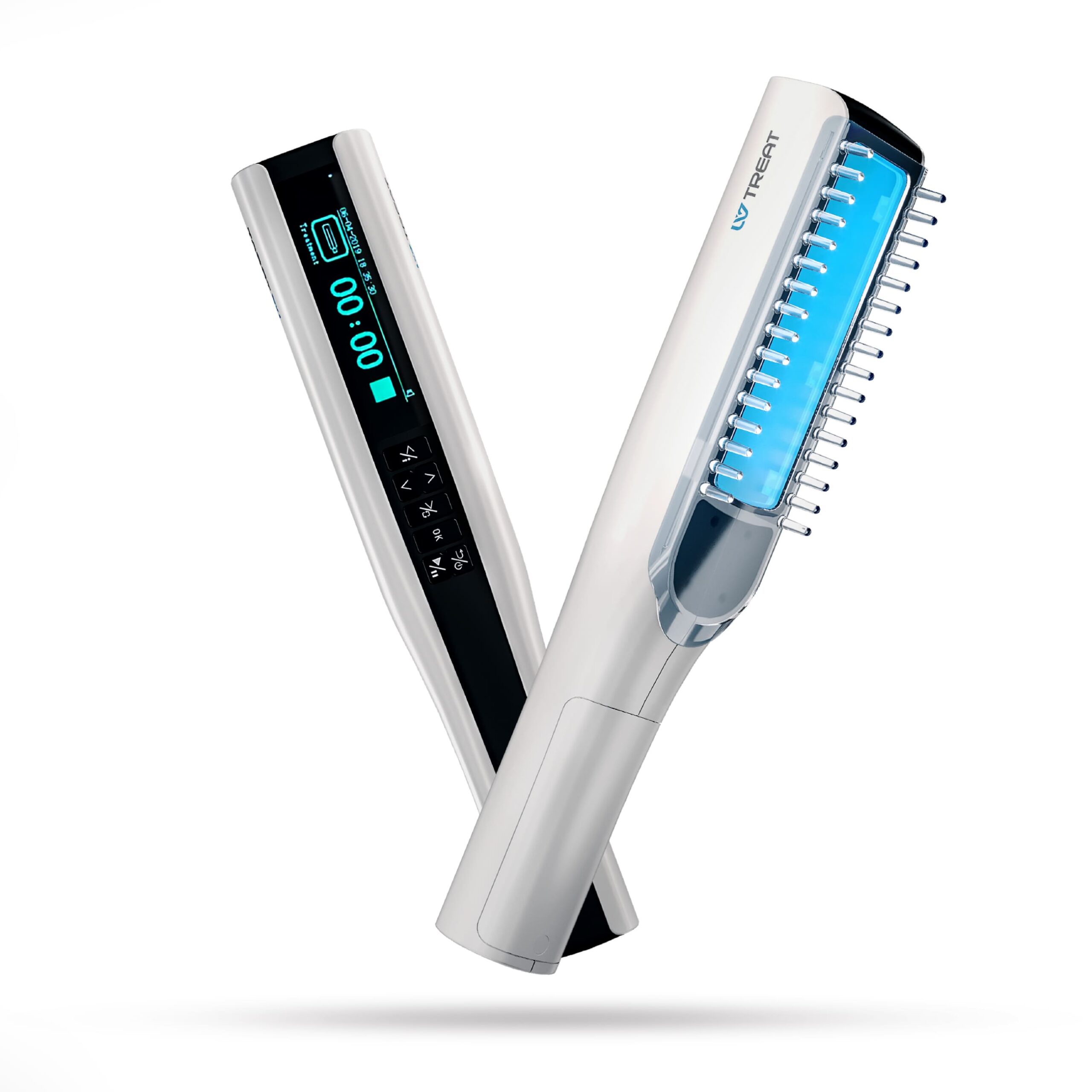
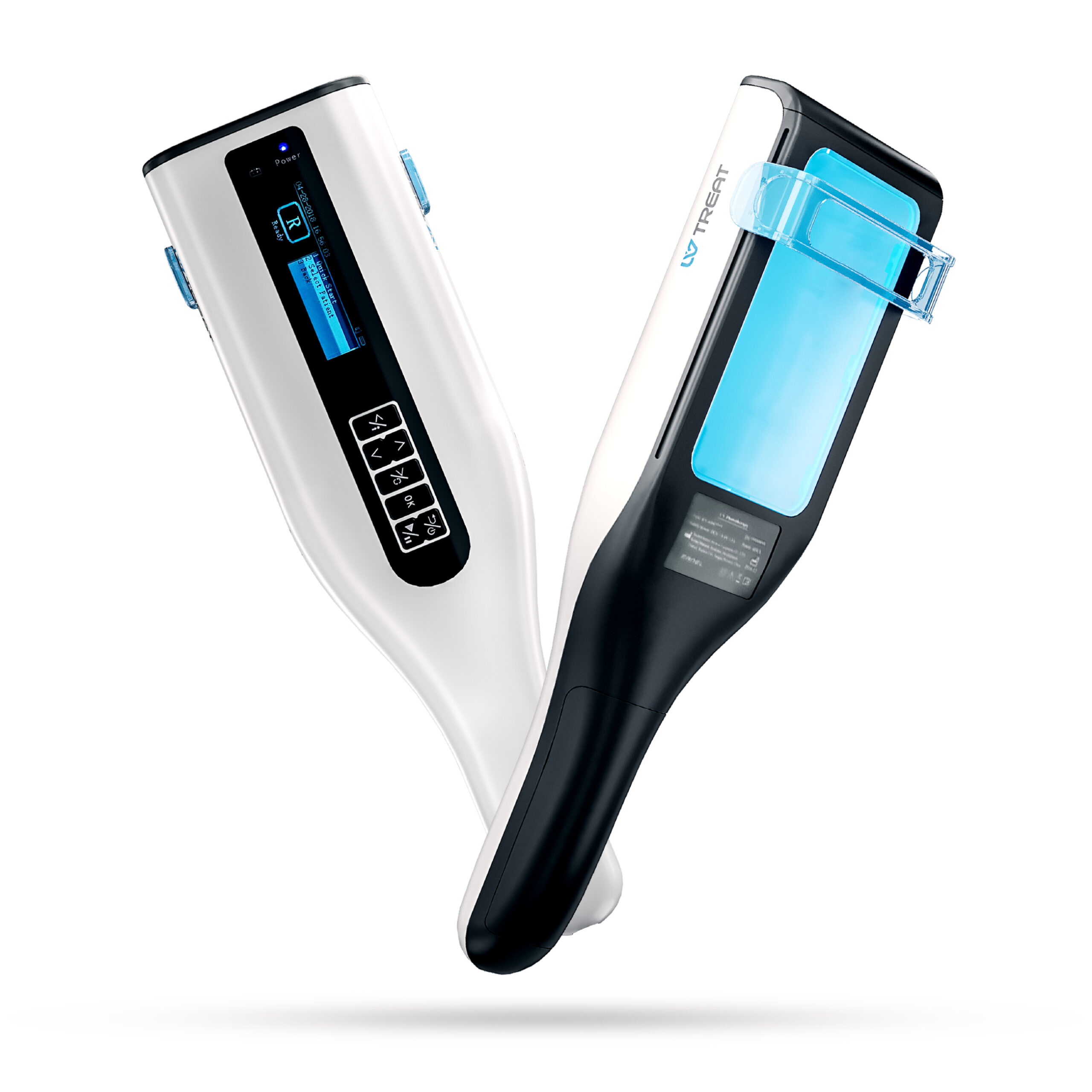
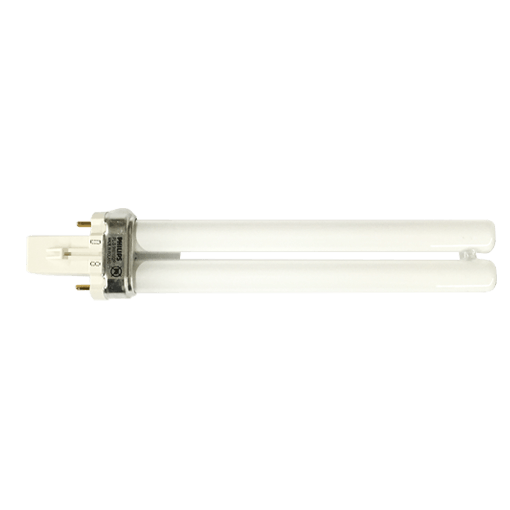
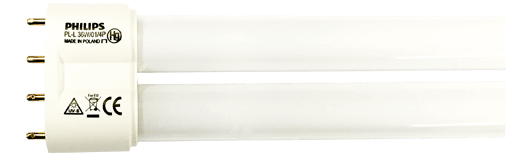
What’s changed recently is access. Clinical-grade 311 nm technology – once limited to hospital phototherapy suites – now ships in compact devices built for home use. Home devices are now using Philips narrowband bulbs, which are also powering full-body clinic cabinets. Furthermore, the same device can be used for both psoriasis phototherapy and vitiligo phototherapy, allowing clinics to treat multiple skin conditions with one system.
How UV Light Therapy Helps Manage Eczema Symptoms
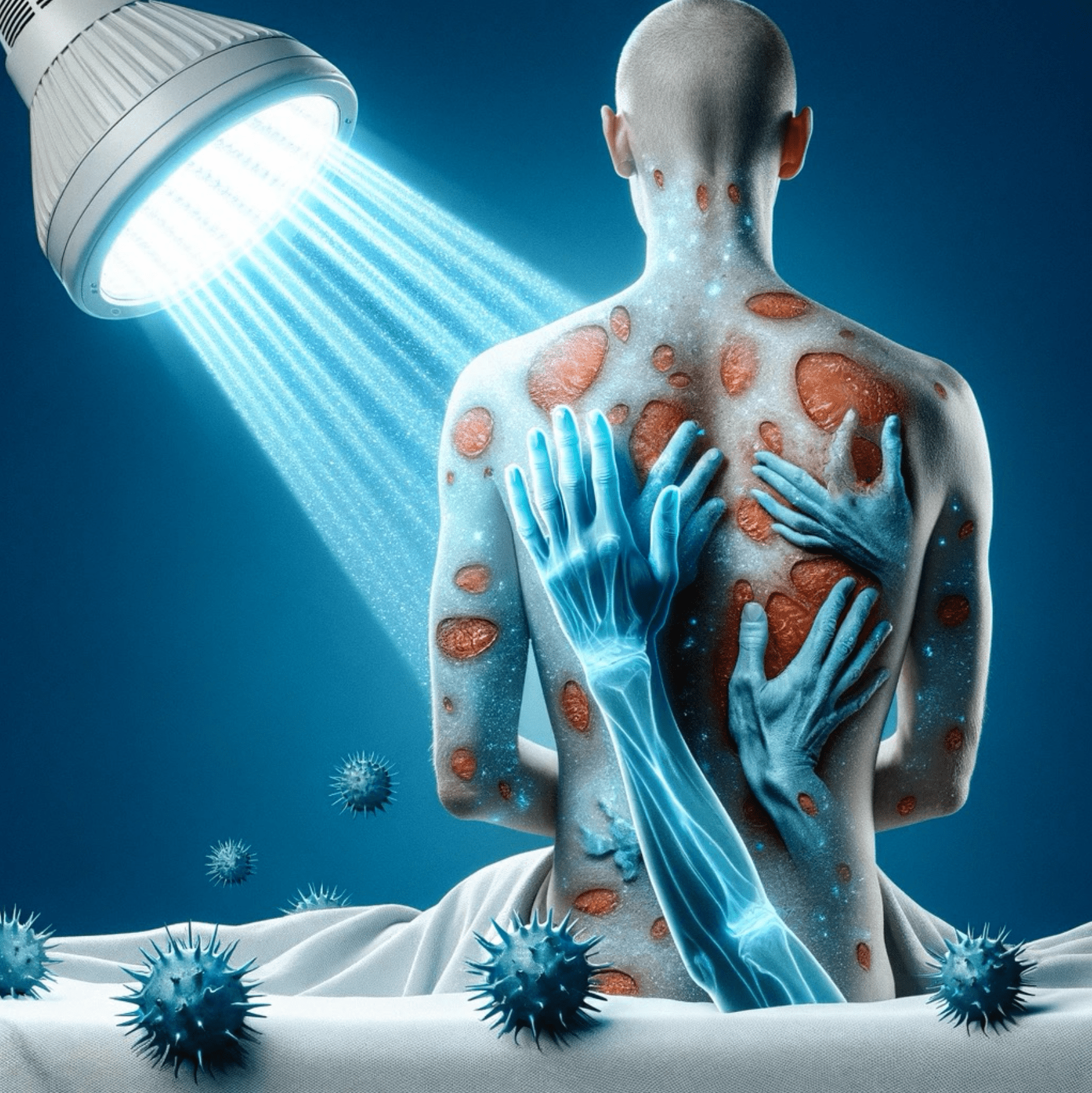
Most eczema treatments go after one piece of the problem. Steroids suppress inflammation. Moisturizers patch the barrier. Antibiotics knock back bacteria. UV light therapy eczema protocols hit all three at once – and that multi-target action is the reason phototherapy often works when single-mechanism treatments stall out.
Here’s what’s actually happening in eczema skin. The outer barrier is full of gaps. Irritants slip through those gaps easily, and the immune system – already skewed toward overreaction in eczema – responds with a flood of inflammatory signals: IL-4, IL-13, and the itch-driving IL-31. Those signals then damage the barrier even more. It feeds on itself.
Inflammation reduction. Narrowband UVB kills off the T-lymphocytes responsible for that inflammatory cascade. Not all T-cells – specifically the overactive ones concentrated in eczema lesions. Majoie et al. published a head-to-head comparison in JAAD (2009) that showed NB-UVB cutting eczema severity scores significantly (P<.01). Results matched medium-dose UVA1 therapy, but NB-UVB costs less and is available at far more clinics across the country. With fewer rogue T-cells driving the process, IL-4 and IL-13 levels drop. IL-31 drops too – and that’s the one patients feel most, because IL-31 is the primary itch signal.
Immune modulation. Langerhans cells sit in the upper epidermis acting like alarm sensors. In healthy skin, they ignore everyday contact with dust, pet dander and sweat. In eczema skin, they don’t, they trigger immune responses that shouldn’t be happening. Phototherapy thins out Langerhans cell population and pushes the skin’s local immune balance toward suppression by raising interleukin-10 and cis-urocanic acid levels. So that skin stops overreacting to stimuli that aren’t actually dangerous.
Barrier repair. Filaggrin is a protein that holds the skin barrier together. Around 30% of eczema patients have mutations in the filaggrin gene – their barrier is structurally weak from the start. UVB light boosts filaggrin production even in skin that carries those mutations and ramps up ceramide synthesis. More ceramides means tighter lipid layers between skin cells, which means less water escaping outward and fewer allergens getting in.
Over 90% of eczema patients have Staphylococcus aureus living on their skin and that bacterial load actively worsens inflammation. UVB triggers the skin to produce its own antimicrobial peptides – cathelicidin and beta-defensins – which reduce staph colonization without antibiotics. This same antimicrobial pathway benefits other inflammatory skin conditions – including those addressed by dermatitis phototherapy – where bacterial overgrowth plays a similar role.
Clinic vs Home Light Therapy for Eczema
Clinical outcomes don’t change based on where the treatment is made. Rodenbeck et al. found home NB-UVB results comparable to office-based treatment in appropriately selected patients. The real question for anyone evaluating eczema light therapy home treatment: which setting makes it easiest to stay consistent over 12–16 weeks?
Factor
Clinic-Based
Home-Based
Supervision
Dermatologist or nurse present; real-time dose adjustment
Self-administered; remote check-ins every 4–6 weeks
Frequency
2–3 office visits per week at the medical office
Same frequency, but at home at any time
Accessibility
Limited by geography, clinic hours, waitlists
No location barriers
Cost
Copays $30–$75/session; $1,500–$4,500+ over a full course
One-time device investment $300–$2,500; often insurance-eligible with Rx
A combined model works well in practice: supervised in-office sessions for the first several weeks to lock in the right dosing, then a transition to a home device for long-term maintenance. That maintenance phase is where clinic logistics fall apart for most patients.
Some patients skip the clinic phase entirely and start with a home unit from day one, following a dermatologist-prescribed dosing schedule remotely, it is a practical option for anyone without a phototherapy clinic nearby or with a schedule that won’t bend for three weekly office visits.
How to Choose the Right UV Lamp for Eczema Treatment
Which UVB lamp for eczema makes sense depends on how much skin needs treatment and what is the budget. You may see devices marketed as a sun lamp for eczema – what matters clinically is whether the unit emits narrowband UVB at 311 nm, since that’s the only wavelength with robust trial support.
Device Format
Best For
Coverage
Session Length
Price
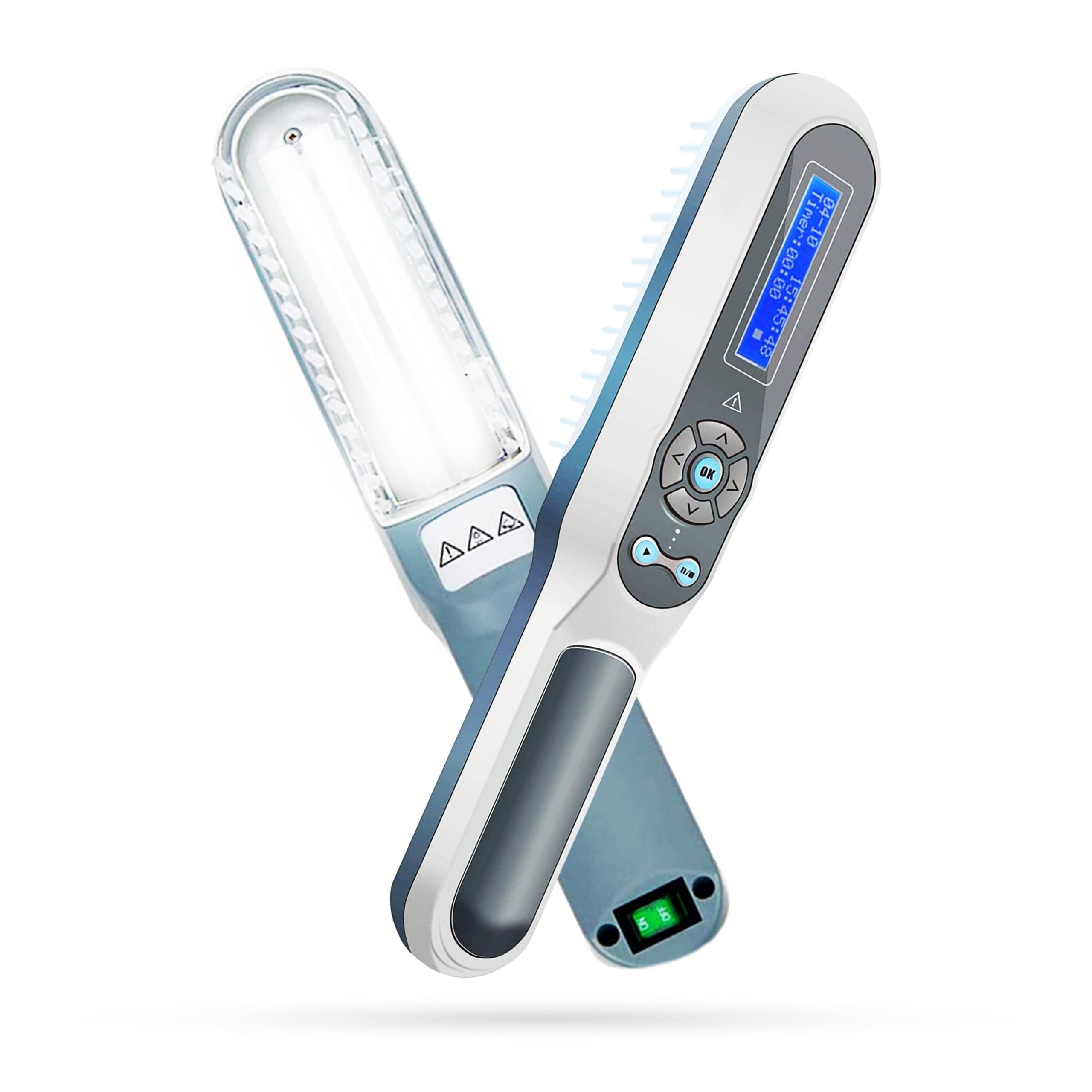
Handheld lamps
Localized patches
Small areas
Depends on your skin type
$200–$500
Panel units
Broader eczema across limbs or torso
More than 50% of the body
Depends on your skin type
$500–$9,000
Clinical cabinets
Widespread eczema; high-volume clinics
Full-body
Depends on your skin type
$10,000–$50,000+
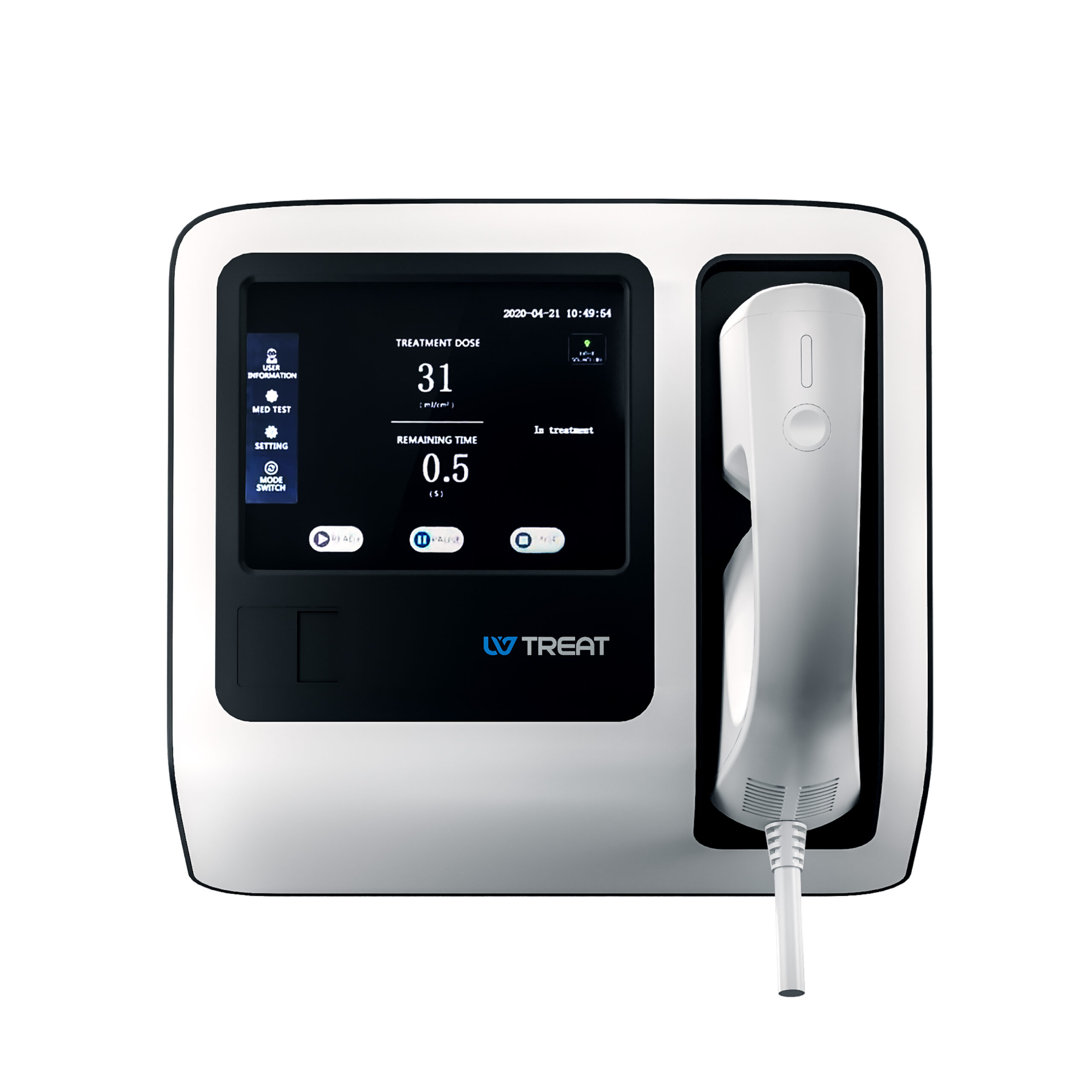
The device must emit narrowband UVB at 311 nm or it also may be Excimer Laser 308nm, these are the wavelengths with clinical trial support for eczema. And it needs integrated dosimetry or a calibrated timer for accurate dose tracking. A full range of medical-grade ultraviolet therapy lamps – from handhelds to professional systems – is available through UVTREAT, all fitted with Philips NB-UVB bulbs. Patients planning for long-term maintenance (which is most eczema patients) should think about efficiency.
Explore UVB Phototherapy Devices & Clinical Systems for Eczema
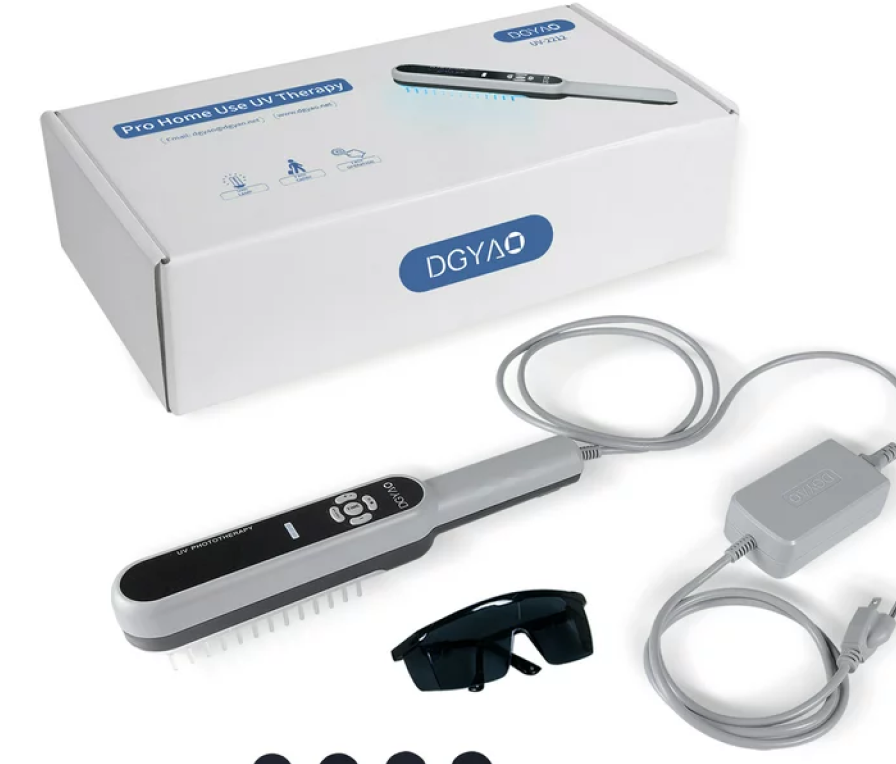
Every eczema lamp in the UVTREAT lineup uses Philips NB-UVB 311 nm bulbs and ships with UV-protective goggles.
UVB Phototherapy Devices for Home Use
Eczema light therapy at home eliminates the single biggest barrier to treatment adherence: logistics. Getting to a clinic three times a week, every week, for three to four months breaks most schedules. Published adherence data consistently shows that consistency is the strongest predictor of phototherapy response. However, another advantage is price, you can invest in one unit that usually costs about $300 and it will be much more convenient then regular appointments in the clinic.
Clinical UVB Phototherapy Systems
For dermatology practices and treatment centers running phototherapy daily, UVTREAT offers full-panel and cabinet systems with digital dose controls, automated session logging, comprehensive patient database, voice prompt guidance and even more convenient features for everyday use. UV Phototherapy Treatment Protocols & Safety for Eczema UV phototherapy for eczema follows Fitzpatrick-based dosing – structured medical treatment.
Frequency. Two to three sessions per week during the clearing phase. Minimum 24 hours between sessions – delayed erythema needs that long to show up, and stacking doses without the gap risks cumulative burns.
Dose escalation. Starting dose depends on skin type: roughly 130 mJ/cm² for very fair skin (Fitzpatrick I) up to 400 mJ/cm² for darker complexions (type VI). Each session bumps up 10–15% if no significant redness appears after the last one. Mild pinkness that fades within hours – hold dose. Redness lasting past 24 hours – pause, let it resolve, restart at 75%. Blistering – pause, restart at 50%.
Course length. A full clearing course of uvb treatment eczema runs 12–16 weeks (36–48 sessions total). After that, the protocol steps down to maintenance: one to two sessions per week. The AAD’s 2024 guidelines note that while NB-UVB efficacy is supported across 13 clinical trials, long-term maintenance data is still limited – which is why cumulative dose tracking and ongoing provider check-ins matter.
Safety requirements. UV-blocking goggles every session – non-negotiable. Genital shielding for full-body treatment. Medication review before starting (thiazide diuretics, tetracyclines, retinoids are common photosensitizers). Emollient within ten minutes post-session to counter UV light for eczema induced moisture loss. And a running cumulative dose log throughout the entire treatment course.
Narrowband UVB vs Other Light Therapies for Eczema
The AAD’s 2024 evidence review evaluated 32 phototherapy trials for eczema. NB-UVB was the most studied modality (13 of those trials) and the only one earning a formal recommendation. That makes narrow band UVB light therapy for eczema the clear first-line phototherapy option in U.S. dermatology. No other light-based treatment matches its combination of trial data, clinical endorsement, and therapeutic-to-erythema ratio.
LED devices (red 630–850 nm, blue 415–480 nm) get a lot of consumer attention, but published evidence for LED light therapy eczema use is limited to small, non-randomized studies. Blue light has shown some antimicrobial effect relevant to acne – a completely different condition. Red and near-infrared LEDs have anti-inflammatory potential in lab settings; no dermatology organization has translated that into a clinical protocol for eczema.
Natural eczema sunlight treatment contains UVB alongside UVA in an uncontrolled dose that shifts with latitude, time of day, cloud cover, and season. UVA contributes to skin aging without meaningful eczema benefits. Seasonal improvement is real – it just can’t be replicated reliably as a treatment plan.
PUVA (psoralen + UVA) remains effective for tough cases but carries higher long-term cancer risk from the photosensitizing drug. Most U.S. dermatologists save it for situations where NB-UVB alone isn’t enough.
Who Can Benefit from UV Light Therapy & Treatment Areas
Ultraviolet light for eczema is most effective for patients with moderate-to-severe disease that topical steroids and calcineurin inhibitors haven’t controlled adequately. The AAD’s treatment framework positions phototherapy before systemic immunosuppressants – a critical step for the large patient population stuck between “creams only” and “biologics or JAK inhibitors.” Children over six are eligible for NB-UVB per AAD guidelines, with age-appropriate dose adjustments and parental oversight during the escalation phase.
Widespread eczema benefits especially: applying cream to 30–40% of your body surface twice daily is exhausting and expensive. Light therapy eczema protocols treat those same areas in minutes.
Body areas clear at different speeds. Trunk responds fastest. Outer arms and legs do well. Inner elbows and behind the knees are responsive but may need extra handheld targeting. Hands and feet take longer – thicker skin requires higher cumulative doses. Facial eczema clears quickly, but dosing must stay conservative and eye protection is mandatory. The scalp is toughest: hair blocks UV penetration, while comb-style attachments help, results there are less predictable.
Expected Results and Treatment Timeline
Itch relief usually comes first – most patients notice meaningful improvement within two to three weeks. That matters enormously in eczema management: itch drives the scratch cycle that keeps wounds open, wrecks sleep, and perpetuates barrier damage. When the itch subsides, healing picks up speed even before the skin looks visibly clearer.
Redness and thickened patches begin improving by weeks four to five. Severity scores (SCORAD, EASI) typically show 40–60% improvement between weeks six and eight. Peak clearing, 60–80% improvement, starts at weeks nine through twelve, based on trial data reviewed in the AAD’s 2024 evidence base.
Without maintenance, 50–70% of patients relapse within three to six months. Stepping down to one or two weekly sessions instead of stopping completely extends remission substantially. Home light therapy eczema devices prove their value here – twice-weekly sessions in your own bathroom are sustainable; indefinite clinic visits are not.
Eczema has no definitive cure. NB-UVB phototherapy is one of the most effective non-systemic tools available for managing it, and outcomes get better when combined with consistent moisturizing and trigger avoidance.
Medical Disclaimer: The information on this page is for educational purposes only and does not constitute medical advice. Always consult a licensed dermatologist before starting UVB phototherapy. Individual results may vary. FDA-cleared devices are indicated for use as directed by a healthcare professional.
Simple Treatments. No Medical Training Required.
With UVB Phototherapy devices, you can quickly begin treating symptoms of Acne from the comfort of your home and without any medical training. Here’s how:
Step 1Virtual Consultation
Schedule a virtual visit with one of our medical experts from your home to discuss treatment and usage.
Step 2Perform Treatment
On average, each treatment takes just 2-3 minutes, is pain-free, and extremely simple.
Step 3Quick Results
After about 28 minutes of total therapy, see and feel results with your UVBCure Phototherapy device.
NB-UVB has a strong safety record across decades of clinical use. A population-based cohort study following 844 eczema patients found that 70% used significantly fewer topical steroids after completing NB-UVB, with no increased skin cancer risk. The most common side effect is mild redness that fades within 24 hours.
Yes. Eczema light therapy home devices use the same 311 nm NB-UVB wavelength as clinic booths. Most dermatologists supervise the first several sessions in-office to establish dosing, then transition the patient to self-administered treatment at home with periodic remote check-ins.
Eczema is a chronic condition, so some degree of return is expected. Many people hold their improvement for months. The smartest approach after a treatment course is usually a light maintenance schedule rather than a hard stop as it keeps the skin in a more stable state without requiring the intensity of an initial series.
Not in the way people usually mean it. Narrowband UVB works within the skin itself — it calms overactive T-cells and dials down the inflammatory signals driving eczema. It's not circulating through your body the way a pill would. That's a meaningful distinction, because systemic immunosuppressants carry infection risks that NB-UVB simply doesn't.
Yes. Fitzpatrick skin type guides both the starting dose and how quickly it gets adjusted. Lighter skin calls for a more conservative starting point; darker skin tones often need a more gradual build to hit therapeutic levels safely. The goal is always to reach efficacy without causing burns and calibration is what makes that possible.
Often yes. Light box treatment for eczema reduces the inflammatory mediators that drive itch signaling, so pruritus can ease even before visible lesions start to clear.
Get your custom offer!
Fill out the form to get a custom solution for your practice!
Participate in a non-cost clinical study
Fill out the form to know more details!
If you struggle with psoriasis you may qualify for a non-cost clinical study
To provide the best experiences, we use technologies like cookies to store and/or access device information. Consenting to these technologies will allow us to process data such as browsing behavior or unique IDs on this site. Not consenting or withdrawing consent, may adversely affect certain features and functions.
Functional
Always active
The technical storage or access is strictly necessary for the legitimate purpose of enabling the use of a specific service explicitly requested by the subscriber or user, or for the sole purpose of carrying out the transmission of a communication over an electronic communications network.
Preferences
The technical storage or access is necessary for the legitimate purpose of storing preferences that are not requested by the subscriber or user.
Statistics
The technical storage or access that is used exclusively for statistical purposes.The technical storage or access that is used exclusively for anonymous statistical purposes. Without a subpoena, voluntary compliance on the part of your Internet Service Provider, or additional records from a third party, information stored or retrieved for this purpose alone cannot usually be used to identify you.
Marketing
The technical storage or access is required to create user profiles to send advertising, or to track the user on a website or across several websites for similar marketing purposes.