Written by
Dr. Sanober Doctor,MD; Board-Certified Dermatologist
Published on February 18, 2026
How to Integrate Phototherapy into an Existing Dermatology Practice
Introduction
In 2024, the phototherapy treatment market was valued at $1.7 billion globally, and analysts project growth to $2.58 billion by 2034. But market size isn’t what motivates most practices when they consider adding phototherapy services dermatology. The real driver? Access. Nearly 89% of U.S. counties have no dedicated phototherapy treatment center. When your patients face treatment protocols requiring multiple weekly visits spanning several months, having these services available in-house becomes clinically necessary rather than merely convenient.
Having spent years helping colleagues through phototherapy implementation clinic planning and managing my own program, I’ve observed that successful phototherapy clinic setup depends less on purchasing equipment and more on building functional systems. Thriving phototherapy services differ from underutilized booths in back rooms primarily through operational design rather than equipment choice.
Clinical Value of Adding Phototherapy
Phototherapy stands among dermatology’s most adaptable treatment options. Narrowband UVB at 311 nm functions as first-line therapy for moderate-to-severe psoriasis, vitiligo, atopic dermatitis, and early mycosis fungoides (1). Research from 2023 involving 293 patients demonstrated that 79.7% achieved good or excellent clearance using NB-UVB for psoriasis, with most reaching this outcome between 20 and 36 treatment sessions (2). Response patterns for vitiligo differ by body site—facial lesions typically respond more favorably than acral locations.
The relationship between phototherapy and biologics deserves particular attention. Rather than competing, these modalities complement each other effectively. Published trials examining biologic and NB-UVB combinations showed enhanced outcomes in eight of ten studies compared to either treatment used alone (3). When adalimumab was combined with NB-UVB, researchers documented 33% greater PASI reduction on skin areas receiving both treatments versus areas treated with biologics alone (3).
From a practical standpoint, phototherapy offers distinct advantages. No laboratory monitoring is required during treatment. The therapy carries no immunosuppressive risk. It remains appropriate for children, pregnant women, and immunocompromised patients (4). Insurance companies frequently mandate documented phototherapy trials before they’ll authorize biologic therapy, which positions phototherapy as a gateway service.
Excimer laser technology addresses a different clinical scenario. The XTRAC system achieves 95% lesion clearance within 10 to 12 sessions for localized psoriasis. For vitiligo, average repigmentation reaches 86.7% on facial lesions (5). These targeted systems fill the gap for patients with several resistant plaques who don’t meet criteria for systemic therapy.
Space & Infrastructure Requirements
Converting existing clinical space into functional phototherapy areas is achievable when you grasp phototherapy room requirements clearly. The specifics of layout planning, dedicated circuits, and UV containment are covered step by step in Setting Up a Phototherapy Room. Full-body NB-UVB booths require 80 to 100 square feet at minimum. Most successful installations use 120 to 150 square feet, which accommodates the booth itself, a changing area, and adequate patient circulation. Leave three feet of clearance on all accessible sides of the equipment (6).
Electrical infrastructure demands attention first. Full-body booths draw up to 30 amps. They need dedicated circuits equipped with safety disconnect switches (6). Standard wall outlets are inadequate. Daavlin’s technical specifications explicitly state that booth circuits “must not power any other equipment” (7). Plan to hire an electrician for a new circuit installation.
Ventilation standards come from ANSI/ASHRAE Standard 170, which specifies a minimum of six total air changes hourly (8). UV lamps generate substantial heat during operation, making supplemental exhaust necessary beyond standard HVAC.
UV shielding proves simpler than anticipated. Light-tight door seals, UV-opaque window coverings, and appropriate warning signage satisfy containment requirements (9). Lead shielding isn’t necessary. Warning signs should state “Caution: High Intensity Ultraviolet Energy.”
Standard stand-up booths create access challenges for wheelchair users. Rather than attempting to modify booth access, ensure panel systems can be positioned for use from a seated position, providing an alternative treatment approach for patients with mobility limitations.
Equipment Selection Strategy
Equipment decisions depend on anticipated patient volume and the case mix your practice typically sees. Three equipment categories address different clinical scenarios.
Full-body NB-UVB booths range from $25,000 to $50,000 and serve as the foundation for treating widespread disease (6). Walk-in cabinet designs accommodate 24 to 48 individual UV lamps. Modern units include integrated dosimetry controllers that measure actual UV output and automatically adjust treatment duration as lamps age. A single booth can accommodate four to eight patients hourly (10).
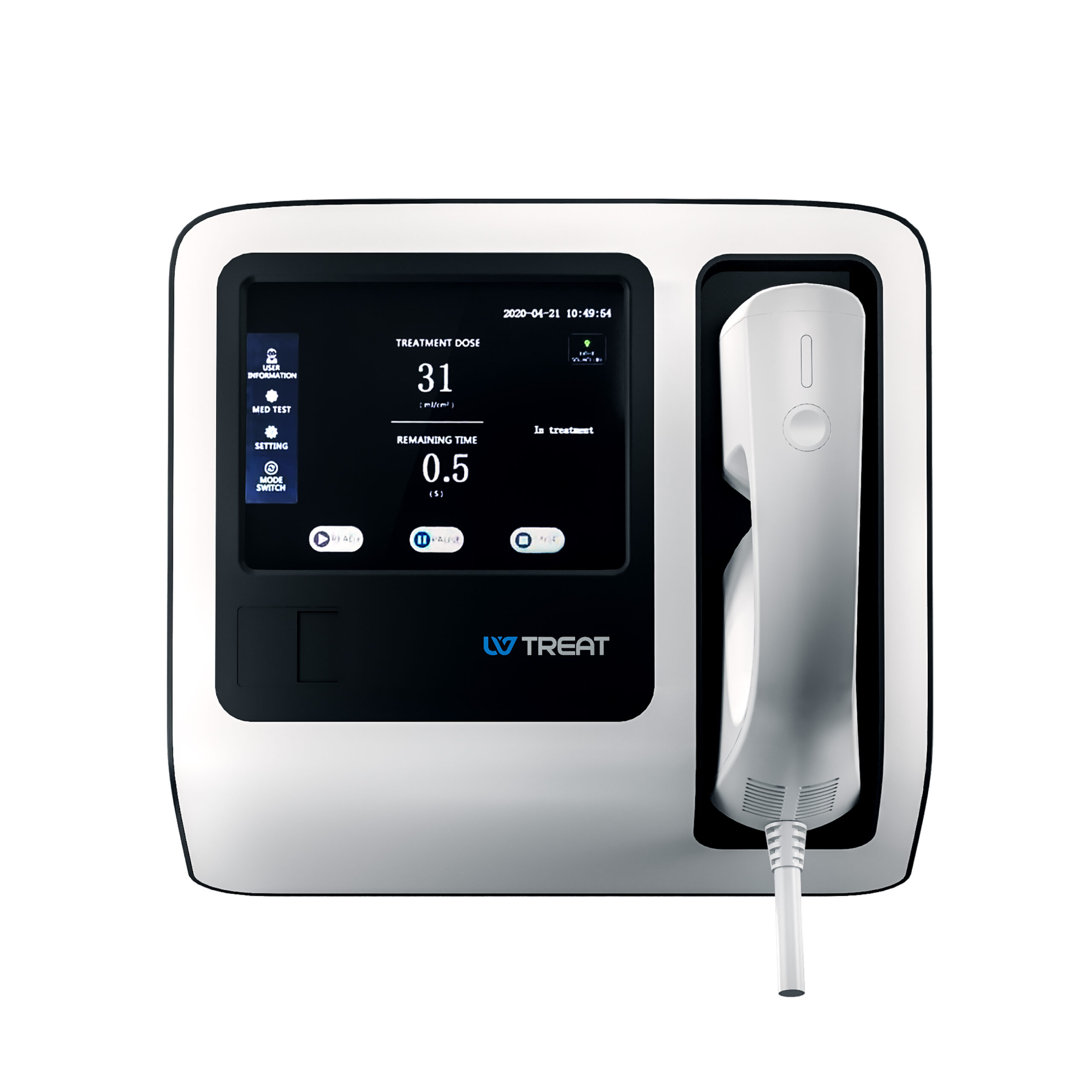
Excimer lasers deliver targeted therapy for localized, treatment-resistant lesions with precision that whole-body units cannot match. The XTRAC system represents the only FDA-cleared 308 nm excimer laser available in the United States. Outright purchase costs $189,500 (5). STRATA Skin Sciences developed a subscription model requiring zero capital outlay, charging approximately $83 per treatment delivered. Currently, 75% of the 1,200 excimer devices operating in U.S. practices use this subscription arrangement (5).
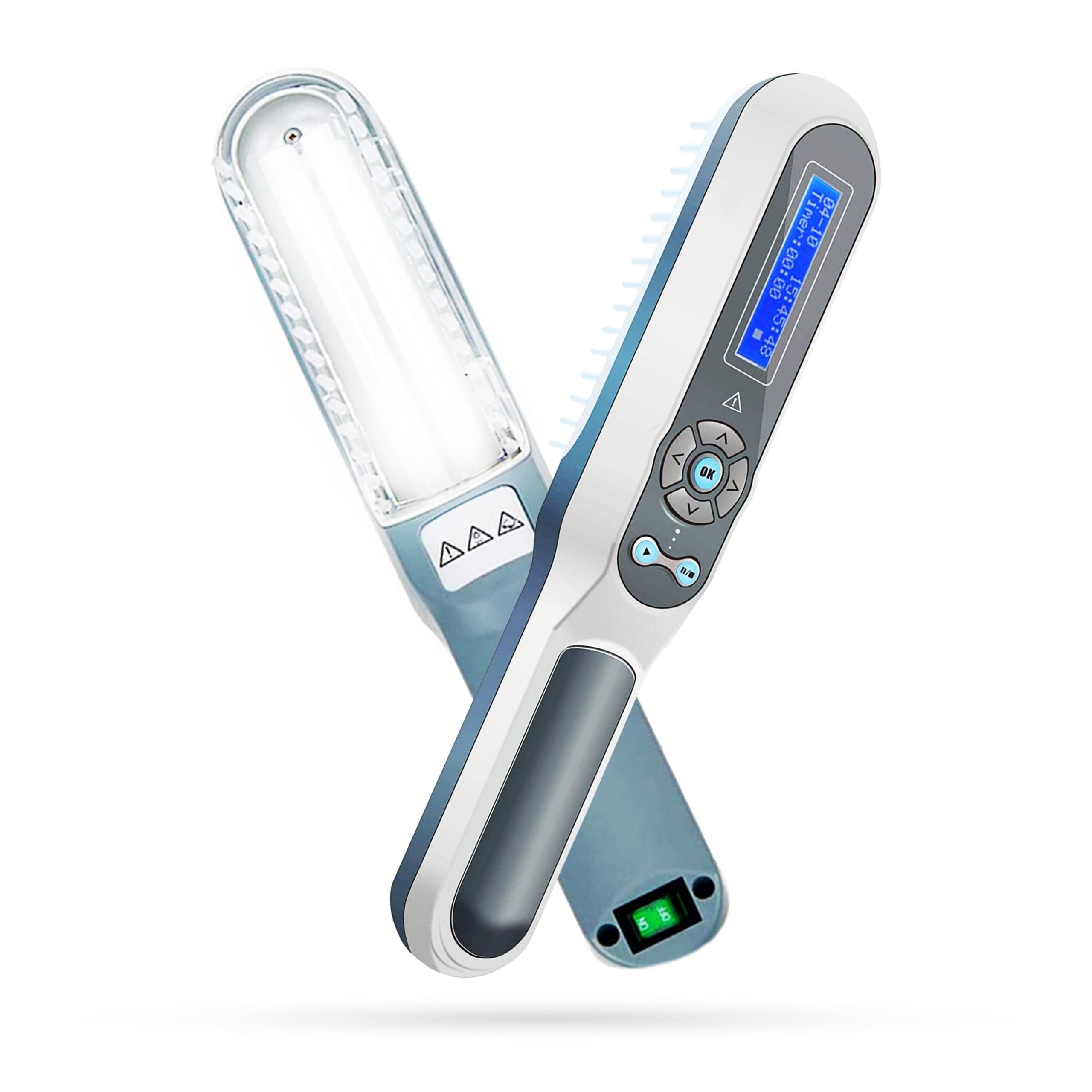
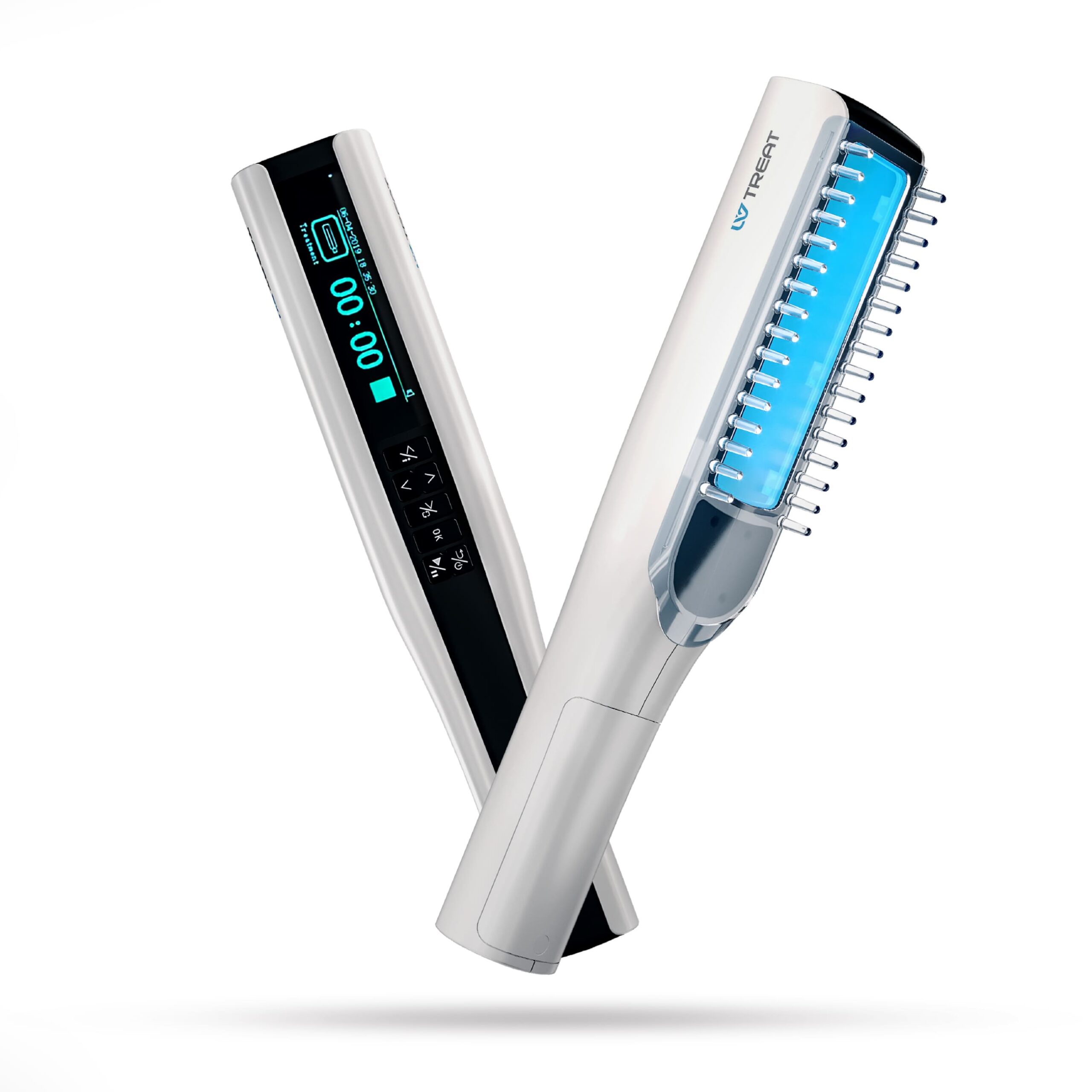
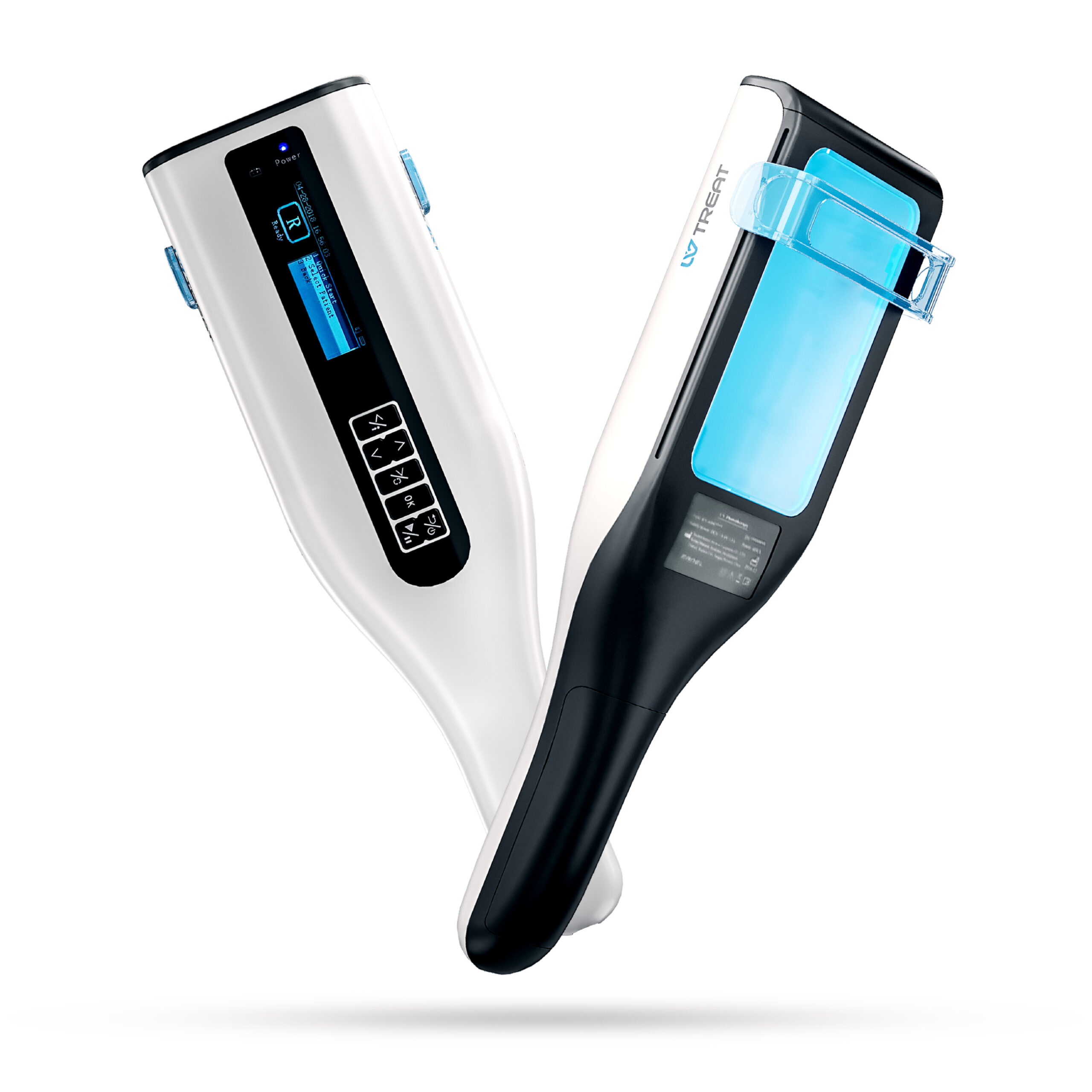
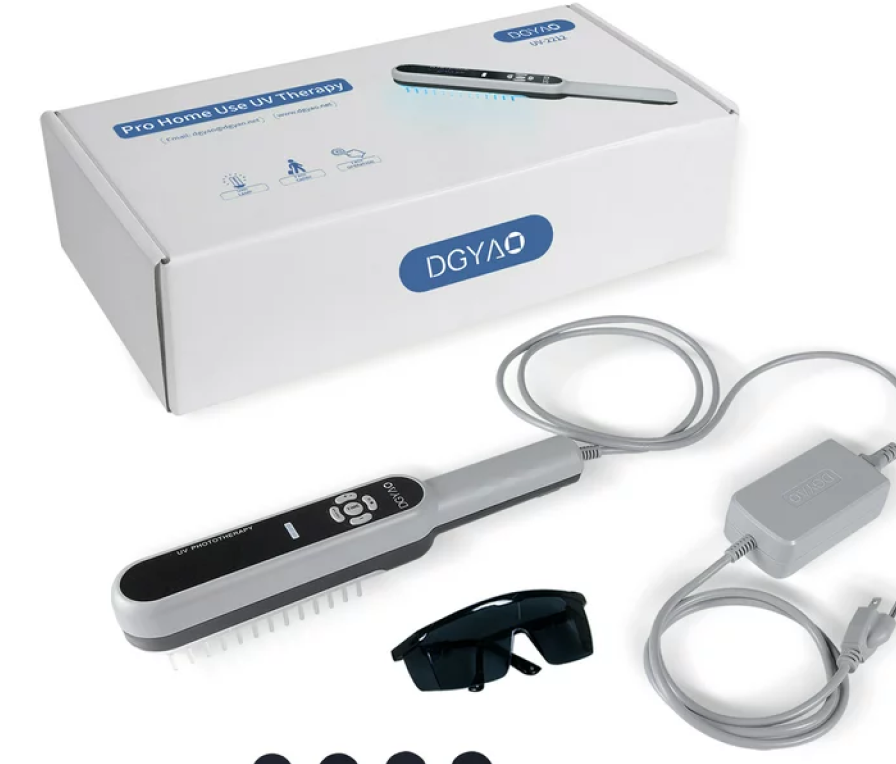
Targeted panel units cost $2,000 to $10,000 and handle hand, foot, and scalp treatments economically (4). These function well as supplementary equipment but cannot anchor a comprehensive program by themselves.
For practices beginning phototherapy implementation clinic operations, I recommend starting with one full-body NB-UVB booth combined with an excimer subscription. This pairing addresses over 90% of clinical phototherapy indications while limiting initial capital investment to $40,000 to $80,000.
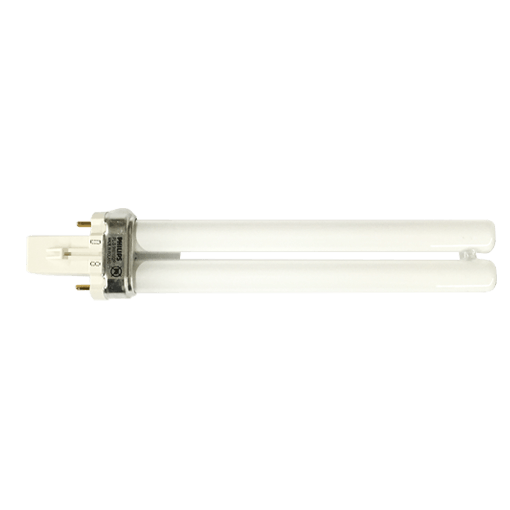
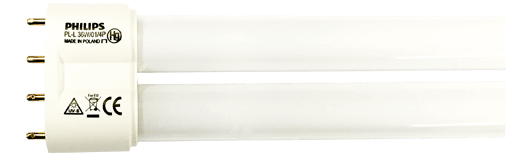
LED-based clinical phototherapy systems now represent 59% of global installations. LED units deliver 60% energy savings and provide 20,000-hour lamp lifespans. Integrated dosimetry platforms compensate automatically for lamp aging.
Staffing & Training Considerations
Successful phototherapy implementation clinic models center on medical assistants or dermatology technicians who deliver treatments under physician supervision. The Dermatology Nurses’ Association sponsors the Joan Shelk Fundamentals of Phototherapy Workshop—a single-day program providing 7.0 contact hours of ANCC-accredited training (11). Equipment manufacturers typically include device-specific instruction with purchase or lease agreements. For a comprehensive overview of onboarding workflows and competency checklists, refer to Training Medical Staff for Phototherapy.
CMS supervision requirements mandate direct supervision. This means a physician must remain physically present within the office suite during treatment delivery, though not in the treatment room itself (12). In group practice settings, any practice physician satisfies this requirement. CMS has permanently extended virtual direct supervision options using real-time audio/video for certain qualifying services (13).
Staffing models scale with program size. Small practices operating one or two units typically assign phototherapy to one cross-trained medical assistant. A single well-trained technician manages 15 to 25 phototherapy patients daily. Larger practices running three or more units benefit from designating one nurse to supervise protocols. Technician compensation ranges from $36,000 to $55,000 annually.
Workflow Integration & Scheduling
Individual treatment sessions are remarkably brief. Total appointment duration runs 15 to 30 minutes, encompassing patient preparation, actual UV exposure, and documentation (14). The UV exposure itself lasts anywhere from two to fifteen minutes. This brevity enables substantial patient throughput when scheduling is well-optimized.
Scheduling strategies that work well: Schedule phototherapy appointments in 15-minute intervals. Dedicate specific time blocks—either morning or late afternoon—exclusively to phototherapy patients rather than scattering appointments throughout the day. Consider offering walk-in availability for established patients following standardized protocols (15).
EMR integration prevents documentation problems. Your phototherapy treatment workflow needs to capture UV dose measured in millijoules per square centimeter, cumulative dose across all sessions, specific body areas treated, any erythema response noted, and staff member identity when topical agents are applied (16). Dermatology platforms including ModMed (EMA), EZDERM, and OmniMD provide purpose-built phototherapy tracking templates.
Patient compliance represents the most significant operational challenge. Treatment protocols span 20 to 36 sessions delivered over two to four months at a frequency of two to three weekly visits (17). Automated appointment reminders help. Flexible scheduling that includes early morning and evening hours accommodates working patients. Regular physician check-ins every four to six sessions maintain engagement. Clinical photography documenting progress reinforces adherence.
Research published in 2024—the LITE trial—compared home-based and office-based NB-UVB therapy. Home treatment proved non-inferior: 32.8% of home-treated patients achieved clear skin compared to 25.6% of office-treated patients (18).
Safety & Compliance Setup
Regulatory classification places UV phototherapy devices as Class II medical devices under 21 CFR 878.4630, which requires FDA 510(k) clearance (19). Verify that all equipment carries valid clearance documentation.
Essential safety protocols include: UV-blocking goggles worn by every patient during each treatment. Genital shielding for male patients receiving full-body therapy. UV-protective eyewear for staff members performing dosimetry measurements (20).
Clinical safety depends on dose monitoring. Minimum Erythema Dose testing conducted before treatment establishes each patient’s baseline UV sensitivity (21). The American Academy of Dermatology recommends weekly metering of dermatology phototherapy equipment output since lamp power declines over time (22). When lamps require replacement, change all lamps simultaneously—never replace individual lamps, as this creates uneven UV distribution (23).
Cumulative dose tracking serves a distinct purpose. Patients who exceed 200 PUVA treatments or 500 NB-UVB treatments enter protocols for heightened skin cancer surveillance (24).
OSHA maintains no specific numerical exposure limits for workplace ultraviolet radiation. However, the General Duty Clause requires employers to maintain workplaces free from recognized hazards (25). Most facilities reference ACGIH Threshold Limit Values—specifically, 3 millijoules per square centimeter over an eight-hour period at 270 nm wavelength (26).
State-level supervision requirements vary across jurisdictions. Before launching services, verify requirements with both your state medical board and Medicare Administrative Contractor (27).
ROI & Service Growth Potential
Reimbursement levels per session vary based on specific CPT codes used and payer contracts. Medicare reimburses approximately $18 to $20 for CPT code 96900 covering basic actinotherapy. CPT 96910, which covers photochemotherapy requiring topical agent application, reimburses $35 to $40. Commercial insurance contracts typically pay 10 to 40% above Medicare rates. Excimer laser codes 96920 through 96922 generate $75 to $160 per session, with a confirmed 3.5% rate increase implemented for 2026.
A significant regulatory development takes effect in January 2027. Excimer laser billing codes, previously limited to psoriasis indications, will expand to cover vitiligo, atopic dermatitis, alopecia areata, and additional inflammatory dermatologic conditions (28). This phototherapy service expansion substantially increases the potential patient population eligible for excimer therapy and reimbursement.
Financial modeling for a single NB-UVB booth seeing 8 to 12 patients daily at blended reimbursement of $80 to $100 per session projects annual revenue between $104,000 and $312,000. Initial setup investment ranges from $31,000 to $68,000. Annual operating costs run $20,000 to $72,000, with staffing representing the largest component. Most practices reach break-even within 6 to 18 months. Whether that timeline holds for your specific payer mix and patient volume is worth stress-testing before you commit — Economic Benefits of Phototherapy breaks down the variables in detail.
Phototherapy patients represent your practice’s highest-frequency patient contact category. Two to three weekly visits sustained over multiple months create natural opportunities for additional services including skin examinations, biopsies, and retail skincare recommendations. Mid-sized practices typically identify 20 to 50 phototherapy candidates from existing patient panels and grow to 30 to 80 active patients at steady state.
The excimer subscription model deserves consideration for practices uncertain about demand. This structure converts fixed capital costs into variable per-treatment fees, eliminating capital risk (5).
Conclusion
Successfully adding phototherapy services dermatology demands operational discipline more than clinical expertise. The clinical evidence base is well-established. Dermatology clinic infrastructure requirements for phototherapy setup are manageable. The financial model delivers returns for practices that execute consistently. What distinguishes successful programs: standardized treatment protocols, rigorously trained technicians, scheduling systems optimized for high-frequency multi-weekly visits, and documentation practices that withstand payer audits.
The January 2027 expansion of excimer laser billing codes represents a near-term catalyst worth noting. For practices currently evaluating whether to integrate phototherapy into dermatology practice operations, the fundamental question isn’t whether phototherapy belongs in contemporary dermatology—it’s whether your practice is prepared to commit to the operational rigor that makes phototherapy programs successful.