HomeArticlesLegal Aspects of Phototherapy: Licensing, Standards, and Physician Responsibility
Written byAnna Chacon,MD; Board-Certified Dermatologist
Published on February 07, 2026
Legal Aspects of Phototherapy: Licensing, Standards, and Physician Responsibility
Introduction
Dermatologists have long relied on phototherapy to manage psoriasis, vitiligo, and atopic dermatitis. But ultraviolet light treatments come with a legal framework practitioners need to understand. Device regulations, medical licensing requirements, consent documentation, and liability concerns all factor into safe, legal phototherapy practice. For US-based dermatologists, grasping FDA regulations, state licensing laws, and malpractice risks is essential.
Phototherapy as a Medical Treatment
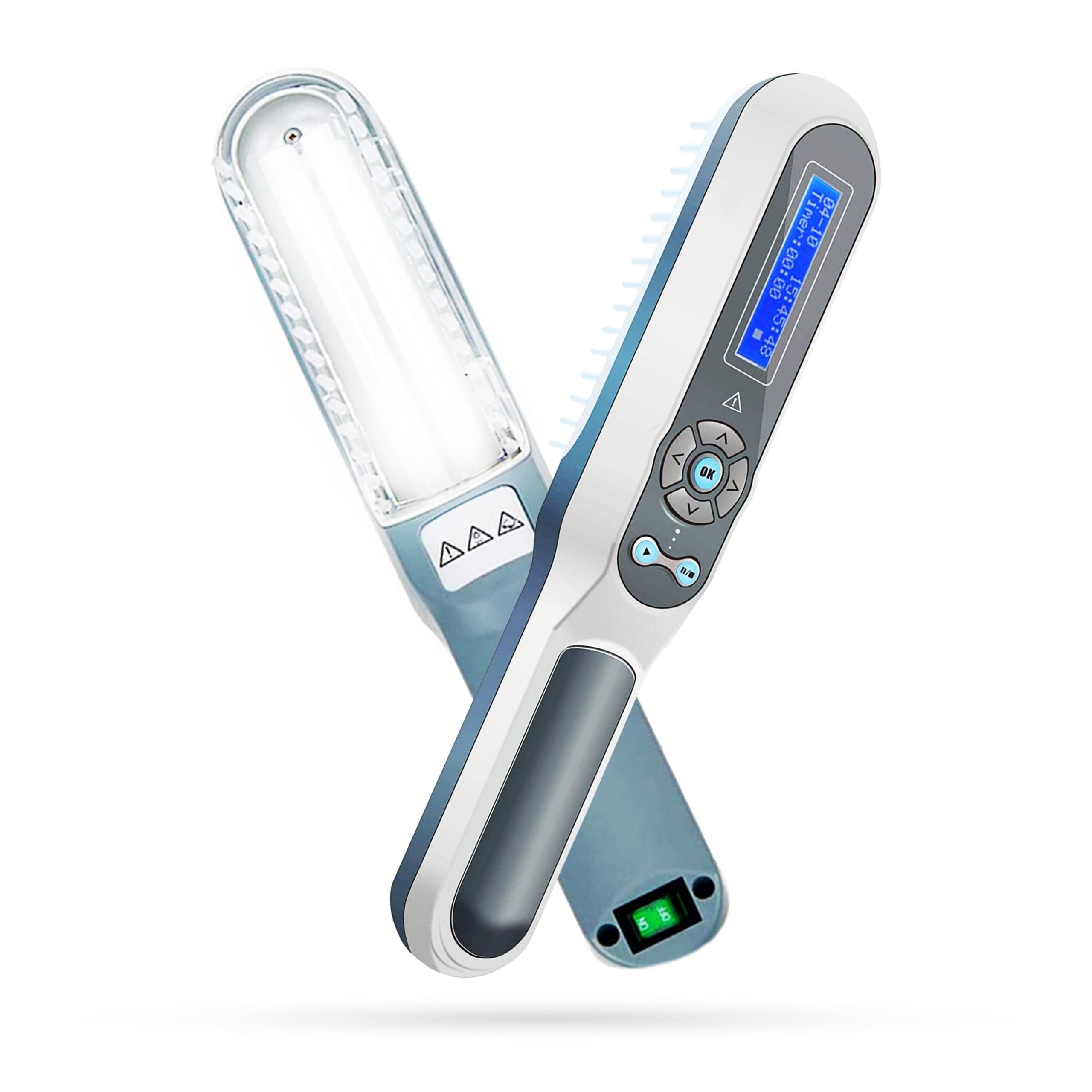
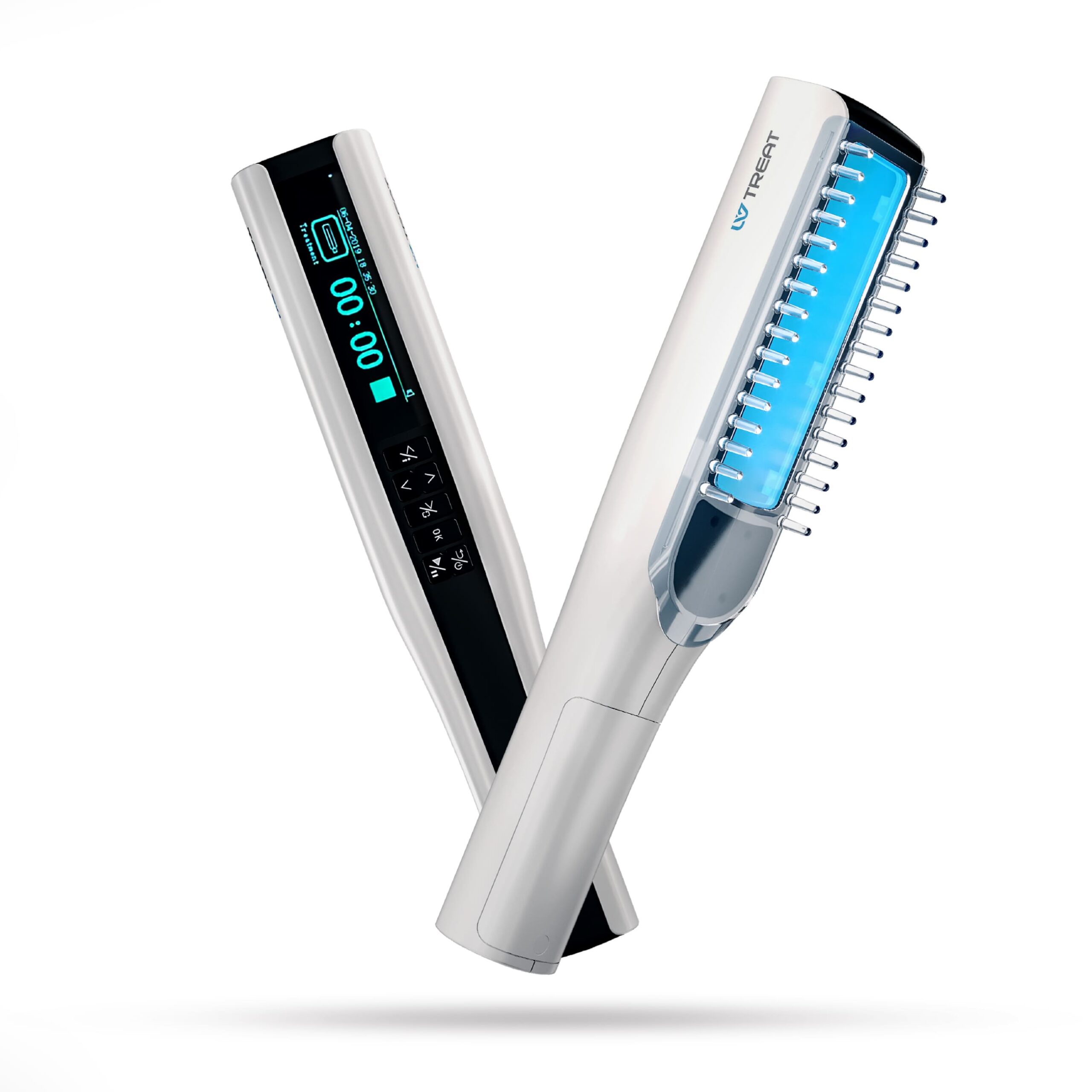
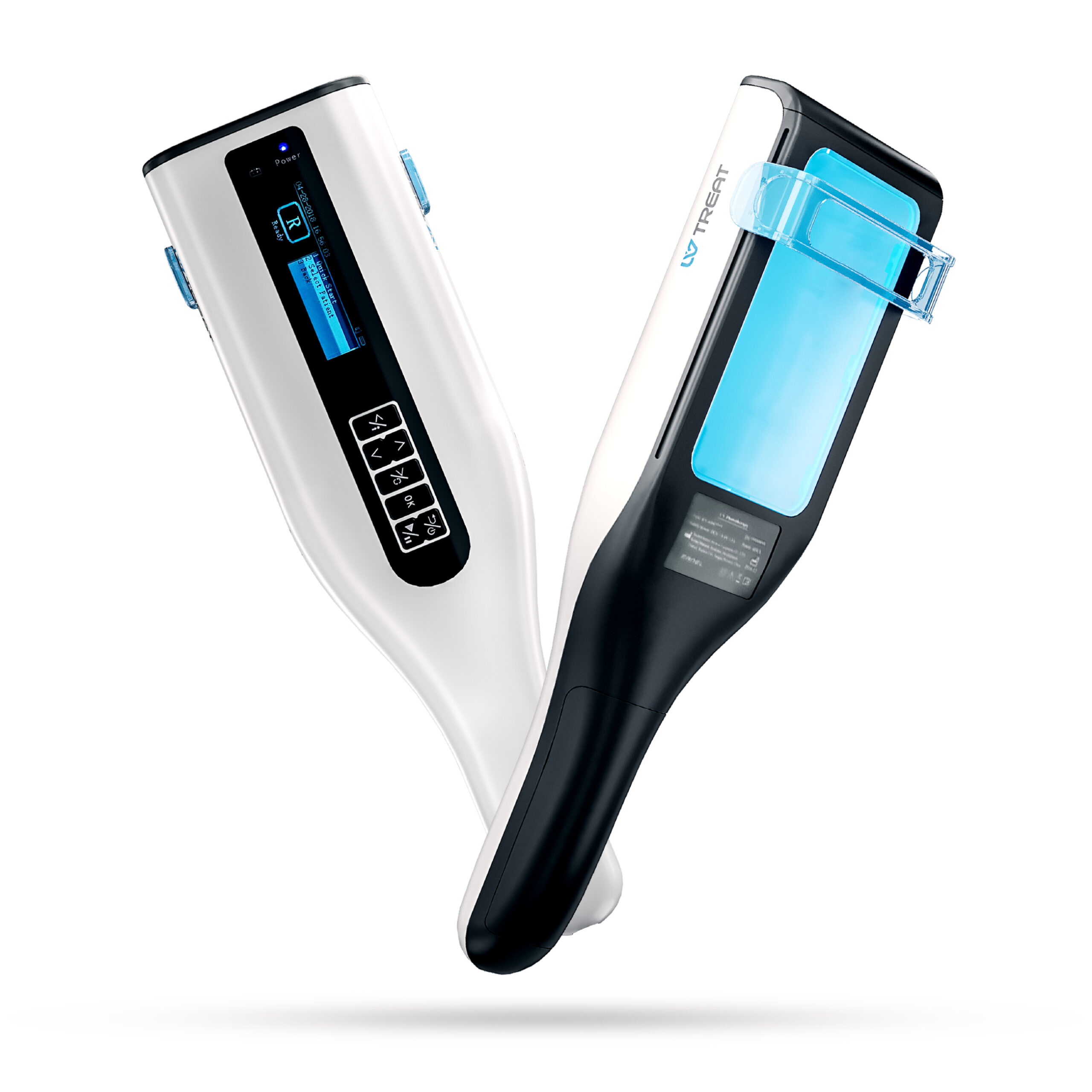
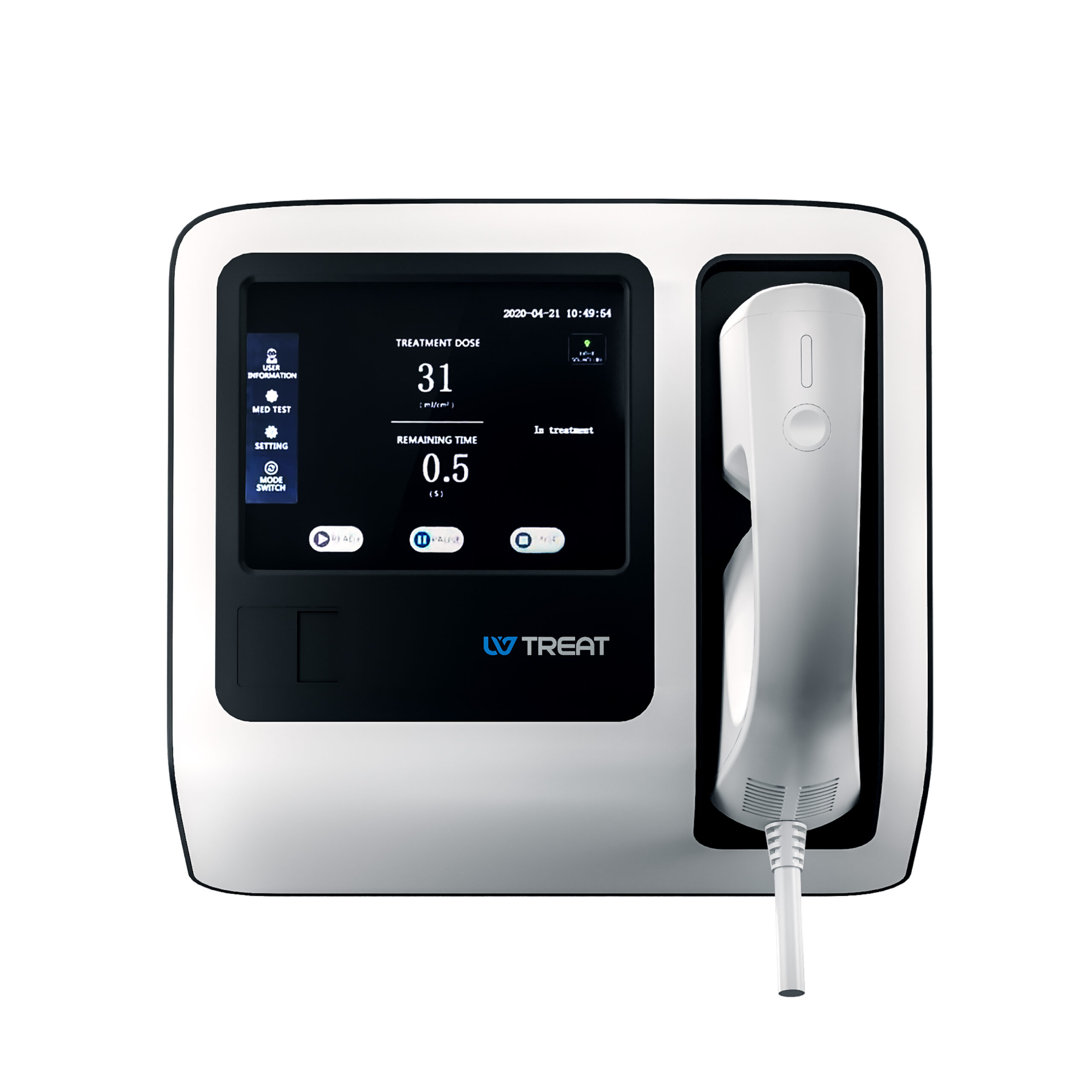
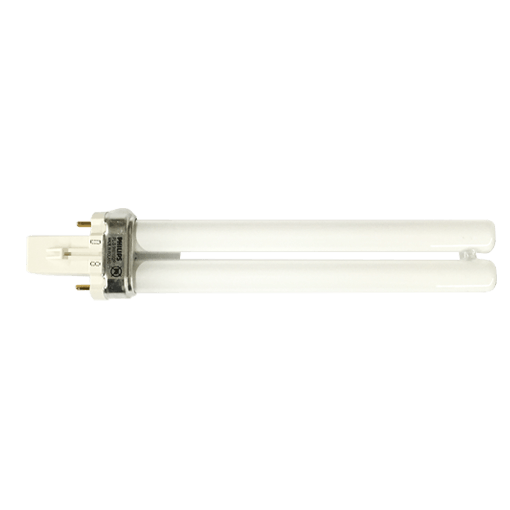
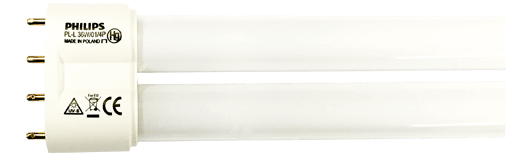
The FDA treats phototherapy equipment as medical devices with real regulatory consequences. Narrowband UVB lamps fall under 21 CFR 878.4630, PUVA cabinets get product code KGL, and neonatal units have their category under 21 CFR 880.5700 (1,2). Manufacturers need 510(k) clearance before selling these devices to medical practices.
Federal regulation 21 CFR 801.109 says only physicians or FDA-licensed manufacturers can distribute phototherapeutic light units (3). Patients need prescriptions whether using in-office or home devices. This legal distinction separates medical phototherapy from cosmetic tanning equipment. The FDA reclassified tanning lamps as Class II medical devices in 2014 after melanoma data accumulated, and many states banned indoor tanning for minors. The message: UV exposure devices need medical oversight.
Most phototherapy devices sit in Class II, which FDA considers moderate-risk. They need premarket notification through 510(k), demonstrating substantial equivalence to legally marketed devices. Manufacturers must meet performance standards for irradiance output, wavelength accuracy, and safety interlocks preventing accidental overexposure.
Phototherapy Licensing Requirements
Here’s where US practitioners face complexity: no federal phototherapy clinic license exists. Instead, you’re dealing with state-by-state regulations. You need a licensed medical facility and appropriate credentials—typically board certification in dermatology or pediatrics. But who can administer phototherapy and under what supervision varies by state.
Many states restrict UV treatments to medical settings requiring physician supervision. Some allow trained medical assistants or nurses to operate equipment under direct oversight. Others require the physician physically present. Check your state’s medical practice act and medical board regulations. Violations can trigger license sanctions or disciplinary action.
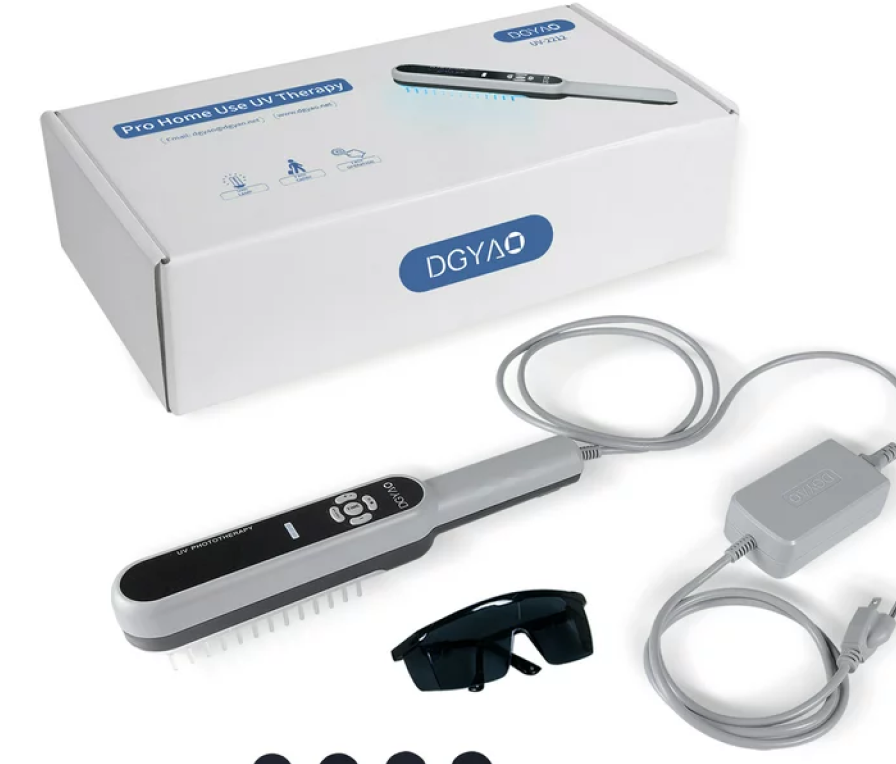
Home phototherapy adds complexity. When prescribing home UVB units, you’re still legally responsible for patient care. Provide clear instructions, monitor treatment progress, adjust protocols, and track adverse events. Many dermatologists require treatment logs and regular follow-ups. This documentation protects you legally if problems arise.
Physician Responsibility
Administering phototherapy means accepting full duty of care: proper patient consent, complication monitoring, and thorough records. Following dermatology legal compliance standards protects both patients and your practice. Spell out immediate risks like burns, eye injury, phototoxic reactions, plus long-term concerns like premature aging and skin cancer.
Texas law explicitly treats undisclosed procedural risk as actionable physician liability (6). If you don’t mention a material risk and it occurs, you face negligence claims even with perfect technique. Other states follow similar principles. Consent discussions need to cover why you’re recommending phototherapy, alternatives, expectations, and potential problems.
For pediatric patients, get parental or guardian consent. Some states recognize mature minor doctrines for older adolescents, but phototherapy generally isn’t included. Get the parent’s signature and document your discussion. Don’t rely on verbal consent.
Here’s what catches practitioners off guard: if your nurse or technician makes a phototherapy mistake, you’re legally responsible. Courts recognize vicarious liability—supervising physicians’ answers for staff actions. One malpractice review stated dermatologists must “verify use of goggles, shields, and dosimetry logs” because “delegated phototherapy remains the physician’s legal responsibility” (7). You need ongoing quality checks, regular competency assessments, and documented protocols staff actually follow.
Legal Risks and Liabilities
Most malpractice in dermatology stems from failing standards of care, and phototherapy cases follow this pattern. Wrong dosing tops the list, followed by missing photosensitivity in patient history, inadequate eye protection causing corneal injury, and failure to monitor cumulative UV exposure. These represent actual lawsuits and settlements.
Every dermatologist should know this case: A patient prescribed narrowband UVB at 500 microjoules per square centimeter received 5,000 microjoules—a tenfold error (7). Result: second-degree burns and later skin cancer. Both supervising dermatologist and administering nurse got sued for inadequate protocols, insufficient training, deficient supervision, and failure to obtain informed consent.
The killer detail? No consent form in the chart. No documentation of risk discussion. When the patient’s attorney requested proof risks were explained, the defense had nothing. That documentation gap turned a difficult case nearly indefensible. The dosing error reflected weak safety systems—no verification step, no protocol hard stops. Missing consent documentation meant the defense couldn’t prove patient understanding. The physician’s oversight failure demonstrated duty breach. Each element compounded liability.
Even with flawless technique, performing treatment without valid informed consent is negligence. Texas courts established this principle clearly (6). It applies directly to phototherapy.
Standards and Guidelines
FDA’s Center for Devices and Radiological Health sets baseline requirements for phototherapy equipment. Manufacturers must meet design and performance standards covering irradiance specifications, wavelength accuracy, timer reliability, and safety interlocks. They follow Quality System Regulations governing design controls, production processes, and complaint handling.
Post-market surveillance is mandatory under 21 CFR Part 803 (4). Healthcare facilities—including your practice—must report adverse events through FDA’s MedWatch. This applies whether problems stem from device malfunction or user error. Patient burn during phototherapy? File a report. Phototherapy unit delivering inconsistent doses? File a report. FDA uses this data to identify safety patterns and issue recalls or communications.
FDA publicly lists phototherapy equipment classifications in its device database. PUVA cabinets are regulated under 21 CFR 878.4630 as moderate-risk devices requiring premarket notification (1). You can verify device clearance status, check recalls, and review safety alerts—useful when purchasing equipment or evaluating sales pitches. Following healthcare regulations ensures safe phototherapy practice.
Documentation and Patient Consent
Good documentation serves clinically and legally. Patient charts need diagnosis justifying phototherapy, treatment plan, dose information for every session, cumulative UV exposure, and complications. This isn’t optional—it’s required for proper care and essential for defense if claims arise.
HIPAA governs information handling. Phototherapy dose logs qualify as protected health information requiring appropriate safeguards—physical security for paper records, encryption and access controls for electronic ones (5). Staff accessing phototherapy records need proper HIPAA training. State laws typically mandate keeping charts seven to ten years, longer for pediatric patients.
Written consent is standard practice. Generic dermatology procedure forms are inadequate. You need specific phototherapy consent addressing UV exposure risks, alternatives like topical or systemic treatments, and expectations. Cover acute risks—burns, eye injury, herpes simplex activation—and long-term risks including photoaging, actinic damage, and skin cancer.
But signed forms aren’t enough alone. Document the consent discussion in your progress note. Write what you told the patient, their questions, your answers, and their demonstrated understanding. This narrative corroborates the form. In litigation five years later, you want contemporaneous records showing exactly what was discussed, not just a signature.
Missing consent documentation becomes evidence of negligence. If patients claim you never explained risks and charts show nothing, you’re reconstructing from memory years later. Judges and juries trust written records made at the time over later physician recollection.
Case Studies and Precedents
Published court decisions focusing exclusively on phototherapy are rare. Most cases settle with confidentiality clauses. But documented incidents in medical liability literature teach lessons. That dosing error case appears in multiple malpractice reviews as cautionary. The dermatologist faced liability beyond the dosing mistake itself—the lawsuit challenged training procedures, safety protocols, supervision methods, consent processes. Courts see these as preventable with proper systems.
Texas courts established clear precedent: performing procedures without valid informed consent constitutes negligence, full stop. While precedent comes from other procedures, the principle applies directly to phototherapy. Consent isn’t checking a box—it’s a fundamental patient right and legal obligation courts take seriously.
Future Legal Trends in Phototherapy
Technology is changing phototherapy regulation. AI integration represents the biggest shift coming. Imagine smart units using sensors measuring erythema development to automatically adjust next doses, or machine vision assessing skin response real-time to modify parameters. These adaptive algorithms fall under FDA’s Software as a Medical Device regulations.
FDA’s 2021 AI and Machine Learning Action Plan outlines agency oversight of adaptive medical algorithms (8). Key issue: these systems learn and change over time, so performance can drift from validation during approval. FDA is developing frameworks for continuous monitoring and periodic re-validation. AI-enabled phototherapy equipment will face more regulatory scrutiny and documentation requirements.
Telemedicine represents another growth area with regulatory complexity. Remote monitoring for home phototherapy patients—uploading photos, adjusting protocols—sounds great but telehealth licensing creates barriers. HHS notes telehealth licensure varies at federal, state, and cross-state levels (9). COVID temporary waivers letting physicians practice across state lines have mostly expired.
Practical issue: managing home phototherapy for out-of-state patients generally requires licensure in their state. Some states participate in interstate compacts streamlining the process, but not all. Even compact licenses have limitations. Prescribing phototherapy devices across state lines without proper licensure exposes you to action from multiple state medical boards.
Conclusion
Phototherapy works effectively for multiple skin conditions but carries real risks justifying its regulatory framework. In the United States, these devices are medical equipment under FDA oversight, state licensing requirements, and malpractice liability. Your legal obligations extend beyond equipment operation. You need documented informed consent covering immediate and long-term risks, verification protocols for staff-administered treatments, accurate detailed records of every session, and prompt adverse event reporting.
Malpractice cases teach clear lessons: failing to obtain informed consent is negligence regardless of technical execution. Supervising physicians bear legal responsibility for staff actions through vicarious liability. Inadequate safety systems demonstrate duty of care breach. These aren’t abstract theories—courts apply these principles when patients suffer harm. As technology evolves with AI-driven dosing and telemedicine monitoring, regulatory requirements will keep changing. But fundamentals remain constant: proper device selection and maintenance, thorough patient education, meticulous documentation, and consistent supervision protect patients and defend professional integrity.
Share
References
1. US Food and Drug Administration. Product Classification Database: Phototherapy Devices. 21 CFR 878.4630.
2. US Food and Drug Administration. eCFR Title 21, Part 880.
3. US Food and Drug Administration. 21 CFR 801.109: Prescription Devices.
4. US Food and Drug Administration. 21 CFR Part 803: Medical Device Reporting.
5. National Psoriasis Foundation. Light Therapy for Psoriasis.
6. Texas Medical Liability Trust. Failure to Obtain Informed Consent.
7. State Volunteer Mutual Insurance Company. Aesthetic Care and Legal Risk.
8. US Food and Drug Administration. AI/ML Action Plan (2021).
9. US Department of Health and Human Services. Telehealth Policy.
FAQ
There's no separate federal phototherapy license. You need a licensed medical facility and appropriate credentials—typically dermatology board certification. State medical boards regulate who can administer phototherapy and supervision requirements. Check your state's medical practice act.
You remain legally responsible through vicarious liability. Courts hold supervising physicians accountable for technician and nurse actions. Verify training, ensure protective equipment use, maintain dosimetry logs, implement safety protocols. Delegation doesn't eliminate legal responsibility—it requires ongoing oversight.
Yes. US courts ruled performing procedures without proper consent constitutes negligence. Your consent process should cover acute risks like burns and eye injury, long-term skin cancer risk, alternatives, and expected outcomes. Document both signed consent and your discussion in the medical record.
To provide the best experiences, we use technologies like cookies to store and/or access device information. Consenting to these technologies will allow us to process data such as browsing behavior or unique IDs on this site. Not consenting or withdrawing consent, may adversely affect certain features and functions.
Functional
Always active
The technical storage or access is strictly necessary for the legitimate purpose of enabling the use of a specific service explicitly requested by the subscriber or user, or for the sole purpose of carrying out the transmission of a communication over an electronic communications network.
Preferences
The technical storage or access is necessary for the legitimate purpose of storing preferences that are not requested by the subscriber or user.
Statistics
The technical storage or access that is used exclusively for statistical purposes.The technical storage or access that is used exclusively for anonymous statistical purposes. Without a subpoena, voluntary compliance on the part of your Internet Service Provider, or additional records from a third party, information stored or retrieved for this purpose alone cannot usually be used to identify you.
Marketing
The technical storage or access is required to create user profiles to send advertising, or to track the user on a website or across several websites for similar marketing purposes.