Written by
Anna Chacon,MD; Board-Certified Dermatologist
Published on February 18, 2026
Optimizing Patient Throughput in Phototherapy Clinics
Managing phototherapy clinic throughput profitably requires more than clinical expertise in managing psoriasis or vitiligo. After years of operating phototherapy services in a busy dermatology practice, I’ve observed that the difference between a thriving program and one that struggles financially comes down to operational efficiency — how well you manage phototherapy patient flow, equipment utilization, and staff resources.
The phototherapy equipment market is growing at 8.1% annually, expected to reach $2.1 billion by 2032 (1). This growth reflects increasing patient demand for non-invasive treatment options and expanding clinical indications. However, equipment acquisition is just the starting point.
Capacity Planning & Scheduling Models
Two narrow-band UVB cabins running efficiently can handle roughly four patients per hour (2). Sessions average 15 minutes, though UV exposure time shifts based on skin type classification, minimal erythema dose testing results, and the specific condition being treated. What looks clean on paper tends to get messier in practice—patient lateness, documentation gaps, and setup delays all eat into theoretical capacity.
Phototherapy patient scheduling benefits most from block scheduling in mature programs. Concentrated morning blocks work better than appointments scattered across the day, mostly because patients tend to arrive on time earlier and staff can sustain a predictable rhythm. Scattered flexible scheduling creates the kind of equipment downtime that looks harmless appointment-by-appointment but costs significant revenue monthly.
Treatment frequency determines your capacity requirements. Most patients with moderate to severe psoriasis or atopic dermatitis need two to three weekly sessions for several weeks to months (3). This creates a predictable patient load once your program reaches maturity. For example, starting 10 new patients monthly, with each requiring 24 sessions over three months, quickly establishes a steady-state capacity of 30–40 active patients at any given time.
The real challenge emerges during program ramp-up. You’ve made substantial equipment investments, but the cabins sit empty. The solution involves strategic patient acquisition before equipment installation. Partnerships with rheumatologists for psoriatic arthritis patients, pediatricians for pediatric atopic dermatitis cases, and internal medicine groups for patients with lichen planus or pruritus establish your referral pipeline. Integrating phototherapy into clinics as part of a multidisciplinary care model, rather than as an isolated service, dramatically accelerates early utilization.
Staffing & Multi-Device Workflow Management
Phototherapy doesn’t require one-to-one staffing ratios, which represents a significant part of its financial attractiveness. A single trained medical assistant or phototherapy technician can manage multiple patients simultaneously. The key lies in understanding supervision requirements and designing efficient dermatology clinic workflow patterns.
For standard narrow-band UVB therapy, general physician supervision is sufficient (4). This regulatory framework means the dermatologist needs to be available in the clinic but doesn’t need to be physically present in the treatment room during UV exposure. PUVA therapy and intensive Goeckerman treatment protocols require direct physician supervision due to their complexity and the potential risks involved (5).
In my practice, we implemented a hub-and-spoke model utilizing three phototherapy cabins. One dedicated technician manages patient intake, positions patients in cabins, sets individual treatment parameters, and monitors progress throughout the session. The phototherapy workflow optimization operates like this: While Patient A receives treatment in cabin one, the technician prepares Patient B in cabin two. By the time Patient A completes treatment and dresses, Patient C is checking in and reviewing their treatment plan. The technician rotates efficiently through setup, monitoring, and documentation tasks.
This operational model requires substantial cross-training investment. Your phototherapy technician needs to understand not just equipment operation but also how to recognize early signs of phototoxic reactions, adjust UV dosing based on minimal erythema dose testing and prior treatment response, and document treatments properly for billing and medical necessity purposes. Many insurance claim denials stem from incomplete or inaccurate documentation, making your technicians the first line of defense against revenue loss (6).
When you’re processing 20 patients daily, this documentation accumulates rapidly. We invested in an electronic health record system that pre-populates treatment logs based on patient history and allows technicians to update records between patient rotations without disrupting workflow.
Equipment Utilization & Throughput Optimization
Cabin utilization phototherapy rates directly impact your return on investment in phototherapy. A single phototherapy cabin costing $8,000 to $10,000 needs to operate at high capacity to justify the capital expenditure. Industry benchmarks target 60% utilization in Year 1, progressively building toward 90% utilization by Year 5. Understanding what these percentages mean in practical terms helps you plan realistically.
If your clinic operates 40 hours weekly and maintains two phototherapy cabins, you have 80 potential cabin-hours available for patient treatments. At 60% utilization, you’re actually using 48 cabin-hours for billable treatments. With standard 15-minute treatment sessions, this translates to approximately 192 patient treatments weekly, roughly equivalent to 40 active patients each receiving their standard twice-weekly phototherapy sessions.
Cabin turnover time represents where operational efficiency often disappears. You need dedicated time between patients to properly clean touchpoints, reset equipment parameters, and prepare for the next patient. We established a five-minute target between patients, but I’ve observed that without constant attention, this interval creeps toward 10 minutes. That extra five-minute gap costs you 33% of your theoretical phototherapy treatment capacity.
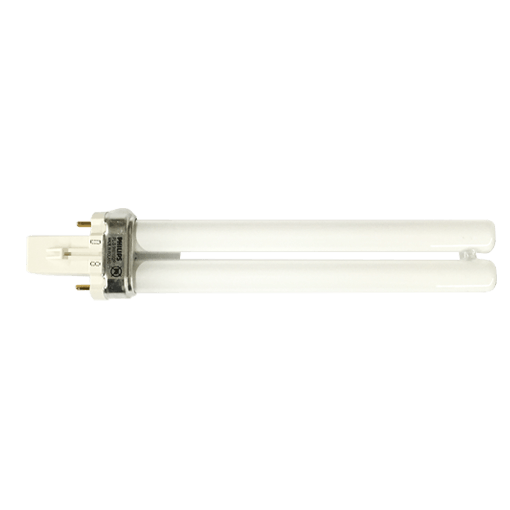
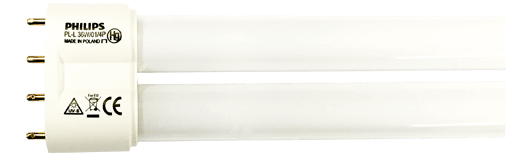
Reducing idle time requires multiple coordinated strategies. First, stagger appointment times so one patient is always ready when a cabin becomes available. Second, prepare individual treatment parameters in advance, don’t wait until the patient has undressed to review their dosing schedule and set equipment. Third, maintain equipment properly through scheduled preventive maintenance so you’re not losing entire treatment sessions to malfunctioning timers or burnt-out UV bulbs. For a deeper look at managing device lifespan strategically, see our Equipment Lifecycle resource.
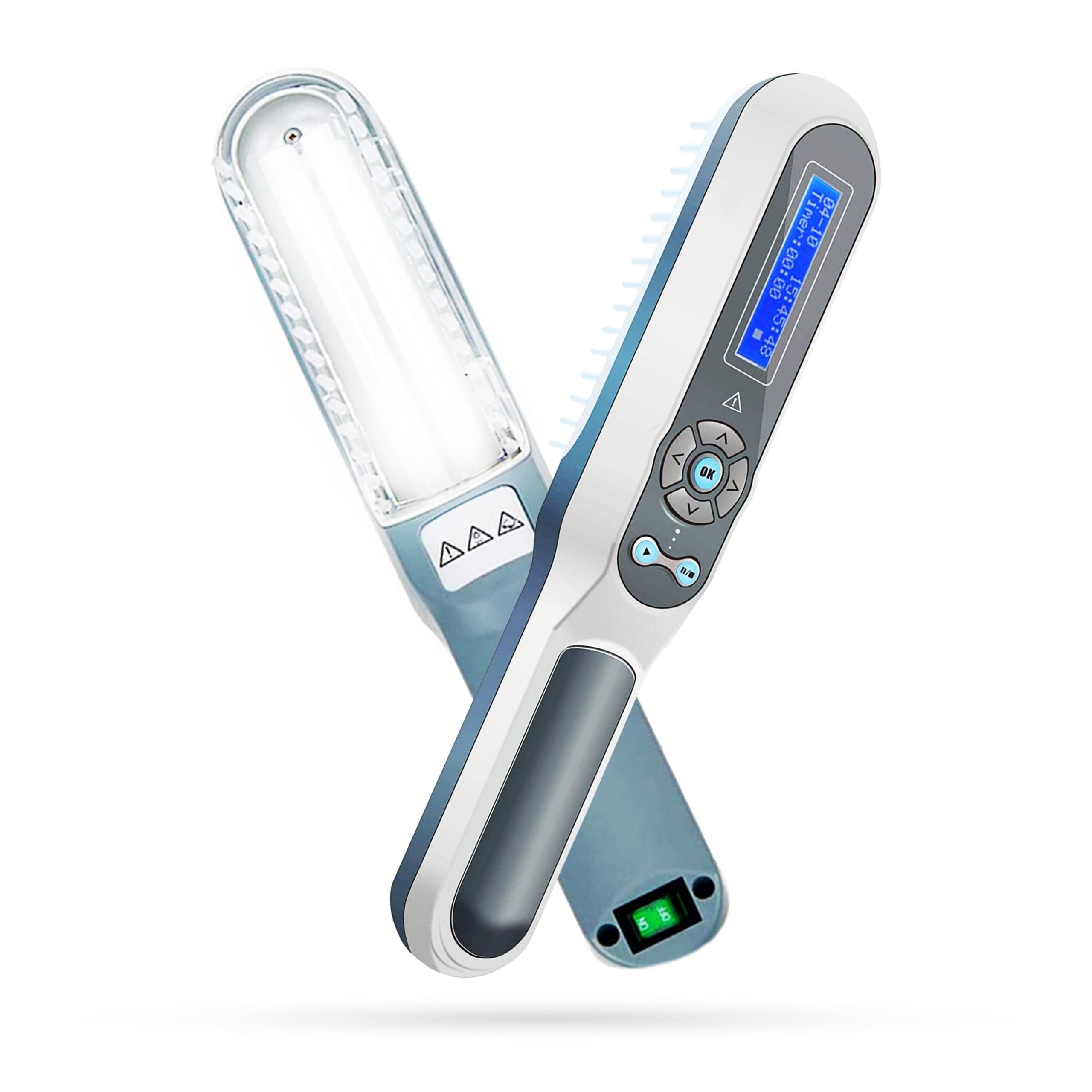
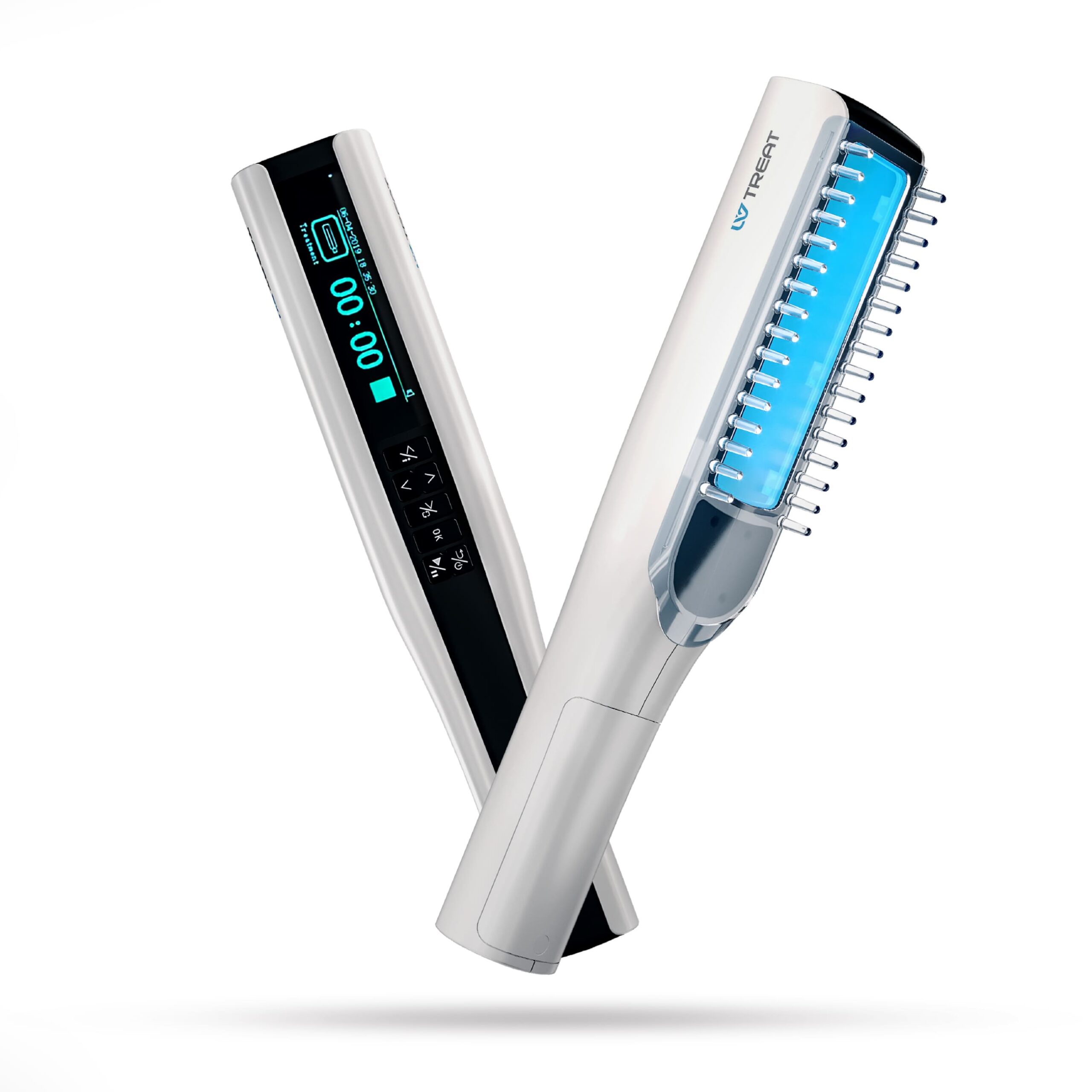
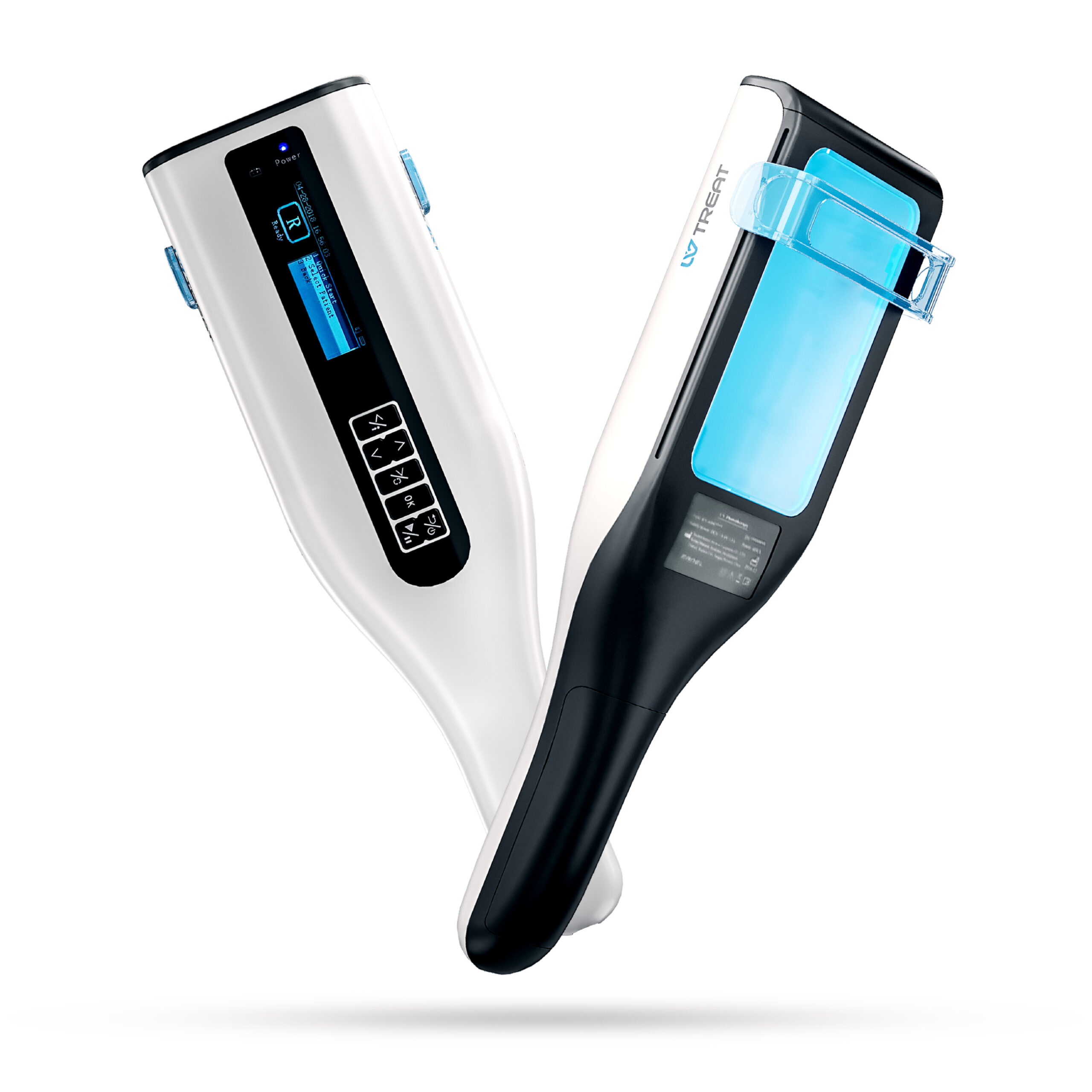
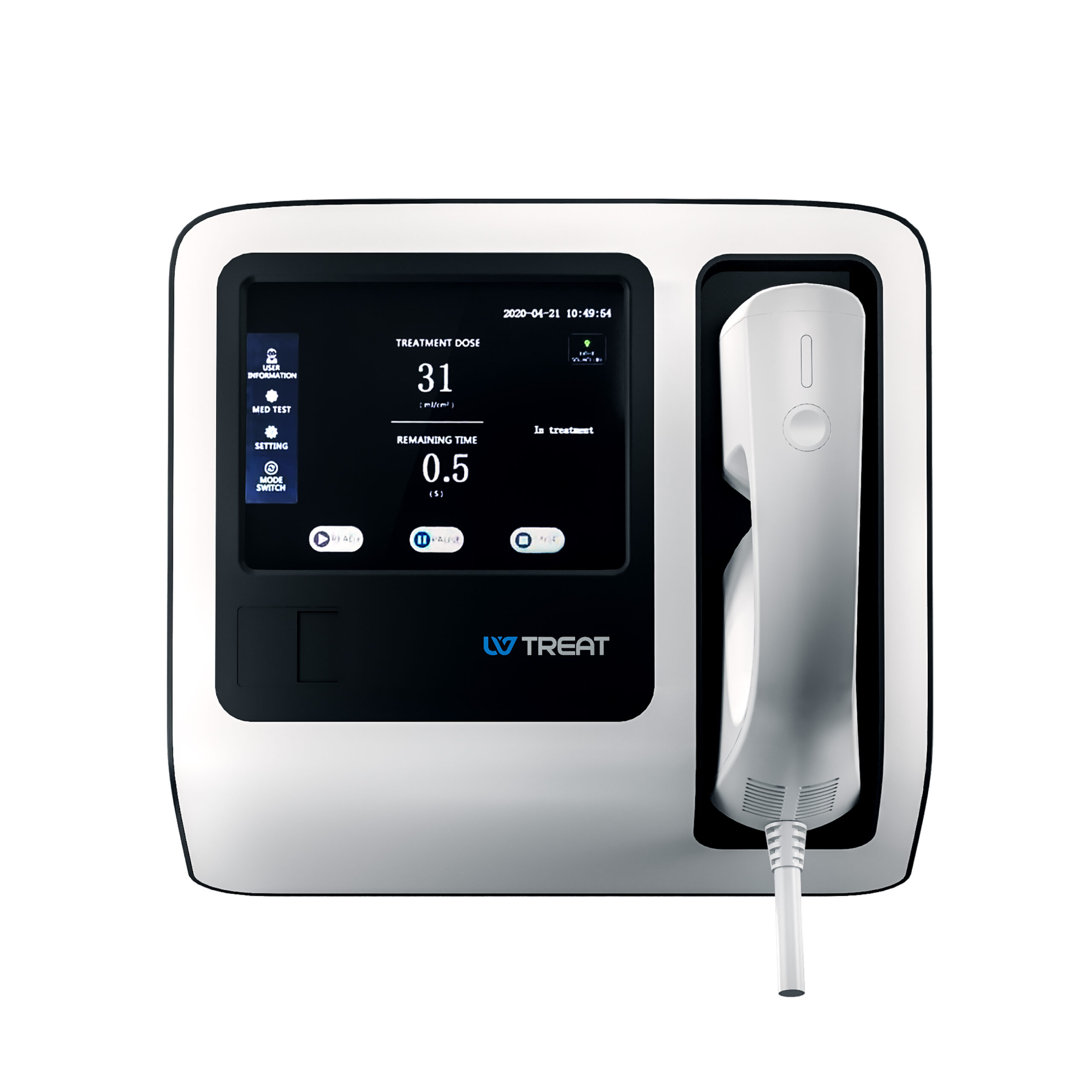
LED-based phototherapy devices improve utilization through longer lifespan, lower maintenance requirements, and reduced downtime. These systems last longer, require less frequent maintenance, and demonstrate 20% higher return on investment compared to traditional fluorescent lamp systems (8). The upfront equipment cost runs higher, sometimes double that of conventional systems, but the reduced downtime, lower energy consumption, and extended bulb life make them economically attractive for high-volume clinics. Learn more about available medical phototherapy solutions built for clinical throughput demands.
Patient Flow & Wait Time Reduction
Patient experience affects throughput because no-shows kill utilization. A missed appointment means empty cabins. Digital check-in reduced our no-show rate from 15% to under 5%. Patients confirm via text 24 hours prior and check in on arrival, alerting staff and allowing time to fill cancellations.
Staggered appointments prevent bottlenecks. Instead of three 9 AM appointments, book them at 8:45, 9:00, and 9:15. This manages workflow without overwhelming staff.
New phototherapy patients require separate 30-minute orientation before first treatment. This investment accelerates subsequent visits significantly.
Revenue Optimization per Treatment Slot
Every phototherapy session has financial value, but not all are equally profitable. Medicare reimburses CPT codes differently. Basic actinotherapy (96900) provides lowest reimbursement. Adding tar or petroleum (96910) or using PUVA (96912) increases reimbursement through higher relative value units (9). Excimer laser treatments (96920–96922) reimburse at premium rates (10).
Payer mix matters enormously. Medicare rates dropped 2.83% in 2025 (11). Commercial insurance typically pays 150–200% of Medicare rates. A clinic with 70% commercial patients reaches profitability faster than one dominated by Medicare.
We track total visits, utilization percentage, average revenue per visit, and denial rate weekly. Denial rates below 5% are critical — each denied claim costs $25–$118 to resolve (12).
Financial Impact on Clinic Revenue
Well-managed phototherapy programs achieve strong gross margins. Initial investment is substantial — $6,000–$16,000 for two narrow-band UVB cabins, or $200,000+ with an excimer laser. Scaling phototherapy programs beyond a single site benefits from standardized protocols that replicate these economics reliably.
Several factors drive this performance. Phototherapy generates recurring revenue, patients return multiple times weekly for months. It addresses chronic conditions requiring ongoing treatment. Insurance coverage is generally good for psoriasis and atopic dermatitis, with less complex prior authorization than biologics (13).
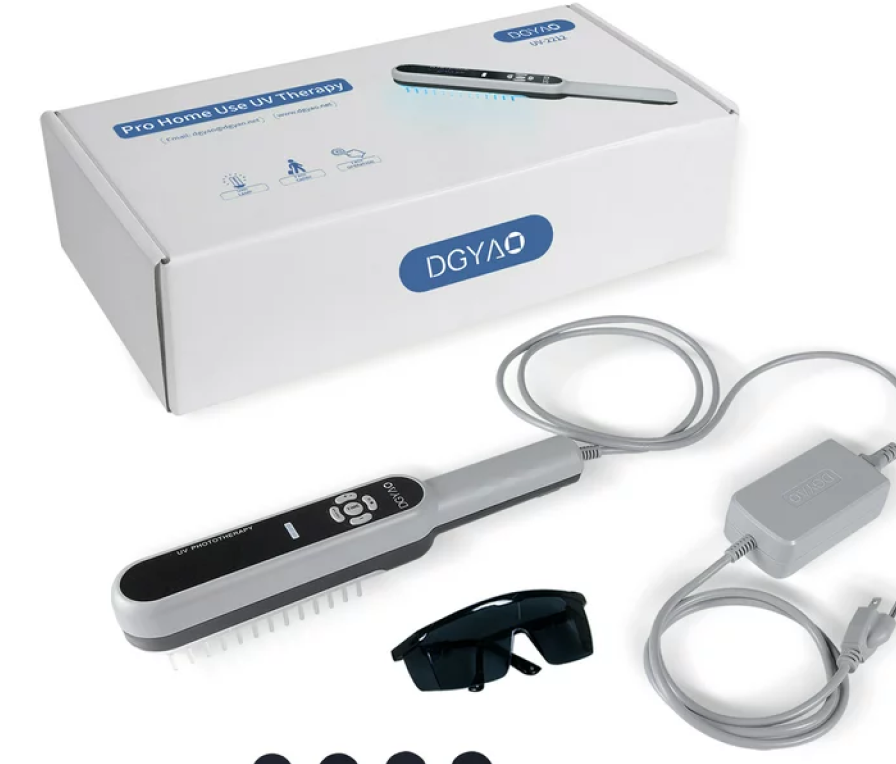
Market dynamics are shifting. The global market is growing, but home devices are gaining share (14). Some patients prefer home treatment convenience, and Medicare covers home units as durable medical equipment. This creates pricing pressure, though most patients still prefer professional settings.
Long-term profitability requires operational attention. Monthly utilization reviews, quarterly scheduling adjustments, and staff training minimize documentation errors. These determine whether phototherapy contributes to practice revenue or becomes a loss. Explore our range of medical phototherapy solutions designed to support high-utilization clinical environments.
Conclusion
Optimizing phototherapy clinic efficiency throughput balances clinical quality with operational efficiency. Success requires attention to capacity planning, efficient staffing models, equipment utilization maximization, streamlined patient flow, and understanding financial drivers.
The market opportunity is real, growing demand, favorable reimbursement for established indications, and improving technology. But success requires deliberate operational planning and continuous metric monitoring. Start with realistic utilization targets, invest in staff training, implement systems reducing documentation errors, and build referral relationships before installing equipment.
References
1. Coherent Market Insights. (2025). Phototherapy Equipment Market Size to Hit USD 2.75 billion by 2032. Retrieved from https://www.coherentmarketinsights.com/market-insight/phototherapy-equipment-market-1177
2. Dualight. (2023). Insurance Billing – Reimbursement information for Dualight customers. Retrieved from https://dualight.com/resources/insurance-billing/
3. Blue Cross Blue Shield. (2025). Medical Policy Phototherapy: PUVA, UV-B and Targeted Phototherapy. Policy No. 059. Retrieved from https://www.bluecrossma.org/medical-policies/sites/g/files/csphws2091/files/acquiadam-assets/059%20Phototherapy%20PUVA%20UV-B%20and%20Targeted%20Phototherapy%20prn.pdf
4. Blue Cross Blue Shield. (2025). Medical Policy Phototherapy. Policy No. 059. Retrieved from https://www.bluecrossma.org/medical-policies/sites/g/files/csphws2091/files/acquiadam-assets/059%20Phototherapy%20PUVA%20UV-B%20and%20Targeted%20Phototherapy%20prn.pdf
5. Dualight. (2023). Insurance Billing. Retrieved from https://dualight.com/resources/insurance-billing/
6. Derm Care Billing Consultants. (2025). Hidden Costs of Untracked Dermatology Claim Denials. Retrieved from https://dermcarebillingconsultants.com/dermatology-practice-tips/claim-denials-dermatology-costs/
7. Molina Healthcare. (2023). Clinical Policy Phototherapy and Laser Therapy for Dermatological Conditions. Policy No. 292. Retrieved from https://www.molinahealthcare.com/providers/oh/medicaid/policies/-/media/Molina/PublicWebsite/PDF/Providers/oh/medicaid/policies/MCP-292-Phototherapy-and-Laser-Therapy-for-Dermatological-Conditions-0723.pdf
8. Reports and Data. (2024). Phototherapy Market Size, Share and Forecast (2022-2034). Retrieved from https://www.reportsanddata.com/report-detail/phototherapy-market
9. CMS1500 Claim Billing. (2025). CPT Code 96910: 2025 Photochemotherapy Coding & Billing. Retrieved from https://cms1500claimbilling.com/boost-derma-billing-cpts-96910-96912-96920-clarity-now/
10. Dualight. (2023). Insurance Billing. Retrieved from https://dualight.com/resources/insurance-billing/
11. ModMed. (2025). 2025 Medicare Reimbursement Changes to the Physician Fee Schedule. Retrieved from https://www.modmed.com/resources/blog/physician-fee-schedule-updates-medicare-reimbursement-code-and-rate-changes
12. Derm Care Billing Consultants. (2025). Hidden Costs of Untracked Dermatology Claim Denials. Retrieved from https://dermcarebillingconsultants.com/dermatology-practice-tips/claim-denials-dermatology-costs/
13. Blue Cross Blue Shield. (2025). Medical Policy Phototherapy. Policy No. 059. Retrieved from https://www.bluecrossma.org/medical-policies/sites/g/files/csphws2091/files/acquiadam-assets/059%20Phototherapy%20PUVA%20UV-B%20and%20Targeted%20Phototherapy%20prn.pdf
14. GM Insights. (2025). Phototherapy Equipment Market Size, Statistics Report 2034. Retrieved from https://www.gminsights.com/industry-analysis/phototherapy-equipment-market