HomeArticlesPersonalized Phototherapy Guide — Personalizing Phototherapy: Tailoring Protocols to Patients
Written byAnika Goel,MD; Board-Certified Dermatologist
Published on December 26, 2025
Personalized Phototherapy Guide — Personalizing Phototherapy: Tailoring Protocols to Patients
Personalizing Phototherapy
Every dermatologist knows this moment: a patient sits down, a little tired, a little hopeful, and says they just want something that finally works without turning their life upside down. That’s usually when the conversation shifts toward personalized phototherapy.
It’s not flashy medicine. It’s steady, predictable, and grounded in years of data. And when clinicians take the time to shape phototherapy protocols around a person’s real life — their schedule, their sensitivities, their rhythms — the treatment becomes surprisingly humane.
This is where individualized skin therapy isn’t a trend but a quiet return to common sense.
Why Personalization Matters in Phototherapy
Skin isn’t logical. It reacts to stress, hormones, climate, sleep, diet, and sometimes nothing obvious at all. That’s why strict, standardized routines often fall short.
A tailored approach lets phototherapy treatment flex in small ways that make a big difference: shorter sessions for sensitive skin, slower climbs for eczema, and faster intensification for stubborn psoriasis.
It’s also where customized dermatology treatments shine. Patients tend to feel safer when the plan reflects their real pace rather than an idealized protocol.
Factors Influencing Phototherapy Protocols
Clinicians don’t personalize for the sake of personalization — they do it because the details actually matter.
Age, Fitzpatrick type, medical history, how quickly someone reddens, whether they’re juggling shift work or parenting — all of it influences how tailoring light therapy unfolds. Dermatologists essentially build a patient-specific treatment map that they tweak as the skin gives feedback.
Common Conditions Treated with Phototherapy
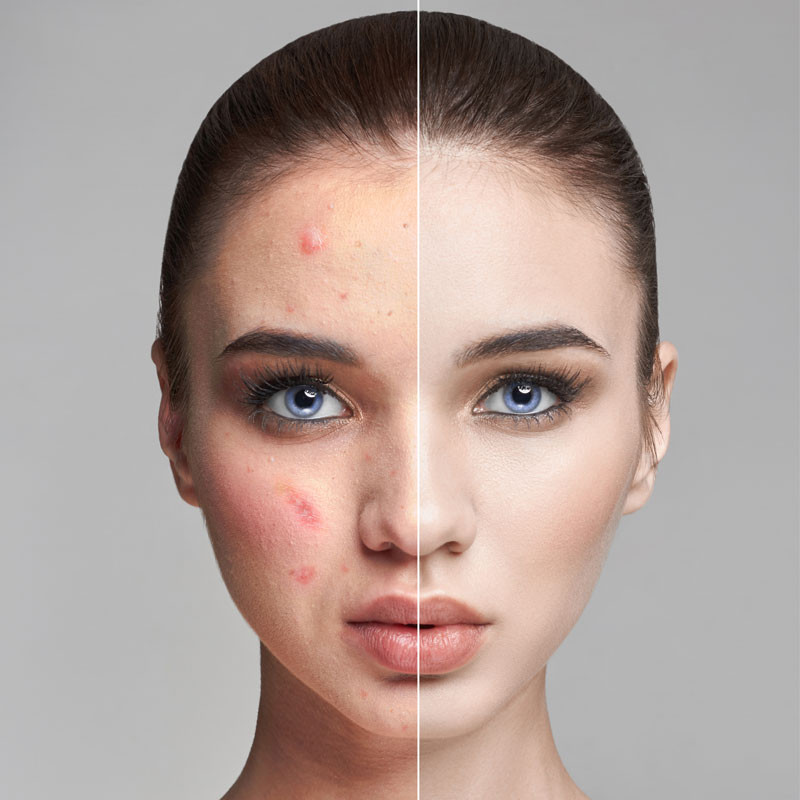
Across clinics, the same few diagnoses return again and again. Psoriasis, acne, and eczema lead the list, followed by vitiligo, chronic pruritus, and some inflammatory rashes that resist medication.
What makes phototherapy for patients valuable here is its predictability. When done carefully, it reduces inflammation without pushing the body into side-effect territory. For many, dermatology phototherapy becomes the treatment they stay on because it doesn’t ask too much of them.
Tailoring Protocols: Clinical Perspective
If a dermatologist adjusts a plan, it’s rarely dramatic. More like fine-tuning a dial: a slightly higher phototherapy dosage, one more rest day, a different device for elbows or scalp, or a slower ramp for someone who burns easily.
This is the heart of precision phototherapy — the ability to keep treatment effective while respecting the patient’s tolerance.
Many small decisions, made consistently, shape long-term outcomes far more than big changes.
At-Home vs In-Clinic Protocols
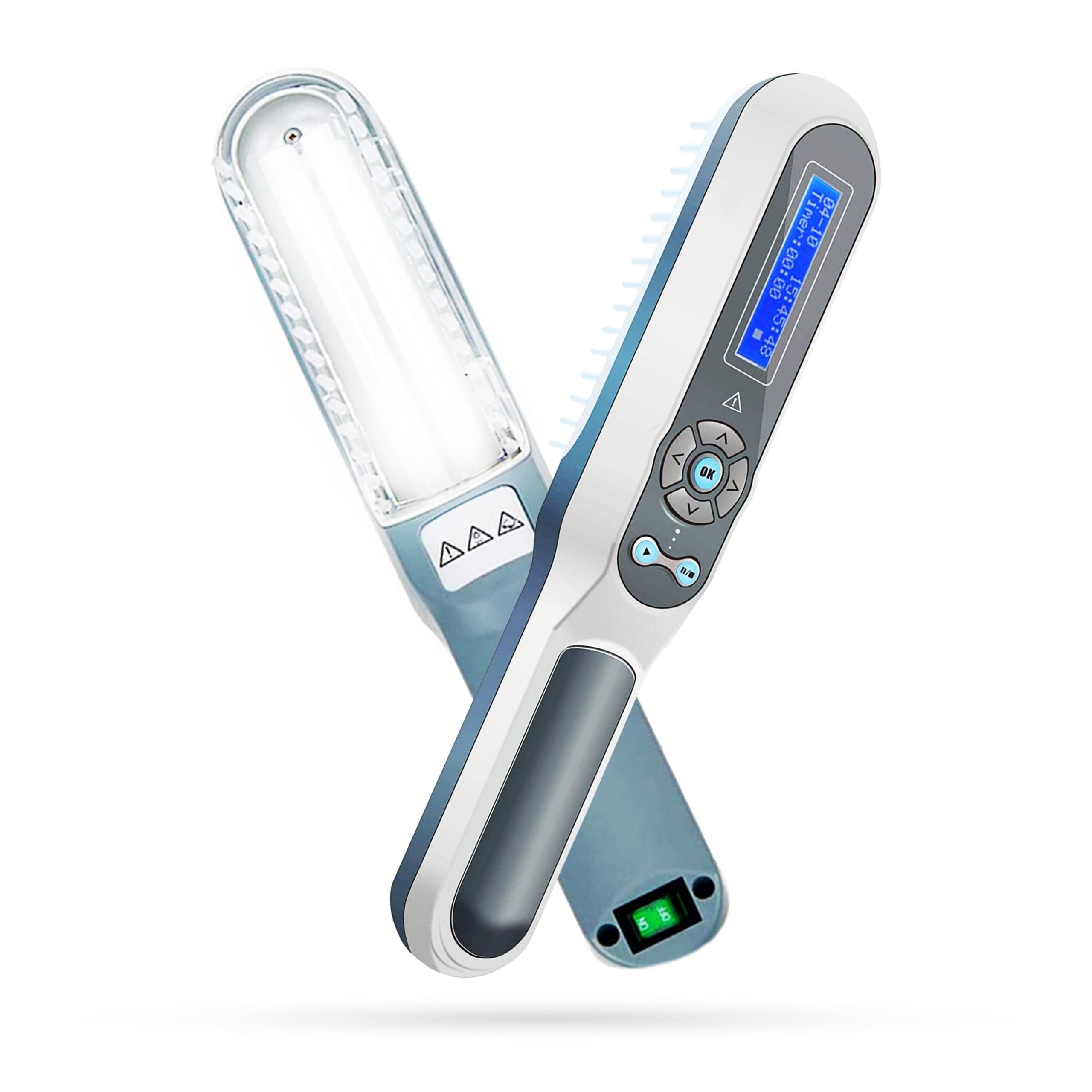
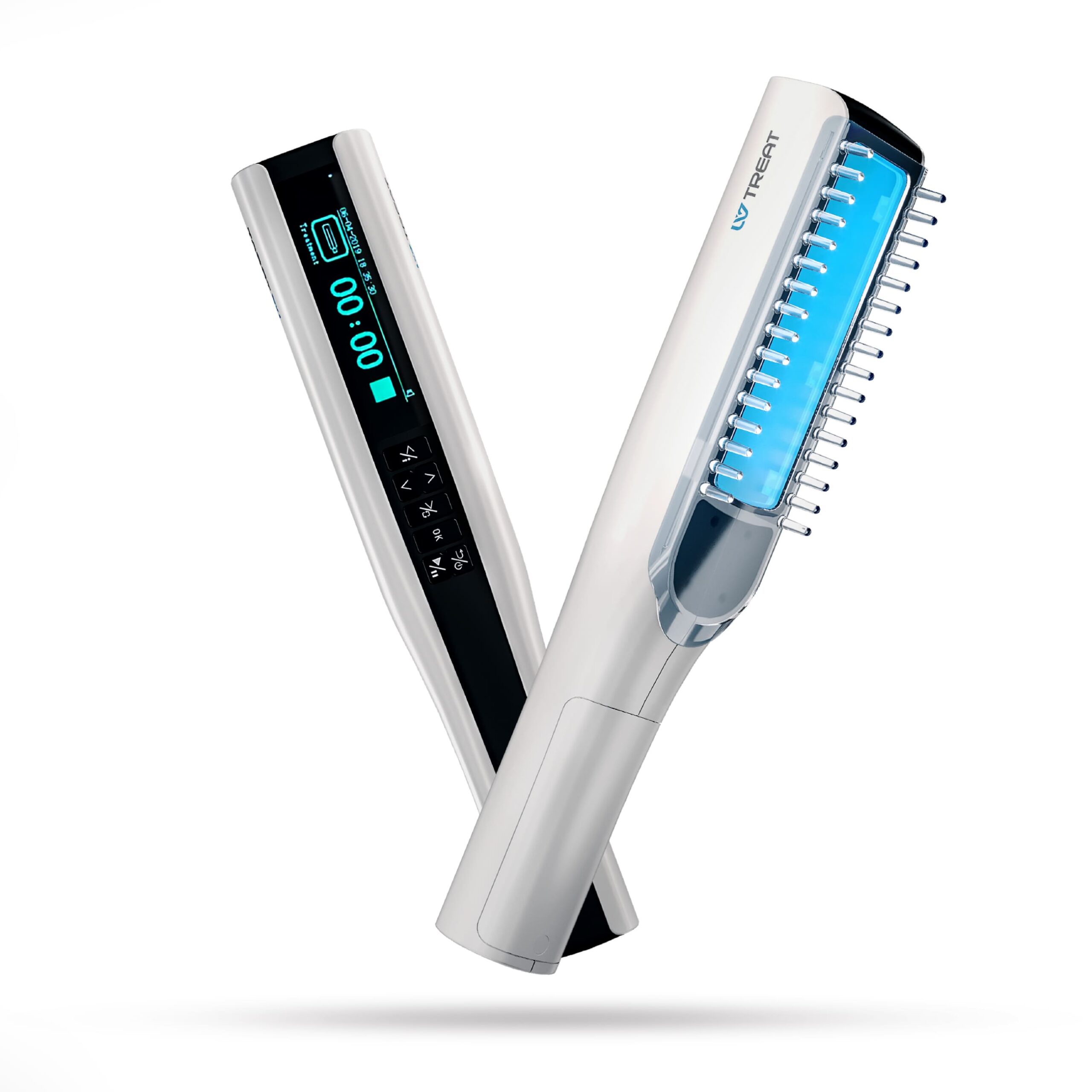
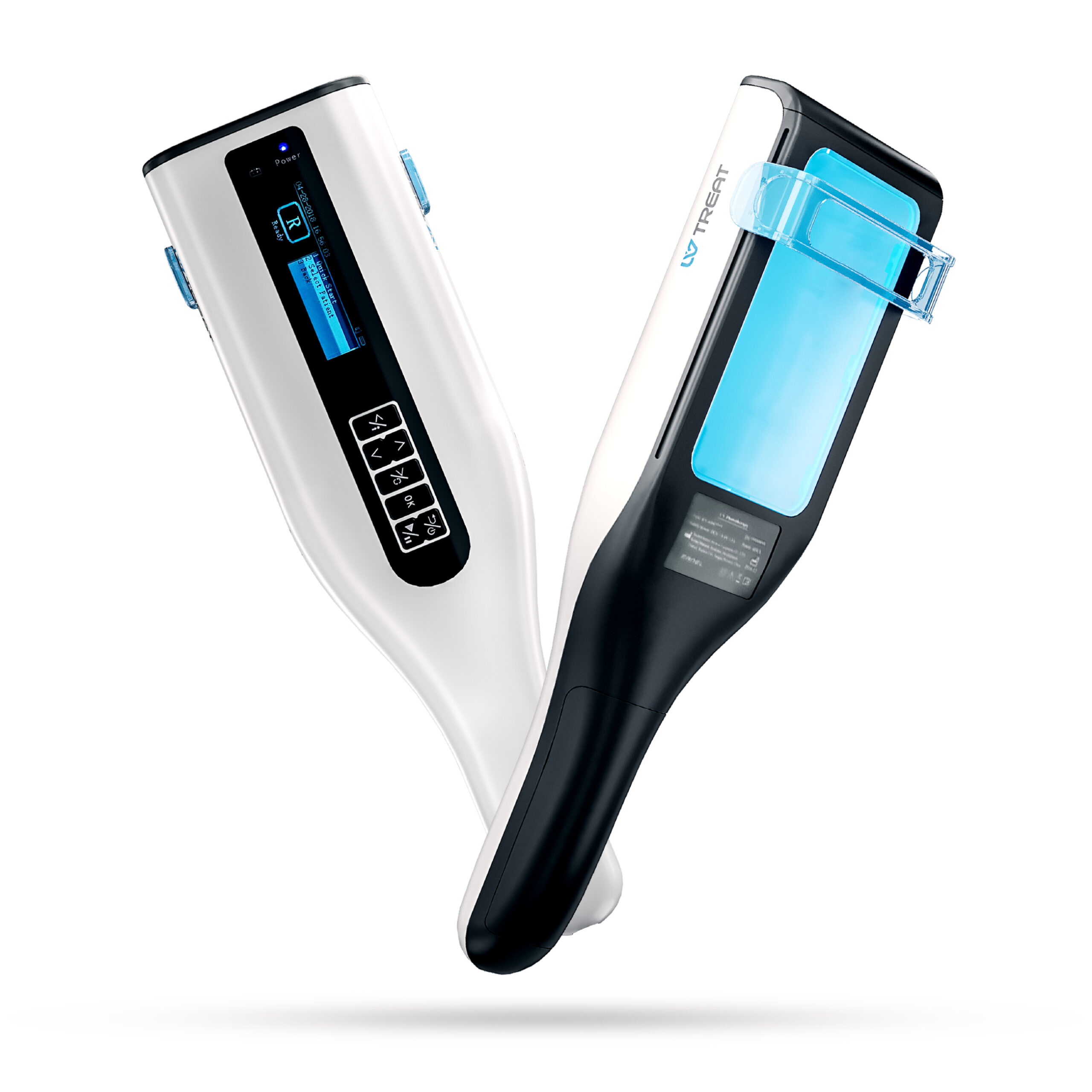
Some patients eventually transition to home units, and that shift often raises questions. It doesn’t signal “less care”; it simply means they’ve reached a point where their condition is stable enough to use portable devices safely and consistently. A home unit can support long-term maintenance, but a phototherapy clinic still provides several advantages that at-home setups can’t fully duplicate: close supervision, stronger calibrated equipment, and immediate protocol adjustments when the skin responds differently than expected.
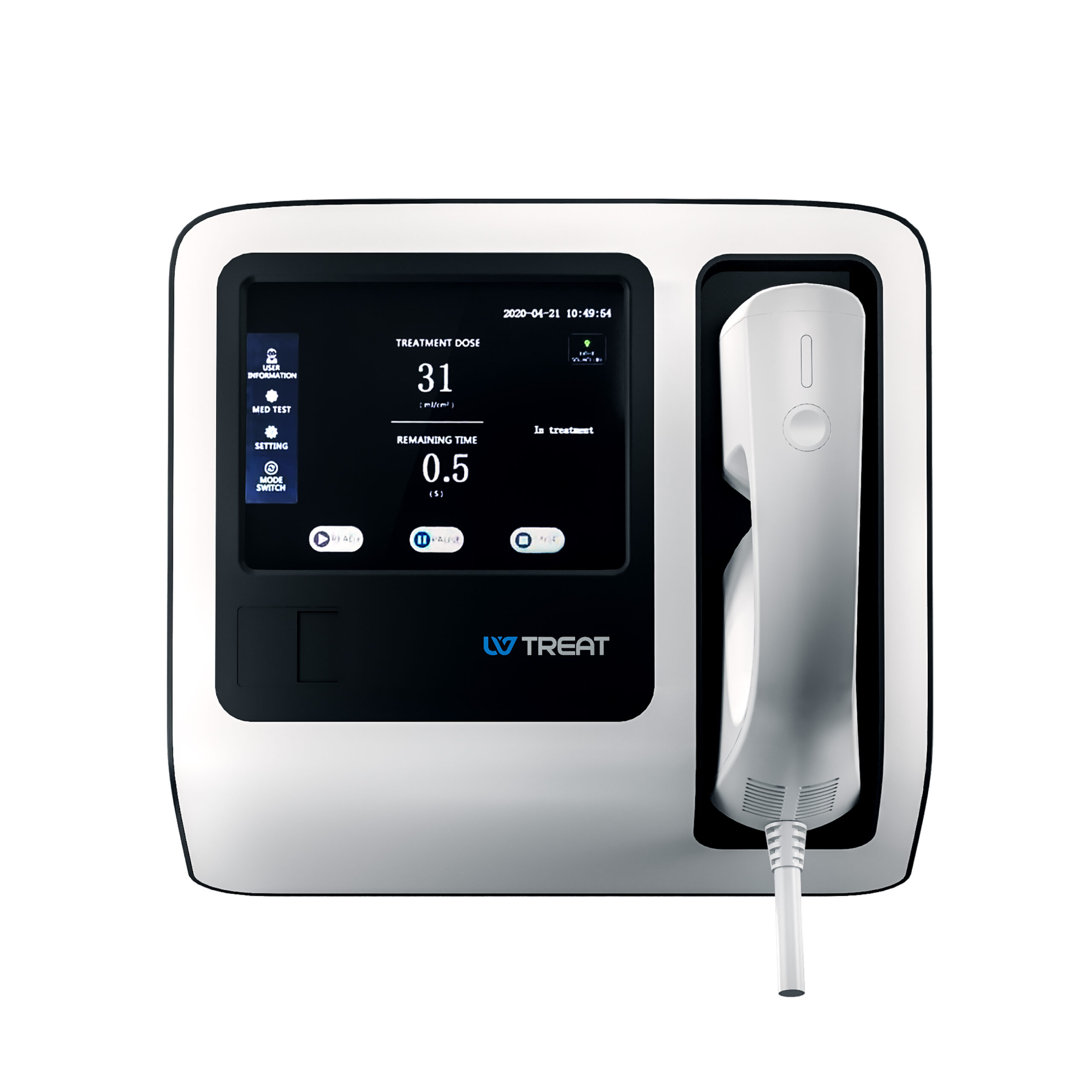
Professionals working with advanced dermatology phototherapy systems routinely notice subtle changes in texture, redness, or hydration long before the patient is even aware of them. Those early course corrections matter because they prevent flare-ups, reduce cumulative UV exposure, and keep the entire treatment plan on track. In practice, it’s a collaborative model — home use extends the benefits, while clinic-based care safeguards precision.
Patient Monitoring and Adjustments
Good personalization isn’t a static plan. It’s ongoing attention. Dermatologists track how the skin behaves after each session, whether itching eases, how fast plaques thin out, and how emotional stress affects flares.
Apps and digital tools now help patients log reactions, making light therapy personalization more collaborative. Some patients even arrive with detailed notes, which often help guide the next week’s dose.
Future of Personalized Phototherapy
The future of personalized phototherapy is moving toward fewer assumptions and more evidence.
AI models are being tested to predict flare patterns, devices are experimenting with built-in sensors for dose regulation, and developers are trying to design lamps that stay cool while delivering narrower UV output.
As this grows, customized dermatology treatments will feel less like adjustments and more like precision-guided plans made for each person’s biology.
Conclusion
At its best, phototherapy isn’t just equipment — it’s a conversation between doctor, patient, and skin. And when that conversation is personal, steady, and flexible, outcomes often improve quietly but meaningfully. With personalized phototherapy, clinicians shape each plan around real life rather than ideal conditions, helping patients feel understood instead of managed.
This kind of individualized skin therapy gives room for nuance: how a patient tolerates light, how their week looks, what triggers flares, and what pace their skin can truly sustain. In that sense, phototherapy treatment becomes less of a routine and more of a partnership, built on science, patience, and a deeper understanding of the person standing in front of you.
Share
FAQs
Because patients respond differently. Personalized care reduces irritation, improves adherence, and makes treatment feel manageable.
They’re safe for stable patients, as long as the plan — including phototherapy protocols — comes from a dermatologist.
Small weekly adjustments: dose changes, frequency shifts, or targeted areas receiving more focused light.
Yes. Slower ramps and modified wavelengths make individualized skin therapy far easier to tolerate.
It ensures the patient receives the exact wavelength and dose needed, which improves results without excess UV.
To provide the best experiences, we use technologies like cookies to store and/or access device information. Consenting to these technologies will allow us to process data such as browsing behavior or unique IDs on this site. Not consenting or withdrawing consent, may adversely affect certain features and functions.
Functional
Always active
The technical storage or access is strictly necessary for the legitimate purpose of enabling the use of a specific service explicitly requested by the subscriber or user, or for the sole purpose of carrying out the transmission of a communication over an electronic communications network.
Preferences
The technical storage or access is necessary for the legitimate purpose of storing preferences that are not requested by the subscriber or user.
Statistics
The technical storage or access that is used exclusively for statistical purposes.The technical storage or access that is used exclusively for anonymous statistical purposes. Without a subpoena, voluntary compliance on the part of your Internet Service Provider, or additional records from a third party, information stored or retrieved for this purpose alone cannot usually be used to identify you.
Marketing
The technical storage or access is required to create user profiles to send advertising, or to track the user on a website or across several websites for similar marketing purposes.