Setting Up a Phototherapy Room: Equipment, Standards, and Safety
Creating a safe phototherapy room setup isn’t just a technical project — it’s something much more grounded and human. Clinics that introduce UVB treatment often say they did it because their patients needed a gentler path, one that doesn’t always start with systemic drugs or injections. But once they begin planning the space, they realize the setup itself matters just as much as the therapy. The room becomes a small ecosystem: equipment, workflow, lighting, temperature, staff training, and clear safety habits all working together to support consistent, predictable care.
This guide walks through that entire process. Not in a dry checklist way, but in the way real clinics approach it: step by step, with questions, practical considerations, and the occasional “Wait, does this outlet support the narrowband UVB machine?” moment.
Core Equipment for a Phototherapy Room
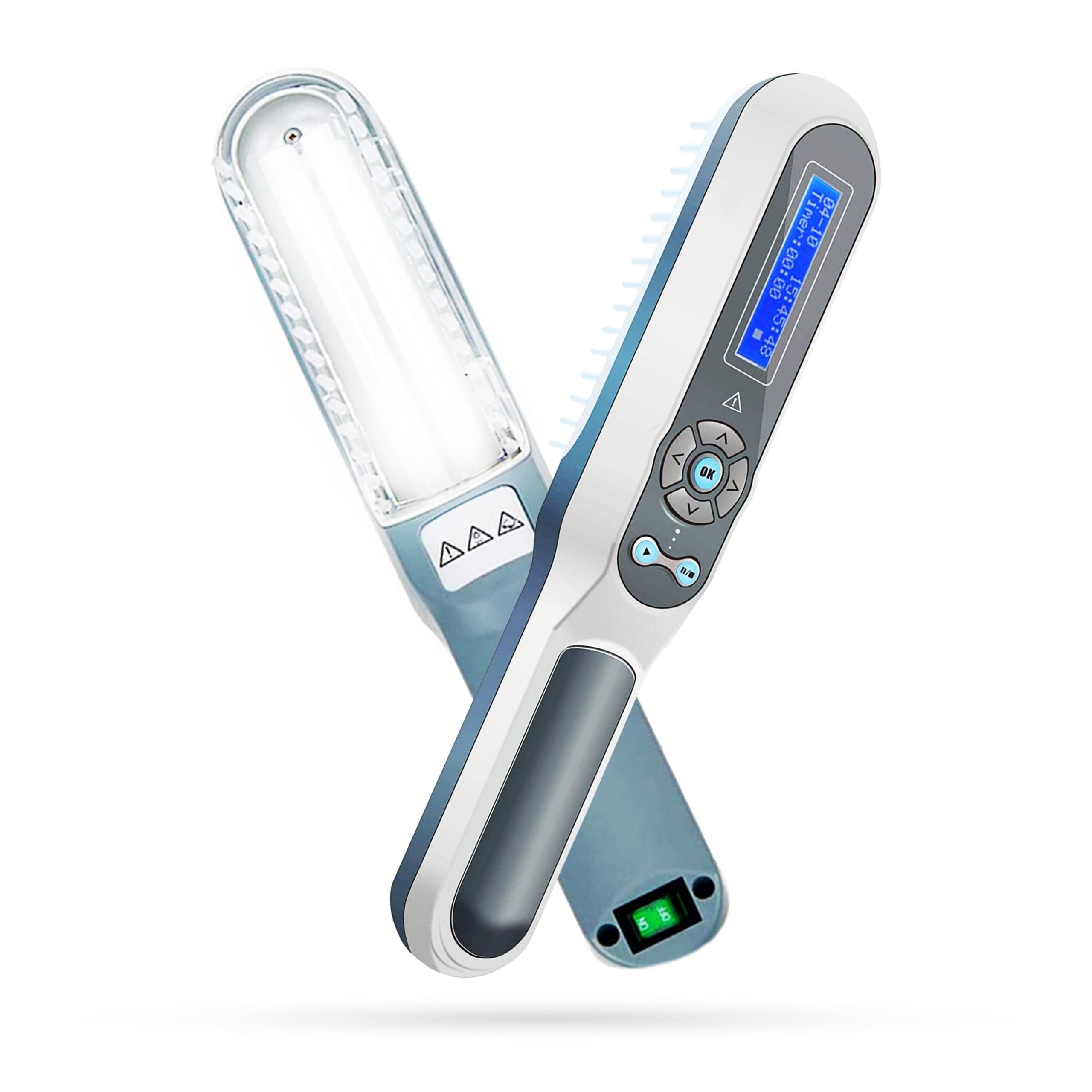
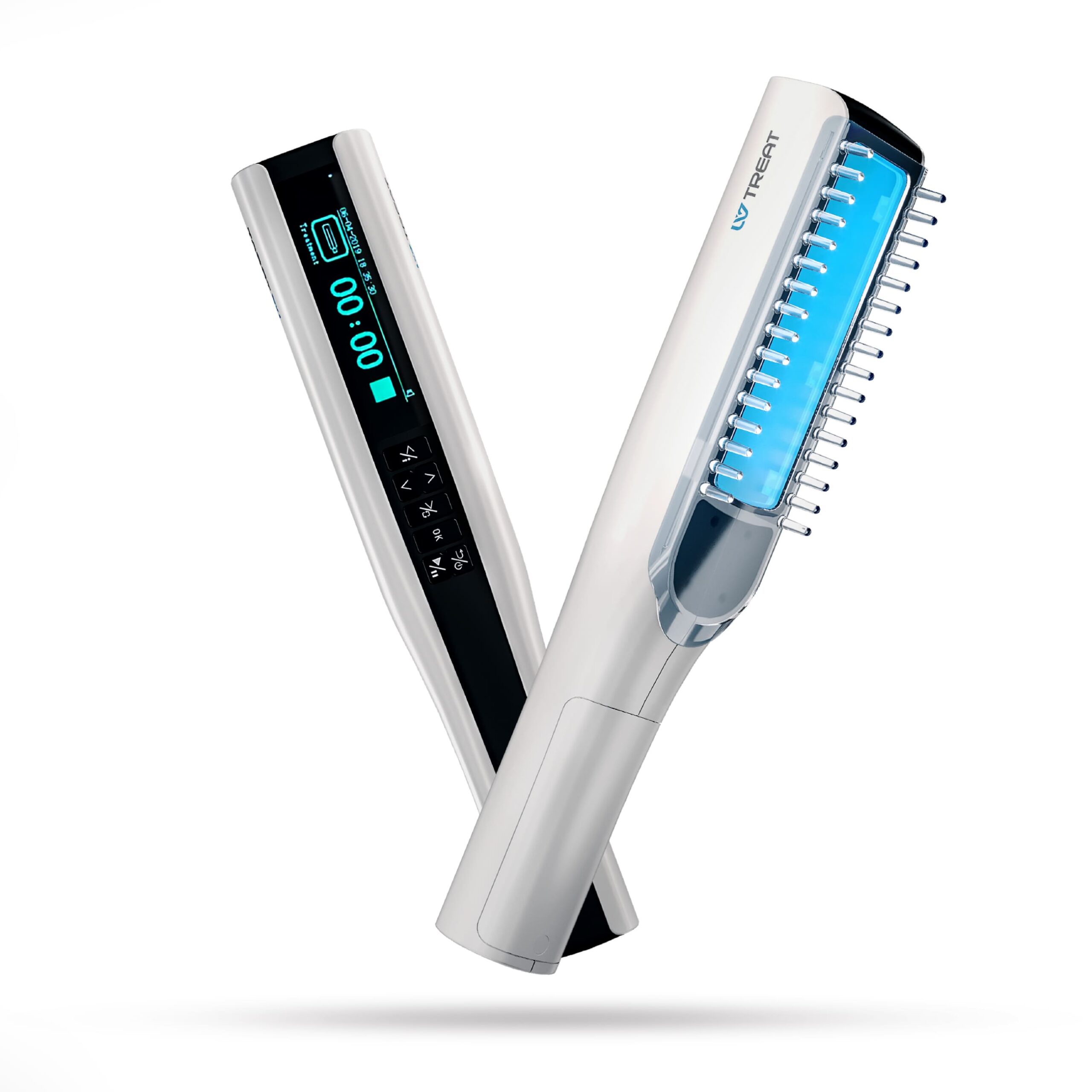
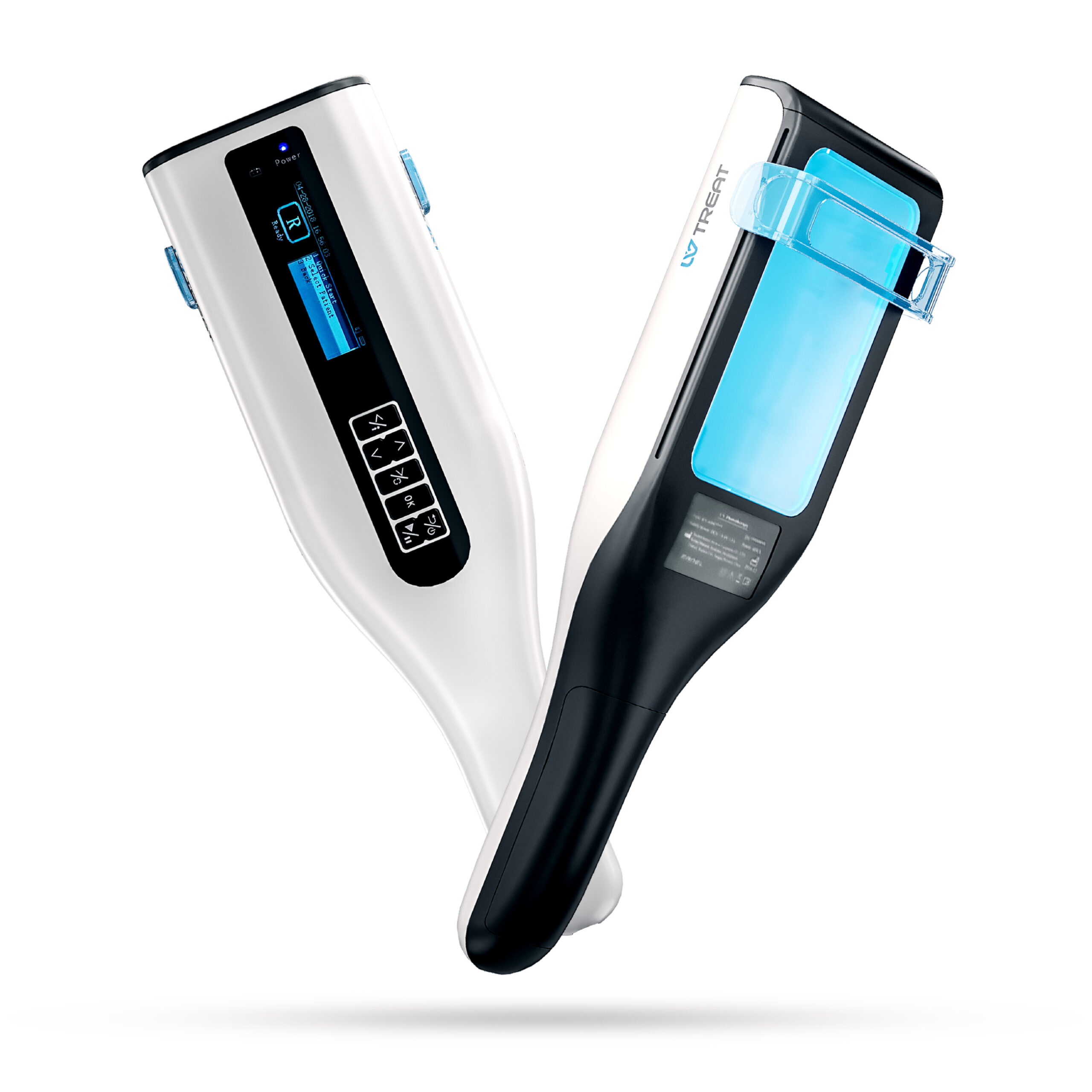
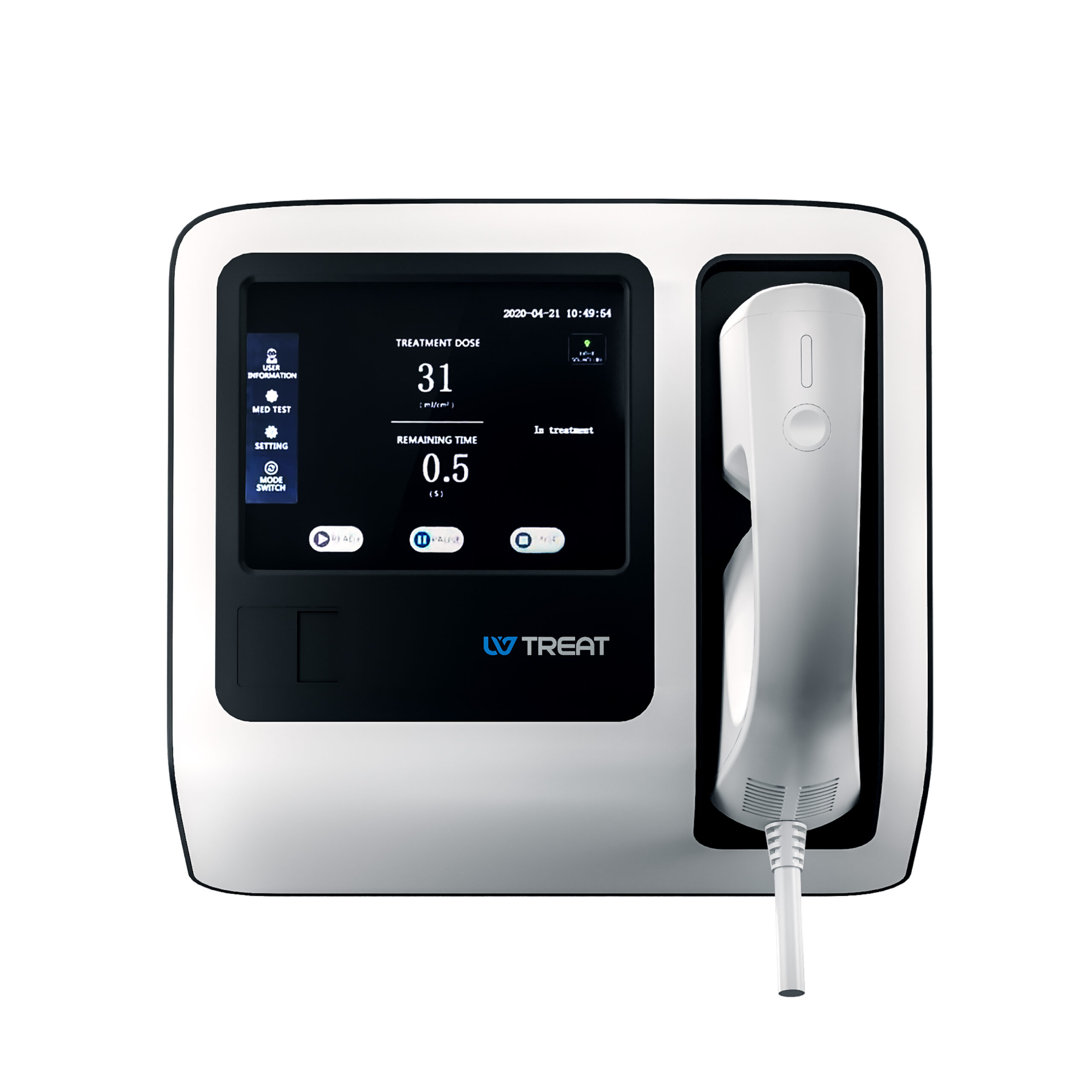
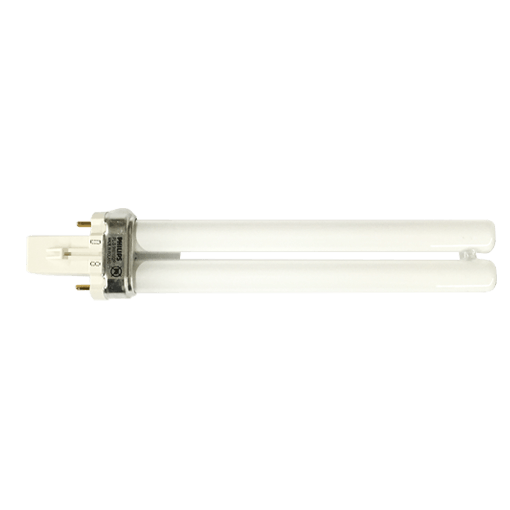
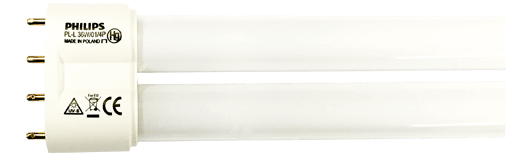
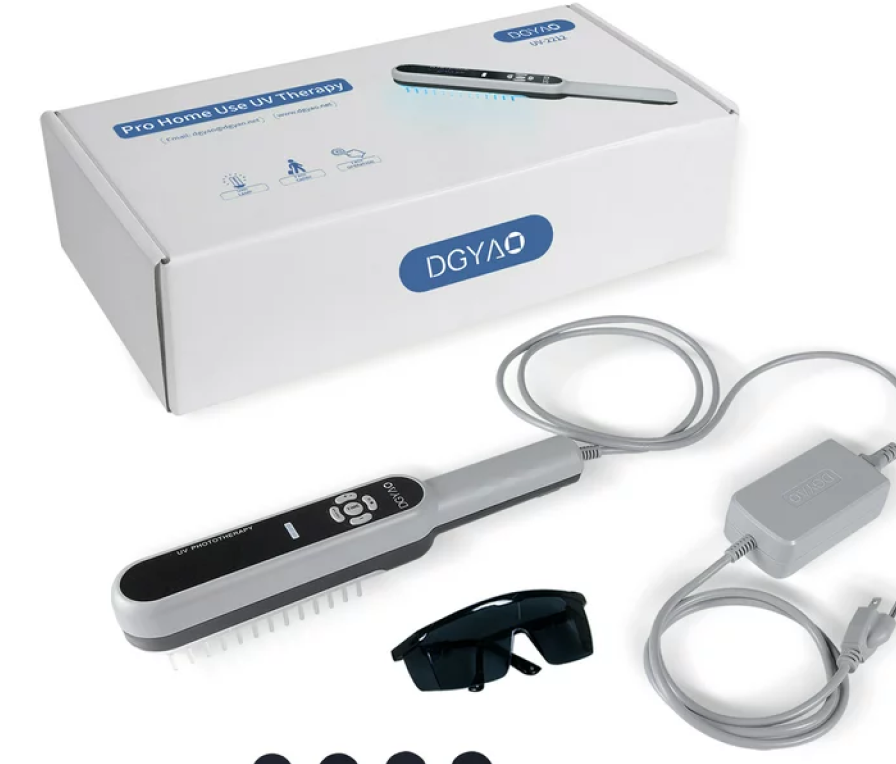
Every dermatology phototherapy clinic starts with the same foundation: choosing the right UVB phototherapy equipment. Full-body cabinets are the backbone for patients with widespread psoriasis, eczema, or vitiligo, while handheld devices support small-area treatment. Many clinics also keep targeted panels for elbows, knees, or scalp — especially when using comb attachments to lift hair for better light penetration.
Modern UV light therapy equipment is more sophisticated than it appears. Timers prevent overdosing, internal sensors stabilize output, and fail-safes stop exposure the moment the door opens. These are the quiet protections that patients rarely see but rely on completely.
Room Requirements and Layout
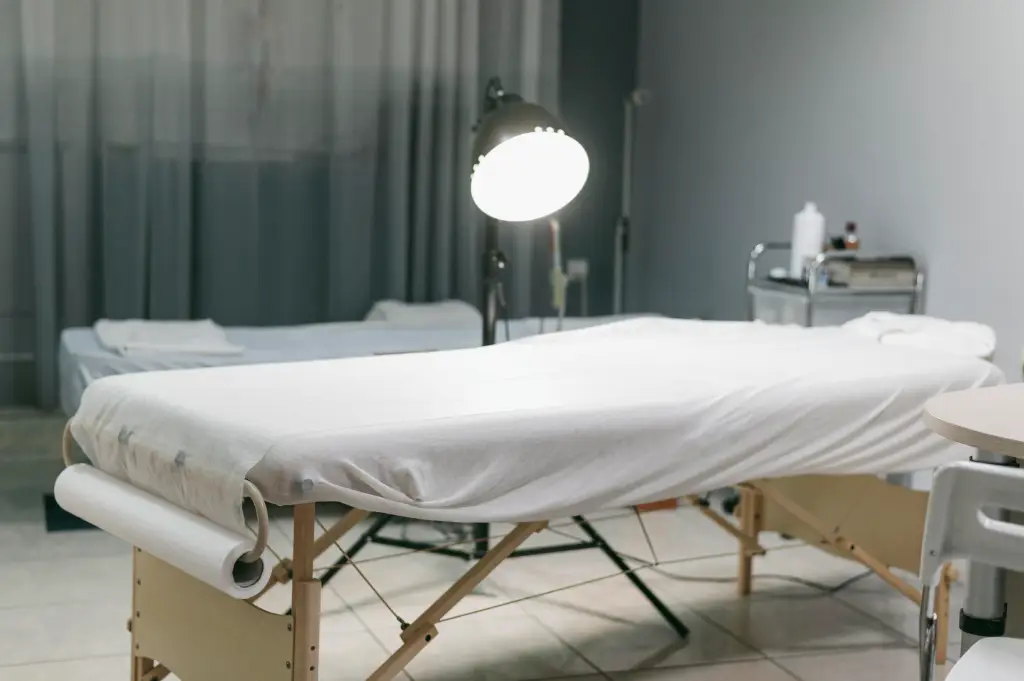
A good clinical phototherapy room is small enough to keep communication easy, yet large enough to move safely around a full-body unit. Ventilation matters more than most people expect. UVB cabinets generate heat, and a warm, poorly ventilated space can create patient discomfort, especially for those with sensitive skin.
Floors should be non-slip. Walls should not reflect light. And the room must be shielded from outside illumination — both for dosing accuracy and privacy.
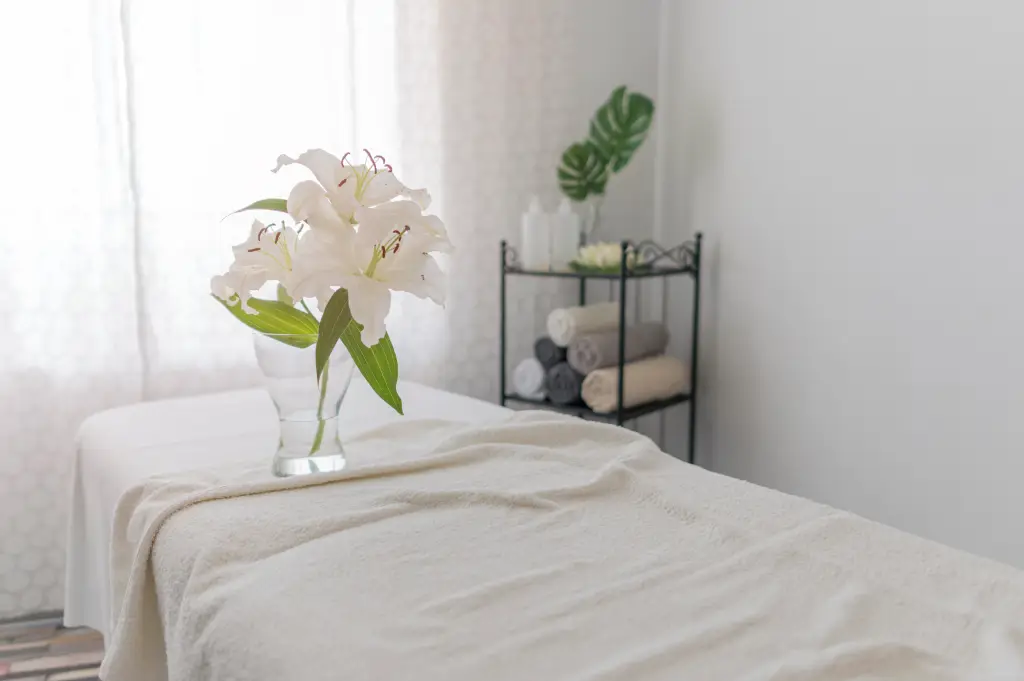
Many clinics use soft, indirect lighting so patients feel grounded the moment they step in. Even that tiny detail often reduces anxiety.
This is also where “setting up UVB room” guidelines come into play. Position the machine so staff can see the display clearly, ensure emergency access, and keep all protective equipment within a single reach. Small layout decisions directly influence safety.
Safety Standards and Regulations
Phototherapy safety protocols come from several places: FDA guidance, OSHA rules, and recommendations from dermatology societies. They all point to the same message — the room must protect patients before the first dose is ever given.
That includes:
shielding windows
ensuring the narrowband UVB machine has up-to-date certification
using compliant electrical outlets
keeping logs of calibration
following regulations for maintenance and exposure monitoring
Safety rarely comes from one big rule. It comes from dozens of small, consistent actions.
Protective Equipment
Protective equipment is simple, but it isn’t optional. Goggles must be clean, intact, and dry; full-body sessions need genital shielding; and some patients require gowns, gloves, or extra face protection. These small steps exist because solid phototherapy regulations focus on preventing avoidable exposure.
Even the timer counts as protective gear — the quiet guardrail that keeps dosing accurate, even if someone gets momentarily distracted.
Staff Training and Protocols
The strongest phototherapy rooms run smoothly because the staff works in a calm, steady rhythm. They don’t just flip switches — they follow phototherapy room guidelines that help them read skin, understand erythema patterns, adjust doses, and act quickly if something needs to stop. The training is never only technical. Patients arrive with nerves, embarrassment, or years of frustration, and good technicians notice the quiet signals: hesitation before stepping in, a small flinch, or trouble staying still.
Core protocols include reviewing dosing plans, checking for photosensitizing medications, and knowing when a patient needs shorter sessions or gentler escalation. When the staff feels confident, patients naturally feel safe.
Patient Safety Protocols
Safety continues long after the setup is complete. Technicians track cumulative exposure, note erythema grades, and record missed sessions that may require dose adjustments.
Phototherapy room standards also recommend documenting every treatment — not as bureaucracy, but as a way to protect both staff and patients.
If someone comes in with unexpected redness or new medications, the room protocol guides the next steps. It removes guessing from the equation.
Patient Safety Protocols
Safety continues long after the setup is complete. Technicians track cumulative exposure, note erythema grades, and record missed sessions that may require dose adjustments.
Phototherapy room standards also recommend documenting every treatment — not as bureaucracy, but as a way to protect both staff and patients.
If someone comes in with unexpected redness or new medications, the room protocol guides the next steps. It removes guessing from the equation.
Infection Control Measures
Phototherapy equipment is shared, so cleaning matters. Units should be wiped after each session, with special attention to handles, comb attachments, patient stools, and goggles.
Cross-contamination rarely happens, but the habits that prevent it should be automatic. A clean, predictable routine reassures patients more than any poster on the wall.
Cost Considerations and Budget Planning
The financial side of phototherapy installation is straightforward but important. A clinic must consider the cost of UVB phototherapy equipment, installation, maintenance, and potential room modifications such as ventilation or shielding.
Some practices start small — a targeted panel first — then add a full-body cabinet once patient demand grows. Others invest in everything at once. There’s no perfect formula; only what fits the clinic’s long-term plan.
Home vs Clinical Setup
Patients often ask whether home phototherapy is worth trying. The convenience is real — fewer missed sessions and routines that fit around real life. But clinics still set the tone because they follow strict phototherapy safety standards, use calibrated medical equipment, and have trained staff who can adjust doses the moment something changes.
In the end, most dermatology teams simply help patients choose the setup that feels sustainable, safe, and realistic for their day-to-day life.
Conclusion
A well-designed phototherapy room setup doesn’t draw attention to itself — it simply works. The equipment, layout, safety habits, and staff training blend into a steady routine that supports every patient who steps inside. When a clinic builds the room with intention, treatment becomes predictable, safe, and quietly reassuring. And for patients who have spent years searching for something that finally feels manageable, that sense of stability matters just as much as the UVB itself.
Share
Frequently Asked Questions – FAQs
Large enough for safe movement around the unit, but compact enough for clear visibility and communication.
Yes — they complement full-body units and are essential for small-area treatment.
Regular calibration is required to maintain dosing accuracy.
To provide the best experiences, we use technologies like cookies to store and/or access device information. Consenting to these technologies will allow us to process data such as browsing behavior or unique IDs on this site. Not consenting or withdrawing consent, may adversely affect certain features and functions.
Functional
Always active
The technical storage or access is strictly necessary for the legitimate purpose of enabling the use of a specific service explicitly requested by the subscriber or user, or for the sole purpose of carrying out the transmission of a communication over an electronic communications network.
Preferences
The technical storage or access is necessary for the legitimate purpose of storing preferences that are not requested by the subscriber or user.
Statistics
The technical storage or access that is used exclusively for statistical purposes.The technical storage or access that is used exclusively for anonymous statistical purposes. Without a subpoena, voluntary compliance on the part of your Internet Service Provider, or additional records from a third party, information stored or retrieved for this purpose alone cannot usually be used to identify you.
Marketing
The technical storage or access is required to create user profiles to send advertising, or to track the user on a website or across several websites for similar marketing purposes.