HomeArticlesRed Light Therapy for Arthritis: Can It Reduce Joint Pain and Inflammation?
Written byAnika Goel,MD; Board-Certified Dermatologist
Published on April 21, 2026
Red Light Therapy for Arthritis: Can It Reduce Joint Pain and Inflammation?
Osteoarthritis affects roughly 528 million people worldwide; rheumatoid arthritis adds another 18 million. These numbers have climbed steadily over three decades of Global Burden of Disease tracking. Pharmacological management works, but not without cost. Chronic NSAID use raises gastrointestinal bleeding risk. Corticosteroids erode bone and destabilise glucose control over time. Biologics suppress immunity at substantial financial expense (1). Given these trade-offs, clinicians and patients alike have turned to non-pharmacological adjuncts – and photobiomodulation, sold to consumers as red light therapy, has built one of the larger trial evidence bases in that category.
What this article sets out to determine is fairly narrow: does red light therapy reduce inflammation and pain in arthritic joints, or has marketing run ahead of clinical proof? Getting to a useful answer means looking at the biology, the trial data, and the dosing parameters separately – because conflating them is exactly how the published literature ends up looking more contradictory than it actually is
What Is Arthritis
The word arthritis gets used as though it names one disease. It does not. Well over a hundred distinct conditions fall under this heading, linked only by the fact that they produce joint pain, inflammation, and restricted movement. In clinical practice, two of them account for the overwhelming majority of cases: osteoarthritis (OA) and rheumatoid arthritis (RA)
Osteoarthritis is a degenerative, mechanically driven disorder characterised by progressive cartilage loss, subchondral bone remodelling, and periarticular inflammation, most frequently affecting the knees, hips, hands, and spine. Treatment outcomes remain suboptimal even with surgical intervention: between 10% and 34% of patients undergoing total knee replacement report persistent unfavourable long-term pain, underscoring the clinical need for effective adjunctive therapies (2).
Rheumatoid arthritis follows a fundamentally different pathway. The immune system targets the synovial membrane, triggering chronic inflammation that progressively destroys cartilage and erodes underlying bone. Clinically, the disease declares itself through symmetrical polyarticular involvement, morning stiffness that often exceeds sixty minutes, and – without adequate pharmacological control – steady functional deterioration (3). The pathophysiology separating OA from RA is substantial, yet at the level of daily patient experience, both diseases produce the same constellation of complaints: joint pain, visible swelling, and restricted range of motion.
What Is Red Light Therapy and How It Works
Published research uses a different name for this intervention: photobiomodulation, or PBM. Older papers – particularly systematic reviews from before 2015 – tend to use low-level laser therapy (LLLT) instead, but the two terms describe the same thing. The treatment itself delivers non-thermal light in two wavelength bands: 630–660 nm on the red end of the visible spectrum and 810–850 nm in the near-infrared.
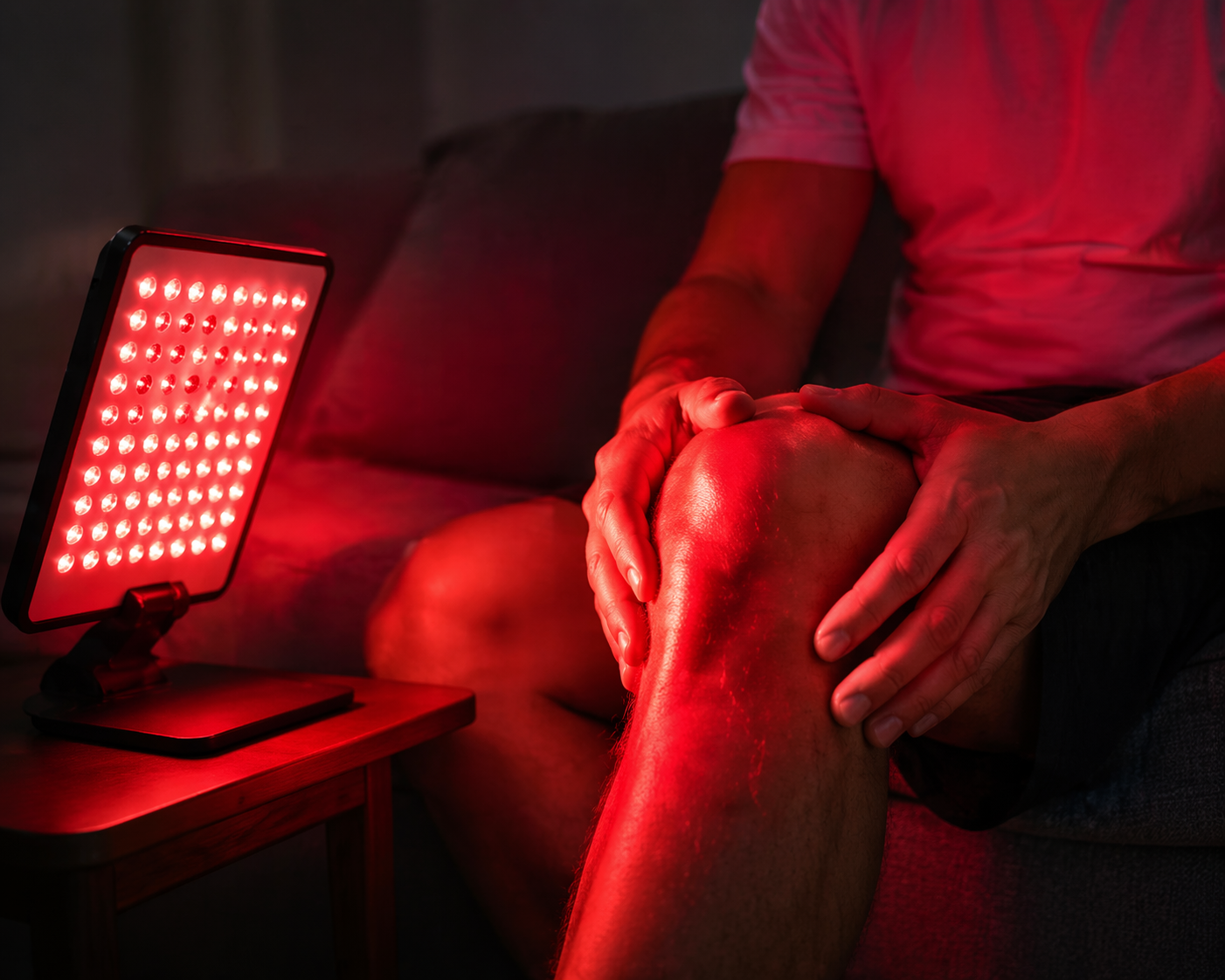
The process has nothing to do with heat. Red and near-infrared photons pass through the skin and reach mitochondria, where they interact with cytochrome c oxidase at the end of the electron transport chain. What follows is a photochemical chain reaction. ATP output goes up. Reactive oxygen species are redistributed. Nitric oxide, previously bound to the enzyme, is released into the surrounding tissue. Each of these shifts feeds into inflammatory and repair signalling downstream (4, 5). Wang and colleagues, reviewing the mechanistic literature in Biomolecules in 2023, organised the known effects into five categories. Mitochondrial energy production was one. Cytokine regulation – with TNF-α, IL-1β, and IL-6 most frequently cited – was another. The remaining three involved gene expression changes specific to arthritic pathology, reduced activity of the metalloproteinases MMP-3, MMP-8, and MMP-13 that break down cartilage, and shifts in local blood flow driven by angiogenic signalling (4). None of these five pathways works alone; they feed into one another, which is why LED lamp therapy arthritis protocols have a multi-layered biological basis that sits outside the reach of standard pharmacological targets
Can LED Lamps Therapy Help Arthritis
Published trial outcomes cluster around three endpoints: pain intensity, morning stiffness duration, and functional joint mobility. The Cochrane systematic review on LLLT in rheumatoid arthritis reported a 1.1-point drop on a 10-point visual analogue pain scale, 27.5 fewer minutes of morning stiffness, and a 1.3 cm gain in tip-to-palm finger flexibility (3). These are modest numbers in absolute terms. For patients whose morning capacity depends on how quickly grip function returns, they represent a real change in daily life.
Knee osteoarthritis shows clearer results when dosing follows the parameters published by the World Association for Photobiomodulation Therapy (WALT). Trials using WALT-concordant wavelengths, energy densities, and treatment-point configurations report significant reductions in WOMAC pain subscores and measurable functional improvements (2). Trials that deviate from these parameters tend toward null findings – a pattern with direct implications for device selection.
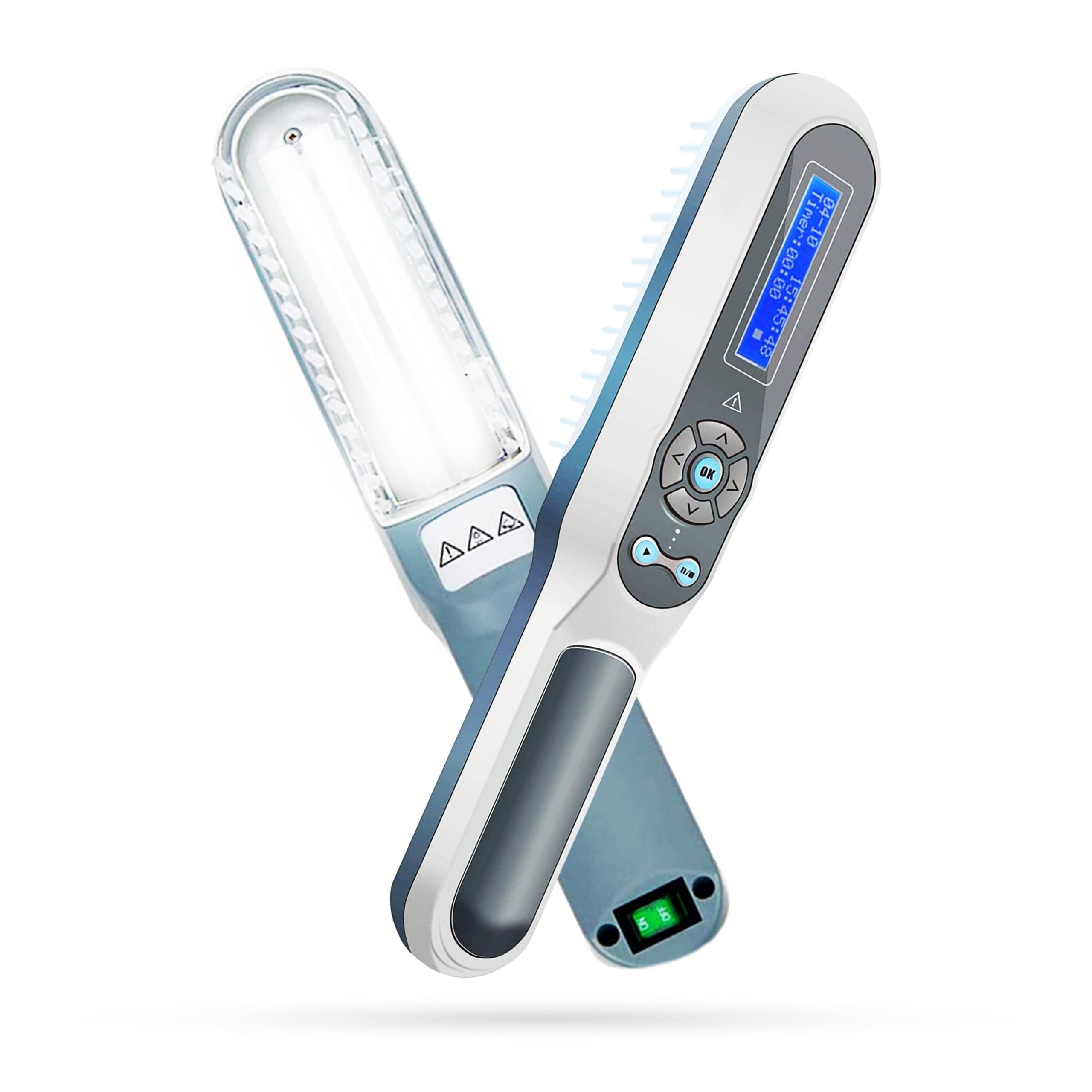
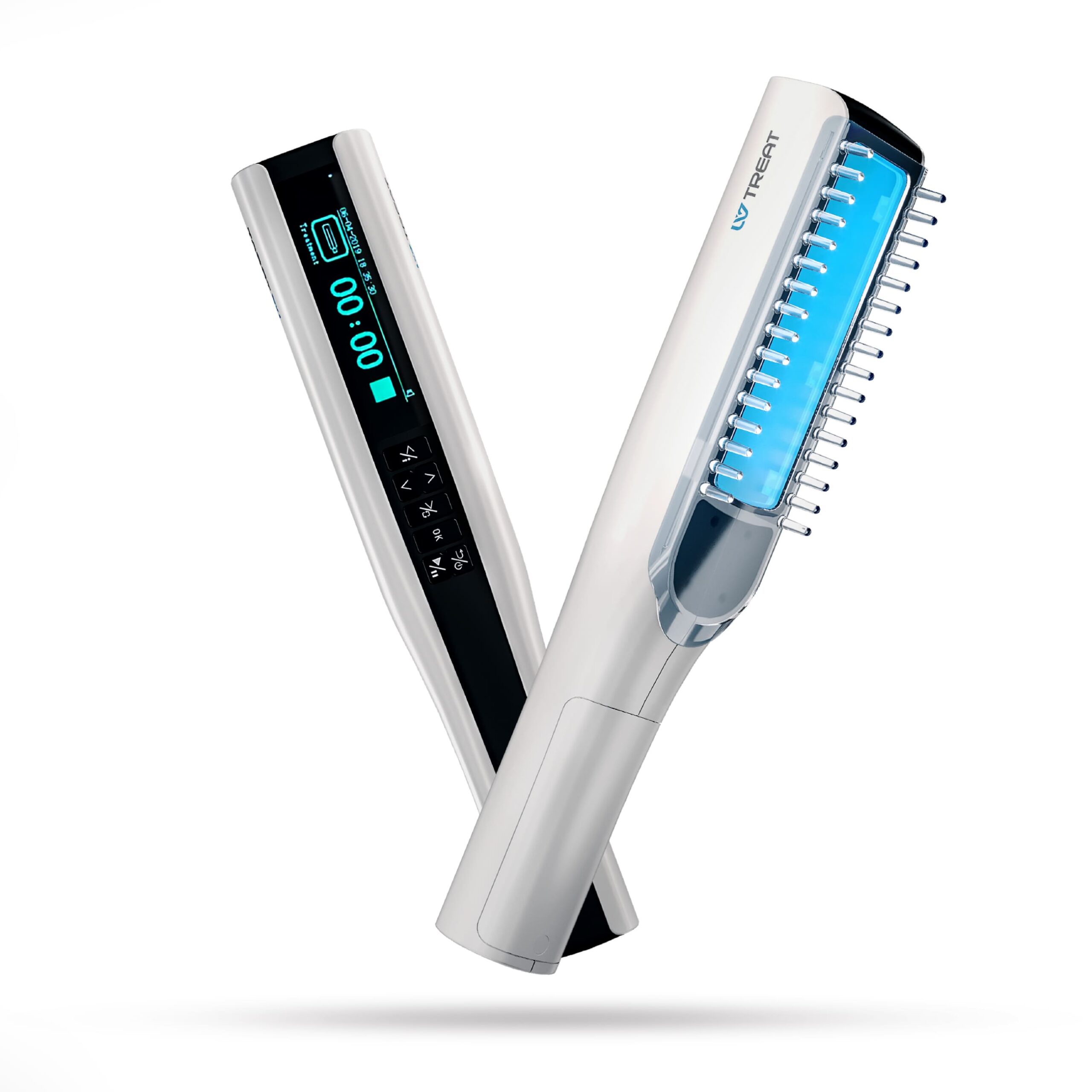
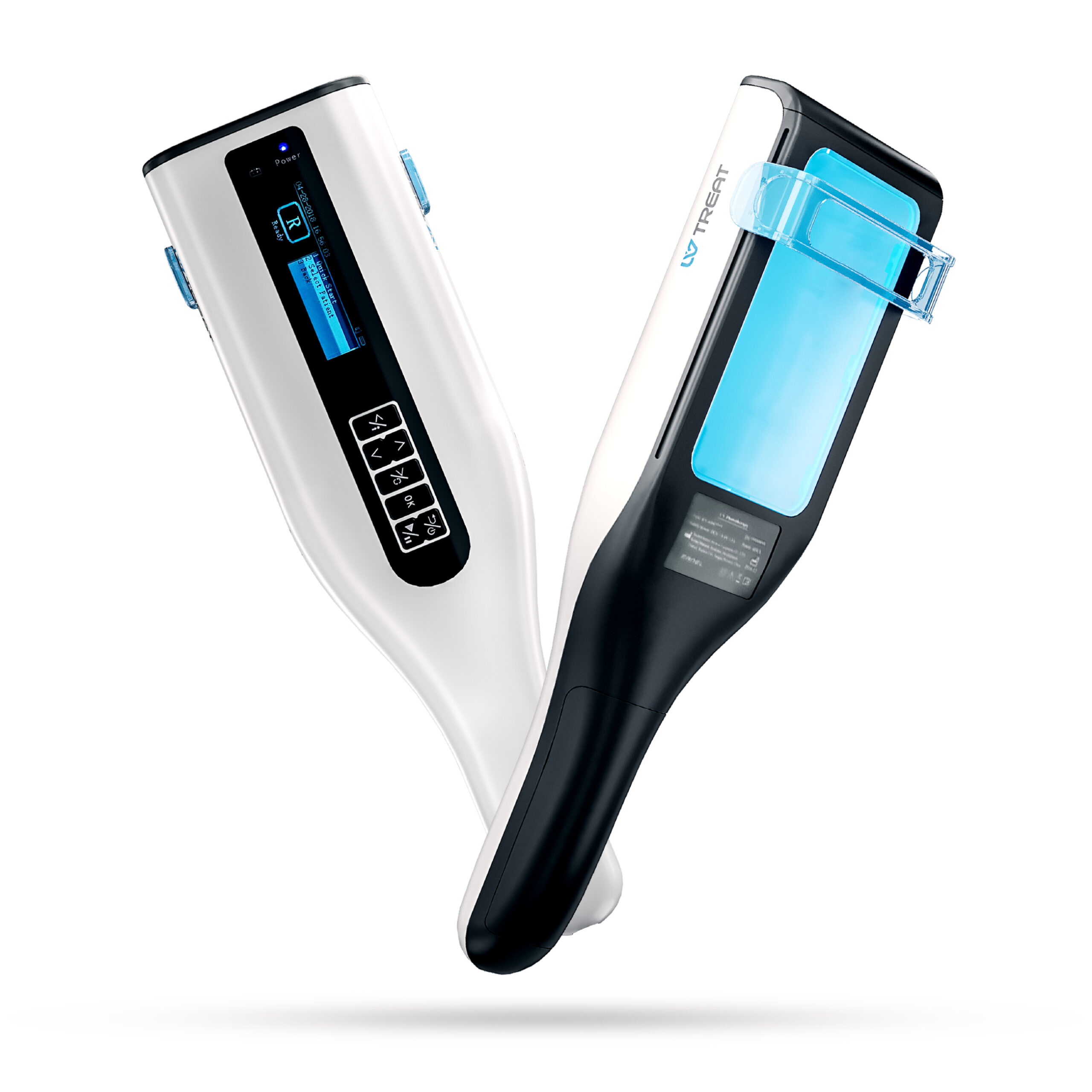
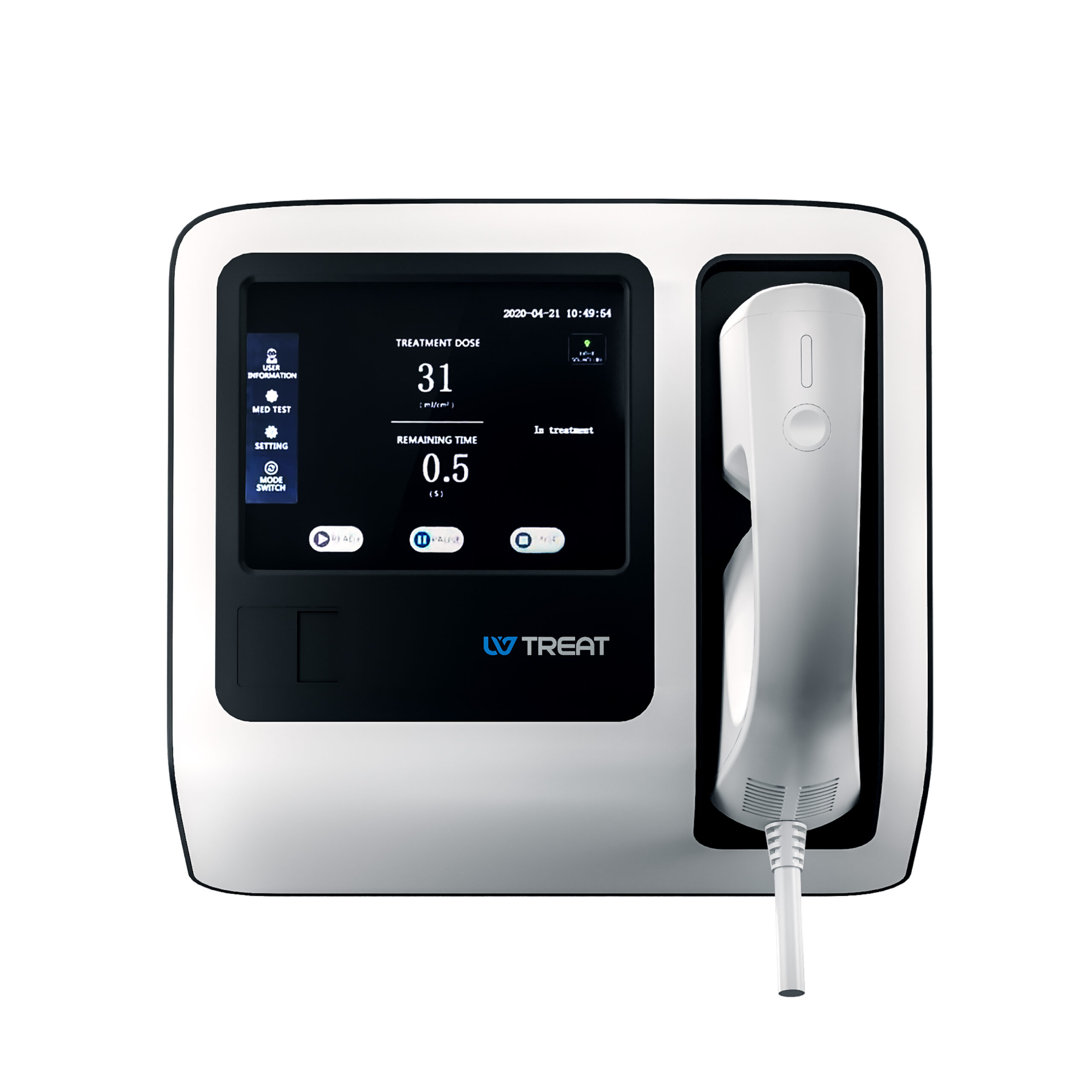
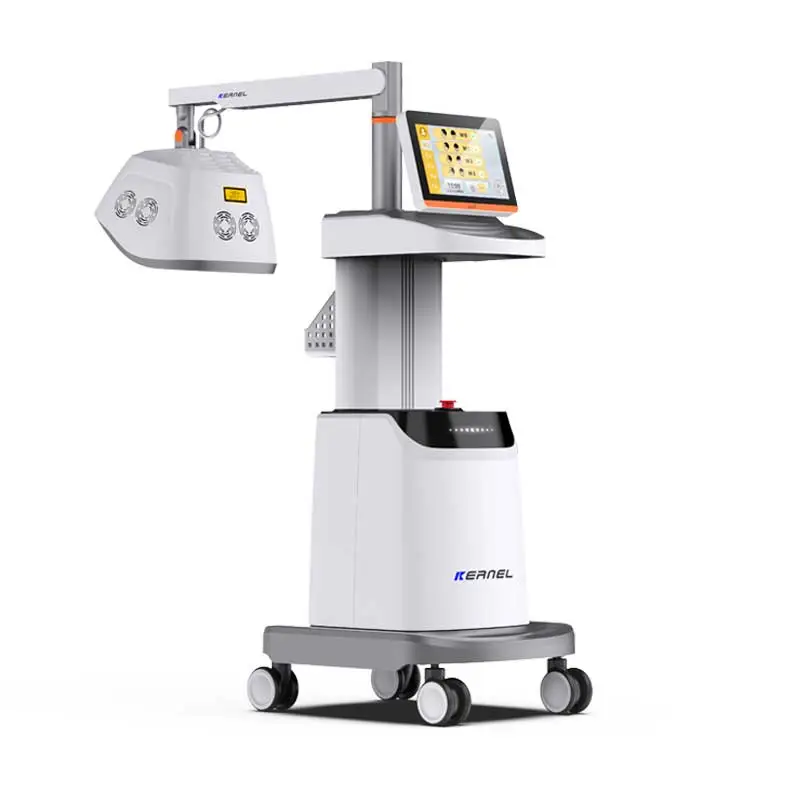
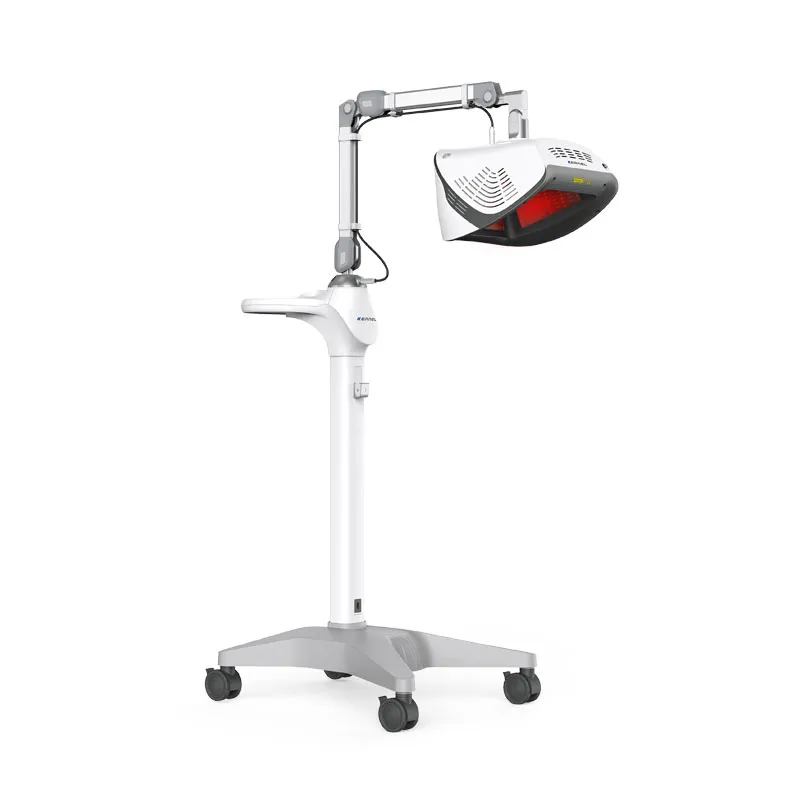
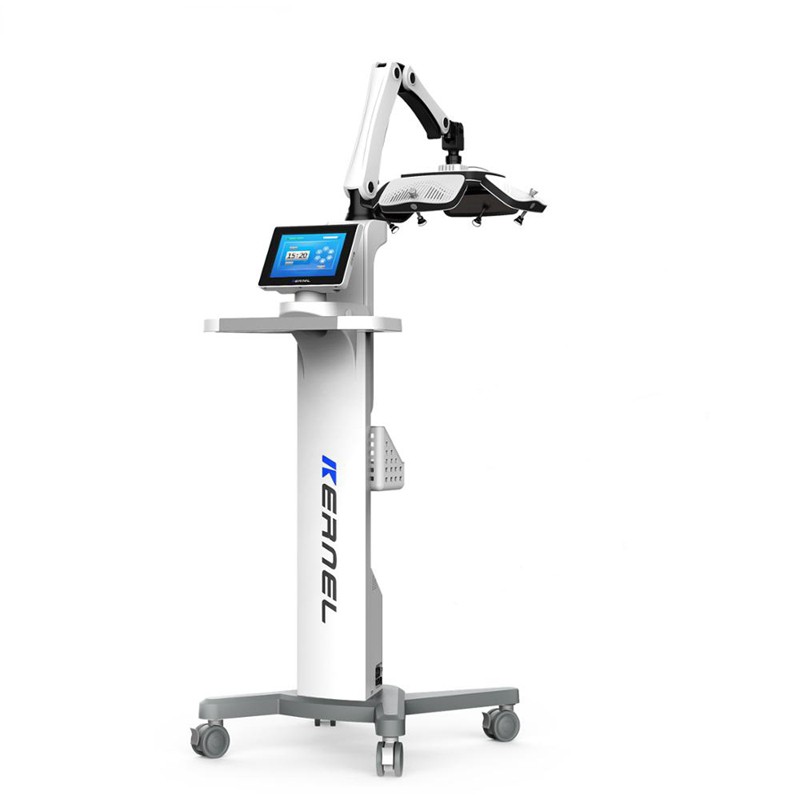
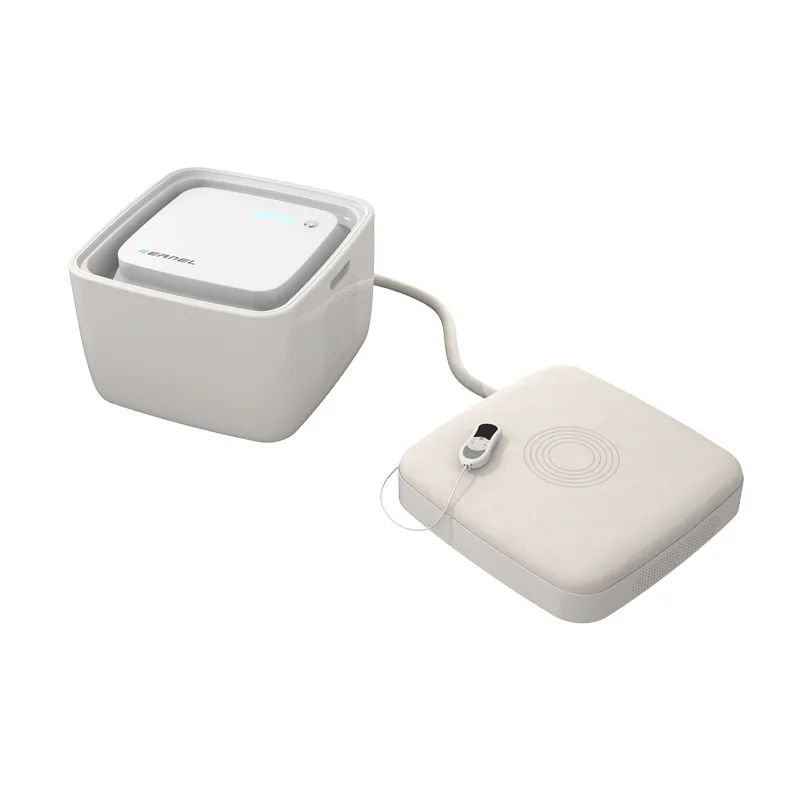
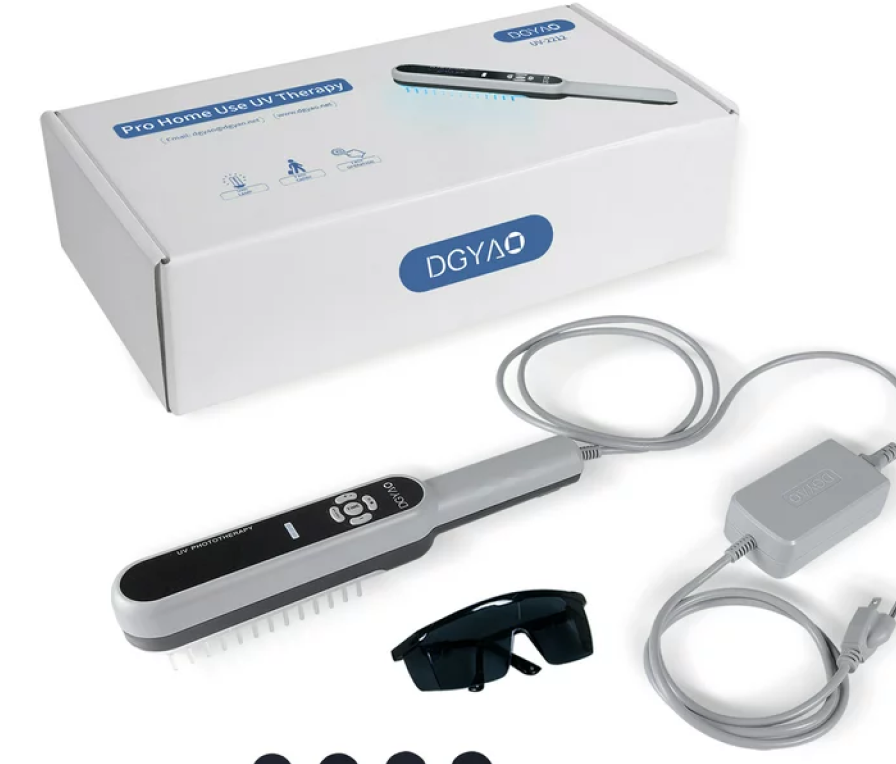
For clinicians evaluating equipment, the variables that matter are wavelength accuracy, irradiance at the skin surface in mW/cm², and effective treatment area per session. Marketing labels like “power level” rarely correspond to these parameters. The LED Lamps catalogue documents specifications in the terms clinical trials actually use.
What Does Research Say
The evidence on photobiomodulation arthritis outcomes is directionally favourable but heterogeneous, and the heterogeneity traces more to methodological variation than to genuine biological uncertainty.
For rheumatoid arthritis: the Cochrane collaboration rated the evidence at “silver” level – PBM produced reductions in both pain and morning stiffness across a four-week treatment window, though these benefits did not clearly persist once sessions stopped (3). Subsequent analyses have been less optimistic. Macedo and colleagues, writing in PLOS ONE in 2023, could not establish that infrared light therapy joint pain outcomes in RA populations were superior to sham; for red-wavelength protocols, the data were too limited to draw a conclusion in either direction (6). A year later, a pooled analysis of twenty-two controlled trials reported no statistically meaningful pain reduction overall when compared against placebo – but grip strength and morning stiffness duration both improved to a degree that reached statistical significance (7). What these three analyses share, despite their differences in scope and conclusion, is a recurring observation: stiffness and physical function measures appear to shift under PBM more consistently than pain scores measured on subjective scales.
For osteoarthritis: Brosseau and colleagues, in the original Journal of Rheumatology meta-analysis, attributed conflicting results to variation in application methods and dosing protocols (8). A 2023 narrative review in Frontiers in Cell and Developmental Biology reached the same conclusion two decades later – light therapy for osteoarthritis is biologically plausible and carries rare adverse events, but inconsistent treatment parameters account for most of the variability in outcomes (2). Hamblin’s editorial in Arthritis Research & Therapy, “Can osteoarthritis be treated with light?”, framed it differently: the mechanistic foundation is solid, but clinical application has not standardised enough to produce consistent data (5).
Institutional positions split along similar lines. The Cleveland Clinic calls red light therapy safe and promising but explicitly not a replacement for medical treatment (9). WebMD reads the evidence more narrowly: short-term benefit for RA pain and stiffness, less convincing for osteoarthritis (10). That WebMD’s reading contradicts the Frontiers review on knee OA tells clinicians something useful – the field has not converged, and confident claims in either direction remain premature.
Most of the disagreement between trials comes down to dose. PBM follows a biphasic dose-response curve: below a threshold, no biological effect occurs; above it, the response can reverse (11). Two trials both labelled “red light therapy” may be testing fundamentally different interventions depending on wavelength, irradiance, energy per point, session duration, and frequency. These variables are examined in the Red Light Therapy Dosing Guide.
Safety and Who It May Help
The safety record is one of the stronger arguments for PBM. Adverse events across the Cochrane review and subsequent meta-analyses are infrequent and minor (3, 6). The wavelengths are non-ionising with no UV component – the skin cancer concern relevant to UV-based phototherapy does not apply (9, 10). The one area that does require vigilance is the eyes. Near-infrared wavelengths cannot be seen, which makes them easy to underestimate – but at the irradiance levels used in clinical-grade devices, they penetrate to the retina. Goggles rated for the specific emission band of the device in use should be worn throughout treatment without exception.
Several contraindications need to be checked before starting treatment. An active tumour within the area to be irradiated rules out PBM at that site. Pregnant patients should not receive treatment over the abdomen. Medications that increase photosensitivity – tetracyclines, isotretinoin, amiodarone, and herbal preparations containing St John’s wort are the ones encountered most often – call for a drug-by-drug risk assessment before proceeding. Patients who carry a diagnosis of photosensitive epilepsy should not be treated with any device that uses a flickering or pulsed emission mode
Patient selection matters as much as dose. Mild to moderate disease, earlier stages of joint involvement, and a consistent schedule of two to three sessions weekly over four to eight weeks predict the best response (2, 3). Advanced structural damage – severe radiographic OA, erosive RA – responds less reliably.
The appropriate framing: PBM is an adjunct within a broader plan that includes weight management, physical therapy, and – in RA – disease-modifying pharmacological care under rheumatology supervision. It does not replace any of those. What it adds is a low-risk tool with documented, if modest, capacity to reduce pain and morning stiffness. Clinical protocols and outcomes are compiled in the Phototherapy Results section.
Share
References
1. Frontiers in Cell and Developmental Biology. Current advances of photobiomodulation therapy in treating knee osteoarthritis. 2023. https://www.frontiersin.org/journals/cell-and-developmental-biology/articles/10.3389/fcell.2023.1286025/full
2. Frontiers in Cell and Developmental Biology. Current advances of photobiomodulation therapy in treating knee osteoarthritis. 2023. https://www.frontiersin.org/journals/cell-and-developmental-biology/articles/10.3389/fcell.2023.1286025/full
3. Brosseau L, et al. Low level laser therapy (Classes I, II and III) for treating rheumatoid arthritis. Cochrane Database of Systematic Reviews. 2005;(4):CD002049. https://www.cochranelibrary.com/cdsr/doi/10.1002/14651858.CD002049.pub2/full
4. Wang Y, et al. The Mechanisms and Efficacy of Photobiomodulation Therapy for Arthritis: A Comprehensive Review. Biomolecules. 2023. https://pmc.ncbi.nlm.nih.gov/articles/PMC10531845/
5. Hamblin MR. Can osteoarthritis be treated with light? Arthritis Research & Therapy. 2013;15:120. https://pmc.ncbi.nlm.nih.gov/articles/PMC3978432/
6. Macedo MCMS, et al. Effects of low-level laser therapy in adults with rheumatoid arthritis: A systematic review and meta-analysis of controlled trials. PLOS ONE. 2023. https://journals.plos.org/plosone/article?id=10.1371/journal.pone.0291345
7. Systematic review and meta-analysis of LLLT in rheumatoid arthritis. 2024. https://pmc.ncbi.nlm.nih.gov/articles/PMC11726301/
8. Brosseau L, et al. Low level laser therapy for osteoarthritis and rheumatoid arthritis: a meta-analysis. Journal of Rheumatology. 2000;27(8):1961–9. https://pubmed.ncbi.nlm.nih.gov/10955339/
9. Cleveland Clinic. Red Light Therapy. https://my.clevelandclinic.org/health/treatments/22114-red-light-therapy
10. WebMD. Red Light Therapy: Effectiveness, Treatment, and Risks. https://www.webmd.com/skin-problems-and-treatments/red-light-therapy
11. Huang YY, et al. Biphasic Dose Response in Low Level Light Therapy. Dose Response. 2009. https://pmc.ncbi.nlm.nih.gov/articles/PMC2790317/
FAQ
Pooled trial data show modest but significant improvements: roughly one point on a 10-point pain scale and twenty-seven fewer minutes of morning stiffness in RA (3). Knee OA trials under WALT protocols report comparable gains (2). Not curative. Effect size depends on dosing.
Mechanistic evidence says yes - PBM suppresses TNF-α, IL-1β, IL-6, and cartilage-degrading metalloproteinases (4, 5). In human trials, symptomatic improvement is documented more consistently than structural or biochemical change on imaging.
Generally well tolerated within manufacturer-specified dosing. Adverse events in trials are rare (3, 9). Eye protection is essential. Contraindications above apply regardless of frequency.
Trial protocols run four to eight weeks at two to three sessions weekly (3). Responders typically notice improvement within three to four weeks. No response after a full eight-week course at adequate dose means further sessions are unlikely to help.
Strongest evidence: RA of the hands and knee OA under WALT dosing parameters (2, 3). Mild to moderate disease responds more consistently than advanced structural damage. Further background in the Red Light Therapy overview.
To provide the best experiences, we use technologies like cookies to store and/or access device information. Consenting to these technologies will allow us to process data such as browsing behavior or unique IDs on this site. Not consenting or withdrawing consent, may adversely affect certain features and functions.
Functional
Always active
The technical storage or access is strictly necessary for the legitimate purpose of enabling the use of a specific service explicitly requested by the subscriber or user, or for the sole purpose of carrying out the transmission of a communication over an electronic communications network.
Preferences
The technical storage or access is necessary for the legitimate purpose of storing preferences that are not requested by the subscriber or user.
Statistics
The technical storage or access that is used exclusively for statistical purposes.The technical storage or access that is used exclusively for anonymous statistical purposes. Without a subpoena, voluntary compliance on the part of your Internet Service Provider, or additional records from a third party, information stored or retrieved for this purpose alone cannot usually be used to identify you.
Marketing
The technical storage or access is required to create user profiles to send advertising, or to track the user on a website or across several websites for similar marketing purposes.