Phototherapy and Telemedicine: Remote Monitoring Opportunities
Thanks to phototherapy telemedicine, patients no longer need to visit the clinic several times a week just to stay on track. Digital check-ins and structured home routines let dermatologists stay involved from a distance, keeping care medically precise while making it feel easier and more livable.
This shift doesn’t replace clinics — it expands them. And in phototherapy medicine, that matters, because chronic skin conditions depend on steady follow-up and accurate UV dosing.
The Role of Telemedicine in Dermatology
Dermatology was one of the earliest adopters of telehealth, long before it became mainstream. The visual nature of skin conditions made telemedicine in dermatology intuitive — patients could share images, receive quick guidance, and avoid unnecessary travel. Now that technology is more sophisticated, consultations feel less like remote troubleshooting and more like ongoing digital care.
Platforms built specifically for telehealth phototherapy support high-resolution imaging, color-accurate photos, structured symptom reporting, and private chat channels. This lets dermatologists adjust treatment between visits, making care smoother and safer for people with eczema, psoriasis, vitiligo, or chronic pruritus.
At the same time, teledermatology reduces barriers for people who live far from clinics, face mobility limitations, or simply juggle busy schedules.
Phototherapy in the Digital Era
As phototherapy devices became smaller, safer, and more predictable, digital tools naturally followed. Today’s “digital dermatology” blends engineering and remote supervision, creating a hybrid workflow where patients receive guidance without losing medical accuracy.
Modern systems support:
App-based logs that sync with clinicians
reminders for UV sessions
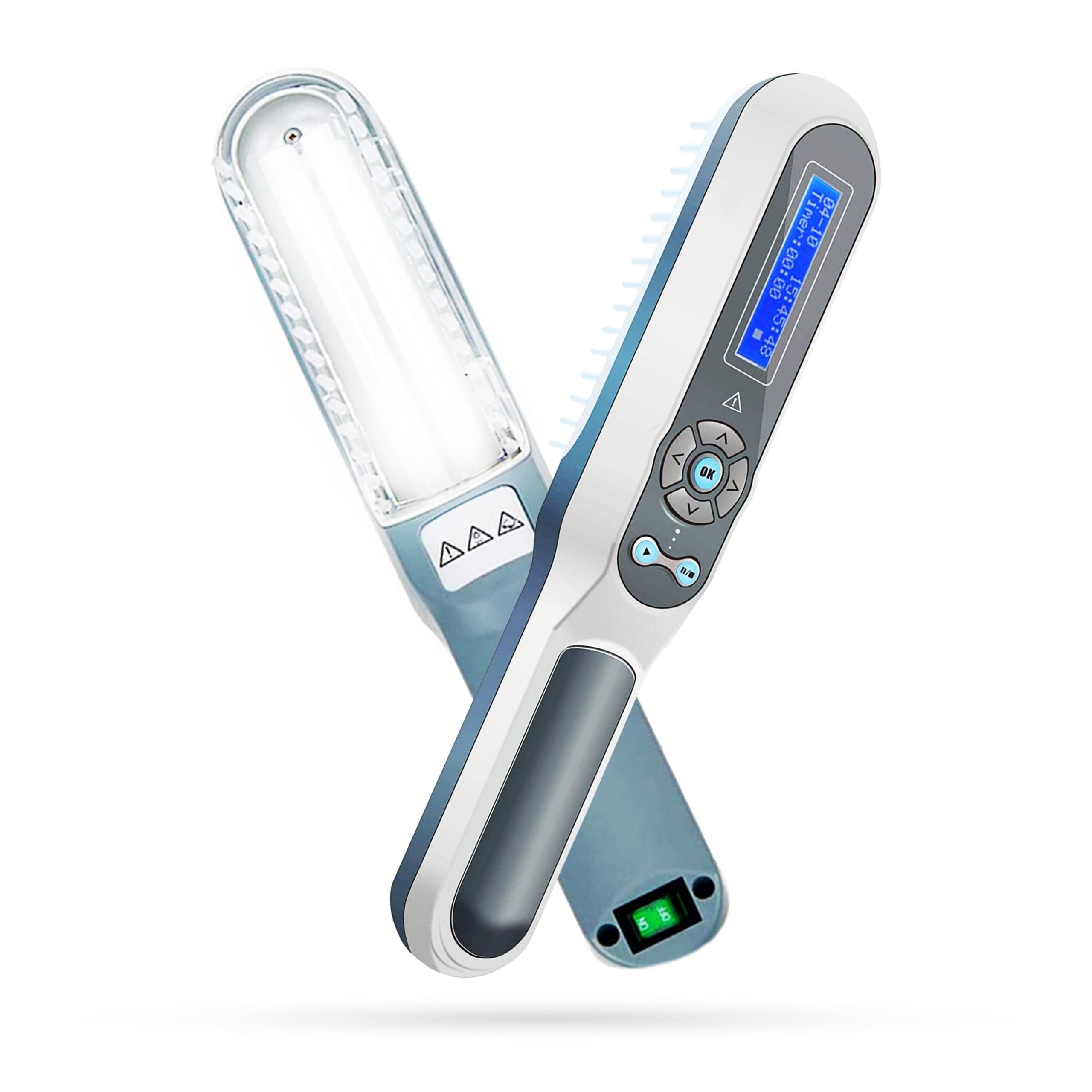
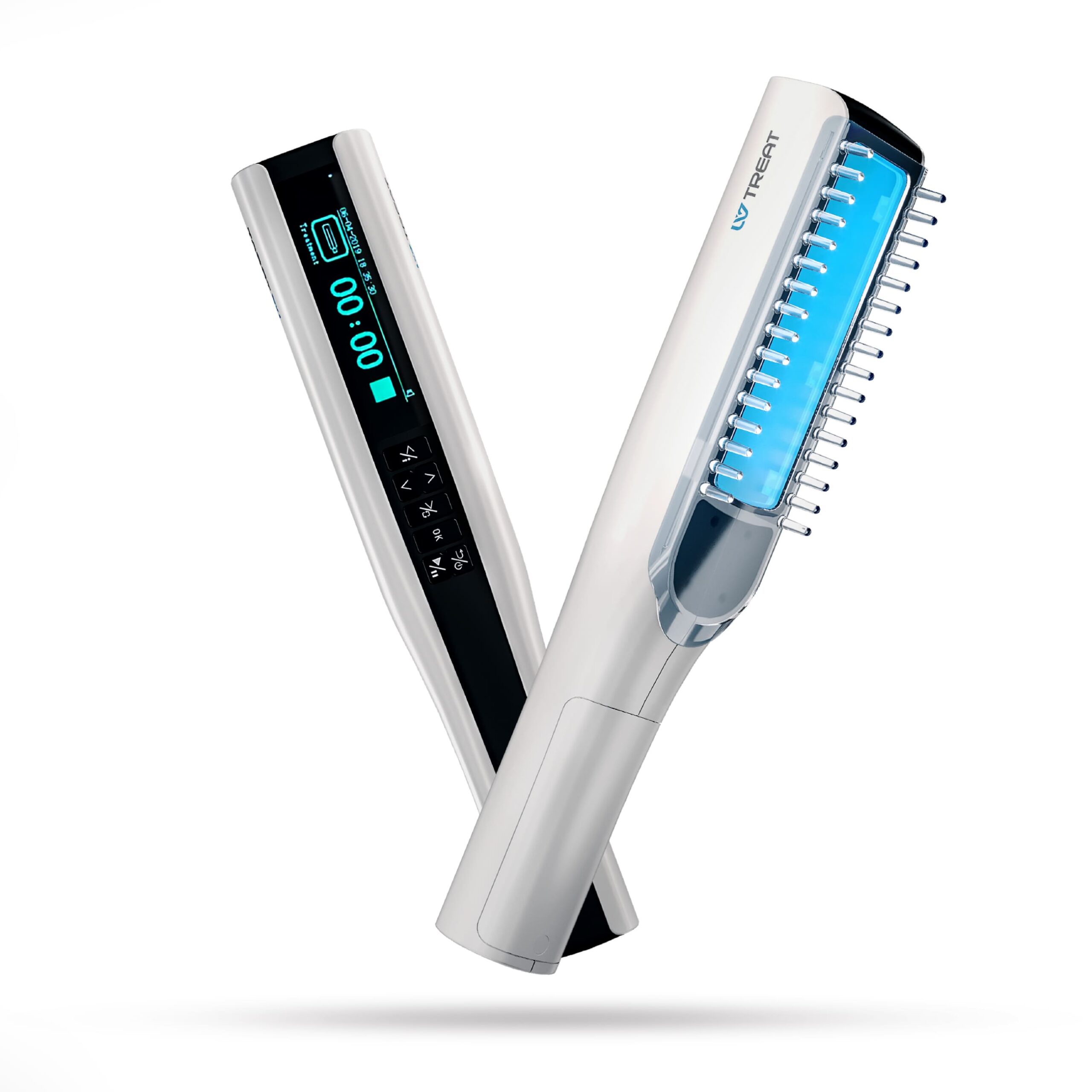
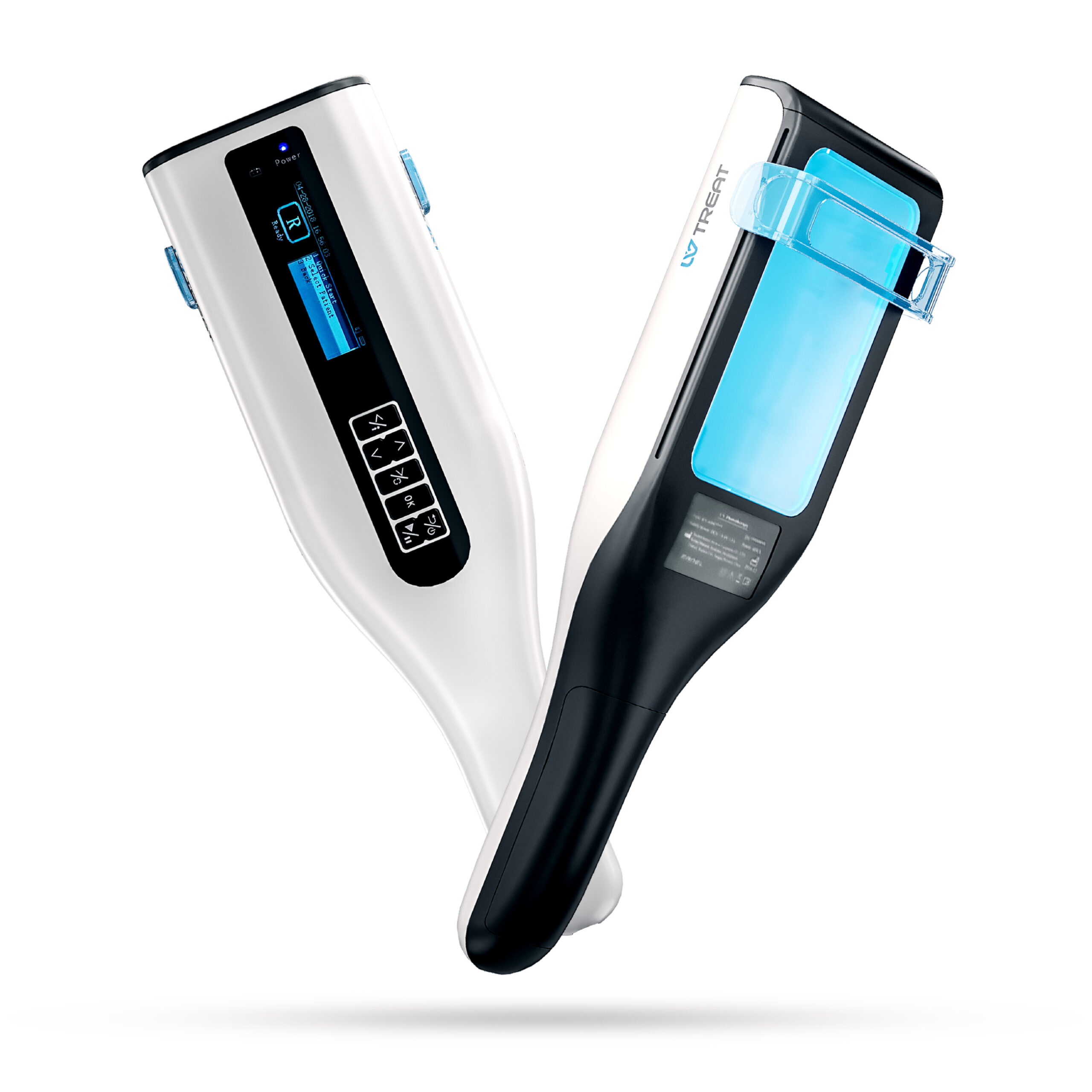
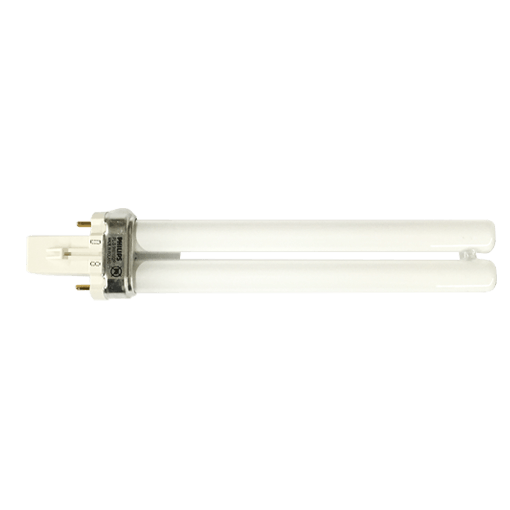
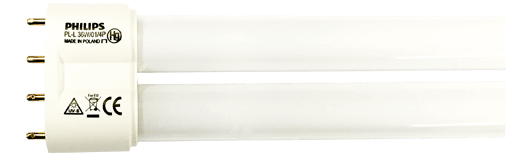
auto-calibrated home lamps
Photo tracking to document flare cycles
digital dose adjustments
These improvements made online phototherapy care not only possible but also reliable. Patients report feeling more in control, while clinicians gain clearer visibility into how treatment unfolds between visits.
Remote Monitoring for Home Phototherapy
One of the biggest advancements is remote monitoring phototherapy — the ability for dermatologists to oversee home UV treatments in real time or near real time.
With the help of apps, smart UV lamps, and wearable sensors, clinicians can track:
session timing
cumulative UV exposure
skipped treatments
skin reactions
flare triggers
Some platforms even include automated alerts when something looks off. This structured approach transforms home treatment from a “trust me” model into a transparent partnership.
For many patients, especially those with stable disease, home phototherapy monitoring reduces travel, cost, and stress. It also boosts adherence because reminders, logs, and visual progress create a sense of momentum.
Benefits of Remote Monitoring
The benefits appear on both sides — clinicians and patients alike notice the difference. Patients get more flexible scheduling, fewer in-person visits, a clearer sense of participation in their own care, and the comfort of visually tracking their progress over time.
Clinicians, in turn, gain better adherence data, earlier detection of adverse reactions, smoother clinical decision-making, and steady access to updated photos and reports that keep treatment on track.
This combination often improves treatment outcomes. Many dermatologists find that patients engaged through remote phototherapy monitoring stay more consistent, feel safer, and report fewer flare-related interruptions. Digital reporting also makes it easy to adjust UV dosage early — before irritation or undertreatment becomes a problem.
And, importantly, the structure of remote monitoring reduces uncertainty. It gives patients confidence that they are never “doing it alone.”
Challenges and Limitations
Despite the progress, telehealth introduces new considerations. Some patients struggle with image quality, while others fear technology or have limited internet access. Clinical accuracy depends on good lighting and consistent reporting.
The main challenges include:
privacy and secure data transmission
risk of incorrect self-assessment
potential underreporting of reactions
the need for strong medical supervision
Even with advanced platforms, virtual dermatology treatment still can’t fully replace urgent in-person visits. Any severe flare, blistering, or unexpected pain must be seen directly by a clinician.
Case Examples and Practical Applications
Many dermatology practices now use digital dermatology tools to support chronic care. Here are two simplified real-world patterns:
Case example 1: Psoriasis management
A patient with moderate plaque psoriasis receives a home UVB lamp. Their dermatologist reviews weekly logs through a telehealth platform, adjusts their dose, and checks skin photos. After 8–10 weeks, plaques are thinner, irritation is lower, and the patient has skipped only one session.
Case example 2: Vitiligo repigmentation
A young adult begins targeted UVB at home but feels anxious about doing it correctly. With skin condition telehealth, the clinician reviews photos twice a month, encourages consistency, and updates dose settings. Seeing repigmentation on their digital timeline increases the patient’s motivation dramatically.
Both examples rely on online phototherapy care that supports consistency and reduces uncertainty.
Future Trends
Looking ahead, the potential is enormous. The next generation of telehealth phototherapy will merge medical supervision with predictive digital tools.
Emerging innovations include:
AI-based session analysis
Smart UV lamps that auto-set the correct dose
Wearable UV sensors that prevent overexposure
app-based flare prediction models
Fully integrated phototherapy app solutions
Cloud-connected home devices with clinician dashboards
This vision brings together remote care, accessible design, and long-term safety — forming a new ecosystem where phototherapy telemedicine becomes more intuitive, more precise, and even more personalized.
Conclusion
Phototherapy telemedicine is reshaping how dermatologists guide patients through UV treatment. With tools that support remote monitoring phototherapy, digital logs, and at-home UV devices, care becomes more accessible without losing medical rigor.
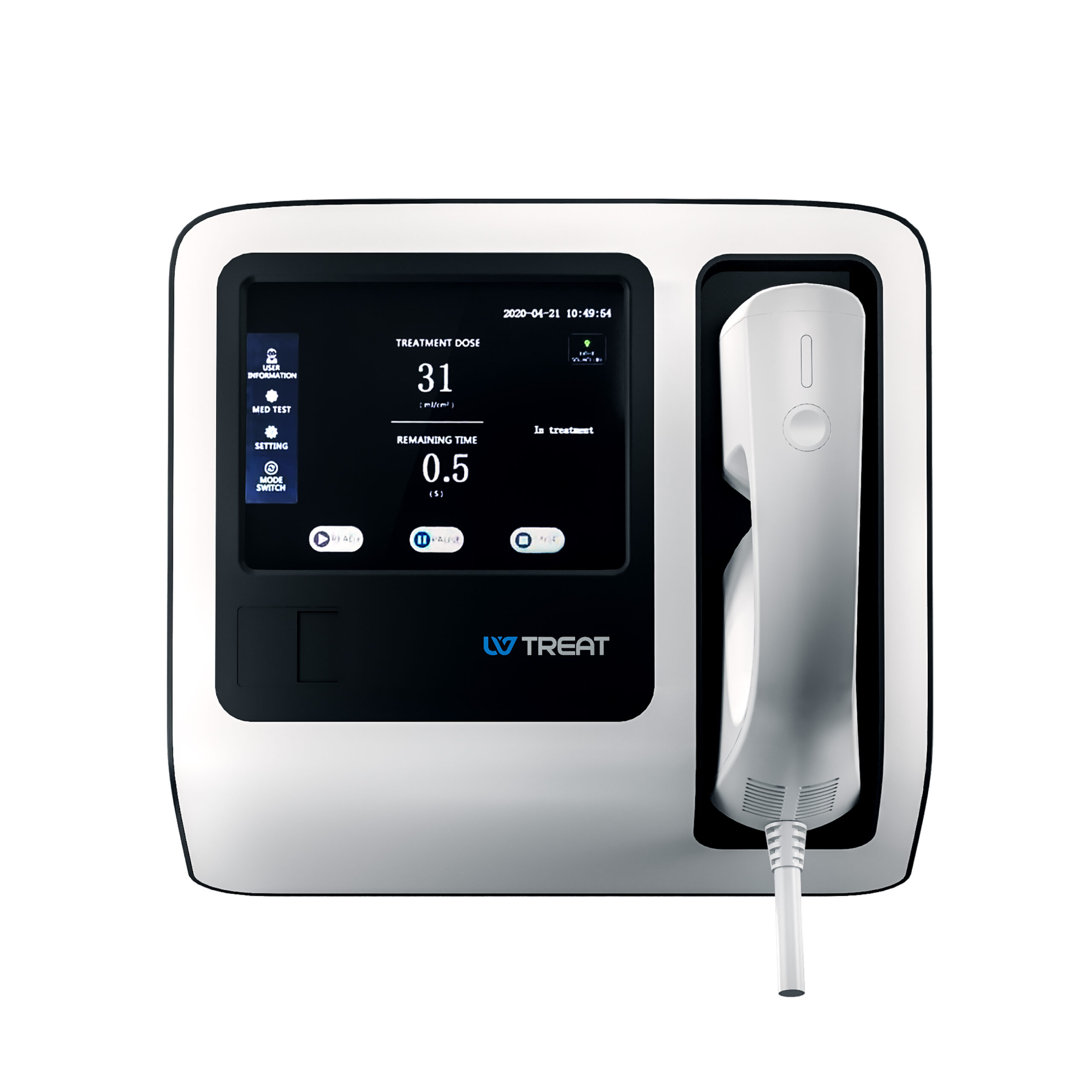
Whether patients rely on targeted home lamps or clinic-supervised full-body systems, telehealth phototherapy helps maintain safety, consistency, and a sense of ongoing support. As AI and smart devices evolve, telemedicine in dermatology will continue opening doors to safer, more responsive, patient-centered treatment.
Share
FAQs
Yes — when monitored through telehealth platforms and clinician-approved devices.
For major flares or unexpected reactions, yes. Telemedicine supplements but doesn’t fully replace physical care.
Apps, wearable UV sensors, photo logs, and smart home lamps.
To provide the best experiences, we use technologies like cookies to store and/or access device information. Consenting to these technologies will allow us to process data such as browsing behavior or unique IDs on this site. Not consenting or withdrawing consent, may adversely affect certain features and functions.
Functional
Always active
The technical storage or access is strictly necessary for the legitimate purpose of enabling the use of a specific service explicitly requested by the subscriber or user, or for the sole purpose of carrying out the transmission of a communication over an electronic communications network.
Preferences
The technical storage or access is necessary for the legitimate purpose of storing preferences that are not requested by the subscriber or user.
Statistics
The technical storage or access that is used exclusively for statistical purposes.The technical storage or access that is used exclusively for anonymous statistical purposes. Without a subpoena, voluntary compliance on the part of your Internet Service Provider, or additional records from a third party, information stored or retrieved for this purpose alone cannot usually be used to identify you.
Marketing
The technical storage or access is required to create user profiles to send advertising, or to track the user on a website or across several websites for similar marketing purposes.