Trends in Skin Disease Treatment: Phototherapy 2025
Introduction
By 2025, dermatology looks different from it did even a few years ago. Patients expect safer long-term care, clinicians want treatments that actually fit into real life, and technologies finally feel mature rather than experimental. In this shifting landscape, phototherapy 2025 has quietly become one of the most reliable tools. It’s steady, predictable, and grounded in decades of research, yet modernized by new devices and data-driven guidance. Many dermatologists now see UVB therapy not as an old standard, but as a therapy entering its next chapter.
Current Role of Phototherapy in Skin Disease Management
Phototherapy for skin diseases remains central in managing psoriasis, eczema, vitiligo, and several inflammatory conditions. What has changed is the way patients and clinicians think about it. Instead of being the “middle step” between topicals and biologics, it has become a treatment many people request first — especially those looking for a manageable routine with fewer systemic risks.
In 2025, the future of skin disease treatment depends on balancing efficacy with long-term safety. And phototherapy hits that balance gently. It improves the skin without touching metabolism, liver load, or immune suppression. Dermatologists point out that adherence tends to be higher here because patients feel more in control, and improvement unfolds at a pace that feels steady rather than unpredictable.
Technological Advances in Phototherapy Devices
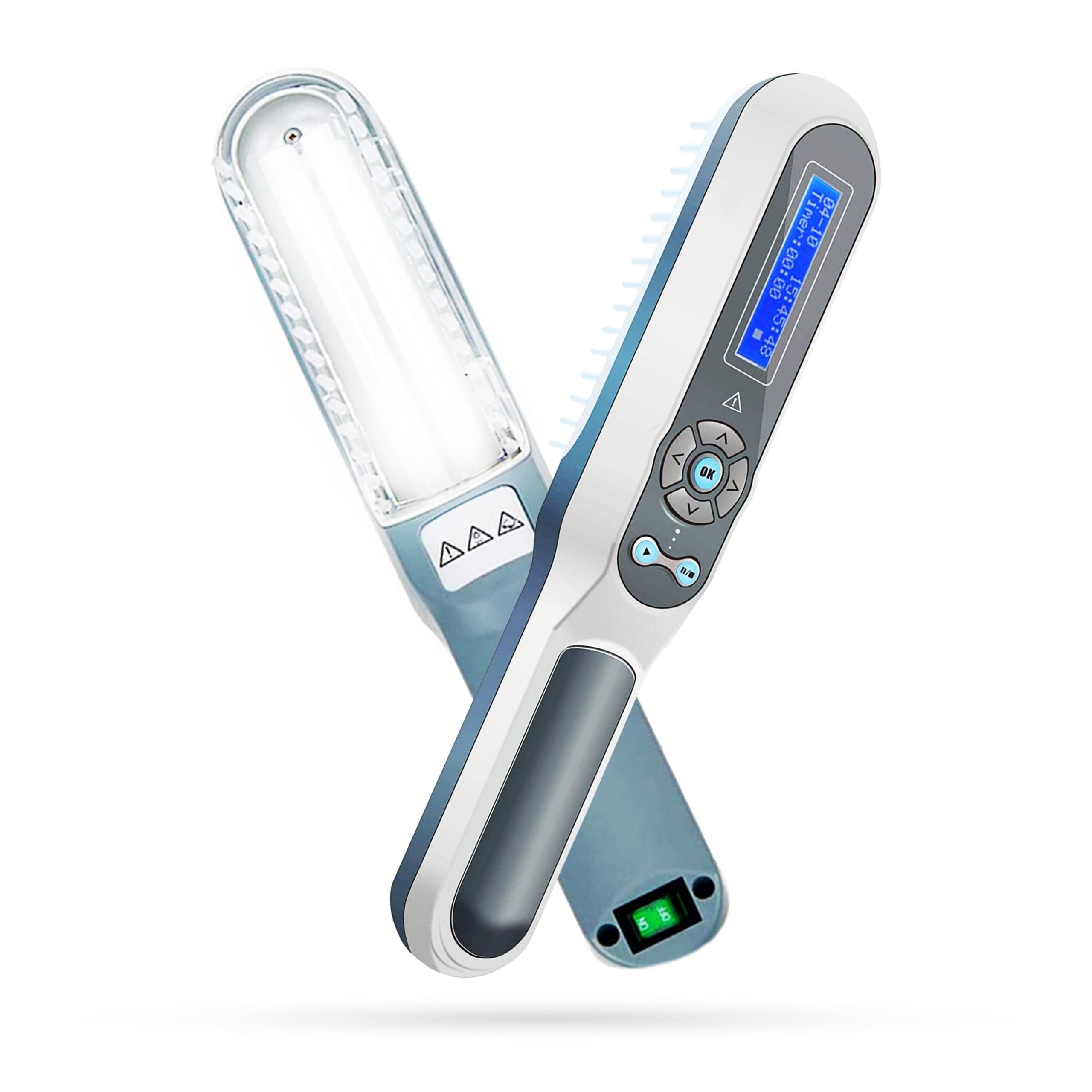
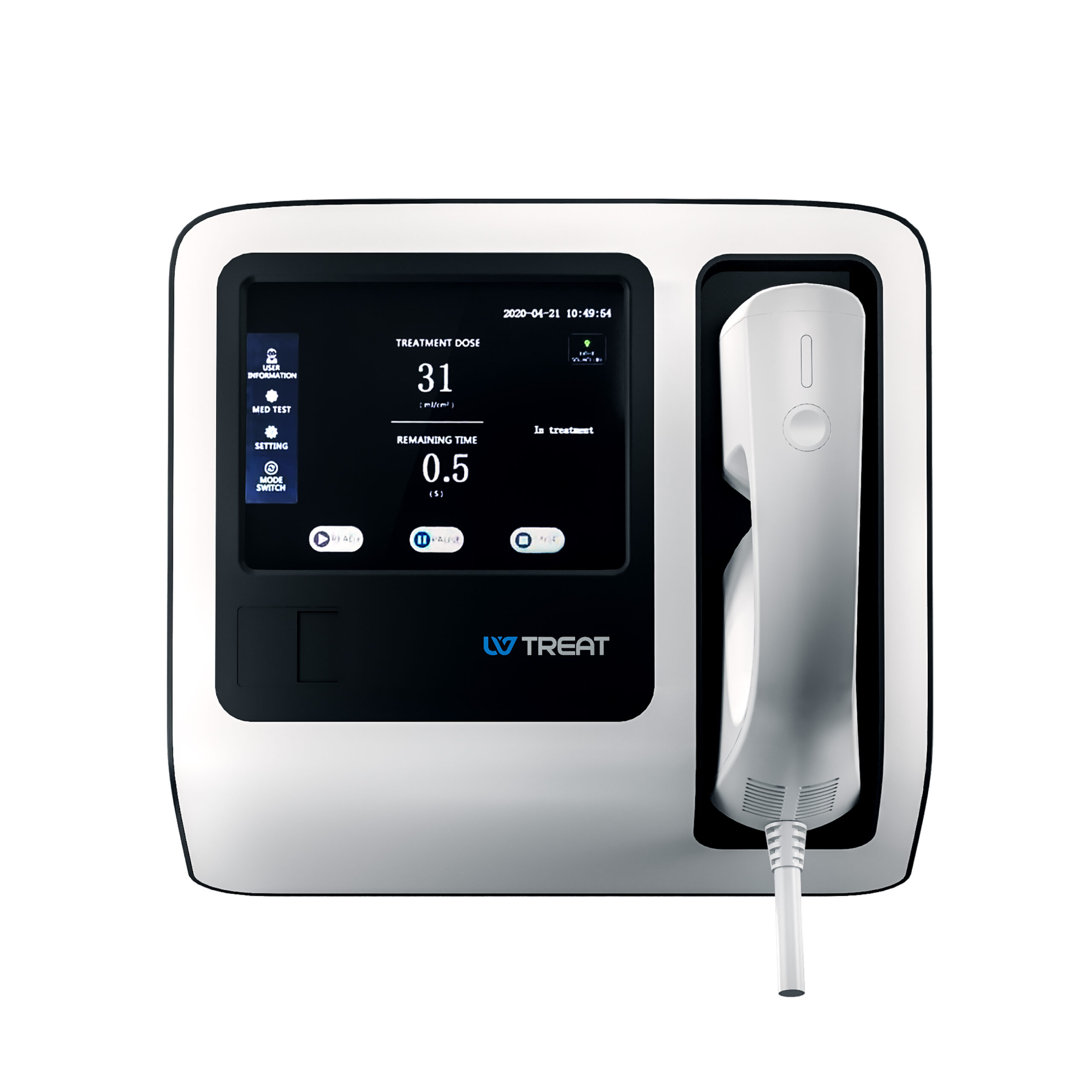
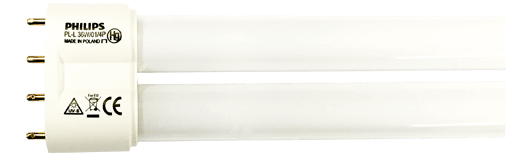
The biggest transformation comes from technology. Clinics now use the latest phototherapy devices with smart UVB bulbs, improved shielding, and real-time monitoring. Many units include AI-assisted dosing that tracks how a patient responded in previous weeks, making adjustments for sensitivity, seasonal changes, or flare patterns.
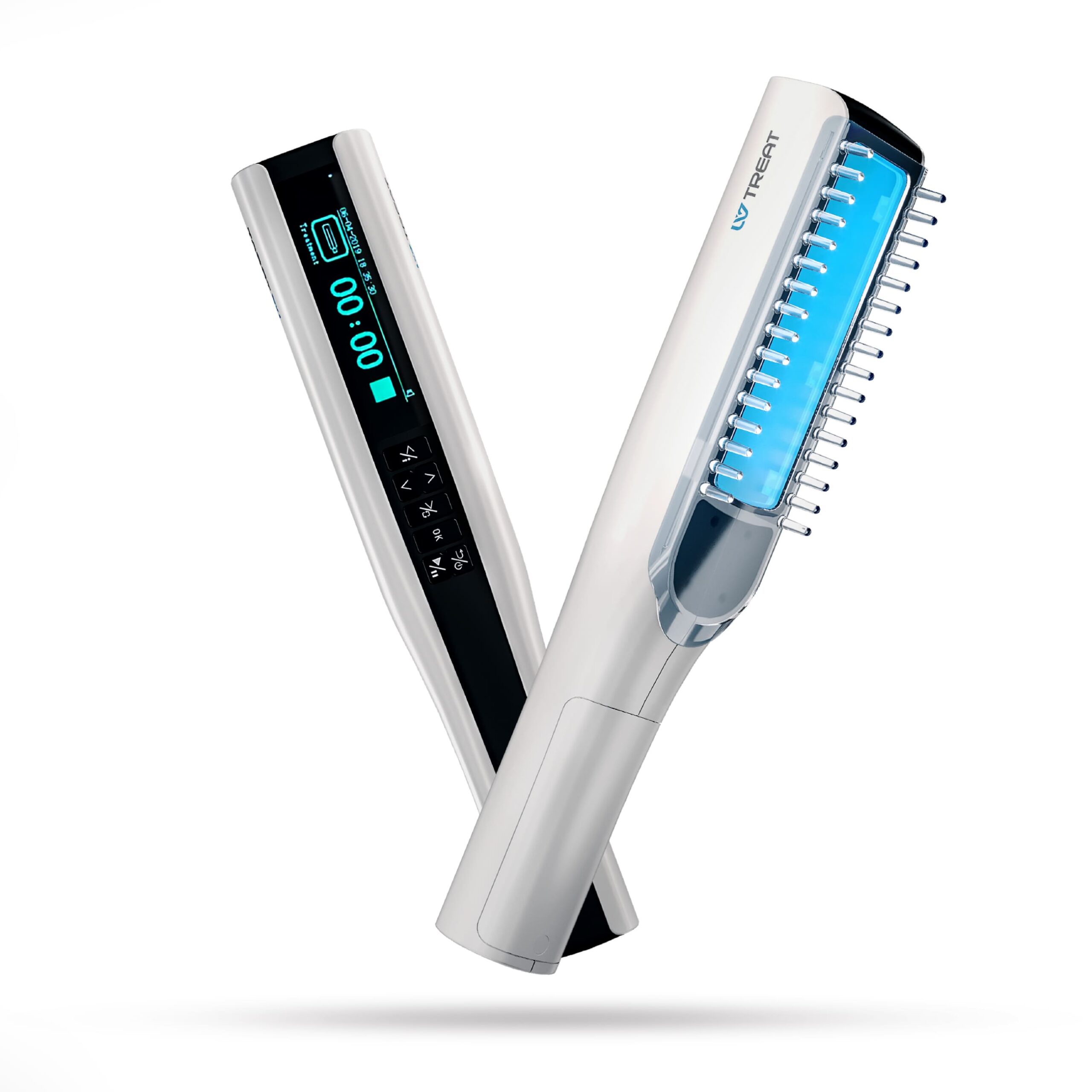
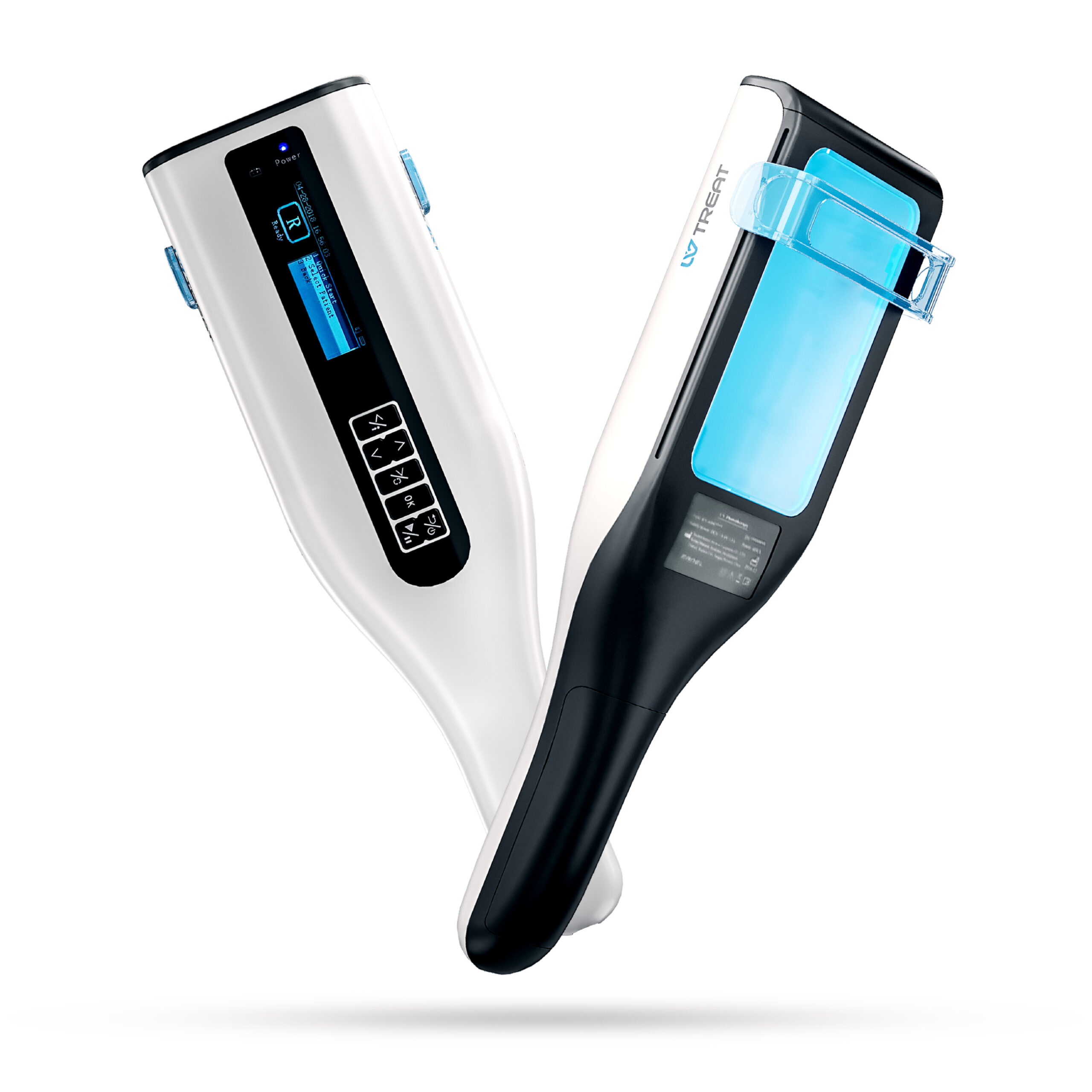
Manufacturers also continue rolling out innovations in UVB therapy — from slimmer panel designs to quiet fans and energy-efficient bulbs. What once required a bulky cabinet now fits in a smaller footprint. Even more interesting is the spread of portable medical-grade units that let clinicians offer care in satellite clinics without major installation work.
These advances are what push the phototherapy new technology narrative. Devices no longer feel outdated. They feel modern, measured, and surprisingly gentle.
Home Phototherapy in 2025
If there is one trend reshaping dermatology, it’s the rise of home phototherapy 2025. FDA-approved portable UVB units have become safer, more consistent, and easier to monitor. Many patients use smartphone apps that sync with their devices, record doses, remind them about safety goggles, and flag moments when a flare might require clinical supervision.
Clinics remain essential — especially for severe or unstable disease — but the home-care shift reflects something larger: people want treatments they can weave into their lives, not schedule their lives around. And with UVB treatment trends showing rising adoption, clinicians prepare hybrid models where in-clinic and at-home care work together.
Personalized Phototherapy Protocols
2025 also marks a shift toward personalization. Personalized phototherapy uses data from wearables, patient-reported outcomes, and app-tracked symptoms to adjust dosing schedules. Instead of “three times a week, same dose for everyone,” protocols now evolve, responding to a person’s real patterns rather than theoretical averages.
This approach aligns closely with phototherapy research 2025, which explores individualized dose escalation, different nanometer intensities, and gentler schedules for sensitive skin types. The more data clinicians have, the easier it is to avoid unnecessary redness and build long-lasting improvement.
Integration with Other Therapies
Modern dermatology almost never relies on a single treatment. Phototherapy often pairs with biologics, non-steroidal topicals, or vitamin D analogues. For patients who feel hesitant about medication-heavy plans, phototherapy softens the load and improves comfort levels.
This combination approach shows up frequently in phototherapy clinical trends, where clinicians use UVB to stabilize flares before transitioning to maintenance therapy. When biologics need a slow ramp-up or patients experience mild side effects, phototherapy acts like a steady floor — a stabilizer that improves overall outcomes.
Economic and Accessibility Trends
No treatment trend survives if it isn’t accessible, and the trends of phototherapy in 2025 reflect that reality clearly.
Costs continue to drop as manufacturing improves and competition grows among device makers. Clinics upgrading their units see lower operational expenses, especially now that lamps last longer and run on far better energy-efficient systems. Insurance coverage has widened too, which is one reason discussions about the future of phototherapy stay genuinely optimistic.
When patients can afford steady care, adherence improves almost naturally. Add in telemedicine check-ins and simple digital monitoring tools, and people no longer need unnecessary clinic visits — they get targeted, meaningful sessions instead. All these shifts together — lower device costs, better coverage, and rising demand — have pushed phototherapy into the mainstream planning of hospitals and private practices.
Safety and Regulation Updates
2025 brings updated guidelines focused on protecting both patients and staff. Regulatory agencies now emphasize clearer instructions around eye protection, dosing intervals, and device calibration. These updates aim to keep phototherapy in dermatology safe even as more people adopt home devices.
Manufacturers must now meet higher standards for shielding, heat control, and bulb stability. Clinics appreciate the clarity; patients appreciate knowing their therapy follows the strictest modern rules. Safety remains one of the most discussed parts of the skin disease treatment 2025 conversation, and phototherapy continues to score high because the risks are manageable and well understood.
Future Outlook
The future of phototherapy is shaped by three parallel movements: smarter devices, more flexible care models, and rising patient demand. UVB therapy is no longer seen as an “old-school” tool, but as an adaptable, evolving treatment.
Researchers explore targeted nanometer delivery, clinicians refine hybrid care models, and developers keep building devices that quietly disappear into everyday life.
Conclusion
Looking at all the threads together, phototherapy 2025 stands at a rare point where science, accessibility, and real-world usability meet. It works for multiple conditions, fits into modern life, and evolves fast enough to stay relevant. Dermatologists see a treatment that is steady rather than dramatic, predictable rather than risky, and flexible enough for both clinics and home use.
For patients wanting long-term solutions and for clinicians seeking reliability, phototherapy remains one of the most meaningful therapies heading into the next decade.
Share
Frequently Asked Questions – FAQs
Yes — it remains one of the safest, most adaptable options for chronic inflammatory skin conditions.
Modern FDA-approved units provide consistent dosing, stronger shielding, and app-based monitoring that keeps use safe.
Early phototherapy research 2025 shows that tailored dosing lowers redness risk and supports better long-term control.
To provide the best experiences, we use technologies like cookies to store and/or access device information. Consenting to these technologies will allow us to process data such as browsing behavior or unique IDs on this site. Not consenting or withdrawing consent, may adversely affect certain features and functions.
Functional
Always active
The technical storage or access is strictly necessary for the legitimate purpose of enabling the use of a specific service explicitly requested by the subscriber or user, or for the sole purpose of carrying out the transmission of a communication over an electronic communications network.
Preferences
The technical storage or access is necessary for the legitimate purpose of storing preferences that are not requested by the subscriber or user.
Statistics
The technical storage or access that is used exclusively for statistical purposes.The technical storage or access that is used exclusively for anonymous statistical purposes. Without a subpoena, voluntary compliance on the part of your Internet Service Provider, or additional records from a third party, information stored or retrieved for this purpose alone cannot usually be used to identify you.
Marketing
The technical storage or access is required to create user profiles to send advertising, or to track the user on a website or across several websites for similar marketing purposes.