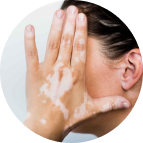
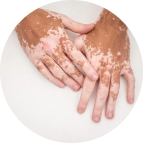
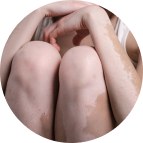
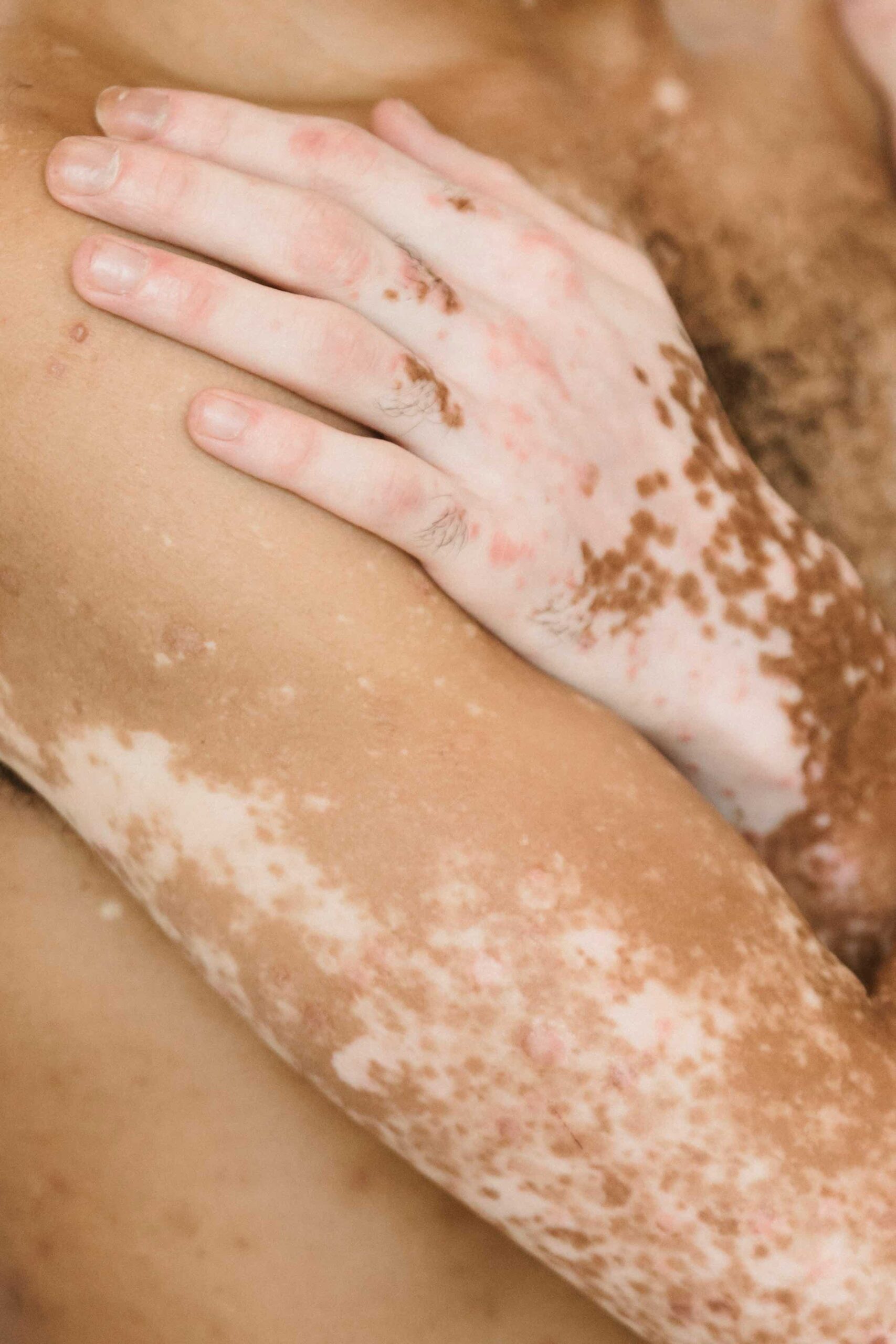
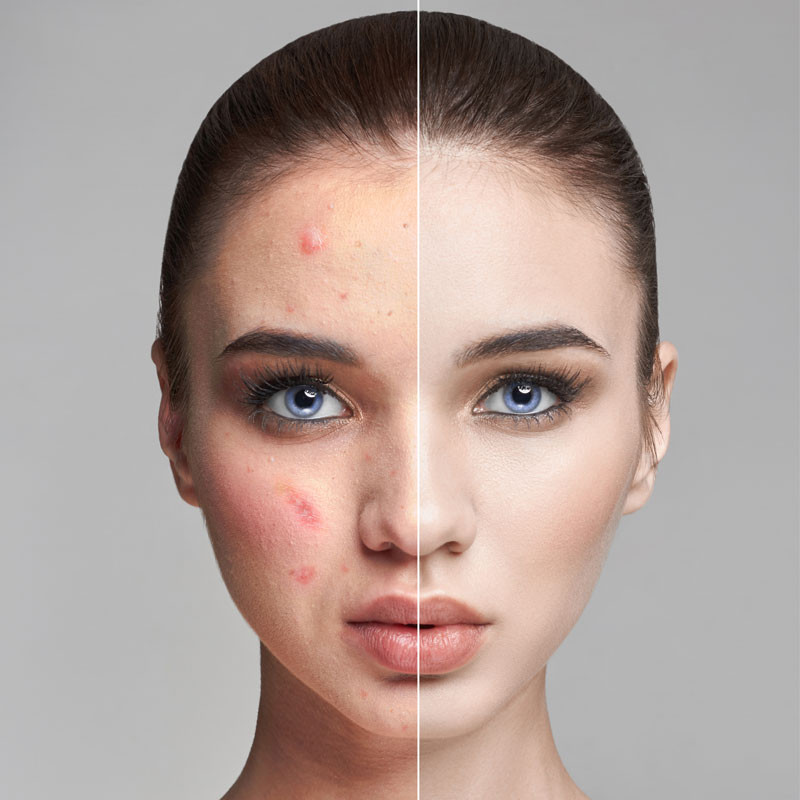
Vitiligo is a chronic skin condition that causes loss of skin color in segmented areas of an individual’s body, including inside of the mouth, hair, face, hands, genital area, and more.
Vitiligo, also called leukoderma, affects over one percent of the world’s population, and its symptoms may worsen with time. Although there is no cure for Vitiligo, treatments available may help restore color to the affected skin.
The 7 Stages of Vitiligo Progression
Manifestation
Small pale patches of skin will be visible
Spread
The pale patches will gradually get larger
Koebner Phenomenon:
New pale patches will form at injury sites (scratches and cuts).
Stabilization:
The spread stops, but pigmentation stays the same.
Re-Pigmentation:
Individuals with non-segmental vitiligo may experience the return of skin color.
Treatment:
UVB Phototherapy treatment is administered to spark re-pigmentation and prevent spread.
Social Consequences:
Some individuals may experience lowered confidence due to color loss.
A Modern Approach to Vitiligo Treatment with UVB Phototherapy
Around five million Americans live with vitiligo – more than the entire population of Los Angeles. Until 2022, there wasn’t a single FDA-approved treatment to restore lost skin color. Instead dermatologists recommend Vitiligo UVB phototherapy – a treatment that’s been delivering results since the late 1990s.
Narrowband UVB 311 nm light remains the gold standard for vitiligo repigmentation worldwide. The American Academy of Dermatology and the Global Vitiligo Foundation recommends it. Clinical studies consistently show response rates above 70% for most body areas.
UVB light triggers two essential processes in your skin. First, it wakes up dormant melanocytes hiding in your hair follicles and coaxes them to migrate into depigmented patches. Second, it calms the overactive immune cells responsible for destroying your pigment in the first place.
The hard part was always getting treatment consistently. Clinic-based phototherapy means driving to appointments two or three times weekly for months on end. That is an option for some patients, but for others with work schedules, childcare, or living in rural areas – it’s simply not practical and inaccessible.
That’s where home phototherapy enters. Same medical-grade wavelength. Same treatment protocols. But on your schedule, in your space.
Why can’t you just lay in the sun? Think of sunlight as a supermarket. Walking outside is like running through the shelves and throwing everything into your cart: UVA that ages your skin, infrared that fuels inflammation, and somewhere in the mix, a little bit of useful UVB. You’re paying for the whole cart, but most of it works against you.
UVB phototherapy skips the shopping spree entirely. It walks straight to one shelf, picks up one product, a narrow wavelength between 311 and 313 nm, and leaves. That’s the exact range that slows overactive skin cells in psoriasis and restarts pigment production in vitiligo. Nothing else makes it into the cart.
Sunbathing is a blind grocery haul. Phototherapy is an item from the whole supermarket your skin needs, in the exact right dose.
How UV Light Therapy Supports Repigmentation in Vitiligo
Understanding the biology behind vitiligo ultraviolet light treatment helps explain why results take time.
Melanocyte Stimulation
Skin gets its color from cells called melanocytes. In vitiligo, these cells are destroyed on the skin surface – but a backup supply survives inside hair follicles, dormant. UVB light wakes them up. It triggers surrounding skin cells to release proteins that tell dormant melanocytes to multiply and move toward the surface. The first sign this is working: small pigmented dots appearing around hair follicles inside a pale patch. Over months, those dots expand and merge until the patch fills in.
Immune Modulation
Vitiligo is an autoimmune condition – the immune system targets and destroys melanocytes, which means new pigment gets attacked before it can establish. UVB light disrupts this: inflammatory signals drop, the cells doing the damage decrease, and regulatory cells that suppress immune overactivity increase. The treatment works on both sides at once.
Repigmentation Timeline
Those first follicular dots usually show within 2–3 months. Broader improvement across a patch takes longer – six to nine months for most patients. Hands and feet are slower; twelve months is a reasonable expectation for acral areas.
Clinic vs Home UV Light Therapy for Vitiligo
Choosing between clinic-based and home-based UV light for vitiligo comes down to your circumstances, not the technology itself.
Factor
Clinic-Based Phototherapy
Home Phototherapy
Supervision
Direct dermatologist oversight every session
Self-administered with physician guidance
Treatment Duration
10-15 minute appointments + travel time
5-15 minutes depending on body area
Frequency
Requires 2-3 weekly clinic visits
Same frequency, no travel
Accessibility
Limited by clinic hours and location
24/7 availability
Cost Structure
Per-session copays ($150-400 without insurance)
One-time device investment ($300-$3,000+)
A 2020 randomized controlled study compared hospital-based and home-based narrowband UVB for vitiligo. The conclusion? Home treatment achieved equivalent repigmentation with better compliance and lower long-term costs.
How to Choose the Right UVB Lamps for Vitiligo Treatment
Selecting the right UVB lamp for vitiligo treatment depends on three factors – how much skin you need to treat, where the patches are located, and your budget.
Device Type
Best For
Treatment Area
Price Range
Handheld Units
Localized patches, face, hands
Small
$300-$800
Panel Systems
Multiple body areas, moderate coverage
Medium (torso, limbs)
$1,500-$3,000
Full-Body Cabins
Generalized vitiligo, extensive coverage
Full body
$3,000-$8,000+
Selection Guidance
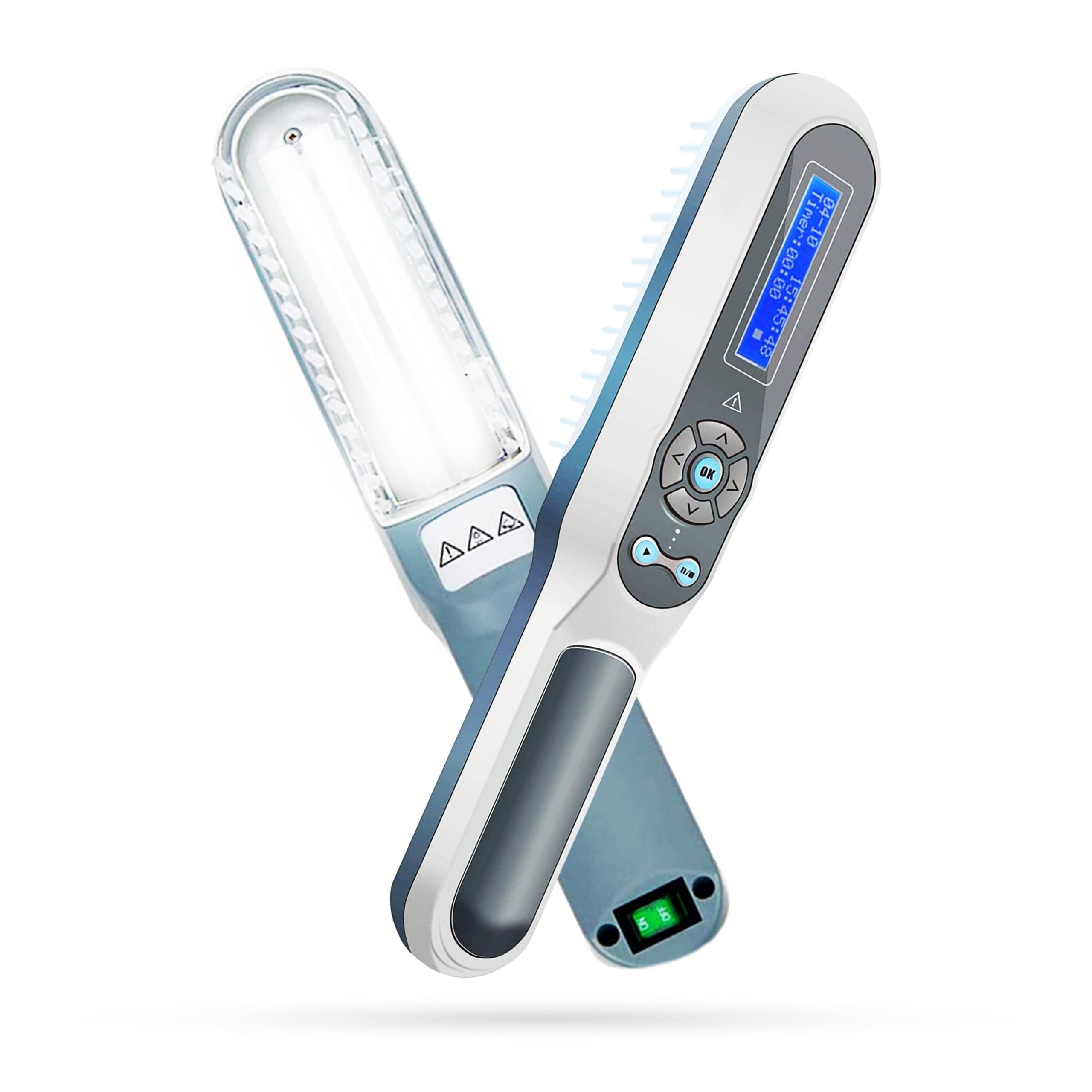
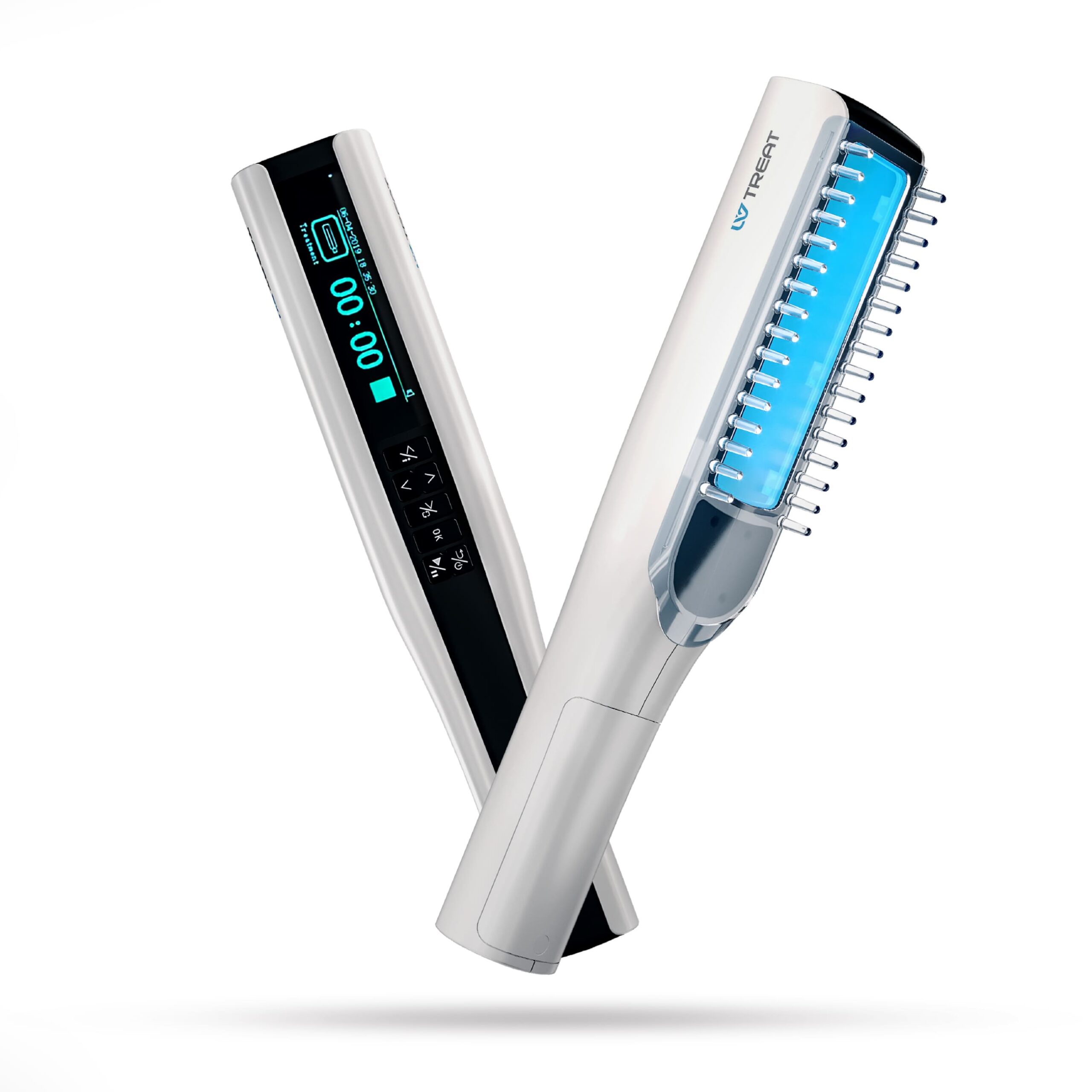
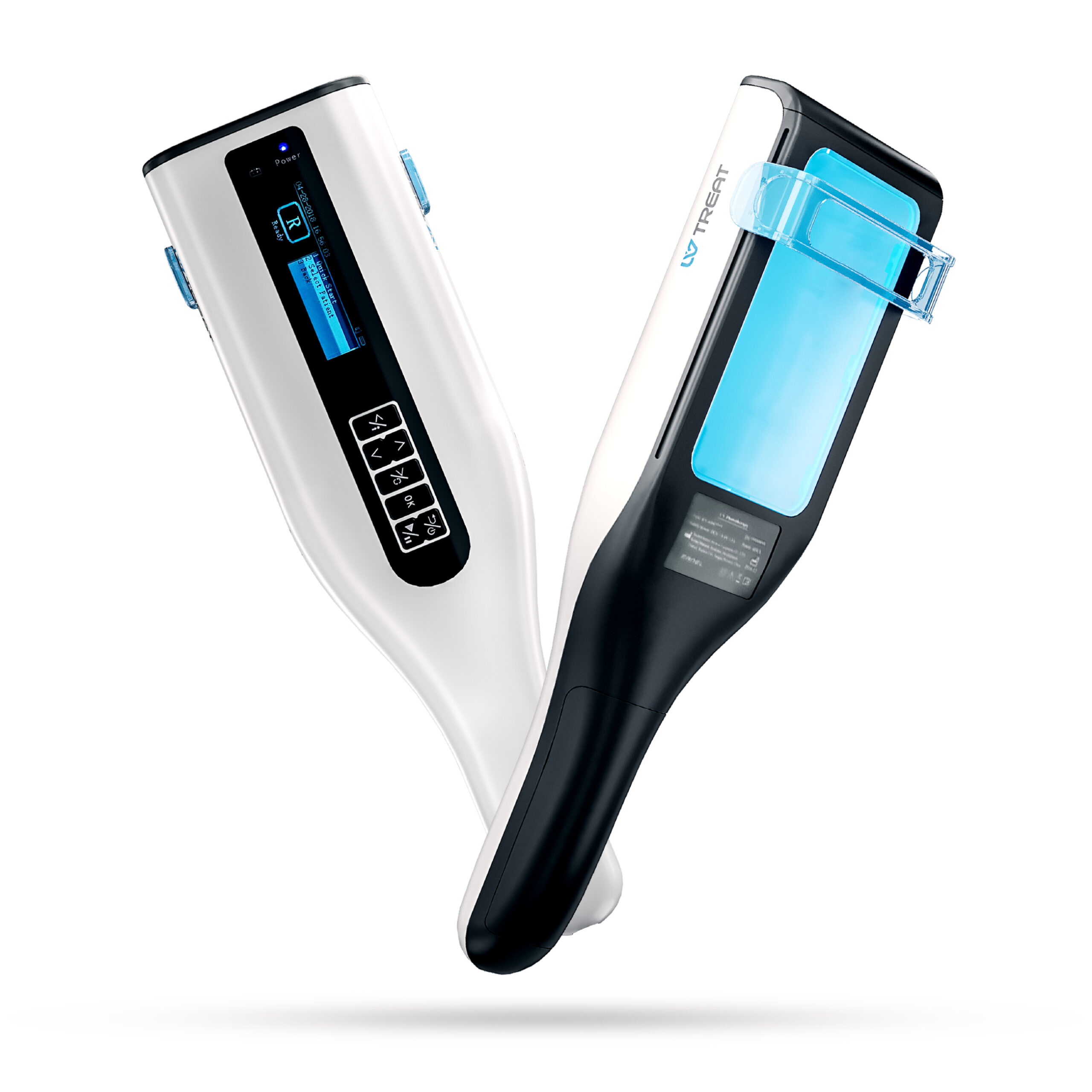
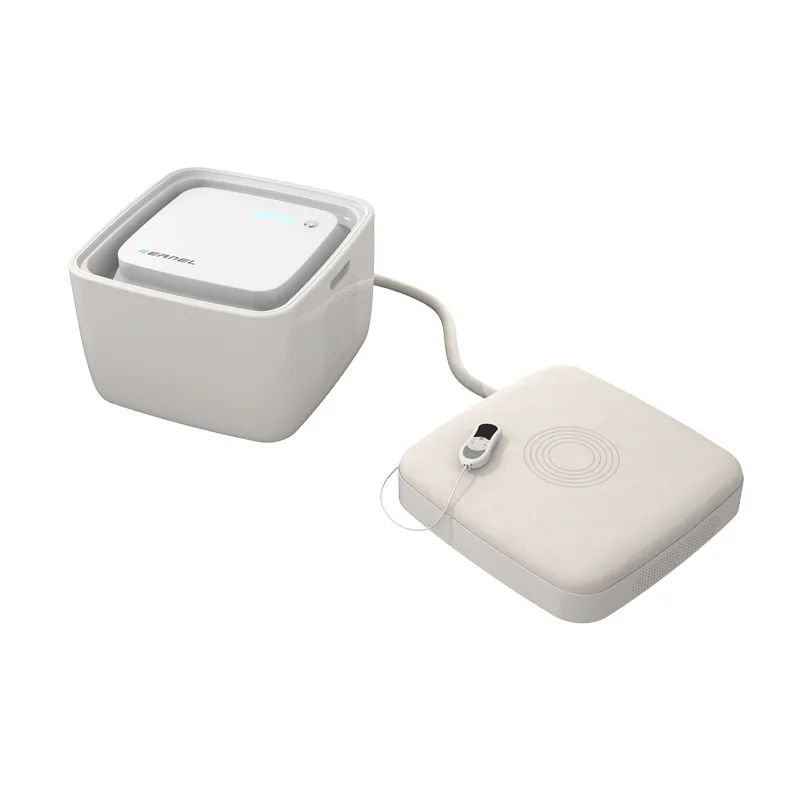
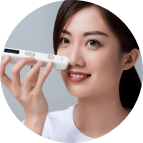
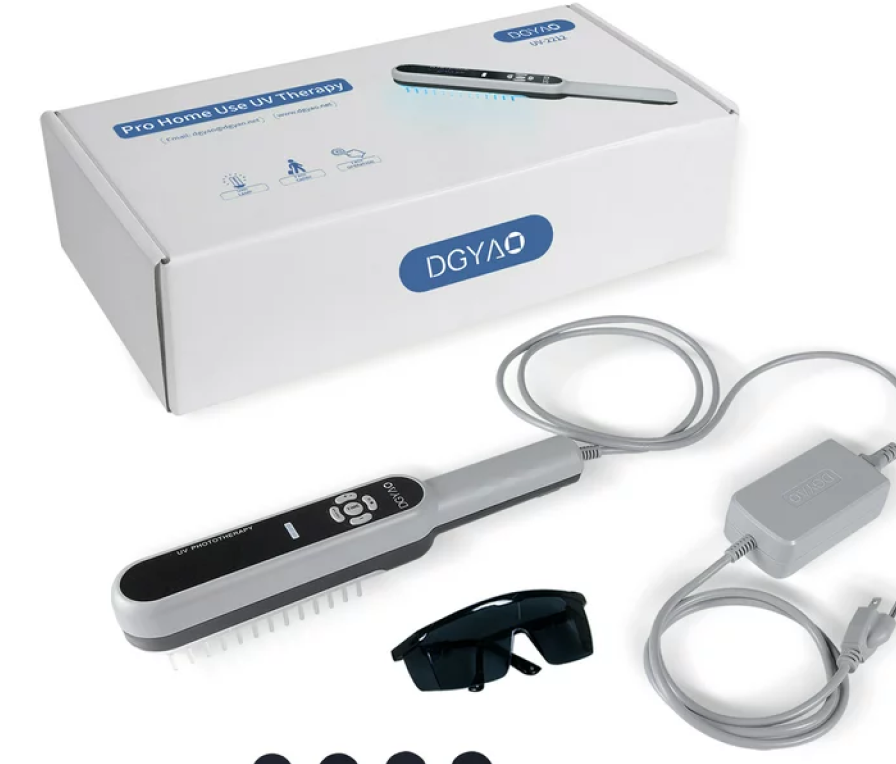
Limited patches on face or hands? A handheld uvb lamp vitiligo offers targeted treatment without exposing uninvolved skin.
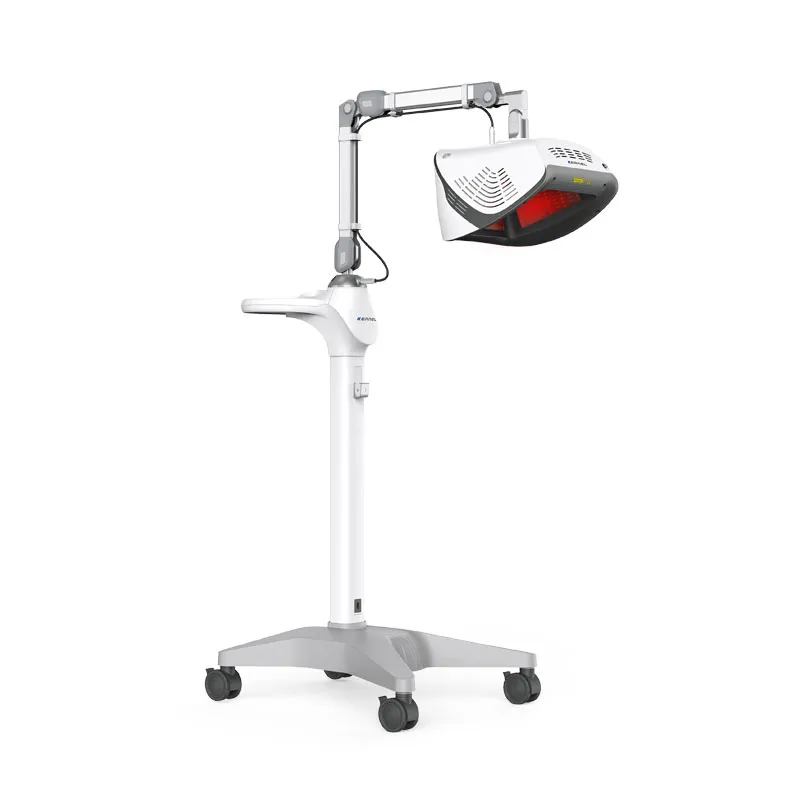
Multiple patches across arms, legs, or trunk? Panel systems provide broader coverage while remaining portable enough for home use. However, smaller unit can still be considered, but it will take more time as each spot needs to be treated.
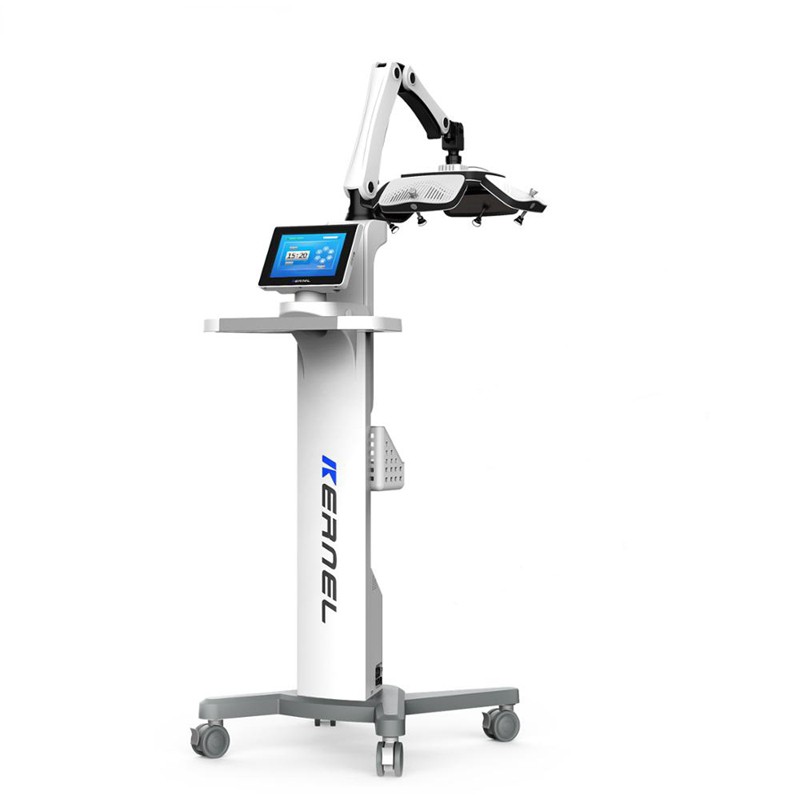
Extensive vitiligo affecting most of your body? Full-body cabins deliver the most efficient treatment, though they require dedicated space and represent a larger investment.
Ensure any device you purchase is FDA-cleared.
Explore UVB Phototherapy Devices & Clinical Systems for Vitiligo
UVB therapy vitiligo lamps serve two different markets, which are individuals managing their condition at home and dermatology practices treating multiple patients daily.
UVB Phototherapy Devices for Home Use
UVB light therapy at home for vitiligo has transformed treatment accessibility. No more rearranging your work schedule around clinic appointments, no more spending hours in traffic for a 10-minute session.
Modern home units use the same Philips TL-01 narrowband bulbs found in dermatology offices. The wavelength is identical; what changes is the form factor. Because narrowband UVB treats several skin conditions, the same device works for psoriasis phototherapy, eczema phototherapy and dermatitis phototherapy.
What makes home treatment practical: sessions happen on your schedule – early morning, late evening, whenever fits. The 2–3x weekly frequency that produces results is easier to maintain when there’s no commute involved. Sensitive areas can be treated privately. And over 6–12 months, the device typically pays for itself against clinic copays.
Browse our full selection of UVB devices to find the right fit for your treatment needs.
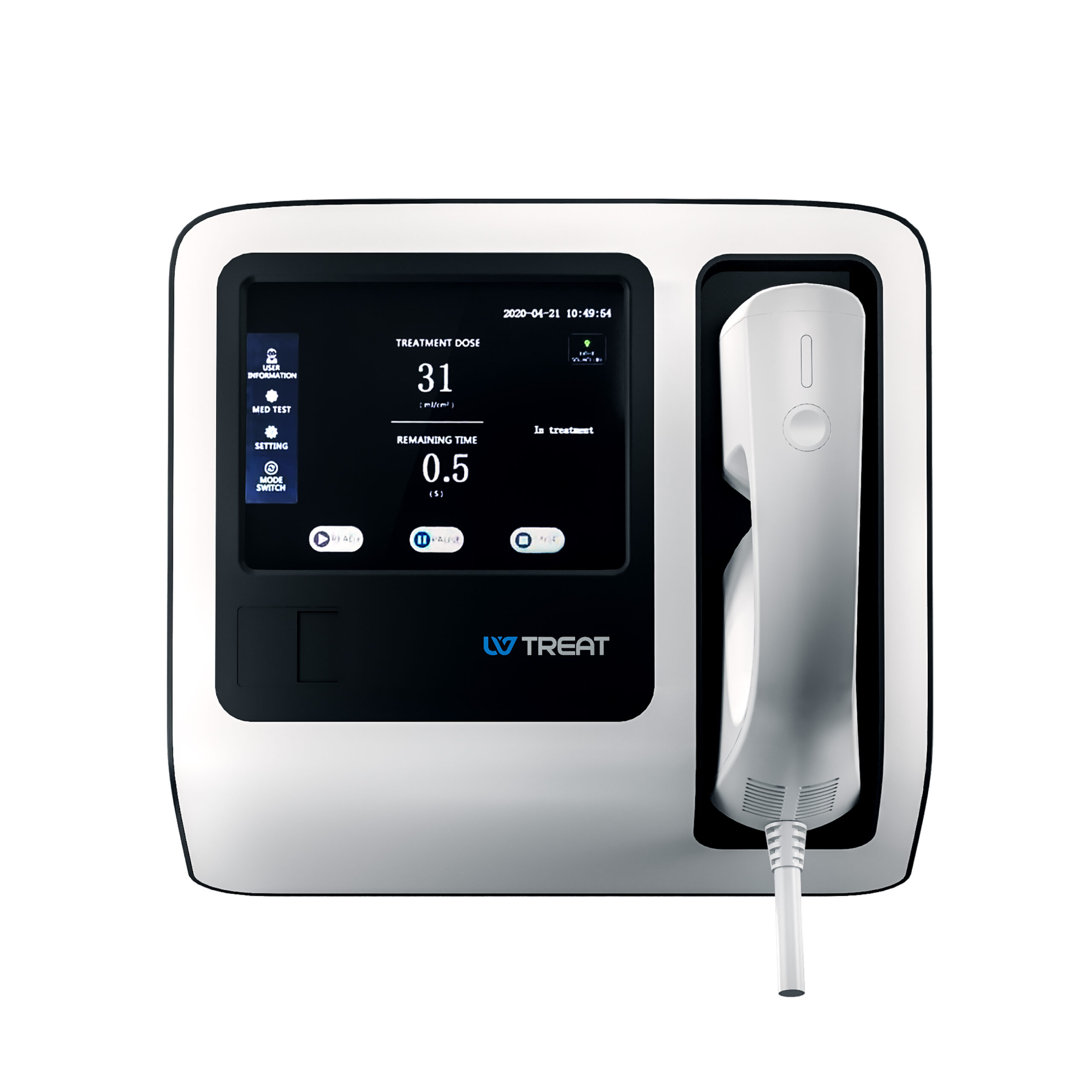
Clinical UVB Phototherapy Systems
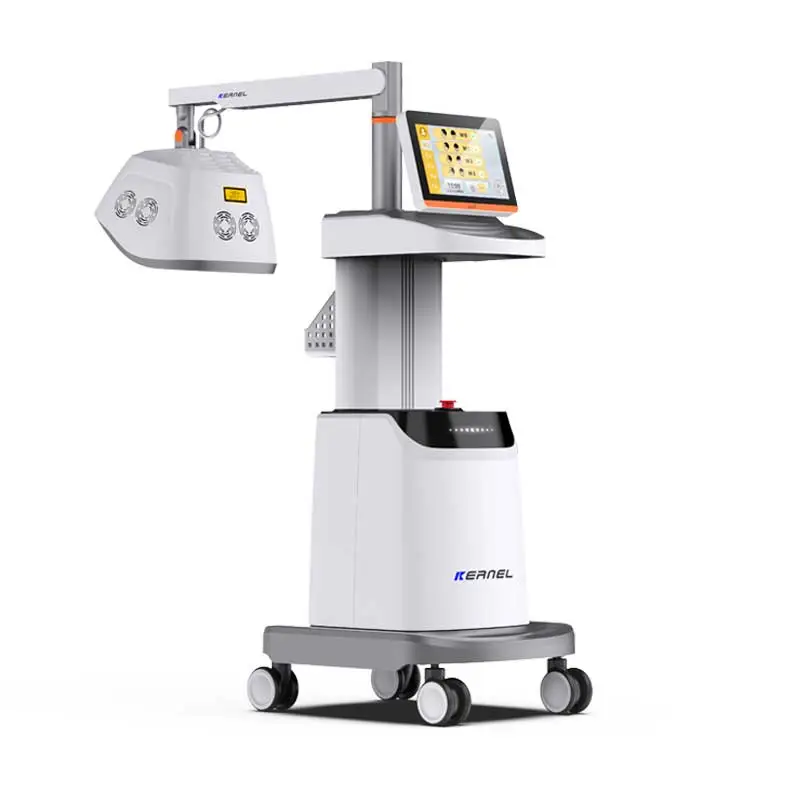
Dermatology clinics need equipment built for volume and durability. Clinical full-body cabinets run 24–48 TL-01 lamps configured for uniform coverage, with digital dosing controls and construction rated for daily use across multiple patients.
Ultraviolet Light Treatment Protocols for Vitiligo
Phototherapy protocols for vitiligo have been refined over decades of clinical use. Following them is what separates effective treatment from ineffective – or worse, counterproductive – exposure.
Treatment Frequency
Optimal frequency of phototherapy treatment for vitiligo is three sessions per week with at least 48 hours between treatments. Twice weekly is acceptable but may extend the treatment timeline. Daily treatment isn’t recommended – skin needs recovery time between exposures.
Dosing Protocol
Most protocols start at 200 mJ/cm² across all skin types. Dose increases by 10–20% per session until mild pinkness (erythema) develops and resolves within 24 hours – the sign that treatment has reached the therapeutic threshold. Maximum doses vary by area: 1,500 mJ/cm² for the face, 3,000 mJ/cm² for full-body treatment.
For darker skin types (Fitzpatrick IV–VI), no established lifetime session limit exists. For lighter skin types, some guidelines suggest 200 sessions as a precautionary ceiling, though the evidence behind that specific number is limited.
Treatment Duration
Meaningful assessment requires a minimum of 6 months of consistent treatment. Some dermatologists recommend at least 48 sessions before declaring non-response, and 72+ sessions for stubborn areas.
Maintenance Phase
Once complete repigmentation occurs, tapering prevents relapse. In first month after repigmentation reduce treatment to 2x weekly, after 3-4 month make it every other week and then discontinue.
UVA vs UVB in Vitiligo Phototherapy
Narrowband UVB at 311nm consistently outperforms older PUVA therapy across every meaningful measure. After six months of treatment, 74.2% of NB-UVB patients show improvement compared to just 51.4% with PUVA. Color match quality tells an even clearer story – nearly all NB-UVB patients achieve excellent blending with surrounding skin, while only 44% of PUVA patients reach that level.
The practical differences matter too. NB-UVB requires no photosensitizing drugs, making it safe for children and pregnant women. PUVA demands oral or topical psoralen before each session, which causes nausea in many patients and creates phototoxicity risks that linger for hours afterward.
Long-term safety favors UVB light vitiligo treatment as well. No documented increase in skin cancer risk exists for narrowband treatment, while PUVA carries potential carcinogenic concerns with extended use.
Narrowband UVB delivers better outcomes with fewer complications. PUVA still has niche applications, but for most vitiligo patients, NB-UVB is the appropriate choice.
Who Can Benefit from UVB Phototherapy for Vitiligo
Response to UVB vitiligo treatment varies from patient to patient. A few key factors help predict who is likely to do well – and who may not.
Ideal Candidates. Phototherapy is used across all age groups – adults, children, and infants, with device choice adjusted to the patient. It applies to all skin types, Fitzpatrick I through VI. It’s a particularly relevant option for non-segmental vitiligo, for disease that is still active or spreading, and for patients who haven’t gotten enough from topical treatments. Those who want to stay off systemic medications often find it a practical middle ground.
Factors Predicting Better Response. Starting treatment early makes a measurable difference – shorter disease duration correlates with better outcomes. Younger age is also a favorable factor. Patches on the face or trunk tend to repigment more readily than other areas. Darker skin types (Fitzpatrick IV–VI) and the presence of pigmented hairs within a patch both point to intact melanocyte reservoirs, which is essentially what repigmentation draws from.
Poor Responders. Vitiligo that has been present for many years is harder to reverse. The hands and feet are consistently the most resistant areas. When hairs within a patch have turned white – which is leukotrichia – it signals that the melanocyte reservoir is gone, and phototherapy has little to work with. Segmental vitiligo is a separate category; it doesn’t follow the same pattern as generalized disease and tends to respond better to targeted 308nm excimer laser treatment.
Who Should Avoid Phototherapy. Contraindications include lupus erythematosus, xeroderma pigmentosum, and a prior melanoma diagnosis. Patients who cannot reliably follow safety protocols are also not suitable candidates. Without that consistency, the treatment is neither safe nor effective.
Treatment Areas: Face, Hands, and Localized Vitiligo
Where vitiligo appears on the body has a direct impact on how well phototherapy works – and on which ultraviolet lamp for vitiligo is worth using.
Face and Neck
These areas respond better to phototherapy than anywhere else. Clinical data shows around 82% of patients achieve at least mild response, and 44% reach marked improvement – defined as 75% or more repigmentation. One reason is follicle density: facial skin has a high concentration of hair follicles, which act as melanocyte reservoirs and give repigmentation more sites to start from.
Trunk
Response rates on the trunk are close to facial results – roughly 82% mild response and 26% marked improvement. The main consideration here is practical: the trunk covers a large surface area, which makes handheld devices slow and inefficient. Panel systems or full-body units are better suited for anything beyond a small localized patch.
Extremities
Arms and legs show slightly lower response rates than the face and trunk – 79% mild response and 17% marked improvement – but still respond reasonably well with consistent treatment.
Hands and Feet (Acral Areas)
Hands and feet are the hardest areas to treat. Response rates drop significantly compared to other body locations. Only around 11% of patients see mild improvement, marked repigmentation is rarely achieved. The underlying reasons are anatomical as skin on the hands and feet is thicker, hair follicle density is lower, and blood circulation is reduced, all of which limit UV penetration and the skin’s ability to regenerate melanocytes.
Phototherapy alone tends to be insufficient for these areas. Most dermatologists combine it with topical treatments like ruxolitinib cream, or a 308nm excimer laser – a targeted approach that concentrates UV energy on specific patches without exposing the surrounding skin.
Expected Results and Repigmentation Timeline
Timeline Overview
During the first two to four weeks, some patients notice tiny perifollicular dots appearing in responsive areas – the earliest sign that treatment is working. By three months, roughly 62% of patients see at least 25% improvement in their patches.
The six-month mark brings more substantial progress. About 74% achieve mild response, while 19% reach marked improvement with 75% or greater repigmentation. Between nine and twelve months, results continue building – approximately 36% of patients reach that marked improvement threshold.
After twelve months, most patients get repigmentation and transition into the maintenance phase. Some continue seeing gradual gains, but the biggest changes typically occur within the first year.
Realistic Expectations
How quickly someone responds to vitiligo light therapy varies, there’s no way to predict it. Not everyone reaches full repigmentation, and that’s worth knowing going in. Partial improvement still makes a real difference to quality of life for most patients. Complete repigmentation happens, but it’s not the outcome for everyone.
The single biggest factor within a patient’s control is consistency. Missed sessions don’t just pause progress – they stretch the overall treatment timeline. Showing up regularly matters more than any other variable.
Safety Considerations in Vitiligo Light Therapy
Home and clinical vitiligo UVB light treatment is generally safe when protocols are followed.
Eye Protection
UV goggles are mandatory during every treatment session. If treating periocular (around-eye) vitiligo, keep eyes firmly closed. Corneal damage from UV exposure is preventable but serious.
Dosing Control
More isn’t better. Too much UV causes burns and blistering, and burned skin can trigger the Koebner phenomenon – the body responds to the injury by forming new depigmented patches right where the damage occurred. Follow prescribed dose escalation protocols precisely.
Skin Cancer Risk
It’s the question almost everyone asks eventually. A 2021 meta-analysis pulled data from 228,607 phototherapy patients and found no meaningful uptick in skin cancer rates – including among patients who had completed more than 500 sessions. The numbers are about as reassuring as they get for a UV-based treatment.
Pregnancy and Children
Narrowband UVB doesn’t carry the contraindications that PUVA does – it’s considered safe during pregnancy. Сhildren from around age one can be treated provided the right equipment is used and a parent or doctor is present throughout each session.
Medical Disclaimer: The information on this page is for educational purposes only and does not constitute medical advice. Always consult a licensed dermatologist before starting UVB phototherapy. Individual results may vary. FDA-cleared devices are indicated for use as directed by a healthcare professional.
Frequently Asked Questions About Vitiligo Phototherapy
Studies tracking patients through extended treatment haven't flagged elevated skin cancer rates. The safety record holds up when the protocol is followed.
No, different technology, different purpose entirely. Tanning beds use UVA light, which does nothing for repigmentation and may cause skin cancer over time. Phototherapy units include 311nm narrowband UVB.
Misused, yes. A UV burn can set off the Koebner phenomenon, where new patches develop at the site of the skin injury. It's one of those side effects that sounds alarming but is largely within the patient's control - it traces back to overdosing.
They work with vitiligo differently, which is part of why combining them is being studied. Opzelura appeared as the first topical with FDA approval targeting repigmentation directly, not just stopping spread. Combining it with light therapy is showing some promise in early research.
Just the patches. Handheld devices make targeted treatment straightforward for localized cases - you treat what needs treating and leave the rest alone. Whole-body setups make more sense when vitiligo is widespread across multiple areas.
A lot of plans reject it outright, filing it under cosmetic. That denial isn't always permanent though. The Global Vitiligo Foundation has appeal templates built for exactly this situation, patients have used them to get decisions reversed.
Get your custom offer!
Fill out the form to get a custom solution for your practice!
Participate in a non-cost clinical study
Fill out the form to know more details!
If you struggle with psoriasis you may qualify for a non-cost clinical study
To provide the best experiences, we use technologies like cookies to store and/or access device information. Consenting to these technologies will allow us to process data such as browsing behavior or unique IDs on this site. Not consenting or withdrawing consent, may adversely affect certain features and functions.
Functional
Always active
The technical storage or access is strictly necessary for the legitimate purpose of enabling the use of a specific service explicitly requested by the subscriber or user, or for the sole purpose of carrying out the transmission of a communication over an electronic communications network.
Preferences
The technical storage or access is necessary for the legitimate purpose of storing preferences that are not requested by the subscriber or user.
Statistics
The technical storage or access that is used exclusively for statistical purposes.The technical storage or access that is used exclusively for anonymous statistical purposes. Without a subpoena, voluntary compliance on the part of your Internet Service Provider, or additional records from a third party, information stored or retrieved for this purpose alone cannot usually be used to identify you.
Marketing
The technical storage or access is required to create user profiles to send advertising, or to track the user on a website or across several websites for similar marketing purposes.