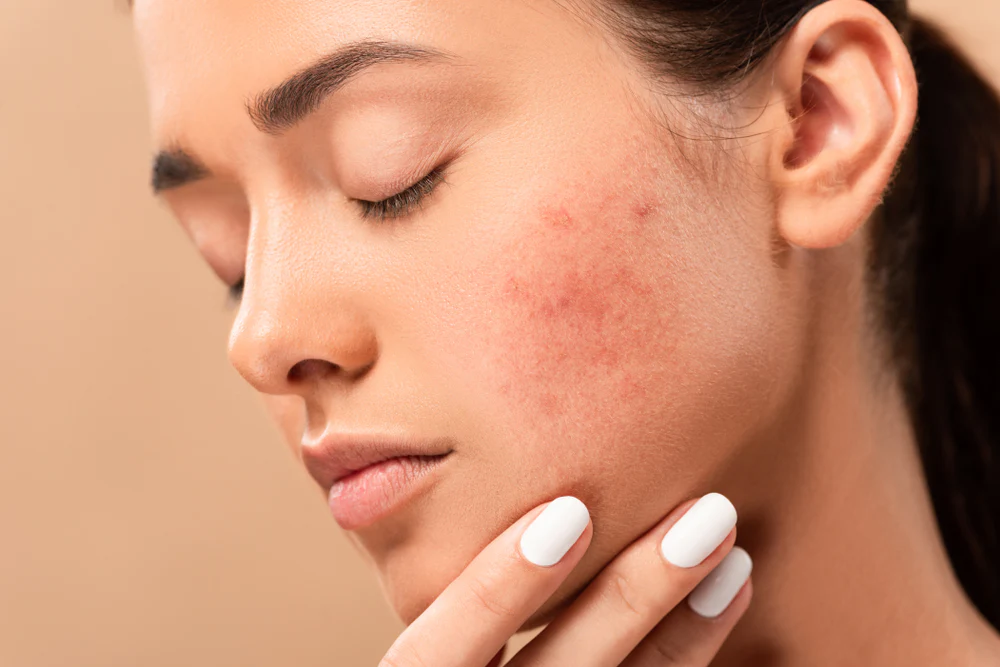
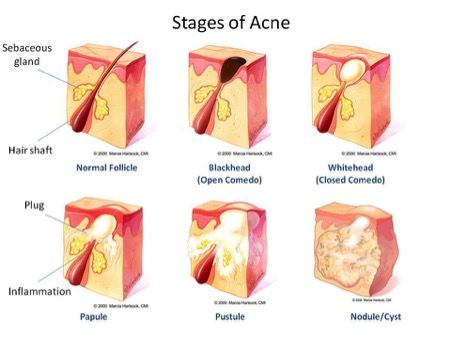
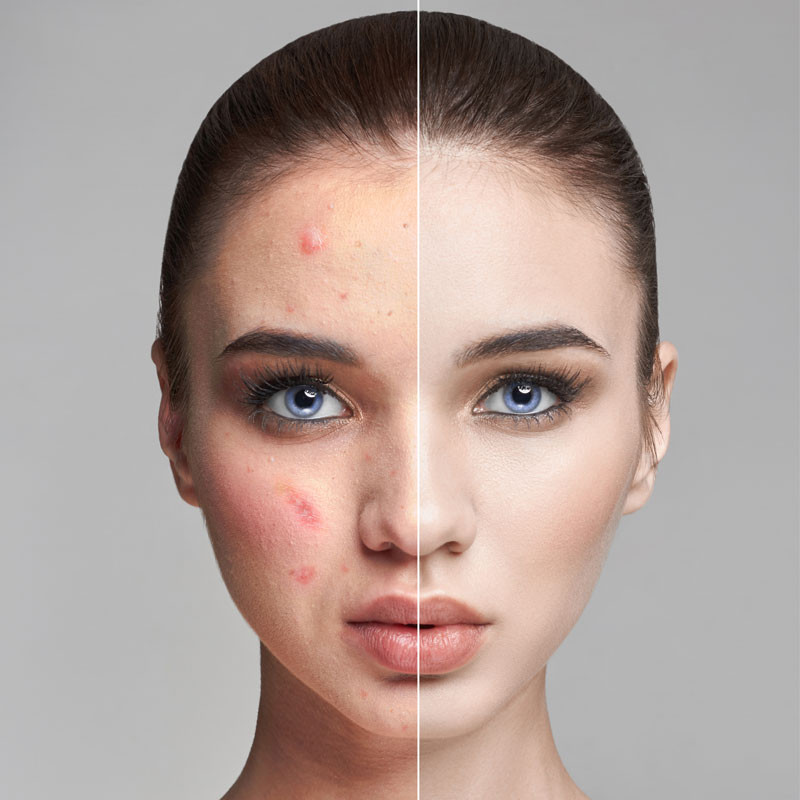
Acne is a progressive, inflammatory skin disease that affects up to 90% of people at some time in their life. Although acne is often thought of as an issue that teens deal with as they reach puberty, and then grow out of, that isn’t always the case.
Adult acne sufferers can develop acne later in life, even if they never had acne in their teen years. Acne is a multifactorial disease – meaning there are many reasons that lead to the development of acne.
The battle against blackheads and whiteheads is a common skincare challenge for many individuals. These common skin blemishes are forms of acne, generally caused by clogged pores. Understanding the nature of blackheads and whiteheads and how to effectively deal with them can make a significant difference in achieving clear skin.
What are Blackheads and Whiteheads?
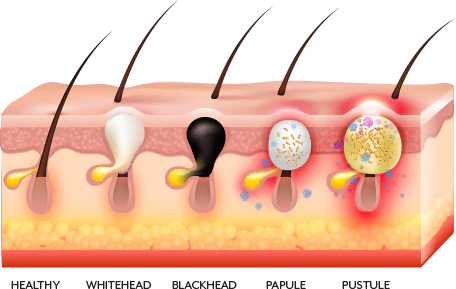
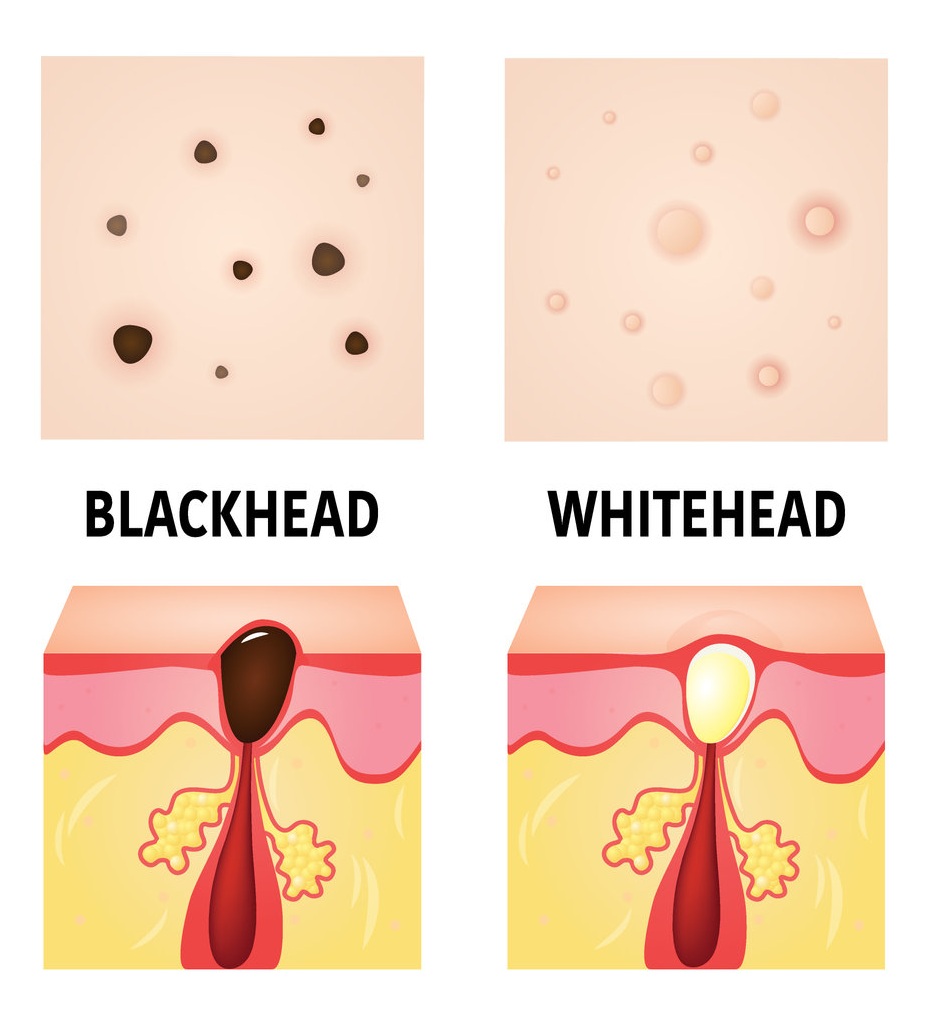
Blackheads and whiteheads both originate from clogged pores, but they differ in how the blockage interacts with air.
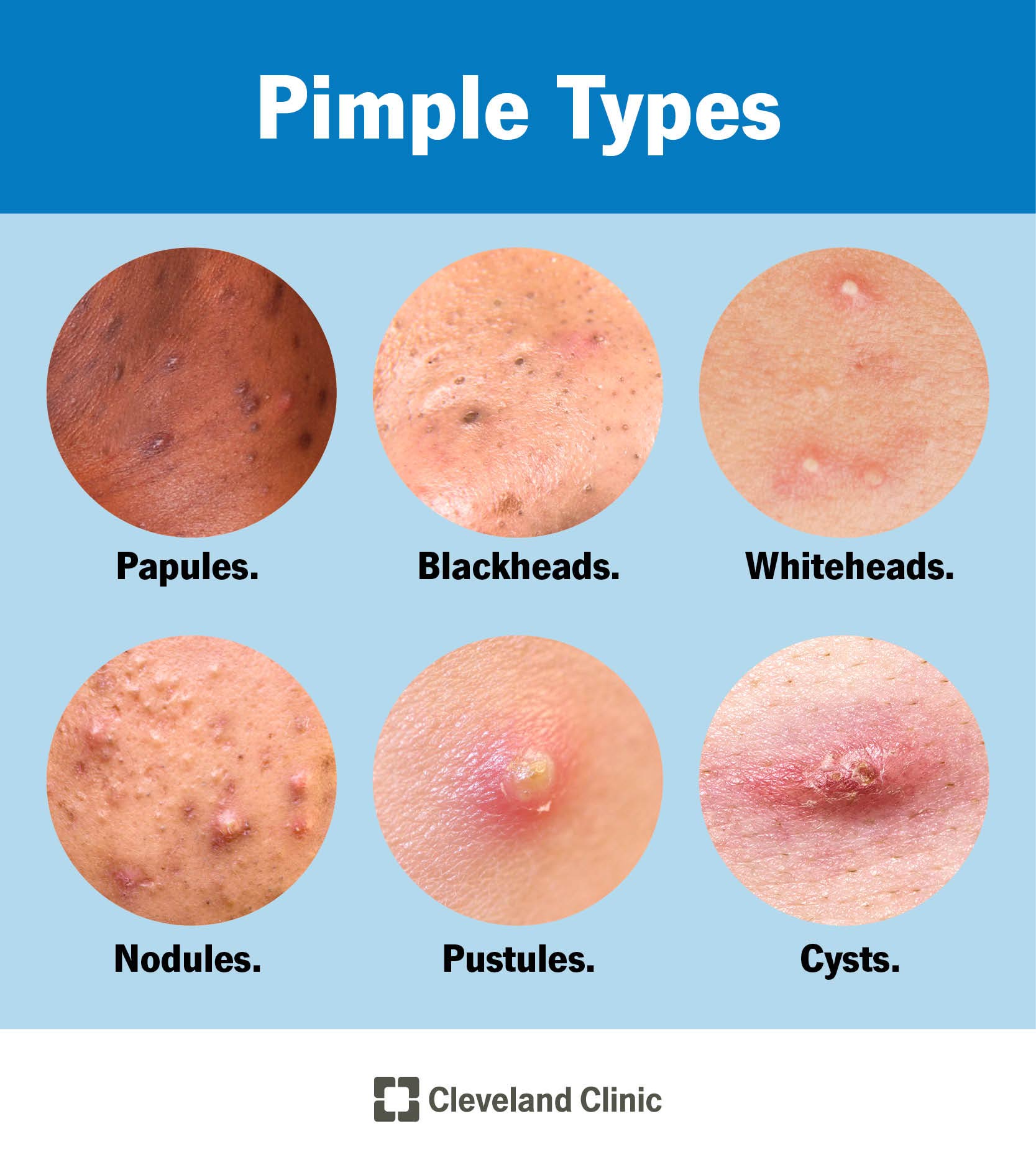
Blackheads, or open comedones, occur when a pore becomes clogged with oil, dead skin cells, and debris. The open surface allows the contents to oxidize and turn black, giving them their characteristic appearance.
On the other hand, whiteheads, or closed comedones, are formed when a pore becomes clogged but remains closed at the surface. The blockage creates a small bump beneath the surface of the skin, which appears white or flesh-colored.
Blackhead and Whitehead Extraction
Proper extraction methods are vital to prevent skin damage and minimize the risk of infection. Here are some effective ways to extract these impurities:
Steam Treatment: Begin by steaming your face to open up the pores. You can do this by leaning over a bowl of hot water with a towel draped over your head to trap the steam.
Extraction Tools: Use a comedone extractor, a small metal tool with a loop at the end, to gently press around the pore and remove the blockage. Ensure that tools are sterilized to prevent infection.
Pore Strips: These are adhesives that latch onto blackheads, removing them when pulled away from the skin. Use pore strips sparingly to avoid irritation.
Chemical Exfoliants: Products containing salicylic acid or glycolic acid can penetrate and cleanse pores, promoting clearer skin over time without mechanical extraction.
Blackhead and Whitehead Treatment and Prevention
Prevention is key to reducing the recurrence of blackheads and whiteheads.
Incorporating the following skincare practices can help:
Consistent Cleansing: Use a gentle cleanser twice daily to remove excess oil, dirt, and makeup, which can contribute to clogged pores.
Exfoliation: Incorporate products with ingredients like salicylic acid or lactic acid, which act as chemical exfoliants to slough away dead skin cells.
Non-comedogenic Products: Opt for skincare and makeup that is labeled non-comedogenic, meaning they are less likely to clog pores.
Balanced Diet: High-glycemic foods and dairy have been linked to acne; a balanced diet rich in fruits, vegetables, and lean proteins can support healthier skin.
Regular Treatments: Professional treatments such as facials, microdermabrasion, or chemical peels can periodically deep-cleanse the skin.
Moisturize: Keeping the skin hydrated prevents the overproduction of sebum, which can lead to clogged pores.
Frequently Asked Questions (FAQ)
1. Can blackheads and whiteheads be prevented entirely?
While it might not be possible to prevent all blackheads and whiteheads, consistent skincare can significantly reduce their occurrence.
2. Is it safe to extract blackheads and whiteheads at home?
Manual extraction can be safe if done correctly with sanitized tools and clean hands. However, if unsure, it might be best to consult a skincare professional.
3. What are common mistakes to avoid during extraction?
Avoid using sharp objects or nails for extraction, as this can lead to skin injury or infection. Also, refrain from excessive squeezing, which can worsen inflammation.
4. Are there specific ingredients to focus on in skincare products for acne-prone skin?
Look for products containing salicylic acid, benzoyl peroxide, retinoids, and alpha-hydroxy acids, which are beneficial in managing acne.
5. How often should I exfoliate my skin?
Generally, exfoliating 2-3 times a week is sufficient for most skin types to avoid over-exfoliation, which can irritate the skin.
6. Do blackhead and whitehead strips work?
Pore strips can temporarily remove blackheads, but they don’t prevent them. Their results are short-term, and relying solely on them may not clear the skin long-term.
7. Can dietary changes help in reducing acne?
Adopting a diet low in processed and high-sugar foods and rich in nutrients can positively influence skin health, though results can vary individually.
8. Are there long-term treatments for blackheads and whiteheads?
Products with retinoids are effective for long-term management by promoting cell turnover and preventing clogged pores.
9. How important is moisturizing in preventing acne?
Moisturizing maintains skin barrier health and controls oil production, potentially reducing pore blockages.
10. Can stress levels affect skin health?
Yes, stress can trigger hormonal changes that encourage oil production, exacerbating acne issues.
By understanding the nature of blackheads and whiteheads and following effective skincare strategies, individuals can achieve clearer, healthier skin.
Share
Frequently Asked Questions (FAQ)
Blackheads, or open comedones, occur when a pore becomes clogged with oil, dead skin cells, and debris. The open surface allows the contents to oxidize and turn black, giving them their characteristic appearance.
Whiteheads, or closed comedones, are formed when a pore becomes clogged but remains closed at the surface. The blockage creates a small bump beneath the surface of the skin, which appears white or flesh-colored.
While it might not be possible to prevent all blackheads and whiteheads, consistent skincare can significantly reduce their occurrence.
Manual extraction can be safe if done correctly with sanitized tools and clean hands. However, if unsure, it might be best to consult a skincare professional.
Avoid using sharp objects or nails for extraction, as this can lead to skin injury or infection. Also, refrain from excessive squeezing, which can worsen inflammation.
Look for products containing salicylic acid, benzoyl peroxide, retinoids, and alpha-hydroxy acids, which are beneficial in managing acne.
Generally, exfoliating 2-3 times a week is sufficient for most skin types to avoid over-exfoliation, which can irritate the skin.
Pore strips can temporarily remove blackheads, but they don’t prevent them. Their results are short-term, and relying solely on them may not clear the skin long-term.
Adopting a diet low in processed and high-sugar foods and rich in nutrients can positively influence skin health, though results can vary individually.
Products with retinoids are effective for long-term management by promoting cell turnover and preventing clogged pores.
Moisturizing maintains skin barrier health and controls oil production, potentially reducing pore blockages.
Yes, stress can trigger hormonal changes that encourage oil production, exacerbating acne issues.
By understanding the nature of blackheads and whiteheads and following effective skincare strategies, individuals can achieve clearer, healthier skin.
To provide the best experiences, we use technologies like cookies to store and/or access device information. Consenting to these technologies will allow us to process data such as browsing behavior or unique IDs on this site. Not consenting or withdrawing consent, may adversely affect certain features and functions.
Functional
Always active
The technical storage or access is strictly necessary for the legitimate purpose of enabling the use of a specific service explicitly requested by the subscriber or user, or for the sole purpose of carrying out the transmission of a communication over an electronic communications network.
Preferences
The technical storage or access is necessary for the legitimate purpose of storing preferences that are not requested by the subscriber or user.
Statistics
The technical storage or access that is used exclusively for statistical purposes.The technical storage or access that is used exclusively for anonymous statistical purposes. Without a subpoena, voluntary compliance on the part of your Internet Service Provider, or additional records from a third party, information stored or retrieved for this purpose alone cannot usually be used to identify you.
Marketing
The technical storage or access is required to create user profiles to send advertising, or to track the user on a website or across several websites for similar marketing purposes.