HomeArticlesLED Lamps Therapy for Knee Osteoarthritis: Benefits and Clinical Evidence
Written byAnna Chacon,MD; Board-Certified Dermatologist
Published on April 20, 2026
LED Lamps Therapy for Knee Osteoarthritis: Benefits and Clinical Evidence
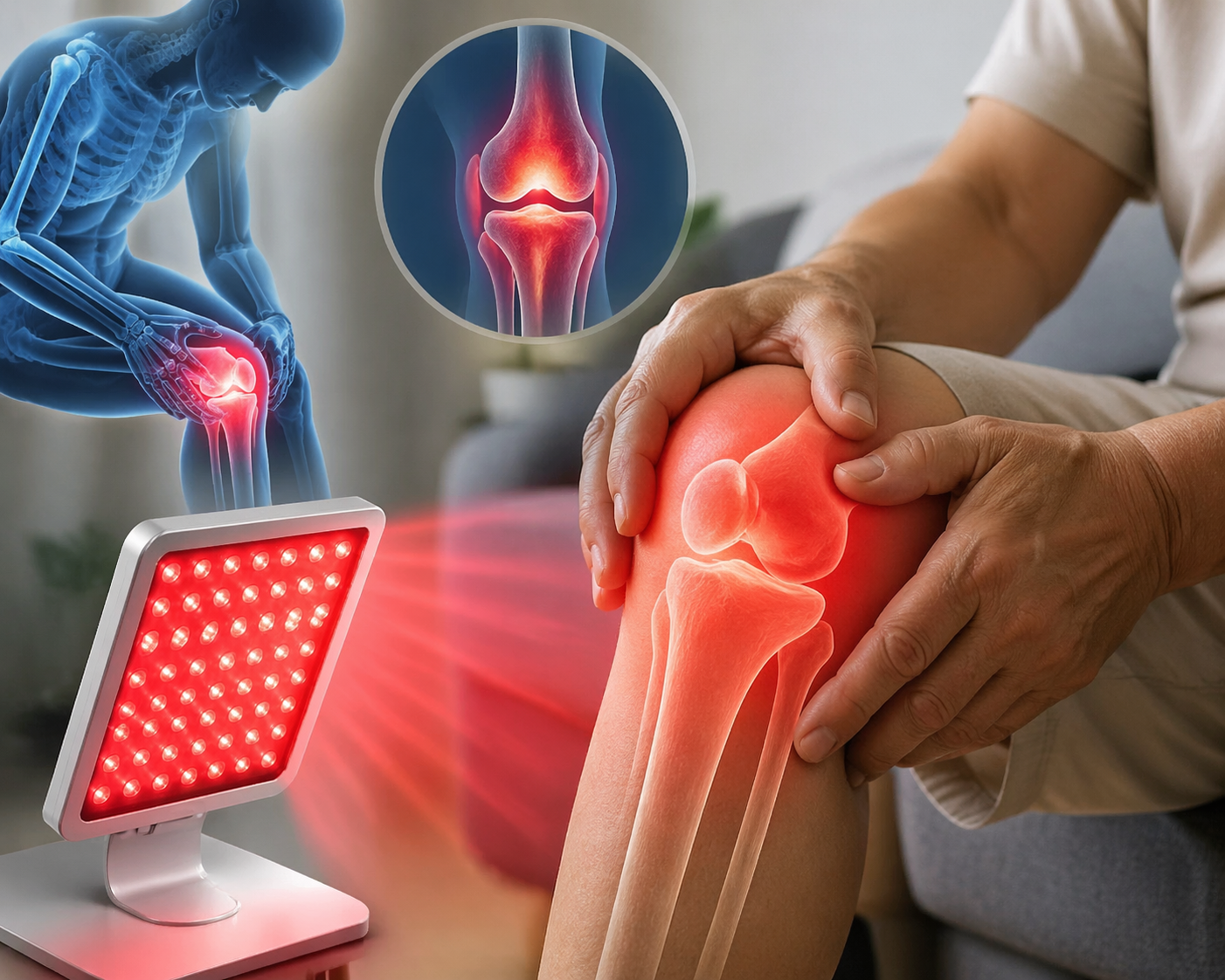
Knee osteoarthritis remains one of the most common reasons older adults end up in my consulting room describing pain on the stairs, morning stiffness, and swelling after a walk that used to feel easy. The condition accounts for roughly 85% of all osteoarthritis cases and affects close to 37% of people over sixty (1). For most of these patients, the standard treatment ladder runs out of comfortable options fairly quickly. Long-term NSAID use carries gastrointestinal, cardiovascular and renal risks that are hard to ignore in the older population (2). Intra-articular injections give temporary relief.
These limits explain why non-pharmacological options are being looked at more seriously. LED light therapy knee osteoarthritis protocols are one of them. PBM for knee osteoarthritis has a peer-reviewed evidence base, but that base is uneven. Uneven enough that major rheumatology guidelines still leave the modality out of their first-line recommendations
What Is LED Light Therapy (Photobiomodulation)
In the clinical literature, LED light therapy is designated photobiomodulation therapy (PBMT) or low-level light therapy (LLLT). Red and near-infrared wavelengths from 600 to 905 nm are administered at irradiance below the thermal threshold, permitting cellular chromophore absorption in the absence of tissue heating (1). Laser diodes and light-emitting diodes produce comparable biological effects. LED sources offer practical advantages relevant to knee osteoarthritis treatment: a larger irradiation area appropriate to the size of the joint, and a device format compatible with home-based repeated sessions, which is a requirement in any chronic condition protocol.
Knee osteoarthritis involves several overlapping processes: cartilage loss, low-grade synovitis, subchondral bone remodelling, osteophyte formation and growth at the joint margins. The typical clinical picture includes joint pain, morning stiffness, restricted knee flexion, and increasing difficulty with stairs and prolonged walking (4). Current pharmacological treatment addresses symptoms but does not modify the underlying disease process. Background information on related light-based modalities is available in our Red Light Therapy overview and LED lamps reference section.
How It Works in Knee Osteoarthritis
The cellular pathway is well characterised at this point. Cytochrome c oxidase – the terminal enzyme of the mitochondrial electron transport chain – absorbs red and near-infrared photons directly (5). Activation of this enzyme leads to increased ATP output, local release of nitric oxide, and shifts in reactive oxygen species signalling that influence several downstream transcription factors (5,1). The net result at the cellular level is improved energy metabolism and a reduced inflammatory profile
At the joint level, PBMT reduces expression of pro-inflammatory mediators such as IL-1β, IL-6, TNF-α, and matrix metalloproteinases involved in cartilage degradation (6,1). Concurrently, anti-inflammatory cytokines including IL-10 are upregulated, and synthesis of collagen II and aggrecan, structural components critical to cartilage matrix integrity, is enhanced. Experimental studies additionally report a phenotypic shift of synovial macrophages from the pro-inflammatory M1 profile toward the reparative M2 profile (1). Infrared light therapy knee pain research has also identified reduced spinal glial cell activation – a mechanism linked to central sensitisation in chronic osteoarthritis pain
Translating this into symptoms is reasonably direct. Less inflammatory signaling in the synovium means less swelling and less pain. Improved microcirculation supports tissue metabolism. Reduced central sensitization dampens the pain amplification that chronic OA patients often develop. None of this, I should say clearly, has been shown to regenerate cartilage in humans. The structural claims belong to rodent models for now.
Clinical Evidence and Research Findings
Stelian et al. conducted the first randomized controlled trial of PBMT in photobiomodulation knee osteoarthritis in 1992. Fifty patients were randomized to 633 nm laser, 830 nm laser, or placebo; both active treatment arms achieved pain reduction above 50% and statistically significant functional improvement (7). The finding is frequently cited, although it originates from a single small-sample study. Subsequent research has produced more than twenty randomized controlled trials with positive, negative, and inconclusive results (1).
The principal source of meta-analytic evidence to date is the systematic review by Stausholm et al., published in BMJ Open in 2019 (8). The analysis included 22 placebo-controlled RCTs and demonstrated that low-level laser therapy, when administered within specific dosage parameters, produced significant improvements in pain and disability in knee osteoarthritis, both at treatment completion and throughout short- to medium-term follow-up. The defined therapeutic window was 4 to 8 joules per treatment point at 785 to 860 nm, and 1 to 3 joules per point at 904 nm (8). These values are consistent with the dosage standards of the World Association for Photobiomodulation Therapy
A subsequent meta-analysis by Oliveira et al., published in Physical Therapy in 2024, reviewed ten placebo-controlled RCTs involving 542 participants, with certainty of evidence assessed through GRADE methodology (10). The analysis confirmed a favorable direction of effect for PBM, including reduction in pain intensity and potential improvement in disability, but assigned an overall certainty rating of “very low”. The authors accordingly recommended against the use of photobiomodulation as a stand-alone modality, while permitting its application as an adjunct to established therapies(10).
The negative side of the literature deserves equal weight. A 2015 systematic review by Huang and colleagues analyzed nine RCTs and found no evidence to support the effectiveness of LLLT in improving WOMAC pain, stiffness or function scores (11). Several individual trials have reported no significant difference from placebo (1). The main explanation for this inconsistency is heterogeneity of treatment parameters. Wavelength, power density, energy per point, number of irradiation points, and session frequency vary widely across studies, and PBMT is known to follow a biphasic dose response: too little light has no effect, too much can inhibit the biological response (5). This is why dosing matters so much, and why the WALT parameters are referenced so often in the trials that did work.
One finding is consistent across most of the positive literature: red lamps therapy knee osteoarthritis protocols perform better when combined with exercise or structured rehabilitation (12). Alfredo and colleagues reported that the short-term improvements from LLLT plus strengthening exercise were maintained at six months, whereas PBMT alone produced weaker and less durable effects (12). Clinicians setting up treatment plans may find the practical dosing framework in our Personalized Phototherapy Guide useful when translating these findings into a workable clinic protocol.
Benefits and Realistic Expectations
Based on the evidence above, a patient using light therapy joint pain knee protocols correctly can reasonably expect a reduction in pain intensity, improvement in WOMAC function and stiffness scores, and in many cases a reduction in analgesic use. The effects are more pronounced in mild to moderate disease. Across the thirteen PBMT trials reviewed by Stausholm, the mean Kellgren-Lawrence grade was 2.37 out of 4. Most of the positive evidence therefore applies to early and middle-stage knee osteoarthritis, not to end-stage disease(8).
It is equally important to state what the therapy does not do. It does not regenerate cartilage in humans. It does not reverse joint deformity. It does not remove the need for exercise, weight management, or pharmacological treatment when those are clinically indicated. The 2019 ACR/Arthritis Foundation guideline for hand, hip, and knee osteoarthritis does not list LLLT among recommended interventions. OARSI and EULAR guidelines hold similar positions (13). The gap between the positive meta-analytic signals and cautious guideline positions comes down to low certainty of evidence, heterogeneity across trial protocols, and the lack of standardised dosing in clinical practice.
In my own experience, the patients most likely to benefit are those with grade 1 to 2 disease, stable body weight, willingness to follow a structured exercise program, and realistic expectations. PBM knee osteoarthritis treatment is a useful add-on for that population. It is not a substitute for the things that actually modify the disease course.
Safety and Limitations
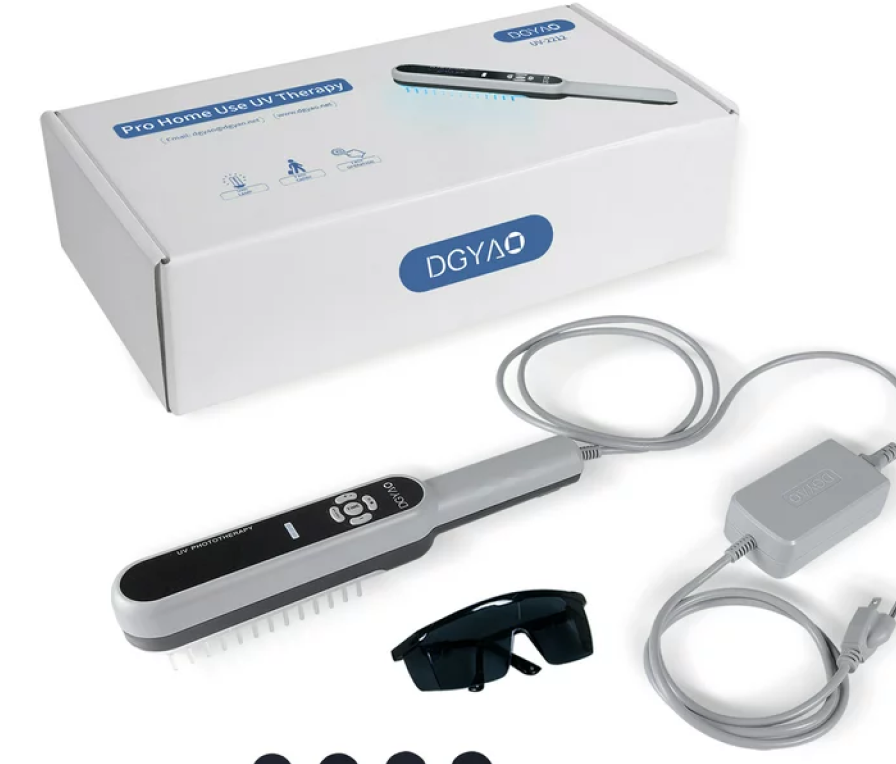
PBMT has one of the cleanest safety profiles in physical medicine. The modality is non-invasive, painless, and drug-free, with no thermal sensation at therapeutic doses. Across three decades of clinical trials, serious adverse events have been rare. Serious adverse events have rarely been reported across three decades of clinical trials (1). The practical cautions are standard: eye protection during treatment, avoidance in patients with active malignancy at the treatment site, and respect for the biphasic dose response so that clinicians do not assume more light is better.
The limitations are real and need to be spelled out. No standardized clinical protocol has been adopted by professional bodies. Trial heterogeneity makes cross-study comparisons difficult. Most RCTs have enrolled fewer than one hundred patients. Long-term structural outcomes, such as MRI cartilage measurements over years, are poorly characterized. LED-specific human trials in knee osteoarthritis are also fewer than laser-based trials; most of the clinical evidence base uses laser diodes, while the LED literature in this indication is weighted toward preclinical animal work (1). That distinction matters when device selection is being made. Our How to Choose a UVB Lamp guide covers device-selection principles that apply equally to red and near-infrared LED equipment.
LED light therapy is a promising supportive treatment for knee osteoarthritis. It has clinical backing for pain and function improvement, particularly in mild to moderate disease and in combination with exercise, and it is supported by a well-characterized biological mechanism. That said, treatment outcomes remain variable and closely tied to accurate dosing. The modality has not yet shifted its position within standard clinical care, and additional high-quality trials using standardised protocols will be needed before professional guidelines are likely to change
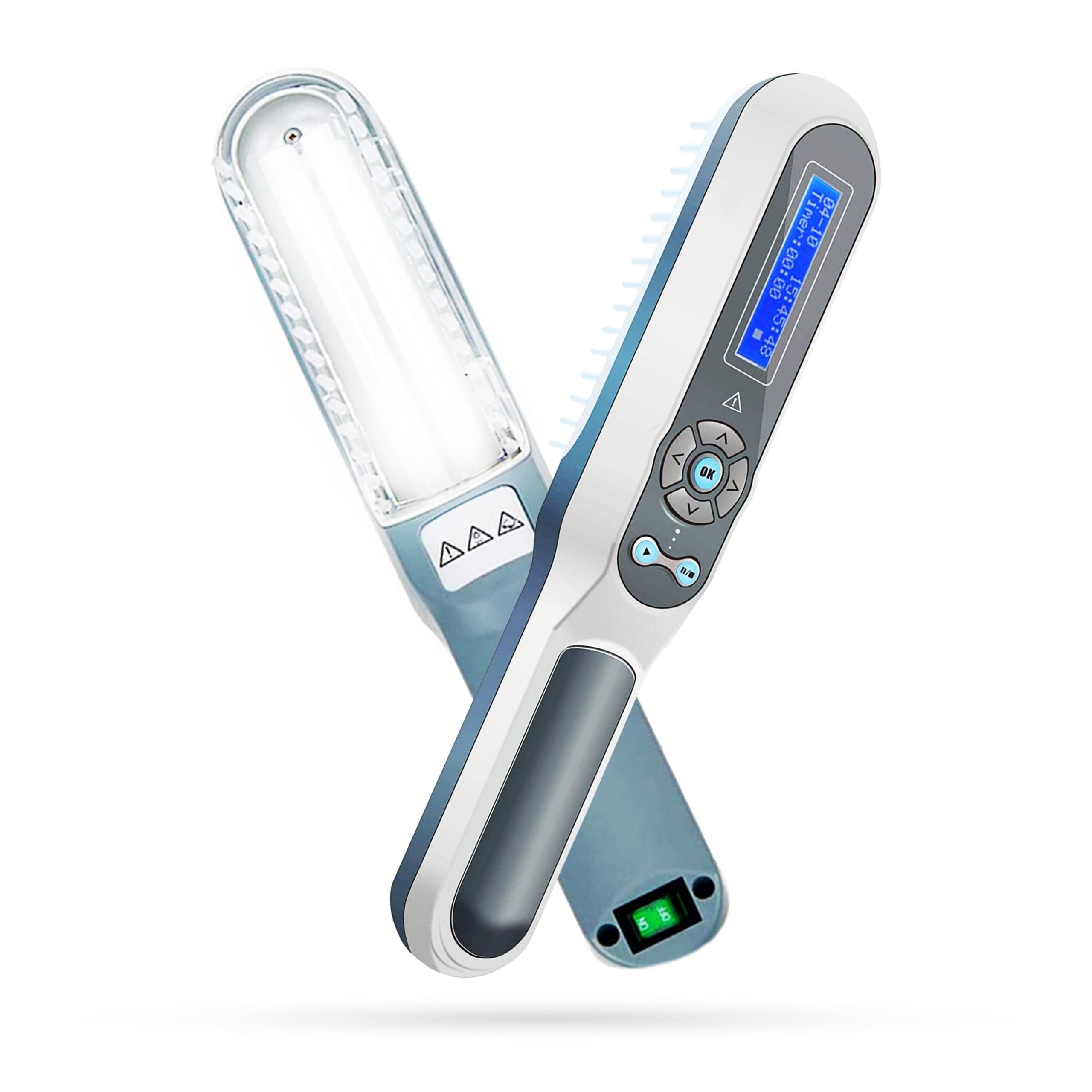
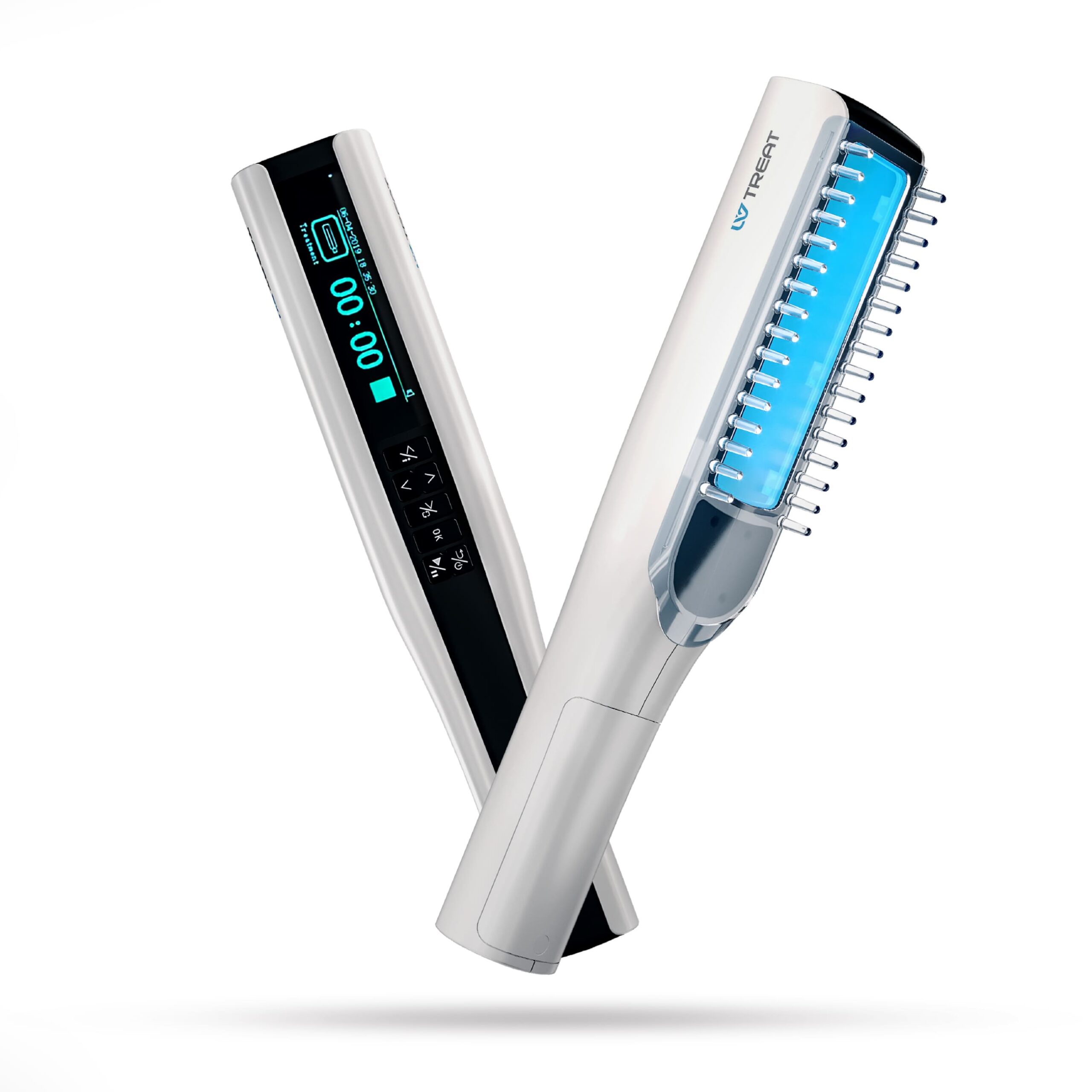
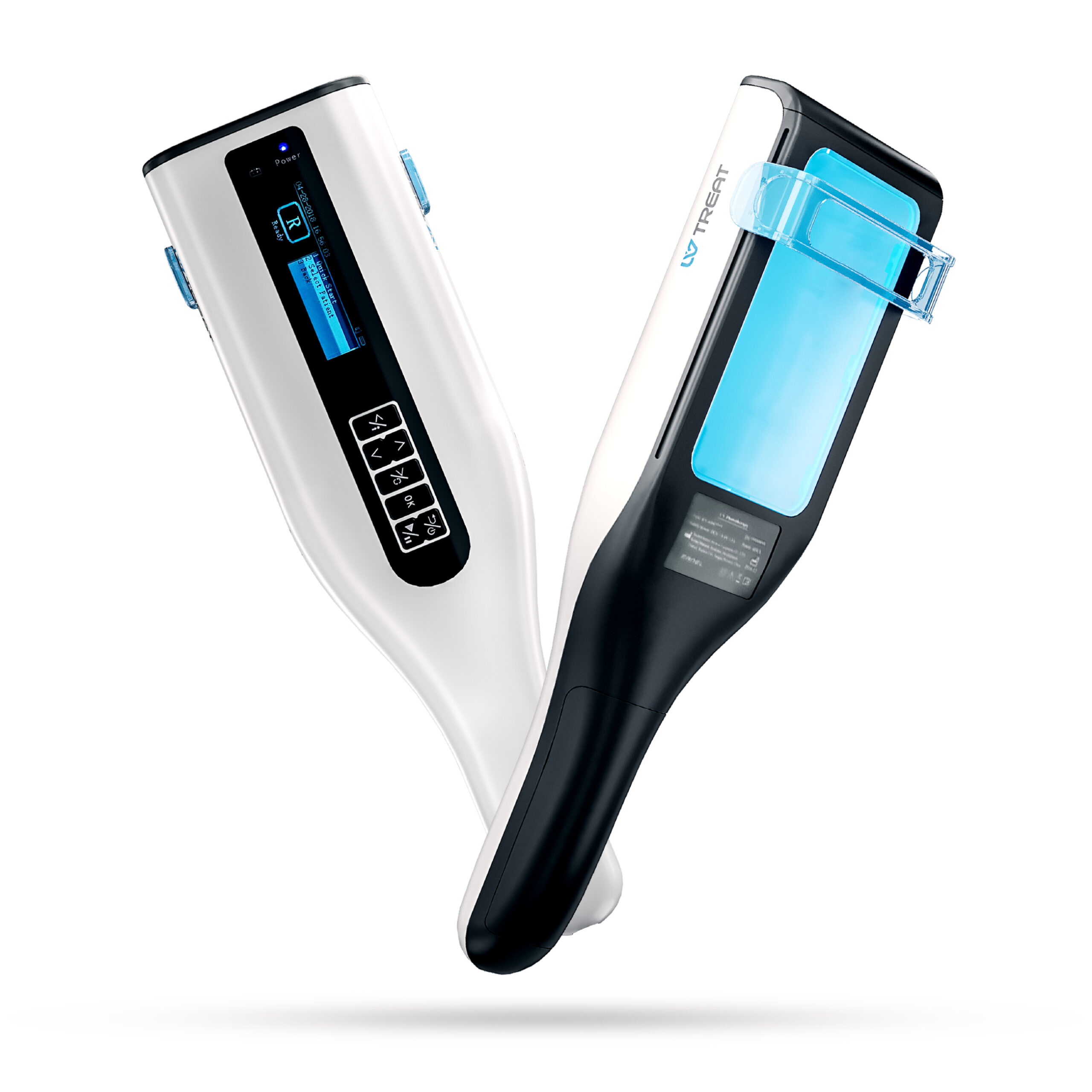
Clinics and patients interested in exploring this modality can review the full device assortment in our LED Light Therapy catalog to compare wavelengths, power outputs, and irradiation areas suitable for knee osteoarthritis protocols.
Share
References
Zhang Y, Ji Q. Front Cell Dev Biol. 2023;11:1286025.
da Costa BR, Pereira TV, Saadat P et al. BMJ. 2021;375:n2321.
Beswick AD, Wylde V, Gooberman-Hill R et al. BMJ Open. 2012;2:e000435.
Kolasinski SL, Neogi T, Hochberg MC et al. Arthritis Care Res. 2020;72(2):149–162.
FAQ
Yes, in mild to moderate disease and when dosing follows WALT parameters. Outcomes improve when combined with exercise (8).
Yes. PBMT lowers pro-inflammatory cytokines (IL-1β, IL-6, TNF-α) in preclinical models, with corresponding reductions in pain and WOMAC stiffness in clinical studies (6,1).
Typical protocols run 2 to 3 sessions weekly for 8 to 16 weeks. Early relief may appear within the first weeks; durable benefit requires completing the full course (12).
Supported by meta-analytic data, but GRADE certainty is rated "very low" (10). Not yet included in ACR/Arthritis Foundation guidelines (13). Best described as evidence-supported, not guideline-endorsed.
No. PBMT is an adjunct to standard care, not a replacement (12,13).
To provide the best experiences, we use technologies like cookies to store and/or access device information. Consenting to these technologies will allow us to process data such as browsing behavior or unique IDs on this site. Not consenting or withdrawing consent, may adversely affect certain features and functions.
Functional
Always active
The technical storage or access is strictly necessary for the legitimate purpose of enabling the use of a specific service explicitly requested by the subscriber or user, or for the sole purpose of carrying out the transmission of a communication over an electronic communications network.
Preferences
The technical storage or access is necessary for the legitimate purpose of storing preferences that are not requested by the subscriber or user.
Statistics
The technical storage or access that is used exclusively for statistical purposes.The technical storage or access that is used exclusively for anonymous statistical purposes. Without a subpoena, voluntary compliance on the part of your Internet Service Provider, or additional records from a third party, information stored or retrieved for this purpose alone cannot usually be used to identify you.
Marketing
The technical storage or access is required to create user profiles to send advertising, or to track the user on a website or across several websites for similar marketing purposes.