HomeArticlesPhototherapy for Pediatric Dermatology: Safety and Clinical Considerations
Written byAnna Chacon,MD; Board-Certified Dermatologist
Published on April 21, 2026
Phototherapy for Pediatric Dermatology: Safety and Clinical Considerations
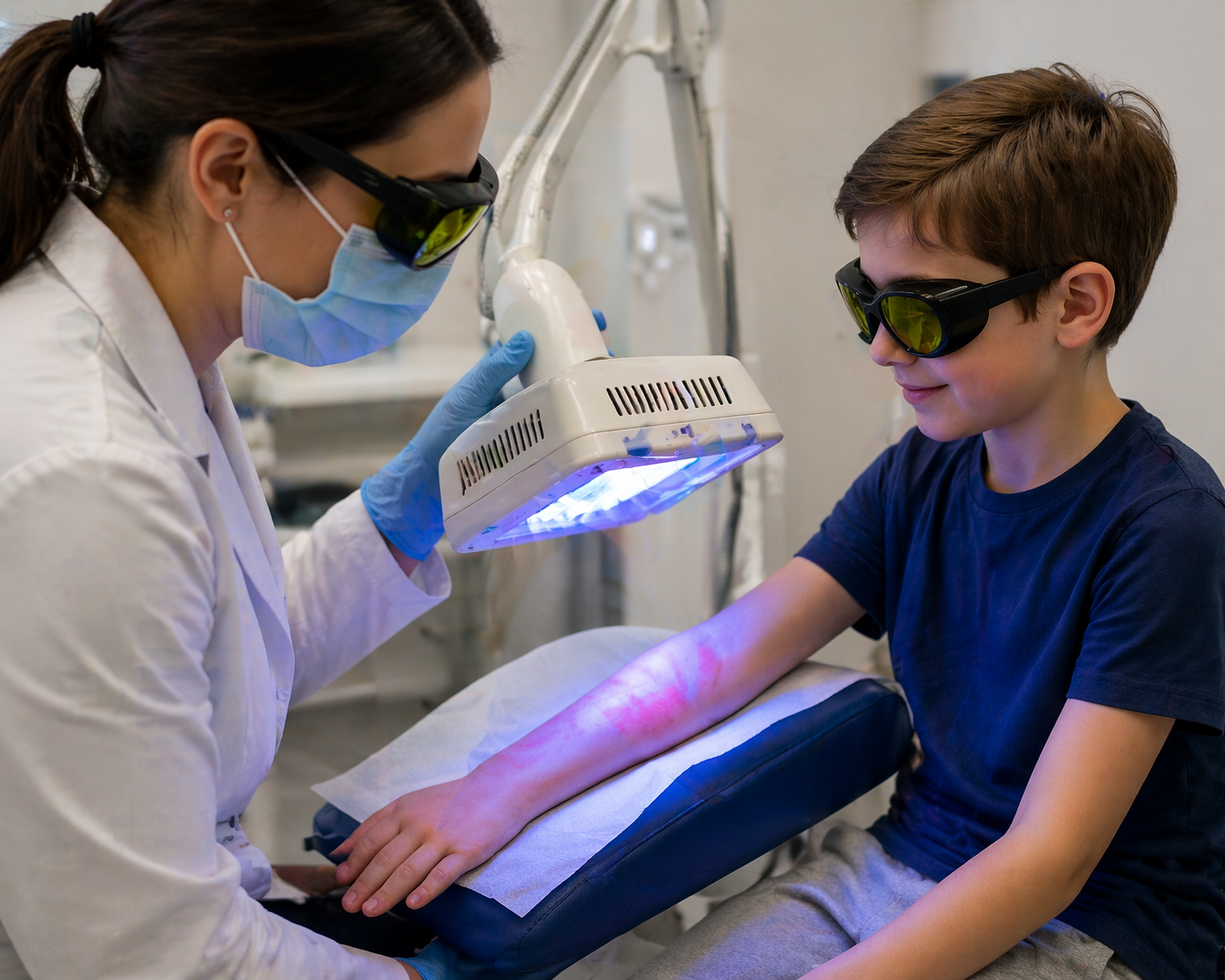
Most of us in pediatric dermatology have been in this situation: a child with stubborn psoriasis or eczema, three or four months into topical treatment, and the skin looks no different than it did at the first visit. At that point, narrowband UVB phototherapy enters the conversation. In my experience and in the published literature, it remains one of the more dependable escalation tools in pediatric dermatology. Published data on psoriasis, atopic dermatitis, and vitiligo all point in the same direction – most children treated with NB-UVB show clinically meaningful responses. That said, a seven-year-old standing in a phototherapy booth presents challenges that simply do not exist with adult patients. Younger children resist standing still in unfamiliar enclosures. The parent needs reassurance. And the long-term implications of ultraviolet exposure carry a different gravity when your patient has sixty or seventy years of skin ahead of them. Phototherapy pediatric dermatology teams encounter in daily practice is overwhelmingly NB-UVB – and the clinical conversation around it deserves precision
This article outlines what clinicians should know about using phototherapy in children based on the available evidence, and where careful clinical judgment remains essential. For practices and families seeking equipment built with pediatric safety in mind, UVTREAT provides NB-UVB systems designed for both professional clinic settings and supervised home use.
When Is Phototherapy Actually Used for Children
Nobody starts with phototherapy. It sits behind topical corticosteroids, calcineurin inhibitors, and emollients. We bring it into the picture when a child has moderate-to-severe disease that topicals cannot control – or when the affected area is large enough that applying cream twice daily has become impractical.
Psoriasis accounts for the largest share of pediatric phototherapy referrals – 48% in a Spanish 15-year single-center retrospective of 98 children, with vitiligo at 17% and atopic dermatitis at 16% (1). Turkish data covering 113 children across two decades showed a comparable distribution: 53.5% psoriasis, 20.5% vitiligo (2). Less common indications include pityriasis lichenoides, morphea, and alopecia areata.
NB-UVB at 311–312 nm has emerged as the dominant modality. It carries a more favorable side effect profile than PUVA, which requires psoralen sensitization and imposes post-treatment restrictions that are difficult to enforce in younger children. The British Photodermatology Group explicitly discourages PUVA in children under 10 years of age, citing cataract risk and poor compliance with ocular protection requirements (3). Italian consensus guidelines go further, recommending that psoralen – whether topical or systemic – not be used before age 12 (4).
Current treatment guidelines position NB-UVB as a second-line therapy for children with atopic dermatitis unresponsive to topical agents, and as first-line phototherapy for vitiligo patients with inadequate topical response (5).
What Makes Phototherapy in Children Different from Adults
Standardized pediatric phototherapy protocols do not yet exist. When Spencer et al. surveyed 39 treatment centers in 19 U.S. states in 2024, they found each site operating under its own adapted protocol – no shared consensus framework, no standardized procedures across institutions (6).
What we do know from that survey: 91.8% of centers reported no minimum age requirement. Fitzpatrick skin type guided dosing in 100% of sites surveyed. And 86.4% required signed informed consent before initiating treatment – a figure that arguably should be higher (6).
One notable finding from a Spanish comparative study: no statistically significant differences were found in dosage, session duration, or number of treatments between children and adults receiving NB-UVB (1). Pediatric patients in that cohort actually showed higher treatment adherence than adults. These data suggest that children do not necessarily require fundamentally different protocols – but they do require a different clinical environment.
Young children are frequently anxious about enclosed treatment booths. Sixty-five percent of U.S. centers allow a parent or guardian to accompany the child into the lightbox, wearing protective clothing and UV-blocking eyewear (6). Other practical strategies – pretreatment tours of the phototherapy unit, music during sessions, decorating the booth – help reduce apprehension in younger patients (7). The visit frequency – two or three times per week, sustained over months – puts real pressure on family schedules. Clinic slots before school hours or late in the afternoon help, though coordinating around the parent’s work obligations remains a persistent logistical challenge (7).
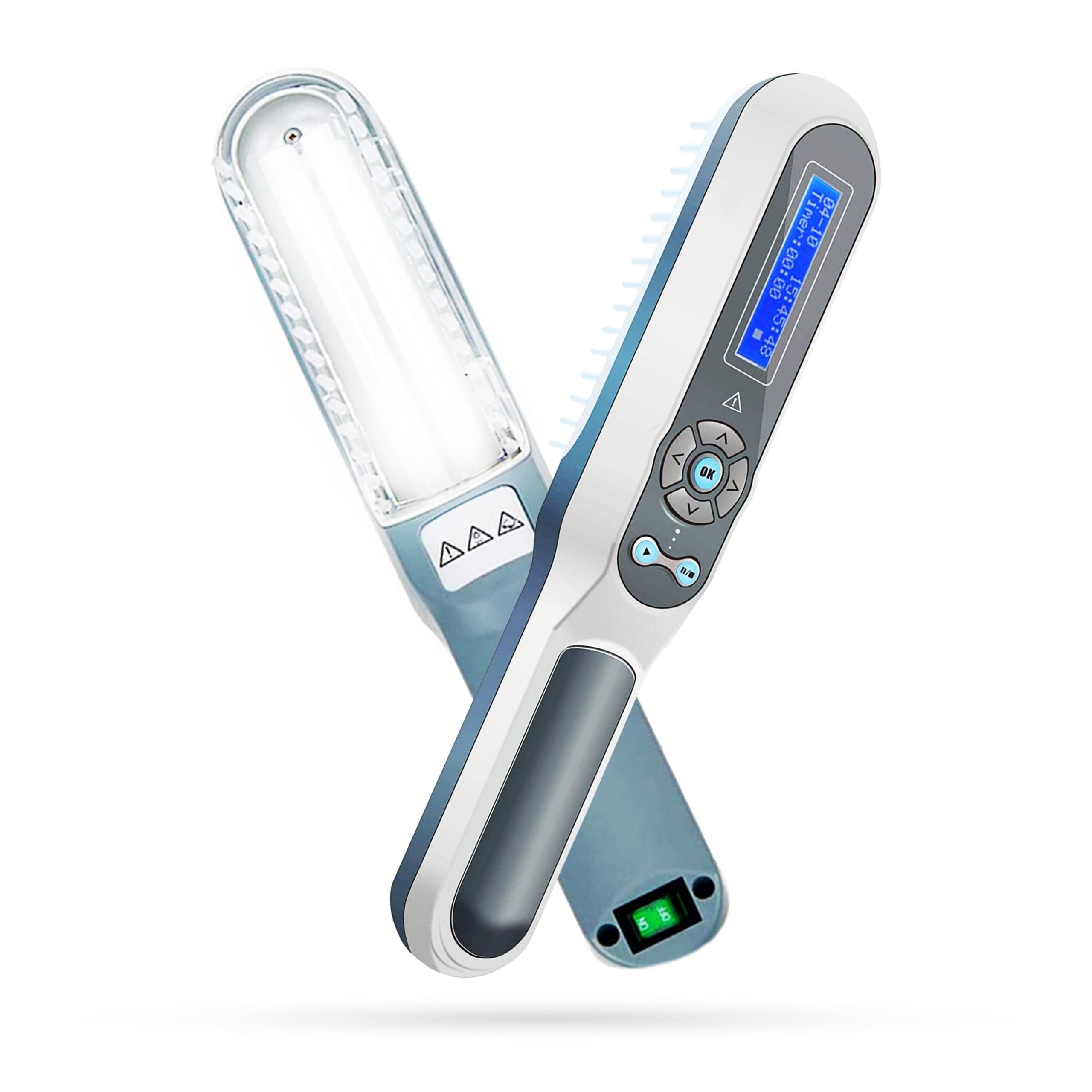
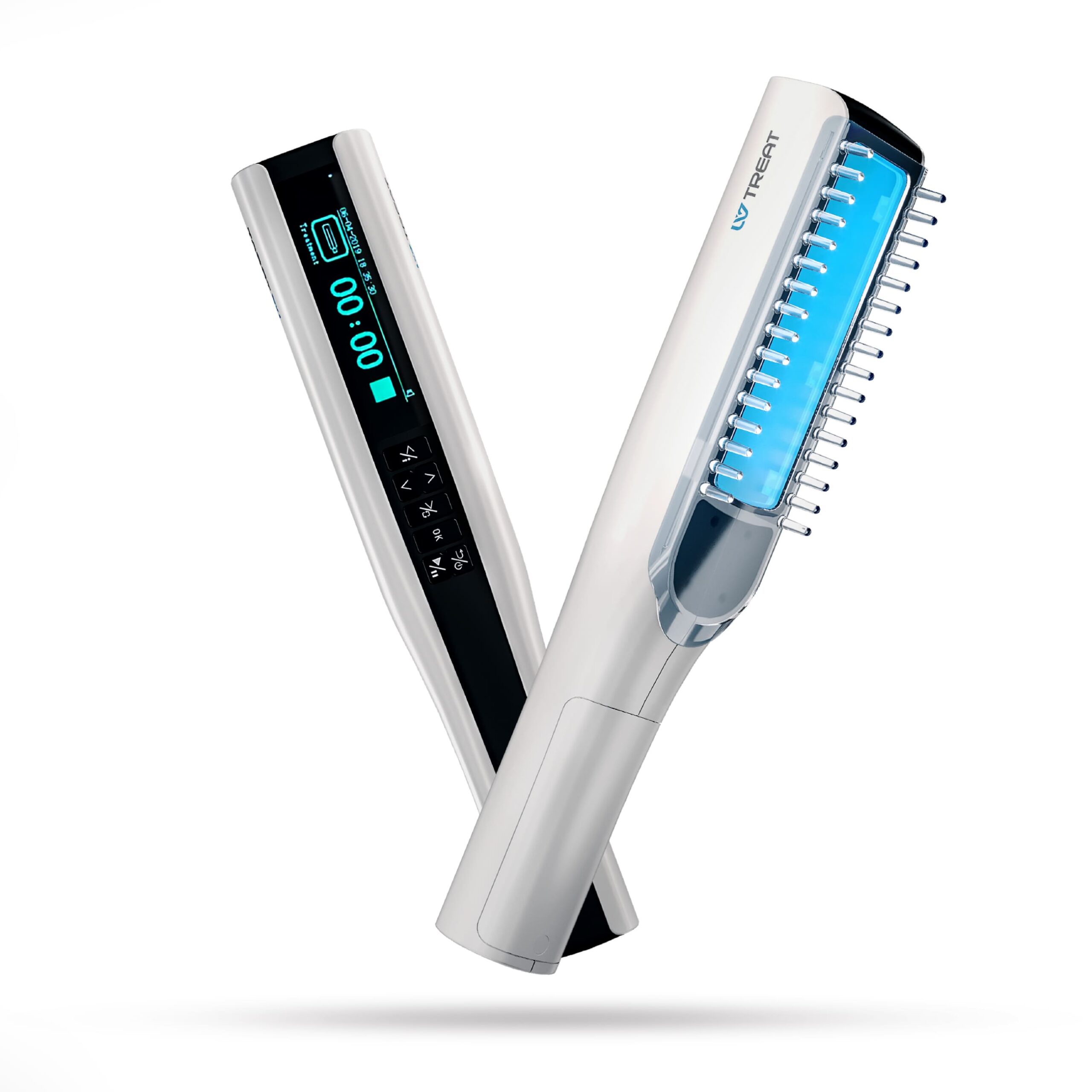
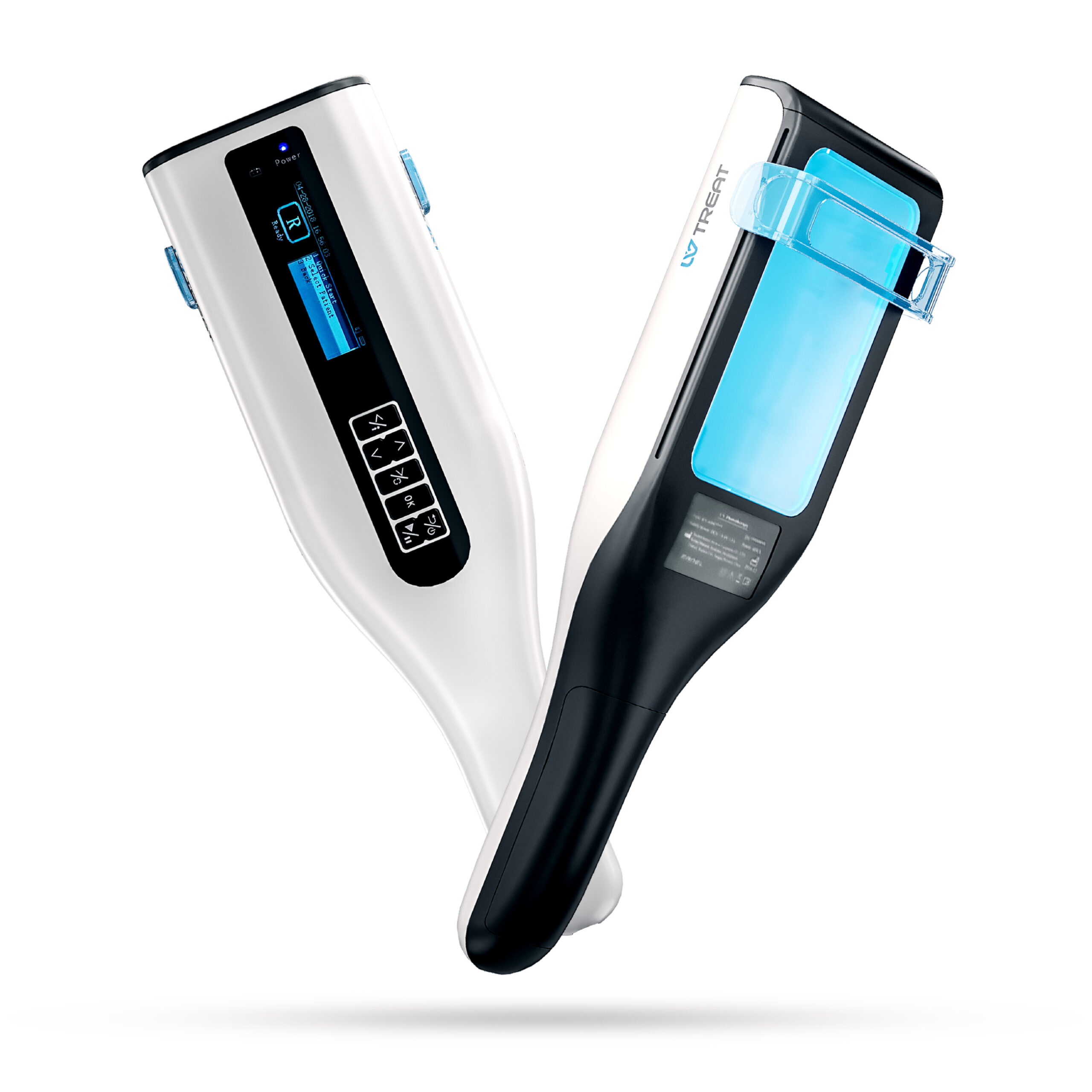
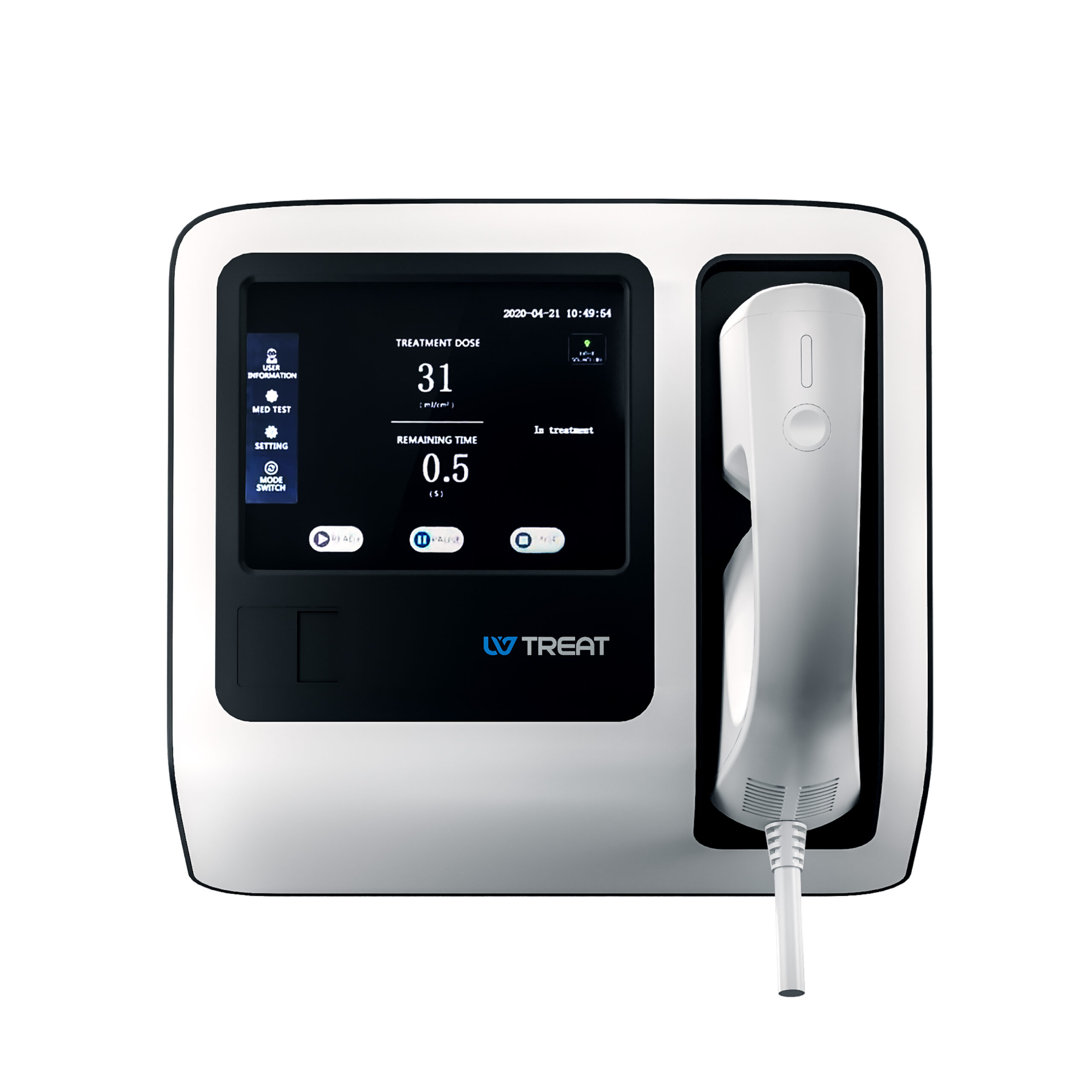
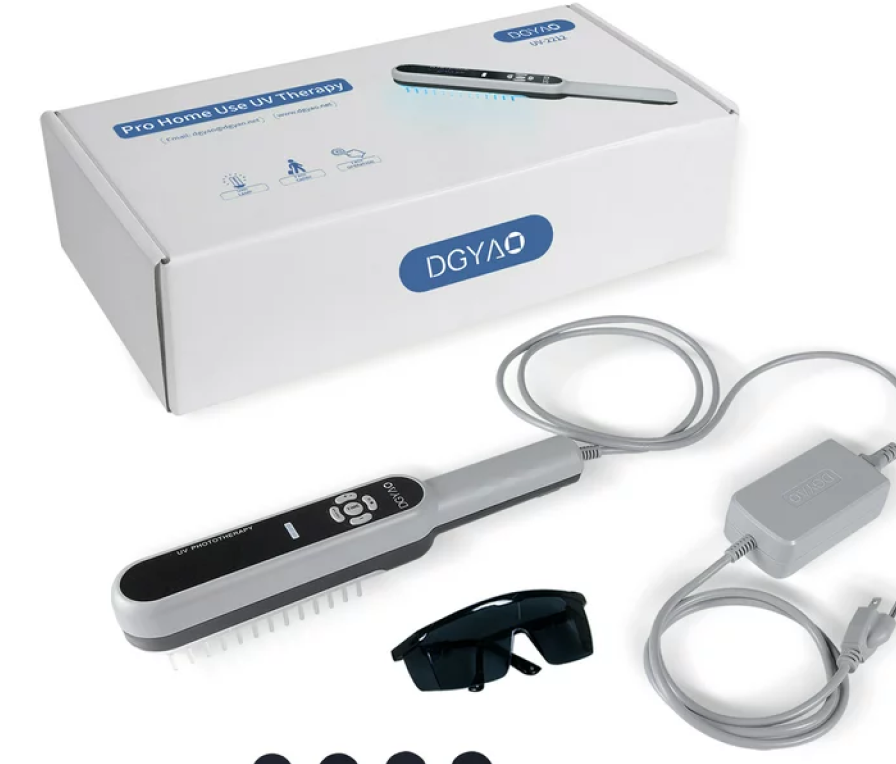
When the disease is localized – a single vitiligo patch, a resistant plaque on one extremity – handheld targeted NB-UVB units bypass the booth altogether. These units deliver focused treatment to affected areas without exposing uninvolved skin, and the device format itself is less intimidating for young patients (8). Families looking for options suited to safe phototherapy for sensitive skin often find targeted handheld units the most practical starting point.
How Safe Is Phototherapy for Children
The question of phototherapy safety children face during and after treatment has two distinct layers – short-term tolerability and long-term risk. Where the picture gets less clear is in the long-term data – or more precisely, the lack of it. No large prospective trial has followed NB-UVB-treated children into middle age.
In terms of immediate tolerability, the published numbers are encouraging. The largest published pediatric vitiligo study – 324 patients, 126 treated with NB-UVB – reported sunburn-type erythema in 29% of patients and blistering in 3.5%. No scarring or skin malignancy was documented. Patients using home NB-UVB units had even fewer adverse events (9). A UK retrospective review of 100 children found grade 2 or higher erythema in 42% of NB-UVB patients, though severe reactions were infrequent (10). A Spanish cohort reported adverse effects in only 16% of pediatric patients, the majority being mild erythema (1).
The critical concern specific to children is cumulative photocarcinogenic risk. A child starting NB-UVB at age eight has decades of additional UV exposure ahead – a fundamentally different risk calculus than an adult beginning treatment at fifty. One long-term study of 129 children treated over eight years found no serious adverse events aside from one equivocal melanoma in situ case, but the authors stressed the need for annual dermatologic surveillance in all children who undergo phototherapy (11). Current expert opinion proposes that NB-UVB children should not exceed 12 months of continuous therapy. When longer treatment is clinically necessary, targeting only active lesions with localized devices is preferred to reduce total body UV exposure (8).
UV-blocking goggles are mandatory at every session without exception – a point that belongs in every informed consent discussion. The challenge with young children is compliance – which is another reason NB-UVB is preferred over PUVA, since NB-UVB does not require post-treatment ocular protection (8). Male patients require genital shielding during whole-body treatments regardless of age (12).
How Treatment Is Managed in Practice
Treatment management follows a structured sequence of dose titration, response monitoring, and documentation.
Dosing. Initial NB-UVB dose is determined by Fitzpatrick skin type. Doses increase gradually per session, using erythema response as the primary titration guide. If persistent redness develops 24 hours post-session, the dose is held or reduced at the next visit.
Monitoring. Clinicians assess treatment response using validated scoring instruments – PASI for psoriasis, SCORAD for atopic dermatitis, repigmentation percentage for vitiligo. An Indian study of 30 children with moderate-to-severe AD treated twice weekly with NB-UVB demonstrated significant SCORAD improvement maintained through two years of post-treatment follow-up (13). Vitiligo responds more slowly; the accepted threshold is a minimum of 30 to 48 sessions before a clinician can reasonably determine that NB-UVB is not working for that child (14).
Documentation. Every session generates a record: dose given, running cumulative total, erythema grade, and clinical observations. That file becomes the primary tool for gauging whether a child is approaching cumulative exposure thresholds that warrant stopping or scaling back.
Session structure. A first session may last under sixty seconds. Over subsequent weeks, exposure extends incrementally – some children eventually tolerate eight to ten minutes per session, though this varies with skin type and disease. Frequency runs at two to three visits per week, reduced as the skin clears. Psoriasis courses tend to wrap up within two to three months; vitiligo typically needs six months at a minimum, sometimes considerably longer (12).
Clinic versus home. Starting treatment in the clinic allows the physician to observe each dose escalation firsthand and catch problems early. After the initial phase – once the family has shown up reliably and managed the protocol without issues – a transition to home-based NB-UVB can be considered. Home devices with built-in safety lockouts – which limit the number of treatments before requiring physician reset – provide an additional safeguard (15). In the JAAD vitiligo cohort, 46% of children used home NB-UVB units, and that subgroup experienced fewer adverse events than the in-office group (9).
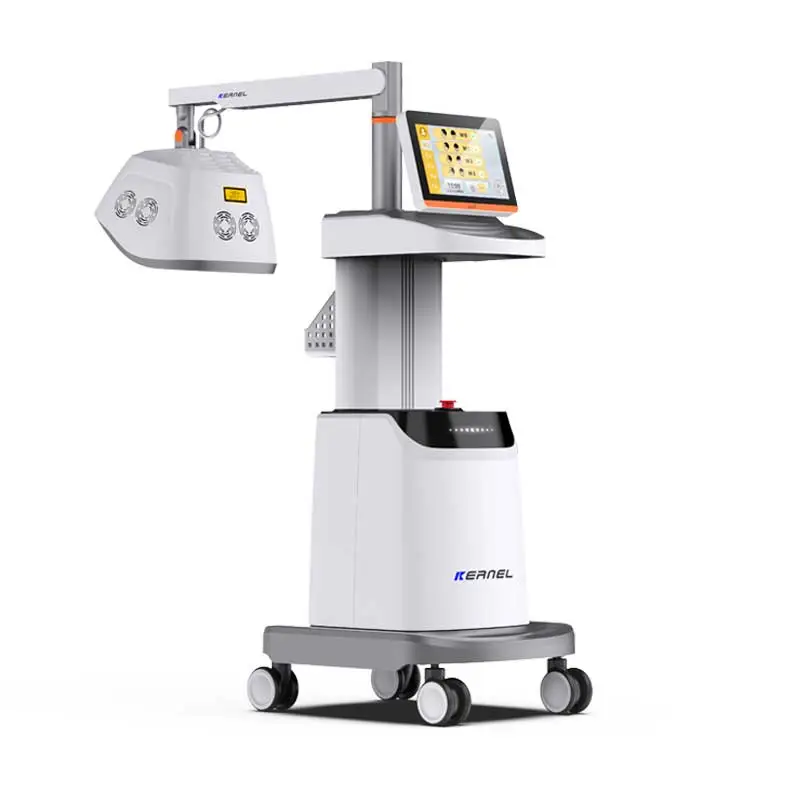
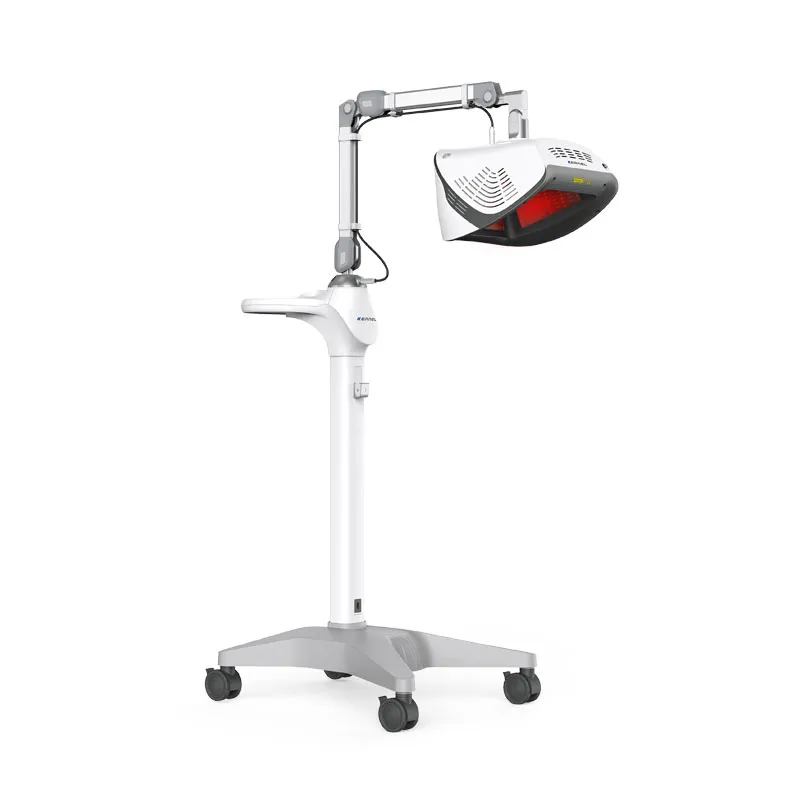
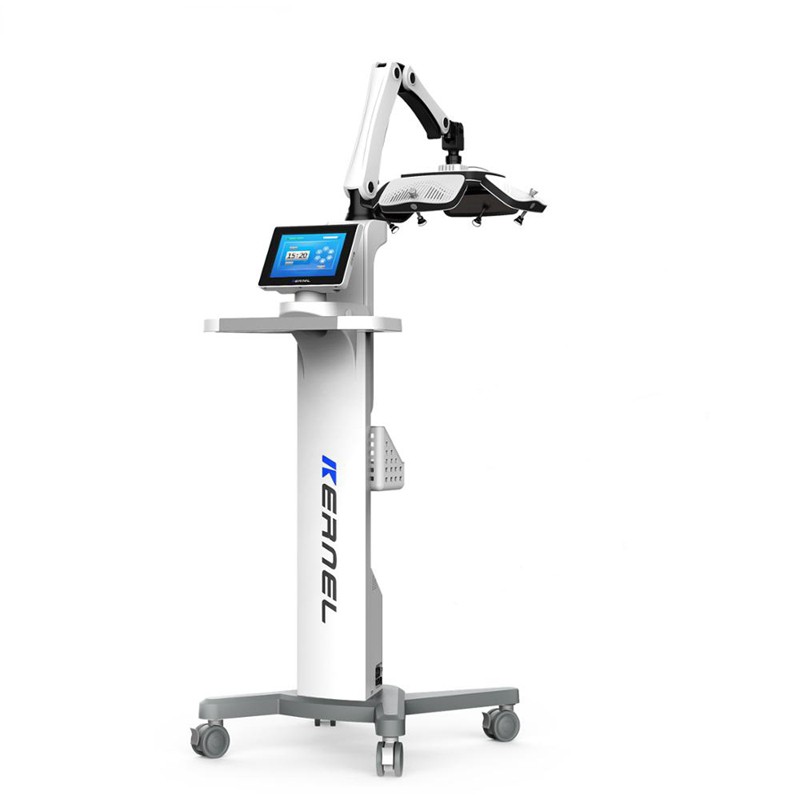
UVTREAT supports both pathways. For dermatology practices, UVTREAT offers full-body and panel NB-UVB systems with precise digital dosing controls suited for pediatric protocols. For families transitioning to supervised home care, UVTREAT’s handheld and targeted devices deliver calibrated UVB output with the safety controls that pediatric use demands. Explore the full range of phototherapy devices for home use.
Conclusion
NB-UVB phototherapy works in children. The efficacy numbers are strong across psoriasis, atopic dermatitis, and vitiligo, and the acute safety record holds up well against adult data. What we still owe these patients is long-term follow-up – the kind of multi-decade studies that will tell us whether the theoretical cancer risk amounts to a real clinical problem. Until then, conservative dosing, hard limits on treatment duration, mandatory protective gear, and ongoing skin surveillance represent the minimum responsible approach. Good equipment – clinic or home – is part of that equation.
Share
References
Jorge M-T, et al. Comparison of phototherapy in pediatric and adult patients. Actas Dermosifiliográficas. 2020;111(1):41–46.
Ersoy-Evans S, et al. Phototherapy in childhood. Pediatric Dermatology. 2008;25(6):599–605.
Goulden V, et al. BAD and BPG guidelines for narrowband UVB phototherapy 2022. British Journal of Dermatology. 2022;187(3):288–306.
Dovepress. Management strategies for pediatric moderate-to-severe plaque psoriasis. Psoriasis: Targets and Therapy. 2023.
Karki R, et al. An update on narrowband ultraviolet B therapy for the treatment of skin diseases. Cureus. 2021;13(11):e19929.
Spencer RK, et al. Current practices for pediatric phototherapy: findings from a cross-sectional study. Pediatric Dermatology. 2024;41(1):66–69.
Silverberg NB, et al. Phototherapy: kids are not just little people. Clinics in Dermatology. 2016;34(5):631–638.
Kumar S, et al. Phototherapy and photochemotherapy in childhood dermatoses. Indian Journal of Dermatology, Venereology and Leprology. 2010;76(5):521–526.
Paquette GM, et al. Narrowband UV-B phototherapy in pediatric vitiligo: a retrospective study. Journal of the American Academy of Dermatology. 2023;88(5):e135–e136.
Eustace K, et al. A retrospective review of phototherapy in children at a tertiary paediatric dermatology unit. Photodermatology, Photoimmunology & Photomedicine. 2021;37(1):70–76.
Pavlovsky M, et al. Narrow band UVB: is it effective and safe for paediatric psoriasis and atopic dermatitis? Journal of the European Academy of Dermatology and Venereology. 2011;25(6):727–729.
Children’s Wisconsin. Phototherapy in the dermatology clinic. Patient education resource. 2024.
Kanwar AJ, et al. Narrowband UV-B phototherapy in childhood atopic dermatitis: efficacy and safety. Indian Dermatology Online Journal. 2018;9(1):25–30.
MDPI Children. A retrospective comparison of narrowband-UVB phototherapy in pediatric versus adult vitiligo. Children. 2025;12(4):466.
MDedge. Consider home phototherapy for some pediatric patients. Society for Pediatric Dermatology Annual Meeting coverage. 2019.
FAQ
Based on the available evidence, NB-UVB carries an acceptable safety profile in pediatric patients. The most frequent side effect is transient erythema, which responds to dose reduction. Blistering occurs in fewer than 4% of treated children. To date, no published series has identified a confirmed rise in skin cancer incidence following pediatric NB-UVB - though it must be noted that long-term follow-up beyond ten to fifteen years remains absent from the literature. Annual dermatologic skin examinations after completing treatment are considered standard practice (10, 11, 12).
The standard modality is NB-UVB, emitting at 311–312 nm. It has largely replaced broadband UVB and PUVA in pediatrics. PUVA requires psoralen and extended post-session eye protection - logistically unworkable for young children and contraindicated below age 10 per British guidelines (3, 4).
Two to three sessions per week. A psoriasis course runs roughly two to three months. Vitiligo often takes six months or more. Each session starts brief - about a minute - and lengthens gradually as the skin builds tolerance. Total visit time is typically around 30 minutes including prep (6, 13).
In the short term, redness and dryness. Occasionally a mild burn if the dose ramps too fast. Blistering is uncommon. The bigger concern is cumulative - ultraviolet exposure over many years theoretically raises the risk of premature aging and skin malignancy. That is why we track doses carefully, cap continuous treatment at around 12 months, require goggles and genital protection at every visit, and keep monitoring the skin long after phototherapy has stopped (9, 11, 12).
To provide the best experiences, we use technologies like cookies to store and/or access device information. Consenting to these technologies will allow us to process data such as browsing behavior or unique IDs on this site. Not consenting or withdrawing consent, may adversely affect certain features and functions.
Functional
Always active
The technical storage or access is strictly necessary for the legitimate purpose of enabling the use of a specific service explicitly requested by the subscriber or user, or for the sole purpose of carrying out the transmission of a communication over an electronic communications network.
Preferences
The technical storage or access is necessary for the legitimate purpose of storing preferences that are not requested by the subscriber or user.
Statistics
The technical storage or access that is used exclusively for statistical purposes.The technical storage or access that is used exclusively for anonymous statistical purposes. Without a subpoena, voluntary compliance on the part of your Internet Service Provider, or additional records from a third party, information stored or retrieved for this purpose alone cannot usually be used to identify you.
Marketing
The technical storage or access is required to create user profiles to send advertising, or to track the user on a website or across several websites for similar marketing purposes.