-
 Is Psoriasis a Fungus?
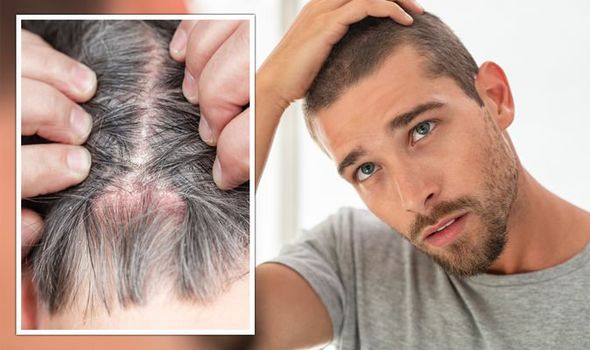
Itchy red spots on one’s skin may indicate psoriasis or a fungal infection. However, though they may resemble one another, psoriasis and fungal infection are very different conditions. As in the case of psoriasis and ringworm which may appear similar at first glance. Both conditions cause itchy and scaly red plaques
Read morePublished on March 27, 2026
-
 Scrotal Eczema: Symptoms, Treatments, and Causes
Scrotal eczema, also known as scrotal dermatitis, is a dry, red, and itchy skin conditions that affect the scrotum—the sac of skin holding the testicles—and may also involve the penis and inner thighs, groin, and area around the anus.
Read morePublished on March 27, 2026
-
 Eczema on Penis: Symptoms, Causes & Treatment
Penile eczema is a common, non-contagious skin condition affecting over 31 million Americans. Patients present with itching, pain, and discomfort quite often. The likelihood increases with a history of a family affected by eczema, hay fever, asthma, or allergies.
Read morePublished on March 27, 2026
-
 Optimizing Patient Throughput in Phototherapy Clinics
Read more
Optimizing Patient Throughput in Phototherapy Clinics
Read morePublished on February 18, 2026


-
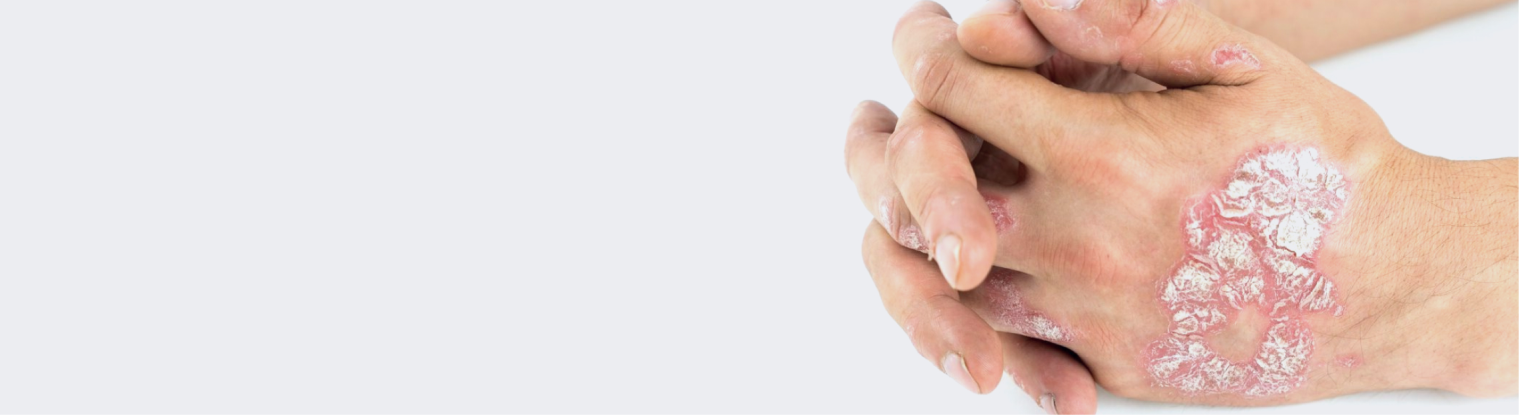
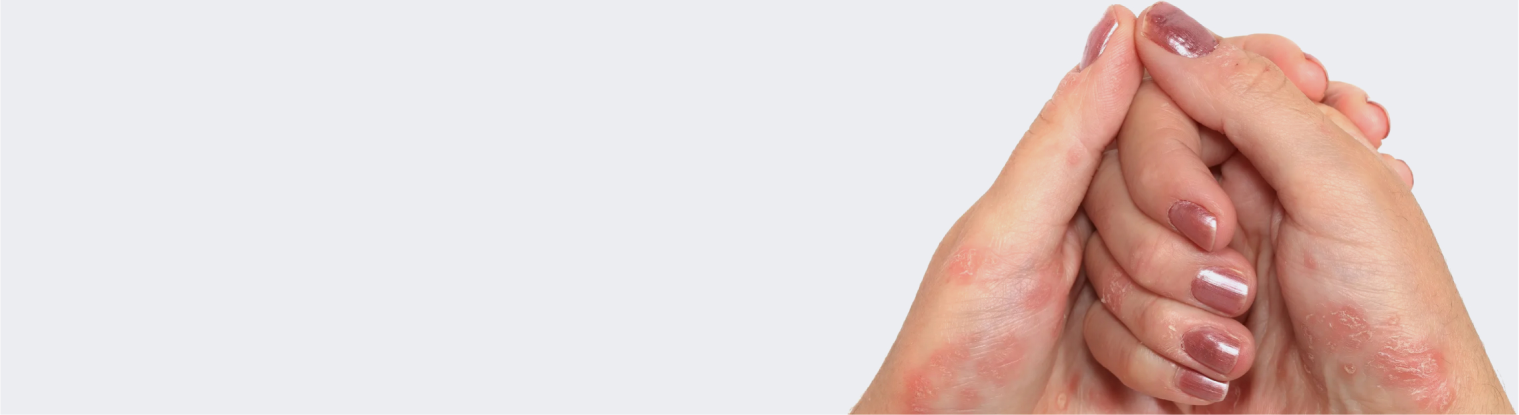
 Psoriasis is a chronic skin condition that causes cells to build up and form dry, itchy patches on the skin, nails, and joints. This autoimmune disorder causes the skin to grow faster than usual, and although psoriasis is a long-term disease that affects approximately 125 million individuals worldwide, there is no existing cure.Read more
 -
-
-
-
-
 Anna Chacon MD; Board-Certified Dermatologist
 -
 Dr. Sanober Doctor MD; Board-Certified Dermatologist


-
Vitiligo Phototherapy At Home: Hand-Held NB-UVB
Eleftheriadou and colleagues (2014) noted that hand-held NB-UVB units are light-weight devices that may overcome the need to treat vitiligo in hospital-based phototherapy cabinets, allowing early treatment at home that may enhance the likelihood of successful re-pigmentation.
Read morePublished on March 25, 2024
-
Comparison of NB-UVB Combination Therapy Regimens for the Treatment of Vitiligo
Zhu et al (2023) noted that vitiligo is an autoimmune disease and some guidelines for the management of vitiligo encouraged the use of NB-UVB combination therapies to enhance re-pigmentation. In a systematic review and network meta-analysis, these researchers compared the effectiveness of current NB-UVB combination regimen at the improvement in re-pigmentation. They searched the electronic […]
Read morePublished on February 23, 2024
-
Oral Therapy & Narrow-Band UVB
Lee and associates (2016) noted that systemic corticosteroids have been used to arrest the progression of vitiligo; however, side effects have been a constant issue. In a retrospective study, these researchers examined the efficacy and side effect of oral mini-pulse (OMP) therapy with methylprednisolone (MPD) combined with narrow-band ultraviolet B (NB-UVB) for adults with non-segmental […]
Read morePublished on February 23, 2024
-
Apremilast & Narrowband UVB for the Vitiligo Treatment
Khemis and colleagues (2020) noted that scientific rationale and encouraging first clinical results suggested the interest of using apremilast for treating vitiligo. In a 52-week, prospective, randomized, placebo-controlled study, these researchers compared the efficacy of apremilast in combination therapy with narrow-band ultraviolet B (NB-UVB) versus placebo and NB-UVB treatment for re-pigmentation in patients with non-segmental […]
Read morePublished on February 23, 2024