Articles
-
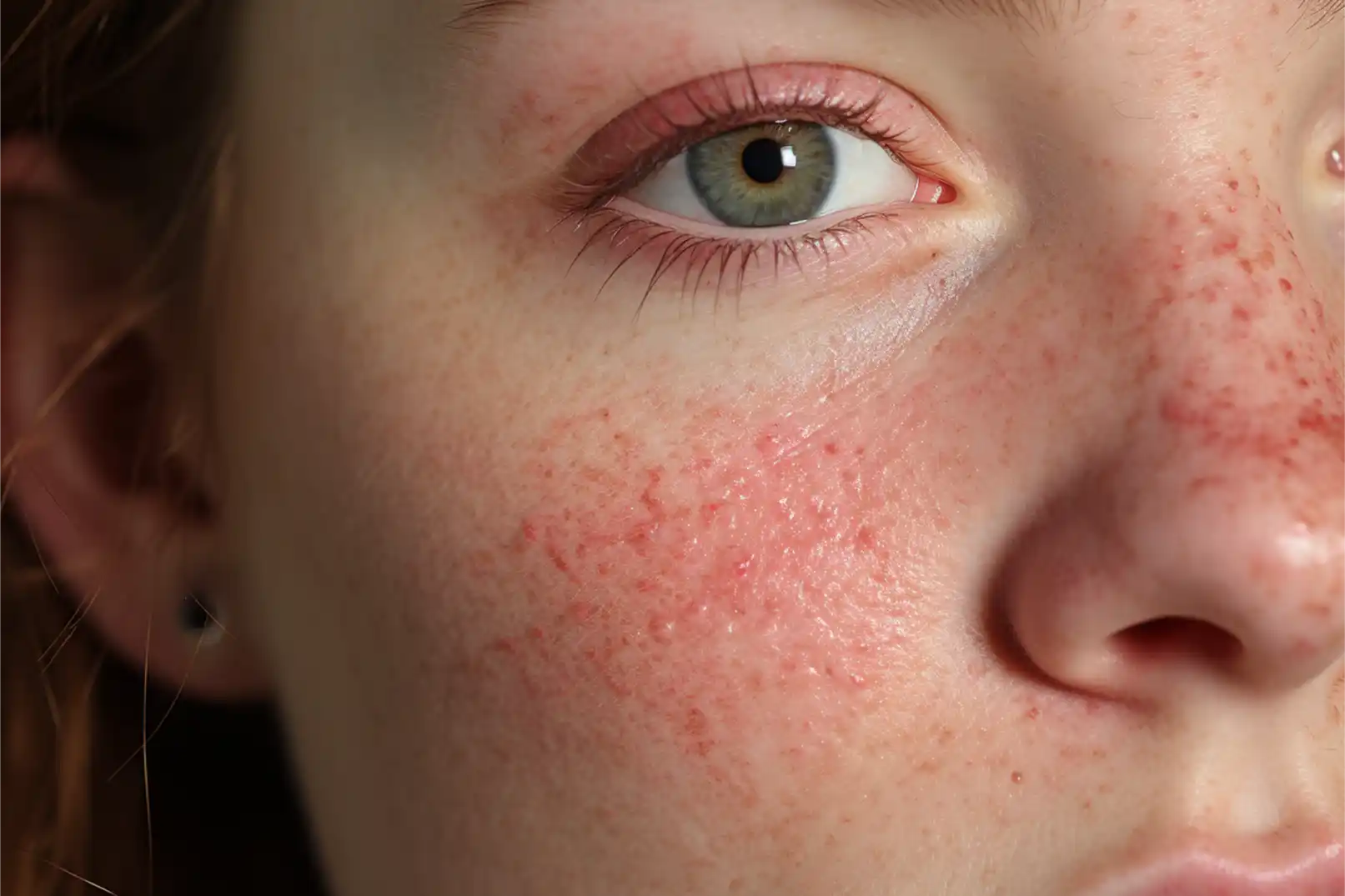 Understanding the Difference Between Rosacea and Eczema
 Rosacea and eczema are two distinct skin conditions that, while they may share some similarities, manifest very differently and require unique approaches to management and treatment. Understanding these differences is crucial for effective diagnosis, control, and management.
Read morePublished on September 28, 2024
-
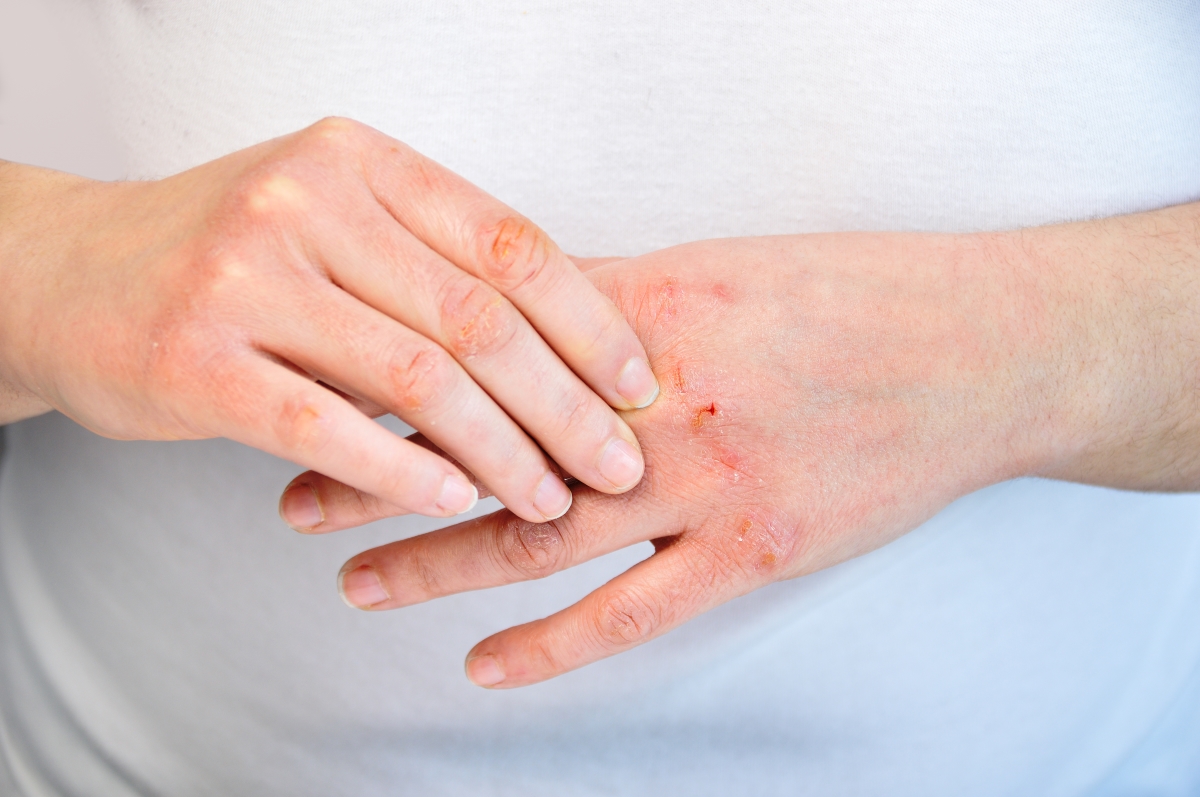
 9 Treatment Options for Eczema
 Eczema, also known as atopic dermatitis, is a common skin condition that causes inflammation, itching, and redness. Managing eczema involves a comprehensive treatment plan tailored to the individual’s symptoms and severity.
Read morePublished on September 21, 2024
-
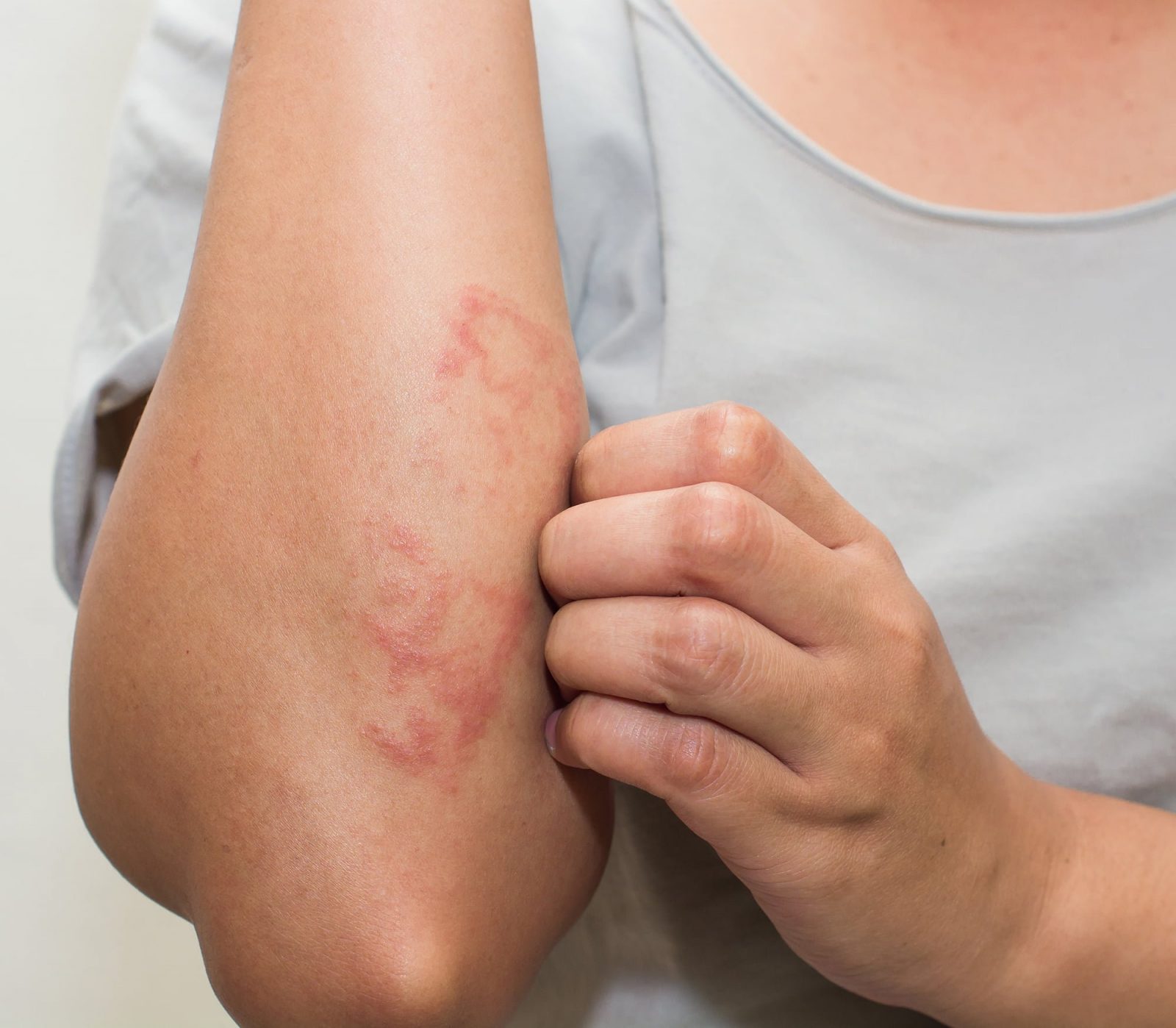
 Atopic Dermatitis (Eczema)
 Atopic dermatitis (AD), commonly referred to as eczema, is a chronic inflammatory skin condition characterized by itchy, inflamed, and often dry skin.
Read morePublished on September 20, 2024
-
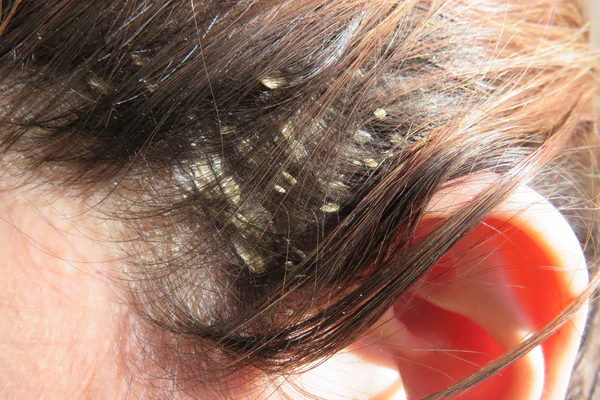
 Phototherapy for Seborrheic Dermatitis
 Phototherapy, especially using specific wavelengths to decrease inflammation and thereby control symptoms, has recently been advanced as an option for managing seborrheic dermatitis. This article explores the effectiveness of phototherapy in treating seborrheic dermatitis and details this line of treatment.
Read morePublished on September 13, 2024
-
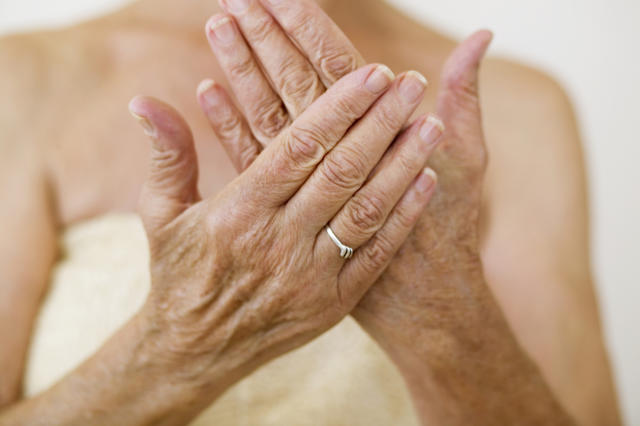
 What Causes Crepey Skin and How to Prevent It?
 Crepey skin has the feel of being thin with very tiny wrinkles, and it resembles crepe paper. Unlike regular wrinkling, crepey skin involves larger areas and is far more delicate and fragile. [1]
Read morePublished on September 12, 2024
-
 Best Chemical Peel for Hyperpigmentation – UVTREAT
 Hyperpigmentation is a common skin condition that is characterized by patches of skin that are darker than the rest. The right chemical peel is, hence, very important in effectively treating hyperpigmentation. Chemical peels help exfoliate your skin and reduce dark spots that tend to even out your tone.
Read morePublished on September 12, 2024
-
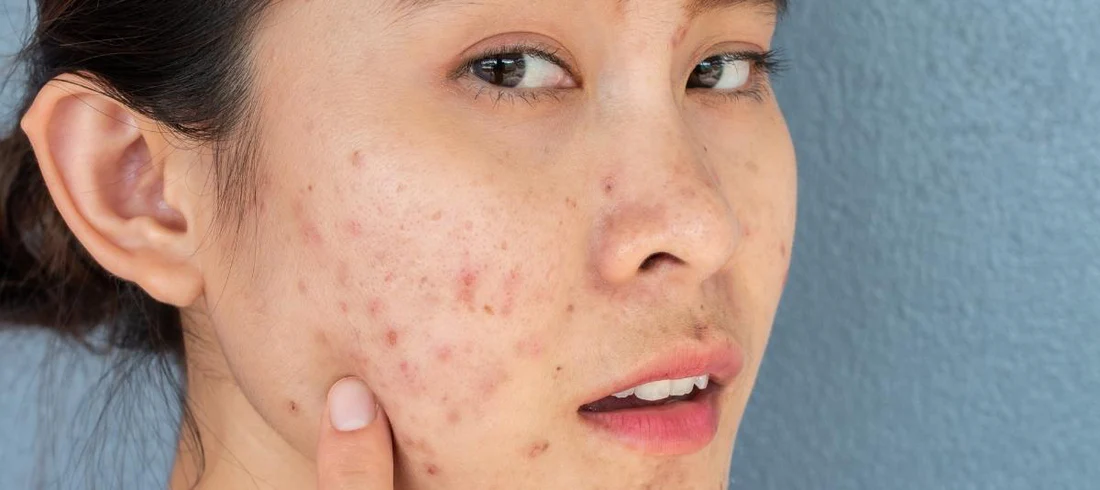
 PIE and PIH Acne Marks – What’s The Difference, Treatments?
 Mainly, there can be two types of such acne marks: Post-Inflammatory Erythema, or simply PIE; and Post-Inflammatory Hyperpigmentation, or PIH.
Knowing the difference between PIE and PIH is important, as each requires a different treatment approach. Being able to identify these distinctive marks will help you understand how to properly take care of them and achieve clearer skin.
Read morePublished on September 11, 2024
-
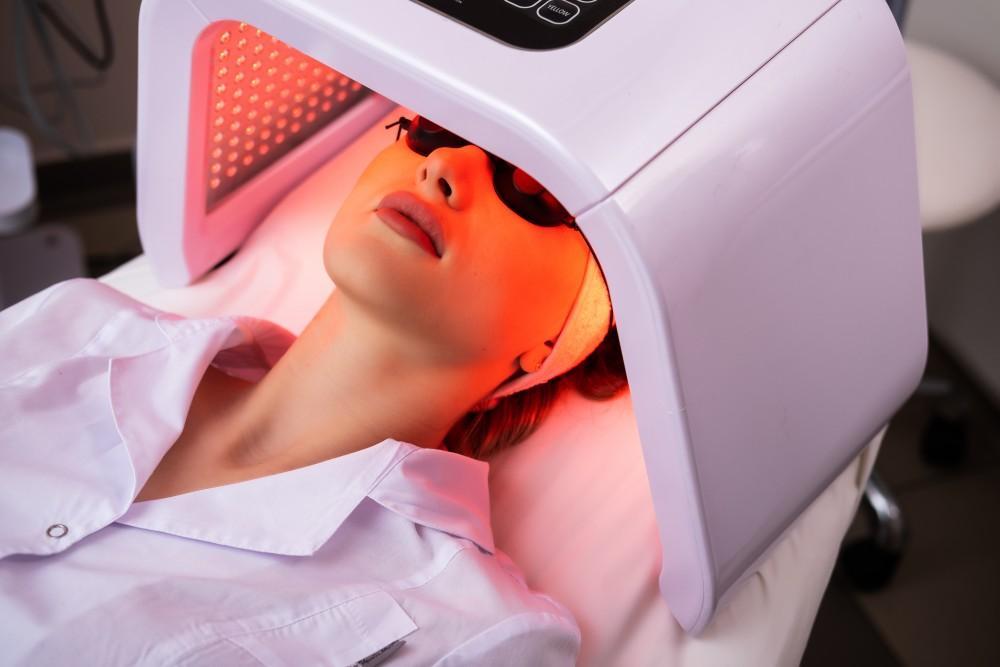
 Understanding Photodynamic Therapy (PDT) & Blue Light for Actinic Keratosis and Other Skin Conditions
 Photodynamic Therapy (PDT) and Blue Light therapy have emerged as the latest treatment options in managing conditions such as Actinic Keratosis.
PDT uses photosensitizing agents and blue light, thus targeting the abnormal cells with a very high degree of selectivity. This article explores PDT and blue light therapy, describes mechanisms of action, applications in dermatology, and risks involved with these novel treatments.Read morePublished on September 09, 2024
-
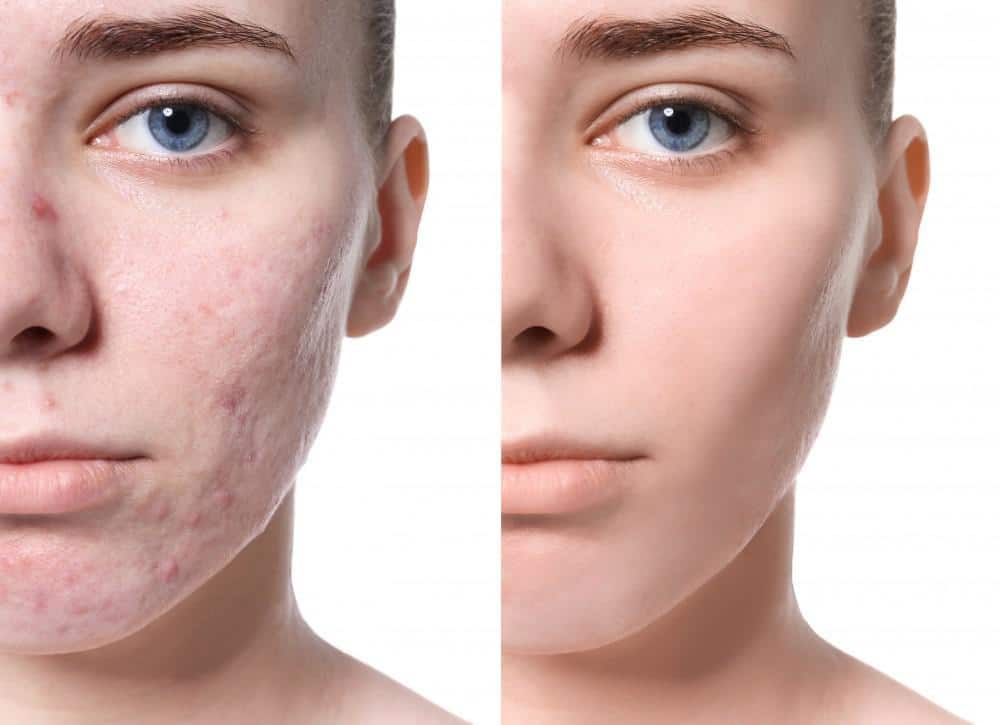
 Top Ways to Prevent and Treat Acne Scars
 Acne scarring alone seems to be almost as much of a problem as the acne itself. There are many ways to reduce it, from over-the-counter products to in-office procedures run by a dermatologist, such as microdermabrasion.
Read morePublished on September 08, 2024
-
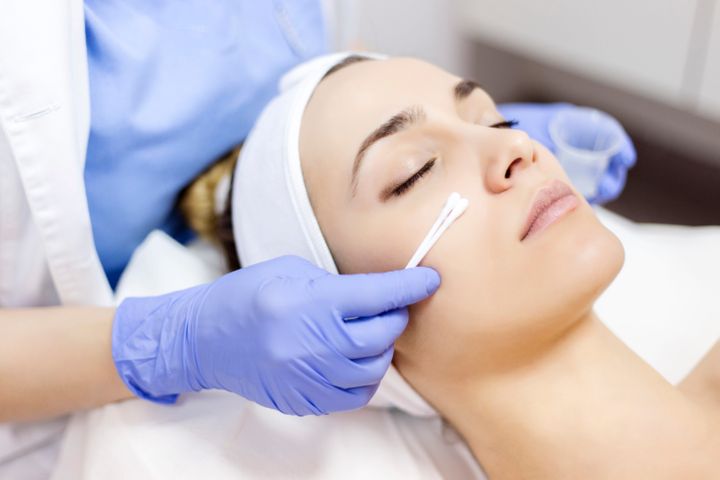
 Is A Chemical Peel Worth It? Read more
Published on September 05, 2024