LED Photodynamic Therapy


Info
LED photodynamic therapy (PDT) combines controlled LED light exposure with a photosensitizing compound to produce a localized photochemical reaction within targeted tissue. In the United States, the procedure is FDA-cleared for actinic keratosis of the face and scalp when used with aminolevulinic acid (ALA) or methyl aminolevulinate (MAL) (1, 2).
LED PDT platforms are used across both dermatology and aesthetic practice. Device configuration varies between clinics, with some systems focused on conventional clinical PDT and others adapted for broader light-based facial procedures.
How LED Photodynamic Therapy Systems Work
Clinical PDT protocols usually start with topical photosensitizer application before light exposure begins. Incubation time can differ substantially depending on the indication, formulation, and treatment depth being targeted. Some acne-focused protocols use shorter uptake periods, whereas actinic keratosis treatment may involve significantly longer incubation before illumination.
After sufficient absorption occurs, clinicians expose the treatment area to a selected LED wavelength matched to the absorption characteristics of the photosensitizing compound. Rather than producing tissue ablation through heat, PDT primarily relies on photochemical activation inside metabolically active or abnormal cells.
Not all LED protocols involve external photosensitizers. In aesthetic medicine, many systems operate through photobiomodulation principles instead of classical photodynamic activation. These protocols are generally used for non-ablative light-based skin treatments rather than classical PDT activation.
Most professional LED PDT platforms incorporate several wavelength ranges within a single device. Configuration differs between manufacturers, although multi-spectrum systems are now standard in many dermatology and aesthetic practices.
- Blue light therapy (415nm) primarily targets superficial sebaceous structures and upper epidermal layers. Because of this penetration profile, it continues to be widely used in inflammatory acne protocols and oil-control treatments, either as a standalone modality or as part of combination PDT approaches (5, 7).
- Red light therapy (630–635 nm) selected when deeper dermal penetration and collagen-related response are clinically relevant. It also remains one of the most commonly used wavelength ranges in medical PDT applications (3, 5).
- Near-infrared light therapy (810–850nm) reaches deeper tissue layers and is often incorporated into non-ablative recovery-focused procedures.
- Green light therapy (520nm) used in superficial pigmentation-focused procedures and lower-intensity aesthetic protocols.
- Yellow light therapy (590nm) incorporated into protocols focused on visible redness, post-procedural recovery, and overall skin tone appearance. (3).
Treatment settings are typically adjusted according to the indication, skin sensitivity, and overall procedural intensity.
Applications of PDT Therapy in Aesthetic and Dermatology Clinics
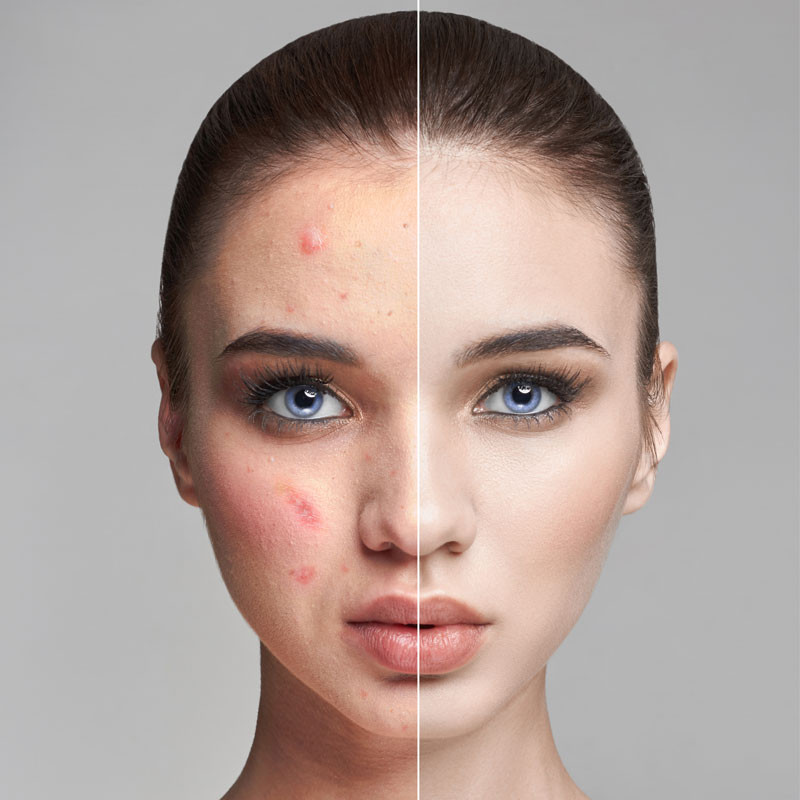
In dermatology, photodynamic therapy for face procedures is most frequently associated with actinic keratosis treatment and selected acne protocols. It is also used in selected protocols for inflammatory acne, particularly in patients who respond poorly to conventional topical therapy or who require adjunctive procedural management (2, 7, 8). Some clinics additionally incorporate LED PDT into post-procedural recovery protocols following fractional resurfacing or other energy-based treatments. The rationale typically involves temporary reduction of visible inflammation and support of recovery-related processes, although clinical outcomes vary significantly depending on protocol design and patient selection.
In aesthetic settings, LED systems are often marketed for skin rejuvenation, texture improvement, and photodamage-focused procedures. At the same time, published evidence supporting aesthetic-only protocols remains more heterogeneous than evidence reported across photodynamic therapy dermatology studies.
Choosing the Right Professional PDT System
Selecting light photodynamic therapy devices starts with the clinic’s actual case mix, not with a feature list. A practice focused on aesthetic facials and acne care needs different wavelength coverage than a dermatology center that runs clinical PDT for actinic keratosis on a regular basis (1, 2). Patient throughput and average session length determine whether a device must support both standalone PDT light therapy and combined-mode protocols within the same session.
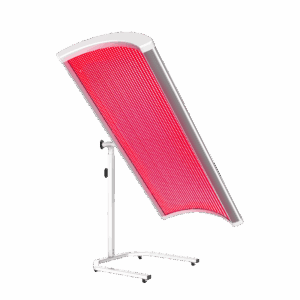
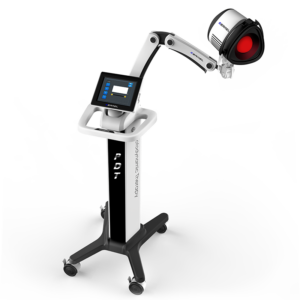
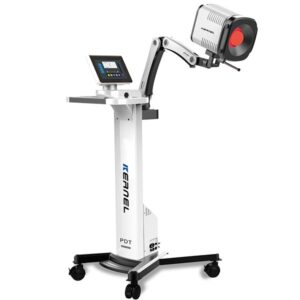
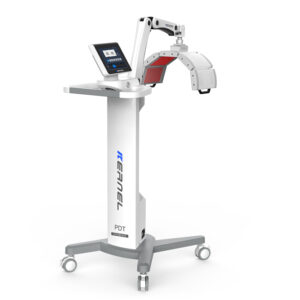
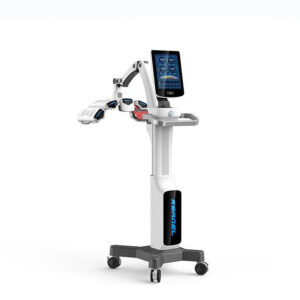
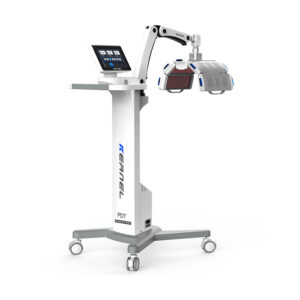
Available treatment-room space narrows the format choice. Compact tabletop units and articulated-arm devices are appropriate for smaller treatment rooms, while larger canopy systems and multi-panel platforms are typically installed in clinics with dedicated phototherapy rooms or higher daily volumes. On the device side, the relevant functionality covers the number and choice of wavelengths, the availability of preset clinical programs, adjustable irradiance, and the option to switch between continuous and pulsed delivery modes (1). Patient comfort considerations include eye protection, low-noise operation, even light distribution across the treatment area, and adequate coverage of the full face and scalp.
The clinic’s specialization is the final filter. Medical aesthetic practices generally benefit from a multifunctional platform that combines red, blue, yellow, and green diodes, while dermatology centers may prioritize a high-output red and blue system suitable for clinical PDT and sized for full face and scalp coverage (9, 10). Available equipment ranges from compact single-panel units to large multifunctional clinical platforms.
Explore Professional LED PDT Equipment
UVTREAT supplies professional LED photodynamic therapy systems to dermatology centers, aesthetic clinics, and medical aesthetic practices across the United States and Latin America. Configuration options vary according to clinical use case: compact tabletop units suited to smaller treatment rooms, multifunctional platforms integrating up to seven wavelengths in a single console, and full-coverage clinical systems sized for high patient throughput. Each device is designed for daily clinical use, with adjustable parameters and preset programs that integrate with standard facial and dermatology service menus. Clinics can also pair LED PDT with related modalities such as UVB light phototherapy and full-body UVB Panels for psoriasis, vitiligo, and eczema programs. Contact UVTREAT to discuss available system configurations and clinical application requirements.
References
- Maytin EV, et al. Photodynamic Therapy: Overview and Mechanism of Action. https://www.jaad.org/article/S0190-9622(25)00321-4/fulltext
- Photodynamic Therapy: Clinical Applications in Dermatology.https://www.jaad.org/article/S0190-9622(25)00322-6/abstract
- Sorbellini E, Rucco M, Rinaldi F. Photodynamic and photobiological effects of light-emitting diode (LED) therapy in dermatological disease: an update. https://pmc.ncbi.nlm.nih.gov/articles/PMC6133043/
- National Cancer Institute. Photodynamic Therapy to Treat Cancer. https://www.cancer.gov/about-cancer/treatment/types/photodynamic-therapy
- Glass GE. Phototherapy as a Treatment for Dermatological Diseases, Cancer, Aesthetic Dermatologic Conditions and Allergenic Rhinitis. https://www.ncbi.nlm.nih.gov/pmc/articles/PMC9864074/
- Photodynamic Therapy for Dermatologic Conditions. StatPearls. NCBI Bookshelf. https://www.ncbi.nlm.nih.gov/books/NBK617062/
- Sakamoto FH, Lopes JD, Anderson RR. Photodynamic therapy for acne vulgaris: A critical review from basics to clinical practice. https://www.jaad.org/article/S0190-9622(10)00019-8/abstract
- Cohen DK, et al. Photodynamic Therapy with 5-aminolevulinic Acid 10% Gel and Red Light. https://pmc.ncbi.nlm.nih.gov/articles/PMC8711613/
- Biofrontera RhodoLED XL – FDA-Approved Red-Light LED Lamp for Patients with Actinic Keratosis. https://www.ajmc.com/view/fda-approved-red-light-led-lamp-released-for-patients-with-actinic-keratosis
- FDA Approves Sun Pharma’s New LED BLU-U Device for Actinic Keratosis. https://www.dermatologytimes.com/view/fda-approves-sun-pharma-s-new-led-blu-u-device-for-ak
FAQ
- Laser systems mainly rely on controlled heat inside targeted tissue. PDT works differently - the reaction occurs after light activates a photosensitizing compound within the skin.
- LED photodynamic therapy is a light-based procedure that uses selected LED wavelengths, sometimes together with topical photosensitizing agents. It is commonly used in acne protocols, actinic keratosis treatment, skin recovery procedures, and aesthetic rejuvenation workflows.
- Yes. LED PDT platforms are commonly used in aesthetic practices for facial procedures, recovery-focused treatments, and general light-based skin protocols.
- Selection usually depends on wavelength options, treatment area coverage, device adjustability, available space, and expected patient throughput. Service support and regulatory status are also important considerations.