Can LED Lamps Therapy Help Heal Ligaments and Tendons?
Sprains and tendon injuries fill a large portion of musculoskeletal appointments. A runner limping in with Achilles pain. A desk worker whose shoulder has not improved after six weeks. Different patients, but the complaint converges fast. Progress feels stalled. The pain stays. Patients become convinced something is wrong with the recovery itself.
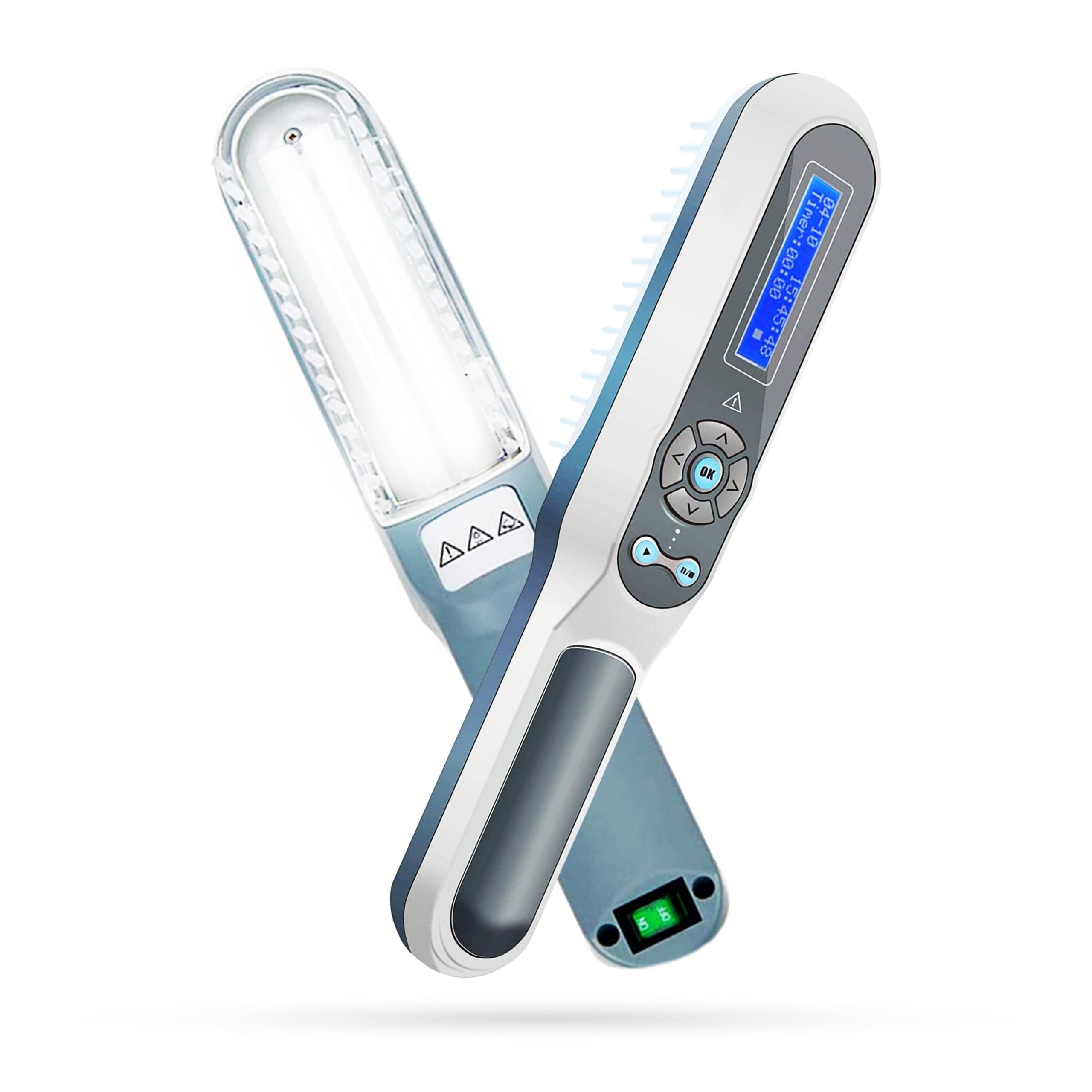
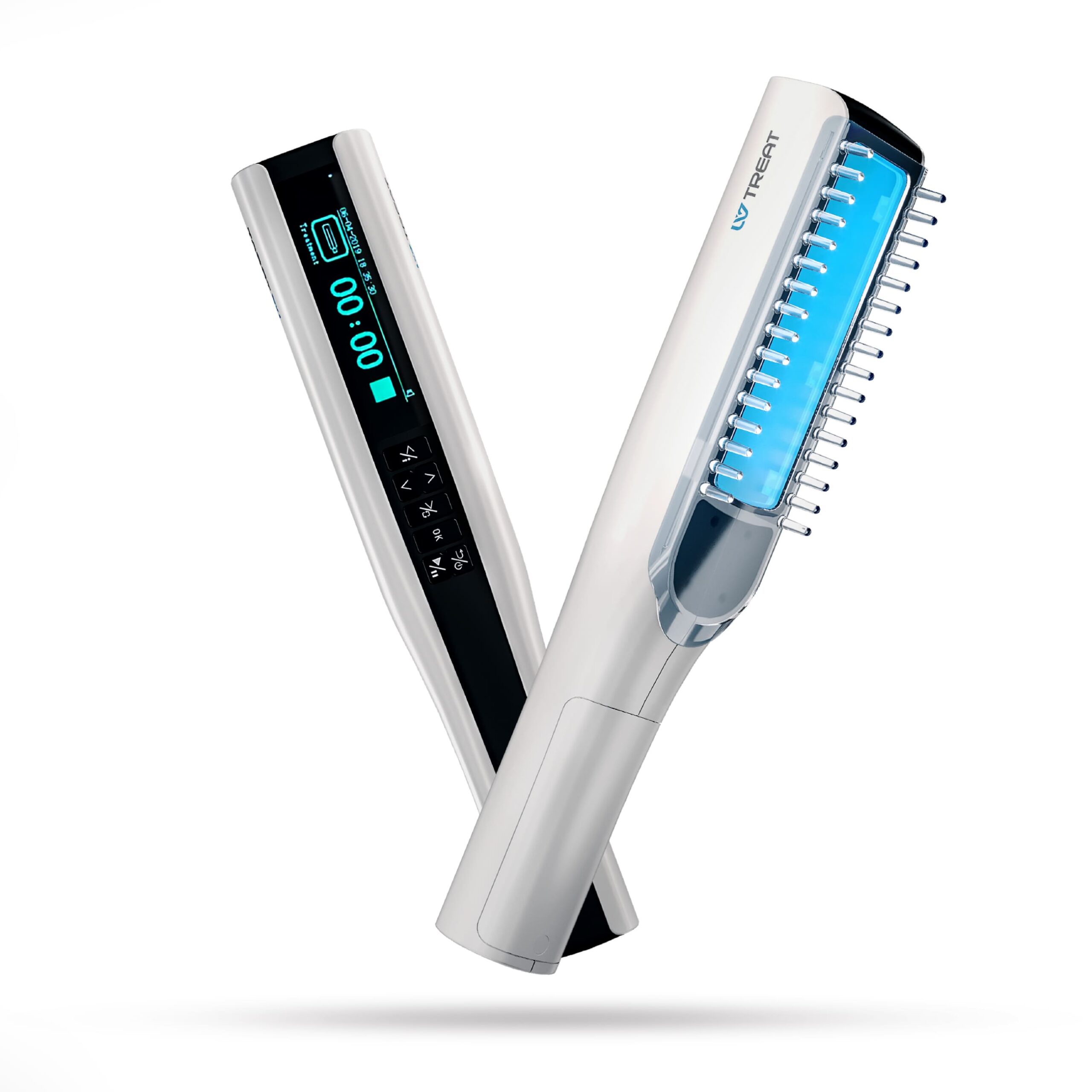
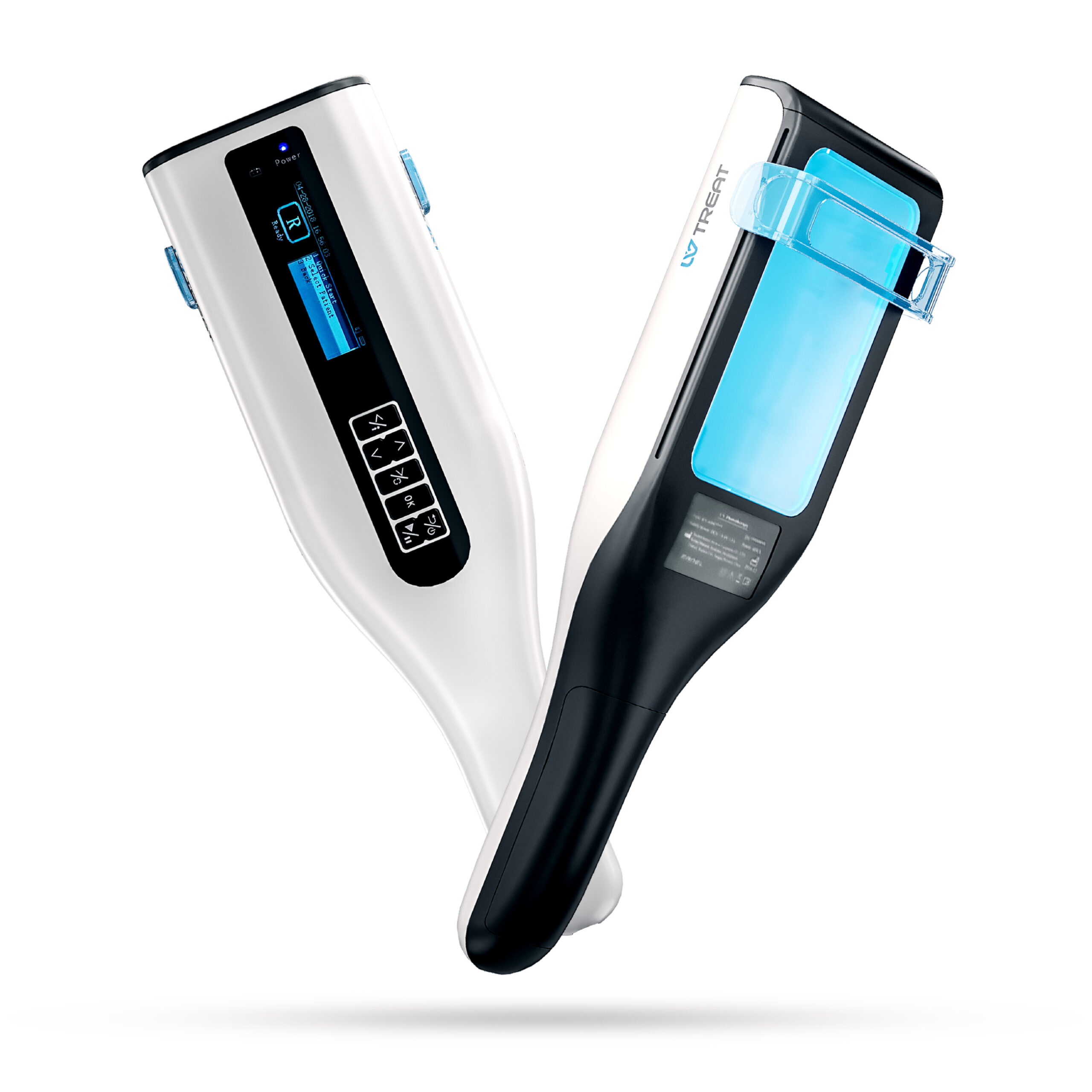
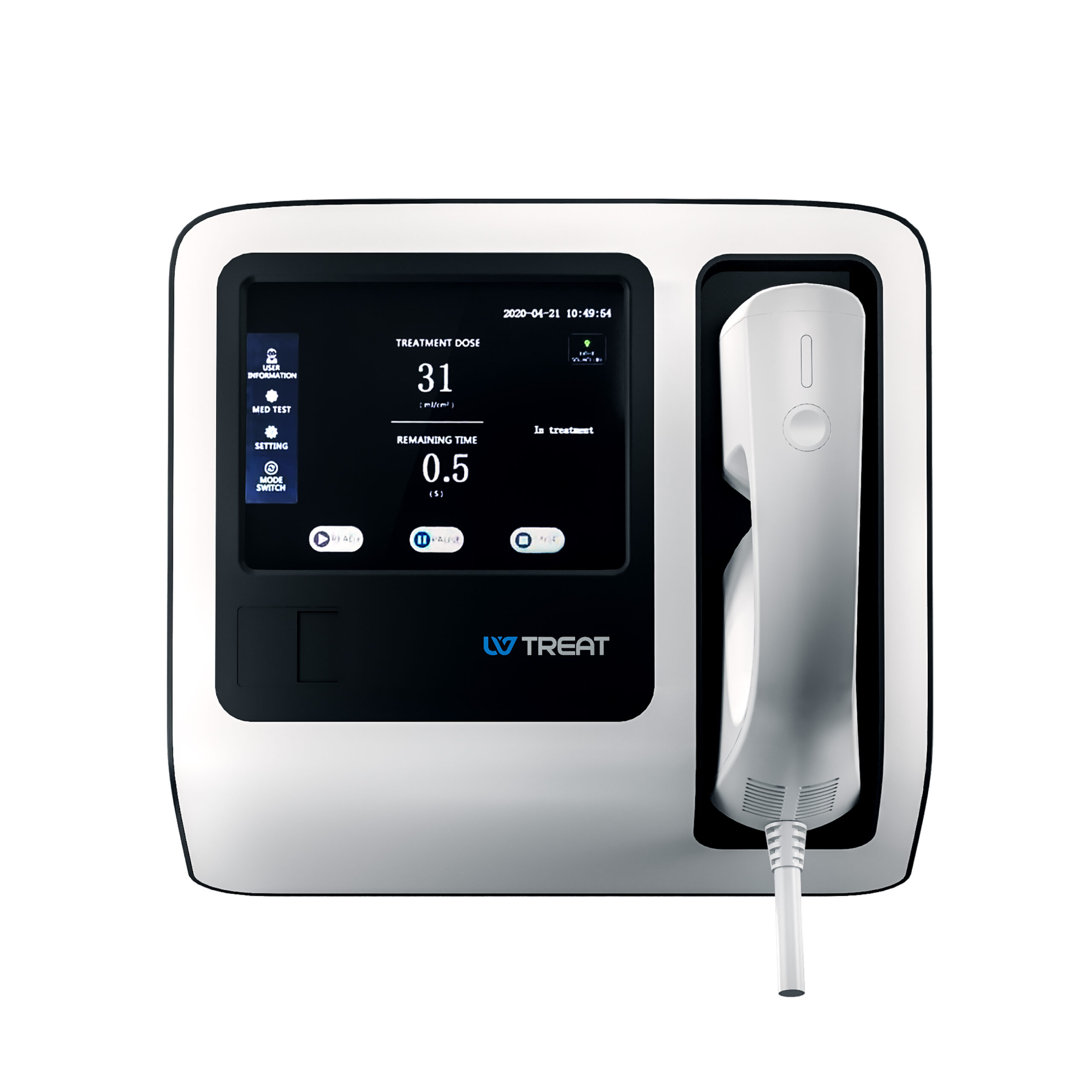
That frustration is rooted in biology. Tendons and ligaments are dense collagen-based tissues with notoriously poor blood supply, and their repair timelines stretch far beyond what most patients expect (1). Into that gap have stepped LED lamps and red light devices. They are sold for skin, joints, post-workout recovery – and increasingly, tendon and ligament injuries, where LED light therapy tendon healing claims reach clinicians as often through patient questions as through the literature.
The question worth asking is straightforward: does the science behind photobiomodulation tendon repair hold up under scrutiny? And where does it fit in a treatment plan – as a primary intervention, or something more modest?
This article examines available peer-reviewed data, looks at what we know and what remains unclear, and offers a clinical perspective on whether red light therapy devices belong in your recovery toolkit.
What Happens When Ligaments and Tendons Are Injured
Tendons carry muscle force to bone. Ligaments hold bones to each other and keep joints stable. The main material in both is type I collagen, stacked in layers – tropocollagen molecules twist into fibrils, fibrils group into fibers, fibers pack into fascicles (1).
When either tissue suffers a partial tear, strain, or chronic overload, the body initiates a three-phase healing response. The inflammatory phase lasts roughly a week – white blood cells migrate to the site, causing swelling and pain. The proliferative phase follows over several weeks as fibroblasts lay down new collagen, initially the weaker type III variant. The remodeling phase can last six weeks to over a year, involving conversion of collagen III into stronger collagen I and fiber realignment along lines of mechanical stress (1, 2).
The challenge with light therapy ligament injury recovery – and tendon recovery alike – is that these tissues receive only a fraction of the blood flow that muscle does. That biological bottleneck is the primary reason healing timelines are measured in months, not weeks. Immobilization makes it worse: mobilized tendons develop roughly twice the strength of immobilized ones at three weeks post-injury (2).
Understanding this biology matters before evaluating any adjunctive therapy. The healing process is not broken – it is constrained.
What Is LED Light Therapy
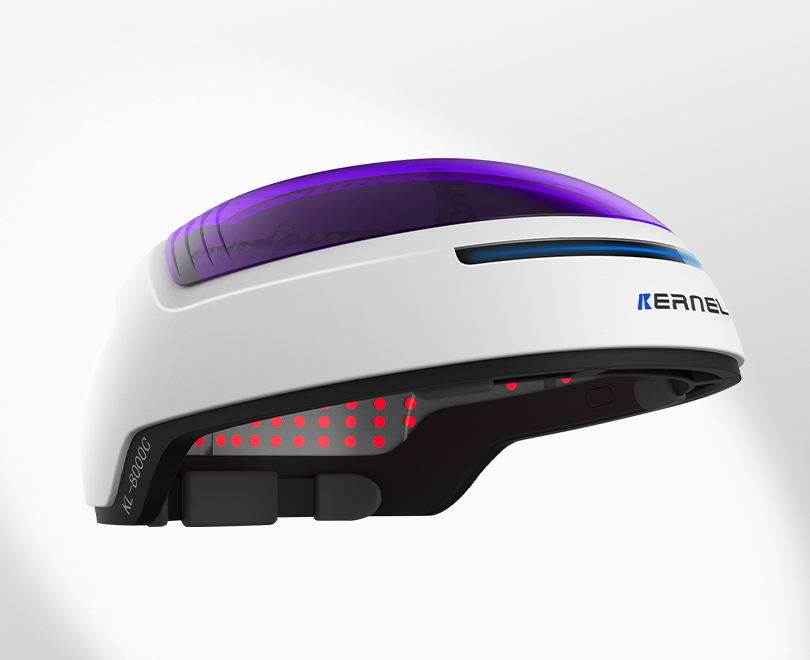
LED light therapy, known in medical literature as photobiomodulation (PBM), delivers narrow wavelengths of red (600–700 nm) and near-infrared (780–1100 nm) light at low power. No heat at therapeutic doses. No incisions. That distinguishes it from high-intensity laser work (3, 4)
Both laser and LED sources can deliver photobiomodulation. LEDs produce light with lower coherence and collimation than lasers, but systematic reviews have confirmed that LED-based devices produce comparable biological effects on tissue (5). Since 2014, WALT and NAALT have encouraged the use of “photobiomodulation” as the standard term, replacing older labels like low-level laser therapy (LLLT) (6).
In clinical and home settings, PBM devices typically deliver red light at 630–660 nm for superficial structures and near-infrared light at 810–880 nm for deeper tissue penetration. Some newer protocols use combined dual-wavelength delivery – for example, 630 nm plus 880 nm – which laboratory data suggest may offer advantages over single-wavelength approaches (7).
How It May Help Healing
The accepted biological framework for PBM centers on the mitochondria. In mammalian cells, cytochrome c oxidase (CCO) – the terminal enzyme in the mitochondrial respiratory chain – absorbs light in this spectral range. Under cellular stress, nitric oxide (NO) competes with oxygen for the CCO binding site, which suppresses adenosine triphosphate (ATP) output. Red and near-infrared wavelengths release NO from that site. Oxygen resumes its role, and ATP synthesis recovers (3, 8).
That increase in ATP is the upstream event behind several downstream effects relevant to infrared light therapy injury recovery. Cellular repair depends on available energy – more ATP, faster recovery. Fibroblasts multiply more readily. Collagen output rises. A short ROS signal activates transcription factors such as NF-κB, which in turn switch on repair-related genes. The NO released during this process dilates nearby vessels, an effect that may compensate in part for the limited vascular supply characteristic of tendon and ligament tissue (3, 4, 8)
One clinically important detail: tendons contain fewer mitochondria than muscles, the brain, or cardiac tissue. A systematic analysis of PBM dose-response data found that tissues with lower mitochondrial density need higher light doses for a therapeutic effect (9). This partially explains why results in tendon studies are so variable – many early trials may have simply under-dosed the tissue.
What Does Research Say
Preclinical (animal and laboratory) evidence is more consistently positive. A 2022 systematic review of 22 studies using rat Achilles tendon models found that PBM – at wavelengths of 660, 830, and 904 nm with energy densities of 1–17 J/cm² – improved tendon structure and function, though heterogeneity in study design prevented unified treatment recommendations (10).
A 2025 murine study specifically tested LED irradiation (combined 630 nm + 880 nm) on injured Achilles tendons and reported that treatment restored the collagen I/III ratio toward normal levels, reduced fibrosis markers (TGF-β1, vimentin), and promoted anti-inflammatory M2 macrophage polarization (7). A separate 2021 study found that PBM at 780 nm significantly increased collagen II gene expression and mesenchymal cell proliferation in partially transected rat tendons (p<0.001) (11). Research on human biceps tendon fibroblasts showed that 630 nm LED exposure produced a greater-than-twofold increase in cell proliferation and a threefold increase in cell migration compared to untreated controls (12).
Clinical (human) evidence is less decisive. A 2021 systematic review and meta-analysis of RCTs found that adjunctive PBM combined with exercise reduced pain intensity and improved function. The caveat: evidence quality was rated low to moderate, and high-quality data supporting PBM’s utility remained lacking (13).
For shoulder tendinopathy specifically, a 2020 meta-analysis reported that pain improved by 73% to 90% when treatment followed WALT-recommended dosage parameters. Notably, four out of six negative studies had used inadequate doses – a recurring problem in PBM literature that distorts the overall evidence picture (6). A 2025 systematic review on rotator cuff pathology confirmed that PBM combined with therapeutic exercise significantly decreased pain severity and improved shoulder function, while noting that biomechanical mechanisms still need further investigation (14).
The picture is less favorable for Achilles tendinopathy. A 2022 meta-analysis found no statistically significant effect of PBM on Achilles tendon pain, though evidence strength was rated “very low and low” (15). A separate study evaluating immediate tendon changes within four hours of a single PBM session found no measurable effects on morphology or mechanical properties – reinforcing that PBM effects are cumulative (16).
For those asking does red light therapy heal tendons, the answer depends on the metric. Pain reduction? Possibly. Structural repair acceleration? The animal data say yes; the human data are not there yet.
On red light therapy ligaments specifically, the clinical evidence is nearly absent. One veterinary randomized trial tested PBM in dogs after cruciate ligament surgery and found promising but statistically non-significant differences between treated and control groups (17). Dedicated human trials examining PBM for ligament healing remain an open gap in the literature.
Benefits and Realistic Expectations
Based on current evidence, patients and clinicians considering LED light therapy tendon healing protocols may reasonably expect the following, provided appropriate dosing parameters are used:
Reduced pain during recovery – the most consistently supported finding across clinical reviews, particularly when PBM is combined with structured exercise (6, 13, 14). Some improvement in early-stage functional recovery – especially in shoulder tendinopathies treated at WALT-recommended doses. Possible support for collagen remodeling – well-documented in preclinical models, though direct translation to human tendon repair is still being validated (7, 11, 12).
What patients should not expect is a standalone solution. PBM has never outperformed structured rehabilitation when tested head-to-head. Its most defensible role is adjunctive – a supportive tool used alongside progressive tendon loading, manual therapy, and other established interventions. A 2022 BMJ Open protocol studying Achilles tendinopathy in runners evaluates PBM specifically as one component of a multi-modal approach, not as monotherapy (18).
The therapy appears more suited to early and moderate-stage injuries. A review of PBM in cartilage repair noted the treatment seemed more effective when tissue damage was minor rather than extensive – a principle likely applicable to tendon pathology as well (19). Severe full-thickness tears or complete ruptures are unlikely to respond meaningfully to light therapy alone.
PBM is broadly considered safe when delivered at appropriate parameters. Serious adverse events are rarely reported at therapeutic doses, and the treatment does not cause thermal tissue damage (3, 8). The FDA approved laser use for pain management starting in 2002, initially covering head, neck, and carpal tunnel pain.
The primary concern in practice is not harm – it is ineffectiveness from incorrect use. PBM follows a biphasic dose-response pattern: too little light produces no effect, the right amount stimulates repair, and too much inhibits the response (9). Because tendons have lower mitochondrial density than muscles or nerves, they sit in a dosing range that many consumer-grade devices may not reliably reach.
No universally standardized treatment protocol exists. Wavelength, energy density, power output, pulse structure, treatment duration, and session frequency all influence outcomes. The 2022 preclinical systematic review concluded that embedded heterogeneity “renders the ability to establish unified treatment parameters difficult” (10). WALT minimum dosage recommendations exist but are not universally adopted.
Additional precautions include avoiding direct eye exposure to near-infrared light, exercising caution in patients taking photosensitizing medications, and deferring PBM use over active malignancies unless under oncological supervision.
To better understand how treatment outcomes are tracked across different phototherapy applications, see Phototherapy Results.
To summarize, LED light therapy shows biological promise for supporting ligament and tendon healing, grounded in a well-characterized mitochondrial mechanism and consistent preclinical data. Clinical evidence is encouraging for pain reduction – particularly in tendinopathies treated with appropriate dosing alongside exercise – but remains limited in quality and consistency. It is not a replacement for structured rehabilitation, but a tool that may help the biology along when expectations and protocols are realistic.
Share
References
Leong NL et al. Tendon and Ligament Healing and Current Approaches to Tendon and Ligament Regeneration. J Orthop Res. 2020;38(1):7–12.
Frank C et al. Ligament Injury and Healing: An Overview of Current Clinical Concepts. J Prolotherapy. 2011;3(4):836–846.
Hamblin MR. Mechanisms and Mitochondrial Redox Signaling in Photobiomodulation. Photochem Photobiol. 2018;94(2):199–212.
Dompe C et al. Photobiomodulation-Underlying Mechanism and Clinical Applications. J Clin Med. 2020;9(6):1724.
Lopes Silva RSD et al. Systematic Review of PBMT on the Experimental Calcaneal Tendon Injury in Rats. Photochem Photobiol. 2020;96(5):981–997.
Agena KM et al. Photobiomodulation Reduces Pain in Patients with Shoulder Tendinopathy. Athl Train Sports Health Care. 2020;12(2):56–58.
Lim JK et al. Efficacy of LED-Mediated Photobiomodulation in Tendon Healing in a Murine Model. Int J Mol Sci. 2025;26(5):2286.
de Freitas LF, Hamblin MR. Proposed Mechanisms of Photobiomodulation or Low-Level Light Therapy. IEEE J Sel Top Quantum Electron. 2016;22(3):7000417.
Huang YY et al. Review of Light Parameters and Photobiomodulation Efficacy: Dive into Complexity. J Biomed Opt. 2021;26(4):048001.
Alzyoud JAM et al. Photobiomodulation for Tendinopathy: A Review of Preclinical Studies. Photobiomod Photomed Laser Surg. 2022;40(6):421–433.
Akamatsu FE et al. Photobiomodulation Therapy Increases Collagen II After Tendon Experimental Injury. Histol Histopathol. 2021;36(6):663–674.
Ryu JH et al. Effects of 630 nm LED Irradiation on Human Biceps Tendon Fibroblast Cells. Clin Orthop Surg. 2023;15(1):166–174.
Tripodi N et al. Low-Level Red and Near-Infrared Photobiomodulation on Pain and Function in Tendinopathy: A Systematic Review and Meta-Analysis. BMC Sports Sci Med Rehabil. 2021;13:91.
Maiya GA et al. Photobiomodulation and Exercise-Based Rehabilitation on Pain and Functional Recovery in Rotator Cuff Pathology. Wound Repair Regen. 2025;33(3):e70043.
Rocha ES et al. Photobiomodulation Effects on Achilles Tendon Pain: A Systematic Review and Meta-Analysis. Brazilian J Motor Behavior. 2022;16(3):222–239.
Wearing SC et al. Immediate Effect of PBM Therapy on Achilles Tendon Morphology and Mechanical Properties. Lasers Surg Med. 2020;52(1):58–66.
Chavez OA et al. Photobiomodulation Therapy in Dogs Undergoing TPLO After Cranial Cruciate Ligament Rupture. Am J Vet Res. 2023;85(1):ajvr.23.06.0138.
Tenforde AS et al. Effectiveness of Shockwave Therapy, Photobiomodulation and Physical Therapy in Achilles Tendinopathy in Runners. BMJ Open Sport Exerc Med. 2022;8(3):e001397.
Zhu L et al. Current Advances of Photobiomodulation Therapy in Treating Knee Osteoarthritis. Front Pharmacol. 2023;14:1286073.
FAQ
No direct human clinical data currently supports that. Animal work shows PBM switches on the cellular pathways involved in ligament repair (7, 11), but trials focused specifically on human ligament healing are missing from the literature. Faster healing is not something the research can promise yet.
Preclinical data are consistently positive for collagen remodeling and fibroblast activity (7, 10, 11, 12). Clinical reviews show reduced pain when PBM is combined with exercise at recommended doses (6, 13, 14), though results vary by tendon location. It is a reasonable adjunct, not a standalone treatment.
Daily use is generally safe at appropriate parameters. Most preclinical tendon protocols used daily application (10). The biphasic dose response means overdosing can reduce benefit rather than improve it (9). Patients on photosensitizing medications should consult their physician first.
PBM does not change fundamental healing timelines - remodeling still takes months to over a year (1, 2). It may support earlier pain relief and functional gains, but structural tendon changes are cumulative. One study found zero morphological change within four hours of a single session (16). Multi-week consistent use appears necessary.
No. Clinical reviews consistently position PBM as adjunctive - used alongside exercise and progressive loading, not instead of it (13, 14, 18). Physiotherapy remains first-line treatment for tendinopathy and ligament injuries.
To provide the best experiences, we use technologies like cookies to store and/or access device information. Consenting to these technologies will allow us to process data such as browsing behavior or unique IDs on this site. Not consenting or withdrawing consent, may adversely affect certain features and functions.
Functional Always active
The technical storage or access is strictly necessary for the legitimate purpose of enabling the use of a specific service explicitly requested by the subscriber or user, or for the sole purpose of carrying out the transmission of a communication over an electronic communications network.
Preferences
The technical storage or access is necessary for the legitimate purpose of storing preferences that are not requested by the subscriber or user.
Statistics
The technical storage or access that is used exclusively for statistical purposes.The technical storage or access that is used exclusively for anonymous statistical purposes. Without a subpoena, voluntary compliance on the part of your Internet Service Provider, or additional records from a third party, information stored or retrieved for this purpose alone cannot usually be used to identify you.
Marketing
The technical storage or access is required to create user profiles to send advertising, or to track the user on a website or across several websites for similar marketing purposes.