HomeArticlesBest Red Light Therapy for Hair Growth: Top Hair Growth Devices Compared
Written byAbby Gould,MD; Board-Certified Dermatologist
Published on July 06, 2026
Best Red Light Therapy for Hair Growth: Top Hair Growth Devices Compared
Hair loss is more common than most people assume. Androgenetic alopecia alone affects an estimated 50 million men and 30 million women in the United States (1), and the search for treatments that work without drugs, injections, or surgery has pushed red light therapy into the mainstream. Over the past decade it has moved from clinics into homes, backed by a growing body of randomized evidence and a strong safety record.
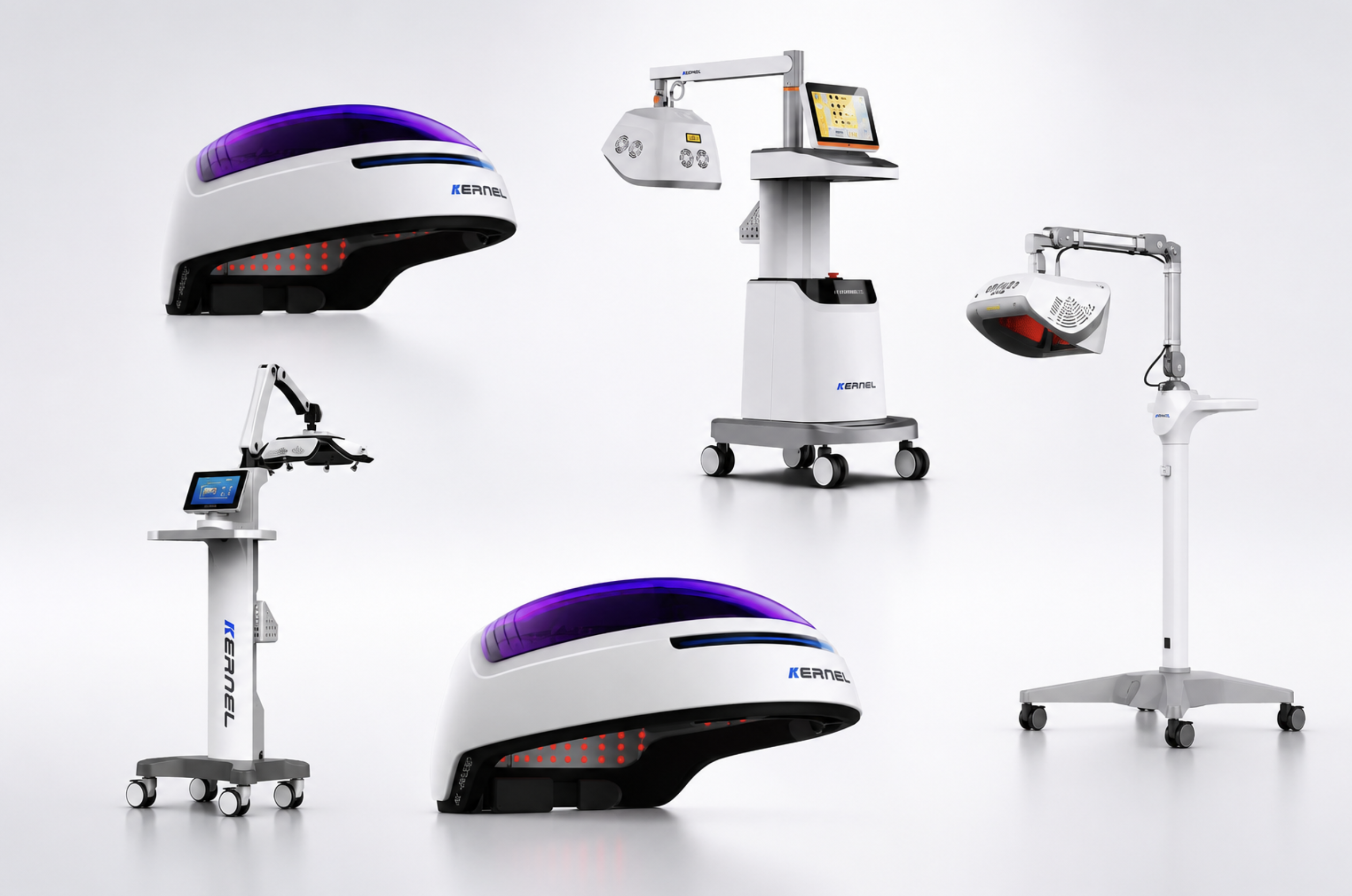
This guide is for readers who have decided to consider light therapy and want to compare the actual hardware. It explains how the technology works, what the clinical literature does and does not support, and how to identify the best red light for hair growth among the professional KERNEL/UVTREAT devices supplied by UVTreat. Whether you need the best hair growth laser device for a clinic or the best laser for hair growth to use at home as a hair restoration device, the right model depends on matching the hardware to your needs. If you are still weighing whether the approach is right for you, our companion article Does Red Light Therapy Work for Hair Loss? covers that question in more depth.
People tend to treat “red light therapy,” “low-level laser therapy” (LLLT), and “photobiomodulation” (PBM) as separate things. They are not. All three name one process – cells stimulated, without heat, by specific wavelengths of red or near-infrared light. The word “laser” stuck for a historical reason: lasers were simply the light source on hand when this research began in the 1960s (4). Grasping that makes the rest of the comparison easier to follow, and it underpins our overview ofLLLT laser therapy hair loss.
How Red Light Therapy Actually Works on Hair Follicles
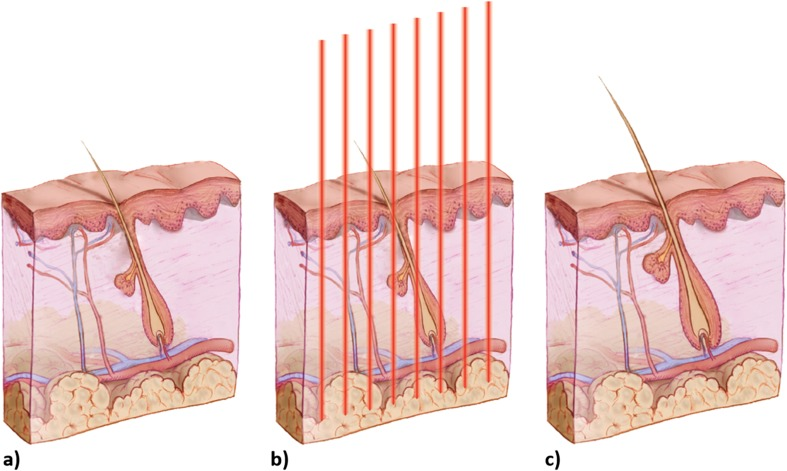
The effect comes neither from heat nor from the laser itself, but from photons of a particular wavelength absorbed inside the cell. The primary chromophore is cytochrome c oxidase, the fourth complex of the mitochondrial respiratory chain (2). Red and near-infrared light is thought to knock inhibitory nitric oxide off the active site of this enzyme. Electron transport resumes, and the cell produces more ATP (2, 3). Next comes a short burst of reactive oxygen species and a rise in nitric oxide, which set off further signaling – the Wnt/β-catenin pathway, the release of growth factors, and wider local blood vessels (2).
In a hair follicle this has a specific consequence. Each follicle moves through three stages: growth (anagen), transition (catagen), and rest (telogen). What photobiomodulation seems to do is nudge resting follicles back into the growth stage and hold them there longer. Over a treatment course, that is what lets thinning hair fill back in (2).
Everything comes down to two numbers: wavelength and dose. The wavelengths that work for hair fall inside tissue’s optical window, so the light travels into the scalp instead of stopping at the surface. Red light near 650 to 660 nm is the best studied and the most common in cleared devices; near-infrared at 808 to 830 nm reaches deeper (4). Dose behaves less intuitively, following a biphasic, or Arndt-Schulz, curve: too little achieves nothing, the right amount stimulates the follicle, and too much can shut down the same response (2, 5). That is the reason serious devices fix a session length and frequency, and why a larger power figure does not automatically translate into a better result.
Laser or LED: Does It Make a Difference?
No question generates more marketing noise, and the evidence sits between the two camps. A laser diode emits coherent, collimated light at a single wavelength; an LED emits non-coherent light across a slightly wider band. For years coherence was assumed essential. Heiskanen and Hamblin, in a much-cited review, reach a clear verdict: by the time light arrives at the follicle, coherence no longer matters, because tissue scatters the beam and erases the coherent wavefront inside the first millimetre or so (4). The outcome turns on the wavelength delivered and the dose absorbed – laser or LED makes little practical difference (4).
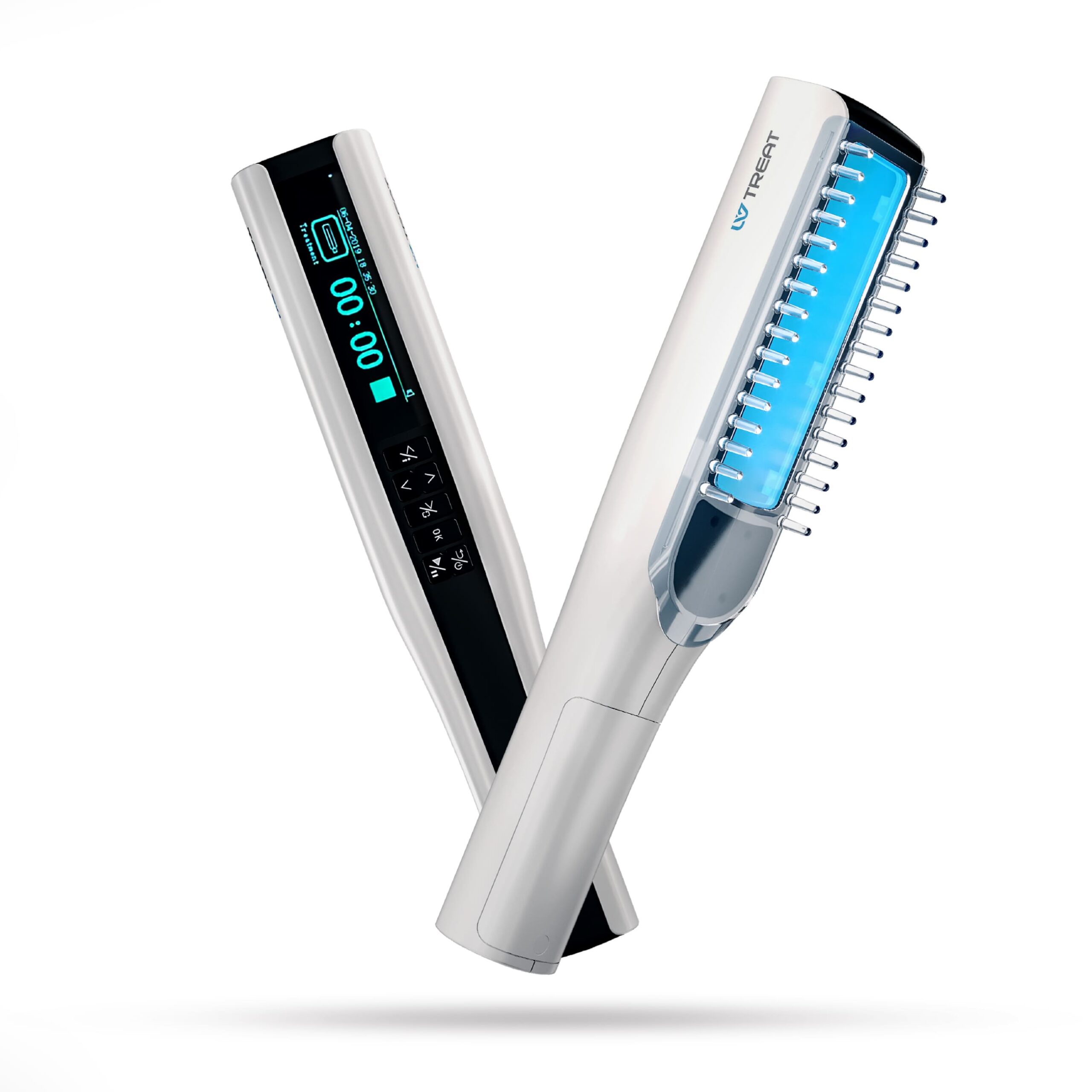
They are still not identical in practice. A laser diode holds a tight, precise wavelength and packs power into a small spot, which is why clinical systems and most cleared caps rely on lasers. LEDs trade that for cheaper, wider coverage, and they carry no laser-safety classification. Both work when correctly dosed. The honest framing, used throughout ourlaser therapy devices catalogue, is that source technology is a design trade-off, not a verdict on effectiveness.
What the Clinical Evidence Supports
Red light therapy is not a cure for baldness, and any vendor who tells you otherwise is overselling. What the randomized literature does support is a measurable increase in hair density for androgenetic alopecia, the most common form of pattern hair loss.
A meta-analysis of eleven double-blind randomized controlled trials reported a standardized mean difference (SMD) in hair density of 1.316 favoring LLLT over sham, in both sexes and across comb and helmet formats (7). A separate meta-analysis of fifteen studies (795 patients) found an SMD of 1.02 (8), and a third review limited to home-use devices cleared in the United States reported an SMD of 1.27, noting that only 32 such devices had been cleared as of January 2020 (9).
The foundational trials are worth knowing. A 2013 sham-controlled study of men using a 655 nm device showed roughly a 35 percent increase in hair count over sixteen weeks (10), and a companion 2014 trial in women at the same wavelength reported about 37 percent (11). A real-world analysis of 1,383 patients using a cleared laser helmet found clinical effectiveness in close to 80 percent of users, with most benefit appearing after several months of consistent use (12).
Evidence quality varies sharply by condition. Photobiomodulation is best supported for androgenetic alopecia. For telogen effluvium the evidence is limited, and a 2024 systematic review found little measurable benefit there, while noting that light therapy works as a useful additive treatment for certain scarring alopecias such as lichen planopilaris (13, 14). For alopecia areata the data are early and mixed. Results are not guaranteed for anyone and depend on the type of hair loss, follicle health, consistency of use, and individual factors no device can override.
Light therapy is also better positioned as part of a regimen than as a standalone replacement for established drugs. On its own, topical minoxidil regrows hair in roughly 30 to 40 percent of users (15). Network meta-analyses point the same way: pairing treatments beats any single one, and several trials show minoxidil plus LLLT adding more density than either does alone (16). The gains hold only while treatment continues – across 48 weeks, a twelve-month study of a home laser helmet kept recording improvement in both density and shaft thickness (20).
How We Selected the Best Hair Growth Devices
The KERNEL/UVTREAT devices here were compared on the criteria that determine outcomes and fit, not on marketing claims.
Technology and wavelength. Every model is built on medical-grade laser diodes at the clinically studied 650 nm red wavelength, with two wearable models adding 655 nm LED emitters (21), keeping the hardware aligned with the wavelength range the trials actually tested.
Treatment coverage. Larger, denser emitter arrays cover more scalp per session and reduce the “dead spots” that undermine uniform dosing. Coverage is the single biggest difference between the clinical machines and the wearable helmets.
Intended user and setting. A device built for a clinic answers to different requirements than one built for unattended home use, so we separate the two clearly.
Ease of use, application, and value. The biphasic dose response pays off only with regular, well-timed sessions, so a device comfortable enough to use as directed will usually beat a stronger one that ends up in a drawer. Each model is also weighed against its realistic use case and cost: the right choice for a busy clinic is rarely the right choice for a single patient at home.
One criterion deserves direct comment: regulatory status. In the United States, these products carry FDA clearance. Clearance runs through the 510(k) route, which asks a maker to show its device is substantially equivalent to one already on the market. The HairMax LaserComb opened that door for hair-growth light devices in January 2007 (17); by the middle of 2018, 47 LLLT devices had followed it through (18). Clearance is not limited to laser hardware: the LED-based REVIAN system, for instance, was cleared on non-clinical equivalence (19). KERNEL’s wearable helmets – the KN-8000B, C, D, and E – hold FDA 510(k) clearance as Class II devices (product code OAP) for promoting hair growth (21, 22), which puts these home-use caps in the same regulated bracket as the names above. Shoppers usually type “FDA approved red light therapy cap” into a search bar; the accurate wording is FDA cleared, because these caps go through 510(k) rather than the approval route used for drugs. Either way, a clinic or buyer should confirm that the exact model they want is the one the clearance covers.
Best Professional Red Light Therapy Devices for Hair Growth
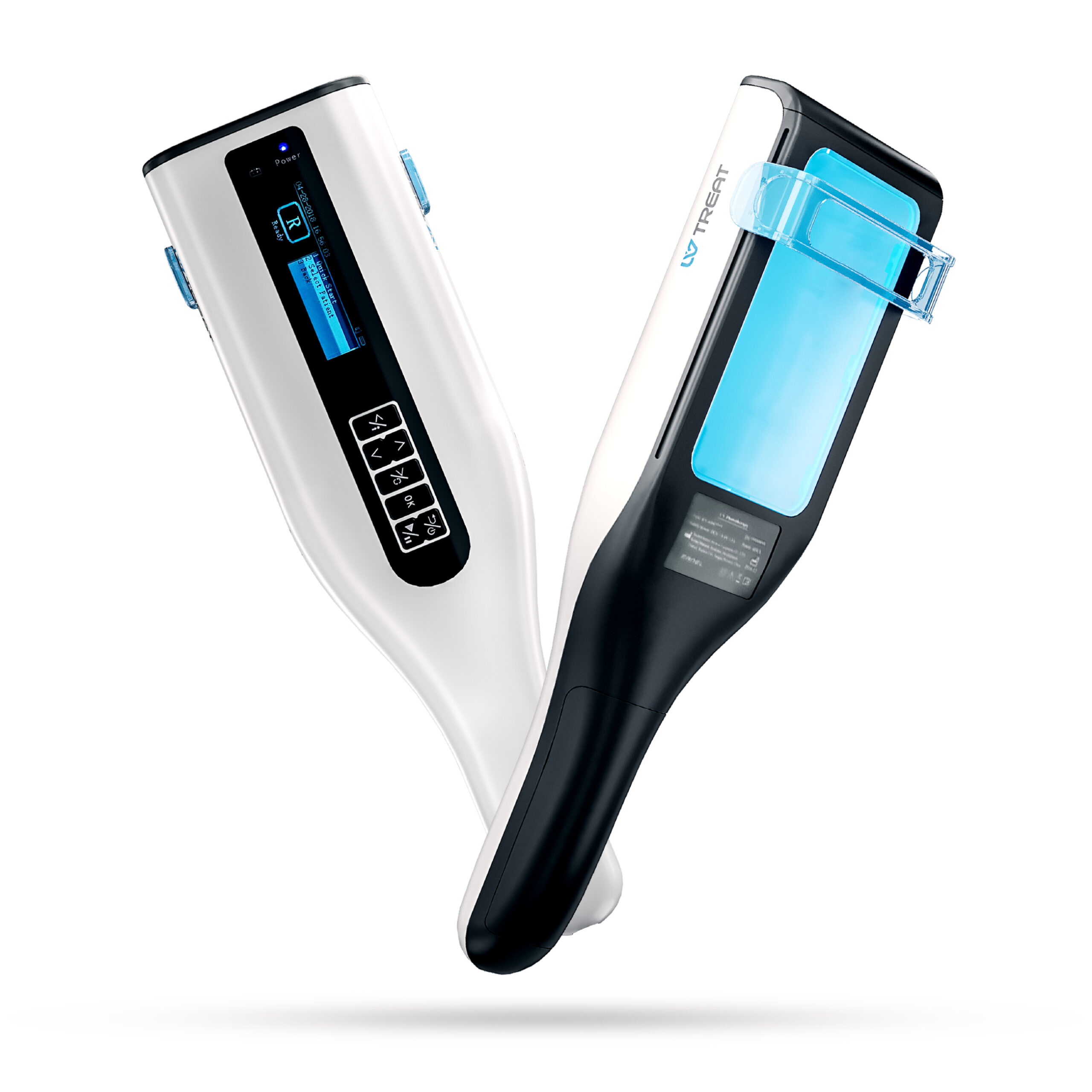
KERNEL/UVTREAT manufactures a tiered range, from clinical trolley systems to wearable helmets; the specifications below are as reported by the manufacturer (21). Each model targets a different mix of coverage, setting, and convenience, so the best hair growth light therapy for one person is not always the best low level light therapy for hair loss for another. The “best” device depends on who is using it and where.
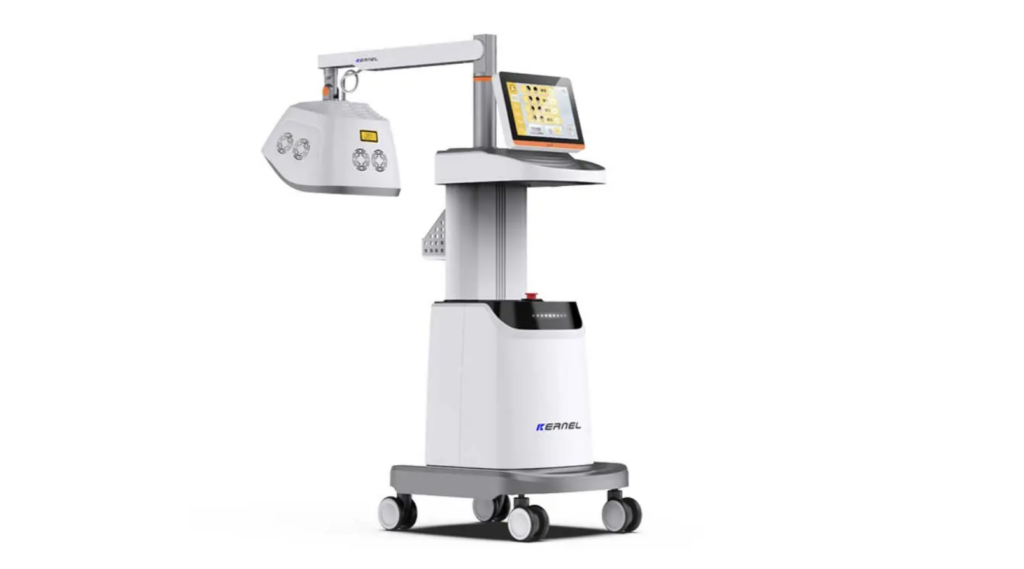
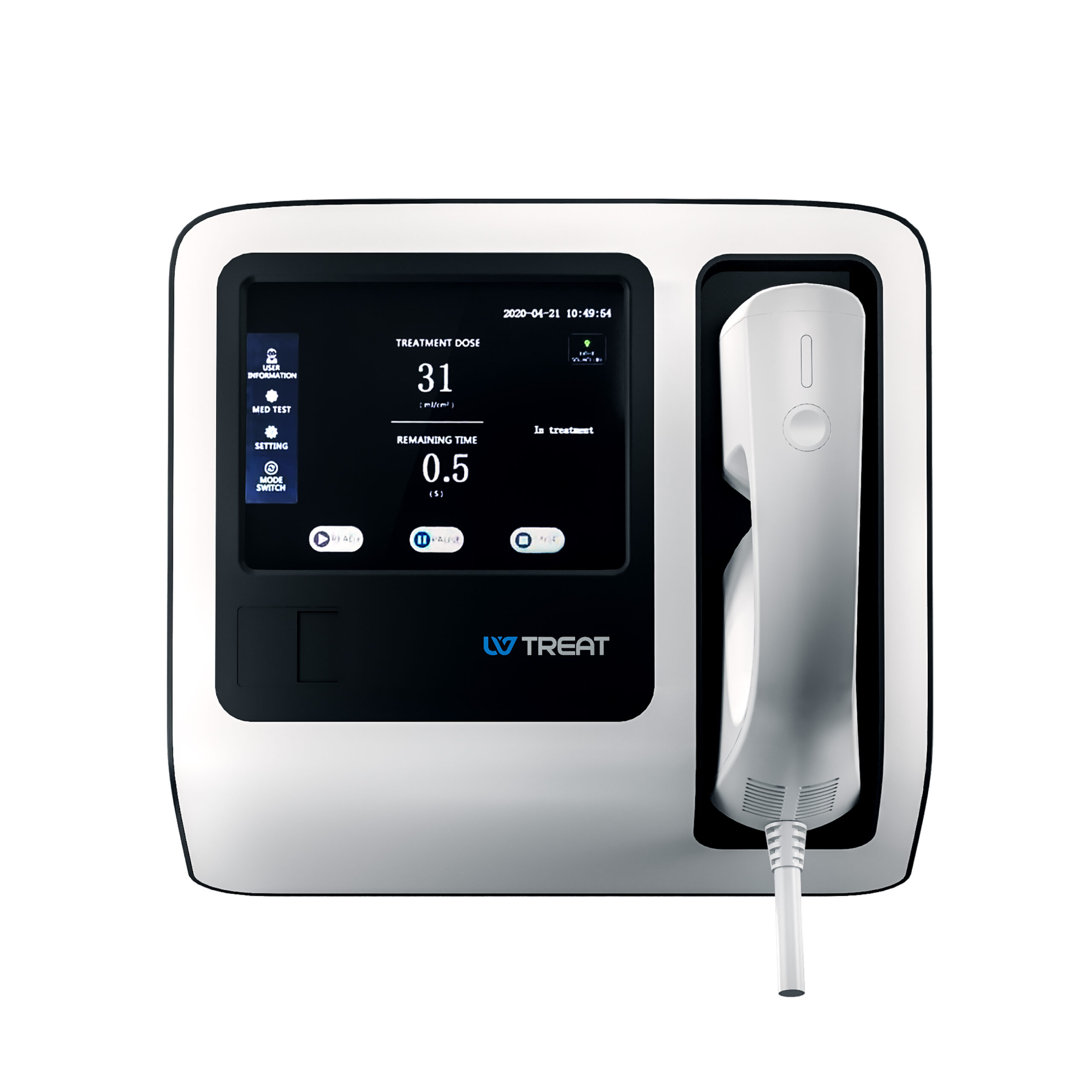
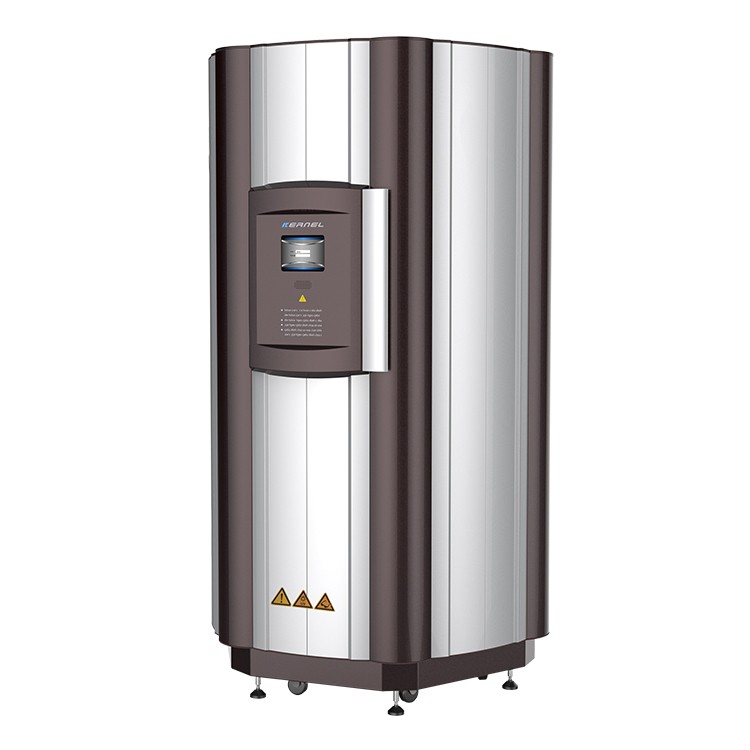
The KN-8000A2 is a clinical trolley system carrying 300 medical-grade 650 nm laser diodes across a treatment area of about 900 cm², controlled through a large 12.1-inch LCD touchscreen (21). It is intended for supervised use in a dermatology or trichology practice, where a clinician positions the unit over a seated patient for a controlled, repeatable session. The sizeable onboard touchscreen makes protocols easy to manage, which suits practices treating hair loss as a recurring, protocol-driven service.
The KN-8000A1 shares the A2’s 300 medical-grade 650 nm laser diodes and roughly 900 cm² of coverage in the same mobile trolley format, but without the large onboard touchscreen (21). It is the more streamlined clinical option for practices that want full A-series coverage and clinical-grade laser hardware at a lower entry point. Treatment is hands-free for the patient while the clinician manages timing and positioning.
The KN-8000A is the highest-capacity clinical machine in the range: 424 medical-grade 650 nm laser diodes covering an effective irradiation area of about 935 cm², run through an eight-inch color touch LCD on an adjustable cantilever arm (21). The dense array and wide coverage suit clinics that need to treat the full scalp efficiently and reproducibly, with consistent dosing across a broad field.
KERNEL/UVTREAT KN-8000C Laser Cap Hair Regrowth Therapy Helmet
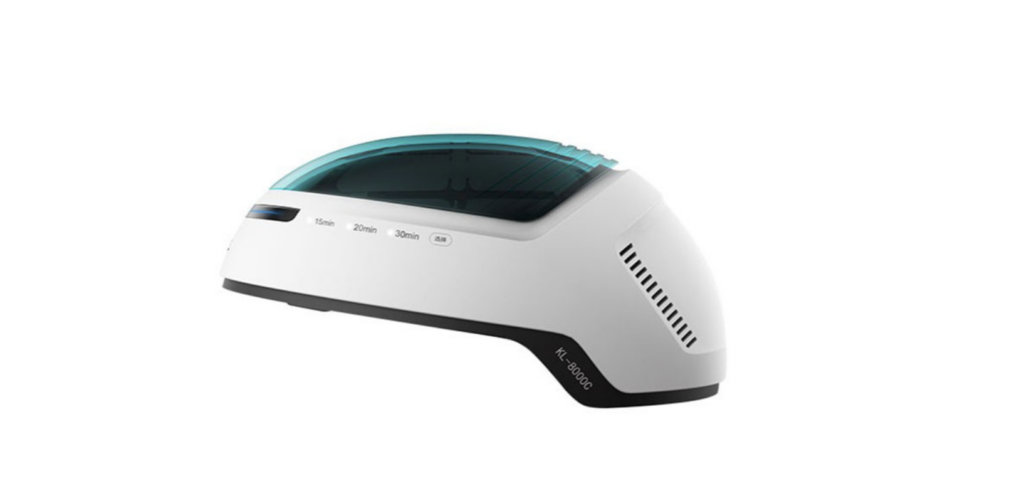
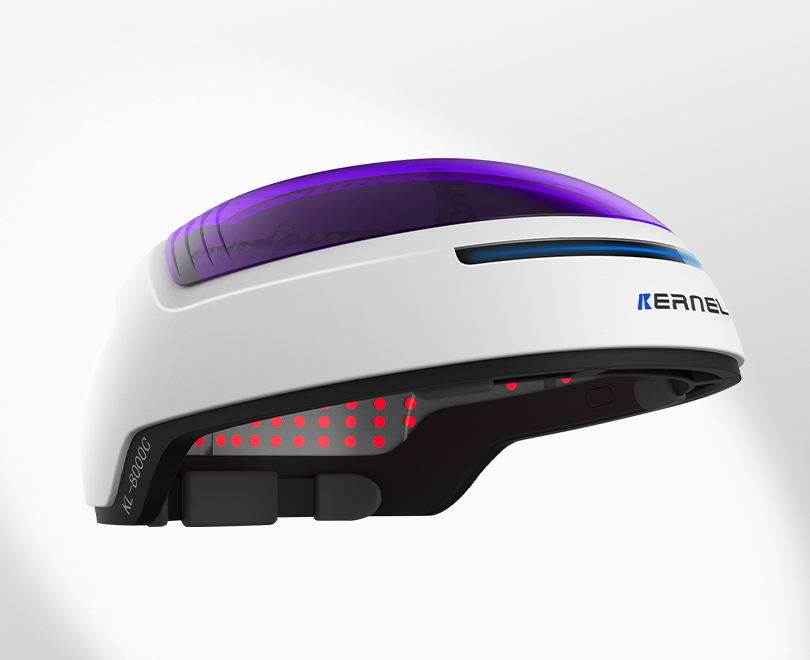
The KN-8000C is a wearable helmet that pairs 80 medical-grade laser diodes with 30 LED emitters over about 370 cm² (21). It treats hands-free, irradiates the scalp in zones, and carries onboard sensors – but its real advantage is that you can wear it while going about your day, which makes the steady, repeated use that the dose-response data reward far easier to sustain. It suits home users and clinic patients who want a portable, low-effort device that bridges professional and at-home treatment.
KERNEL/UVTREAT KN-8000B Low-Level Laser Therapy Hair Loss Helmet
The KN-8000B helmet runs 204 medical-grade laser diodes across roughly 370 cm², controlled over Bluetooth from an app (21). That diode count is the highest of any helmet in the range, so its scalp coverage is the densest of the wearables, and the app makes keeping each session on schedule straightforward. It fits home users and clinics wanting the most capable wearable that still needs no clinician to operate.
KERNEL/UVTREAT KN-8000D Low-Level Laser Therapy Hair Loss Helmet
The KN-8000D is a wearable LLLT helmet built around two light sources: 21 medical-grade semiconductor laser diodes at 650 nm (±10 nm) and 30 LEDs at 655 nm (±10 nm). Each laser puts out 5 mW (±10%) and each LED 3.5 mW (±10%), spread over roughly 370 cm² (±10%) (21). Like the other helmets, it uses dot-matrix spot distribution, zoned irradiation for different degrees of hair loss, a soft silicone distance guide, and continuous or pulsed modes. With the balance tipped toward LEDs, it works as a lighter, more affordable way into combined laser-and-LED treatment at home (22).
KERNEL/UVTREAT KN-8000E Low-Level Laser Therapy Hair Loss Helmet
The KN-8000E is an all-laser LLLT helmet using 81 medical-grade semiconductor laser diodes at 650 nm (±10 nm), each with an output of 5 mW (±10%), across roughly 370 cm² (±10%) of coverage (21). It shares the range’s dot-matrix distribution, zoned irradiation, silicone positioning guide, and continuous or pulsed modes, but without an LED component. If you would rather have a single-wavelength laser helmet without LEDs, the E covers the whole scalp in a compact unit you run yourself (22). Its indications are seborrheic alopecia and alopecia areata.
Which Hair Growth Device Is Right for You?
Clinic versus home. Running a dermatology or trichology practice points you toward the clinical machines – KN-8000A2, KN-8000A1, KN-8000A – made for wide coverage and supervised, repeatable sessions. Treating your own hair at home points the other way, to a wearable helmet: KN-8000B, C, D, or E.
Coverage area. The clinical trolley machines deliver the widest fields, which matters for diffuse thinning. All four helmets cover about 370 cm²; what separates them is the emitter mix. The KN-8000B holds the most laser diodes, the KN-8000C and KN-8000D blend laser with LED, and the KN-8000E runs lasers alone.
Consistency and convenience. Results depend on regular sessions over months, so assess what you will actually use. A wearable can be worn while doing something else; a patient who struggles to attend clinic appointments may do better at home, even if a machine offers more coverage on paper.
Budget and goals. A clinical system is a capital purchase that earns its cost back over many patients; a wearable is built for a single user. Match the price and the form to how the device will actually be used. When the right fit is not obvious,contact UVTreat for guidance suited to your setting and goals.
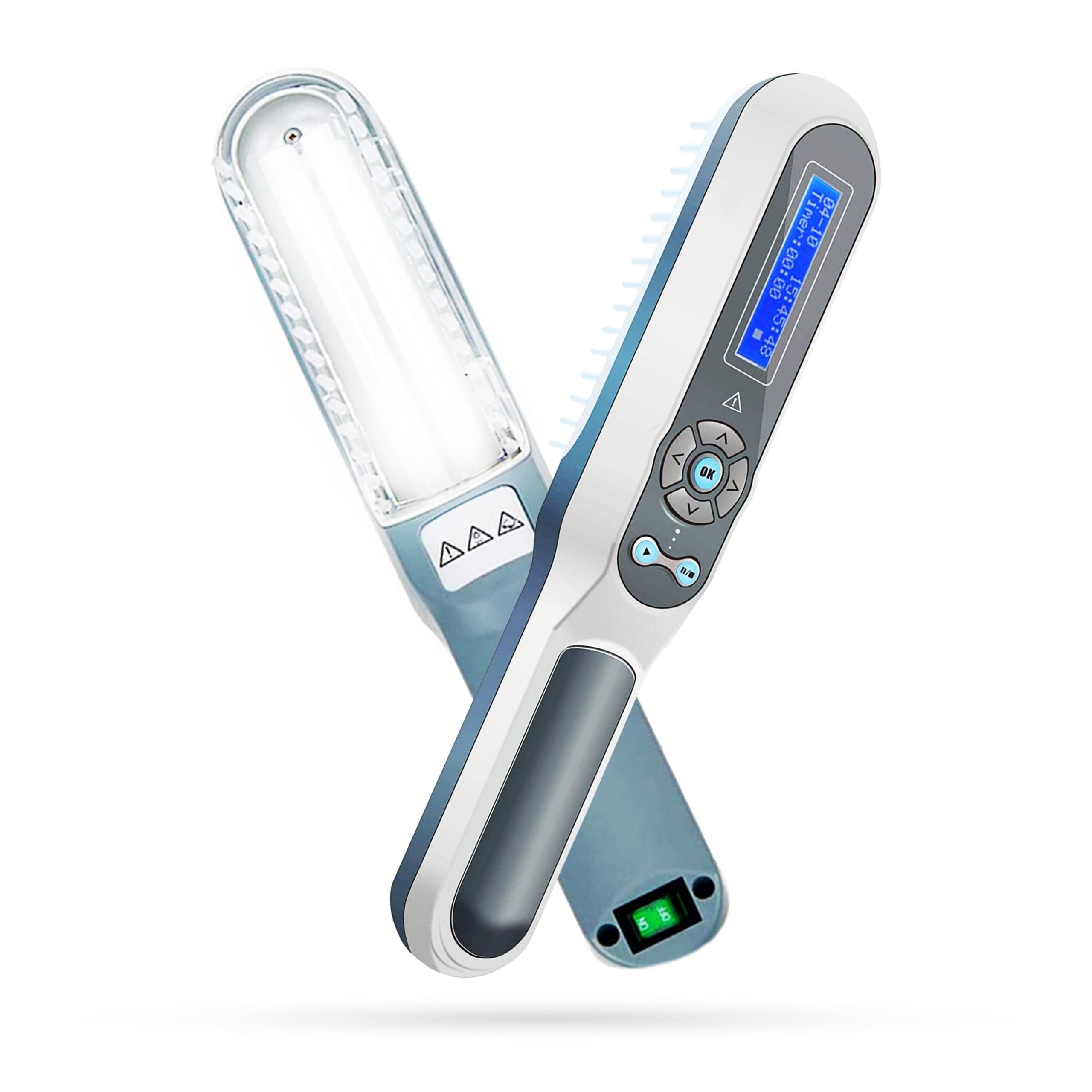
It is worth distinguishing this category from medical phototherapy more broadly. Red light therapy for hair uses non-thermal red and near-infrared light, unlike a clinicalUVB light source used for psoriasis or vitiligo. Both belong to the family of professional phototherapy devices but are not interchangeable. Reimbursement differs too: medical phototherapy carries specific billing codes, explained in our reference onCPT code phototherapy, whereas LLLT for cosmetic hair growth generally falls outside it.
Comparison of KERNEL/UVTREAT Hair Growth Therapy Devices
Specifications as reported by the manufacturer’s product comparison (21). All clinical machines are mobile trolley units at 650 nm; all helmets share roughly 370 cm² of whole-scalp coverage and differ mainly in emitter type and count.
Choosing With Confidence
For androgenetic alopecia, red light therapy is a real, evidence-backed option – not a cure, but a non-invasive piece of a larger plan. Pattern hair loss is where the literature is strongest, the mechanism is understood, and the safety record is reassuring. Across the KERNEL/UVTREAT range, the models really differ on two things, setting and coverage: clinical machines for supervised treatment, wearable helmets and caps for steady use at home. Which one suits you comes down to your diagnosis, your goals, how advanced the loss is, and how the device fits your week. If the hair loss is persistent or severe, speak with a healthcare professional before you begin.
Hamblin MR. “Mechanisms and applications of the anti-inflammatory effects of photobiomodulation.” AIMS Biophysics. 2017;4(3):337–361. PMCID PMC5523874.
Hamblin MR. “Mechanisms and Mitochondrial Redox Signaling in Photobiomodulation.” Photochemistry and Photobiology. 2018;94(2):199–212. PMID 29164625.
Heiskanen V, Hamblin MR. “Photobiomodulation: lasers vs. light emitting diodes?” Photochemical & Photobiological Sciences. 2018;17(8):1003–1017. PMID 30044464.
Huang YY, Chen AC, Carroll JD, Hamblin MR. “Biphasic dose response in low level light therapy.” Dose-Response. 2009;7(4):358–383. PMID 20011653.
Karu T, Kalendo G, Letokhov V, et al. “Biostimulation of HeLa cells by low-intensity visible light.” Il Nuovo Cimento D. 1982;1(6):828–840.
Liu KH, Liu D, Chen YT, Chin SY. “Comparative effectiveness of low-level laser therapy for adult androgenic alopecia: a systematic review and meta-analysis of randomized controlled trials.” Lasers in Medical Science. 2019;34(6):1063–1069. PMID 30706177.
Gupta AK, Carviel JL. “Meta-analysis of photobiomodulation for the treatment of androgenetic alopecia.” Journal of Dermatological Treatment. 2021;32(6):643–647. PMID 31746251.
Lueangarun S, Visutjindaporn P, Parcharoen Y, Jamparuang P, Tempark T. “A Systematic Review and Meta-analysis of Randomized Controlled Trials of United States Food and Drug Administration-Approved, Home-use, Low-Level Light/Laser Therapy Devices for Pattern Hair Loss: Device Design and Technology.” Journal of Clinical and Aesthetic Dermatology. 2021;14(11):E64–E75. PMID 34980962.
Lanzafame RJ, Blanche RR, Bodian AB, Chiacchierini RP, Fernandez-Obregon A, Kazmirek ER. “The growth of human scalp hair mediated by visible red light laser and LED sources in males.” Lasers in Surgery and Medicine. 2013;45(8):487–495. PMID 24078483.
Lanzafame RJ, Blanche RR, Chiacchierini RP, Kazmirek ER, Sklar JA. “The growth of human scalp hair in females using visible red light laser and LED sources.” Lasers in Surgery and Medicine. 2014;46(8):601–607. PMID 25124964.
Qiu J, Yi Y, Jiang L, Miao Y, Jia J, Zou J, Hu Z. “Efficacy assessment for low-level laser therapy in the treatment of androgenetic alopecia: a real-world study on 1383 patients.” Lasers in Medical Science. 2022;37(6):2589–2594. PMID 35133519.
Perez SM, Vattigunta M, Kelly C, Eber A. “Low-Level Laser and LED Therapy in Alopecia: A Systematic Review and Meta-Analysis.” Dermatologic Surgery. 2025;51(2):179–183.
Jafari MA, Bazgir G, Hosseini-Baharanchi FS, Jafarzadeh A, Goodarzi A. “Efficacy and Safety of Laser Therapy and Phototherapy in Cicatricial and Non-Cicatricial Alopecia: A Systematic Review Study.” Health Science Reports. 2024;7(11):e70180. PMCID PMC11534645.
Topical 5% minoxidil clinical efficacy data: approximately 30–40% of patients regrow hair in clinical trials (corroborating clinical literature, PMCID PMC10626207; and McCoy J, Goren A, et al. Dermatologic Therapy. 2016;29(4):1153–1155, PMID 28078868, for female pattern hair loss).
Xia Y, Chen H, Chen Y, Chen Z. “Relative efficacy of minoxidil in combination with other treatments for androgenic alopecia: a network meta-analysis based on randomized controlled trials.” Frontiers in Medicine. 2025;12:1638496. PMCID PMC12483851.
U.S. Food and Drug Administration. 510(k) Premarket Notification K060305, HairMax LaserComb, Lexington International LLC, cleared January 18, 2007. Product code OAP, 21 CFR 890.5500. Available at:https://www.accessdata.fda.gov/cdrh_docs/pdf6/k060305.pdf
Wang S, et al. “Shedding light on the FDA’s 510(k) approvals process: low-level laser therapy devices used in the treatment of androgenetic alopecia.” Journal of Dermatological Treatment. 2019;30(5):489–491. PMID 30252550. (47 devices cleared between 2000 and July 2018.)
Shin JW, Paik K, Na JI, Lew BL, Huh CH. “Long-Term Efficacy and Safety of Low-Level Laser Therapy for Androgenetic Alopecia: A 12-Month Prospective Trial.” Dermatologic Therapy. 2026; article ID 6621458. DOI 10.1155/dth/6621458.
KERNEL Medical Equipment Co., Ltd., manufacturer product specifications and comparison table for the KN-8000 hair growth range (KN-8000A, A1, A2, B, C, D, E), kernelmedint.com; and UVTreat product pages, uvtreat.com. KERNEL’s hair growth system is listed as FDA 510(k) cleared (Class II; product code OAP, 21 CFR 890.5500) in the FDA 510(k) database.
KERNEL Medical Equipment Co., Ltd., company announcement, “LLLT diode laser hair regrowth helmet got FDA clearance” (stating the hair growth system clearance covers models KN-8000B, KN-8000C, KN-8000D, and KN-8000E), kernelmedint.com.
FAQ
There is no single best device for everyone. The strongest evidence supports red light around 650 to 660 nm for androgenetic alopecia, used consistently over several months (7, 9). The best device is the one matched to your setting that you will use as directed: a high-coverage clinical machine for a practice, or a comfortable wearable helmet at home.
The best laser for hair growth - and the best laser hair regrowth treatment more broadly - puts a clinically studied wavelength, at a sensible dose, across the whole area that needs it. Clinics get wide, even coverage from large laser-diode arrays such as the KERNEL/UVTREAT KN-8000A; at home, a helmet like the KN-8000B gives the densest wearable coverage you can run yourself. In the end, the best hair loss laser treatment is the one that suits your diagnosis and that you keep using (21).
An effective laser cap comes down to three things: a clinically relevant wavelength, enough coverage, and the comfort to keep you wearing it. The KERNEL/UVTREAT KN-8000C delivers this with 80 laser diodes and 30 LED emitters in a portable, hands-free shell, which makes the steady schedule that results hinge on much easier to hold (21).
Neither wins outright; they answer different priorities. The best hair laser helmet usually packs more emitters and covers the whole scalp more fully, whereas a cap is built for compactness. Since the result rides on wavelength and dose rather than the shape of the shell (4), pick the format you will keep using for the coverage you need.
Trials typically last sixteen to twenty-four weeks, and field data place most of the benefit around the several-month mark with steady use (10, 11, 12). The effect fades without continued treatment, and it shifts with the type and severity of the hair loss. No device produces overnight regrowth.
The wearables - the KN-8000C cap and the KN-8000B helmet - are made for self-administered use at home (21). The clinical machines are intended for supervised use in a practice. If the hair loss is severe or progressing quickly, see a dermatologist before starting any home treatment.
Low-level laser therapy has held up well on safety. Reported side effects stay minor and short-lived - some scalp itching, or a little extra shedding in the first weeks (7, 12). The one real precaution concerns the eyes: avoid looking directly into the emitters. As with any treatment, follow the manufacturer's instructions, and see a professional if the hair loss is persistent or severe.
To provide the best experiences, we use technologies like cookies to store and/or access device information. Consenting to these technologies will allow us to process data such as browsing behavior or unique IDs on this site. Not consenting or withdrawing consent, may adversely affect certain features and functions.
Functional Always active
The technical storage or access is strictly necessary for the legitimate purpose of enabling the use of a specific service explicitly requested by the subscriber or user, or for the sole purpose of carrying out the transmission of a communication over an electronic communications network.
Preferences
The technical storage or access is necessary for the legitimate purpose of storing preferences that are not requested by the subscriber or user.
Statistics
The technical storage or access that is used exclusively for statistical purposes.The technical storage or access that is used exclusively for anonymous statistical purposes. Without a subpoena, voluntary compliance on the part of your Internet Service Provider, or additional records from a third party, information stored or retrieved for this purpose alone cannot usually be used to identify you.
Marketing
The technical storage or access is required to create user profiles to send advertising, or to track the user on a website or across several websites for similar marketing purposes.