Hair loss is one of the most common concerns I see in clinical practice, and it affects far more people than most patients assume. In the United States alone, androgenetic alopecia affects an estimated 50 million men and 30 million women (1). More than half of men over age 50 show some degree of hair loss, and in women the problem becomes most apparent after menopause (1). The standard drugs work, but they have to be taken indefinitely and not everyone tolerates them, so questions about non-invasive options come up constantly. Red light therapy for hair loss is the one patients ask about most, and it also happens to be among the better-studied light-based approaches. Below I cover what it is, the proposed mechanism, what the trials actually found, which patients respond, and how it holds up against other treatments.

Published on July 06, 2026
Does Red Light Therapy Work for Hair Loss?
What Is Red Light Therapy for Hair Loss?
Red light therapy belongs to a category called photobiomodulation. The same treatment travels under other labels too: low-level laser therapy, or low-level light therapy, shortened to LLLT (2). Whatever the name, the principle holds steady. Red light, and at times near-infrared, lands on the scalp at a strength that never heats or harms the tissue (2). The wavelengths run from about 630 to 680 nanometres, and most units settle near 650 to 660 nm (16).
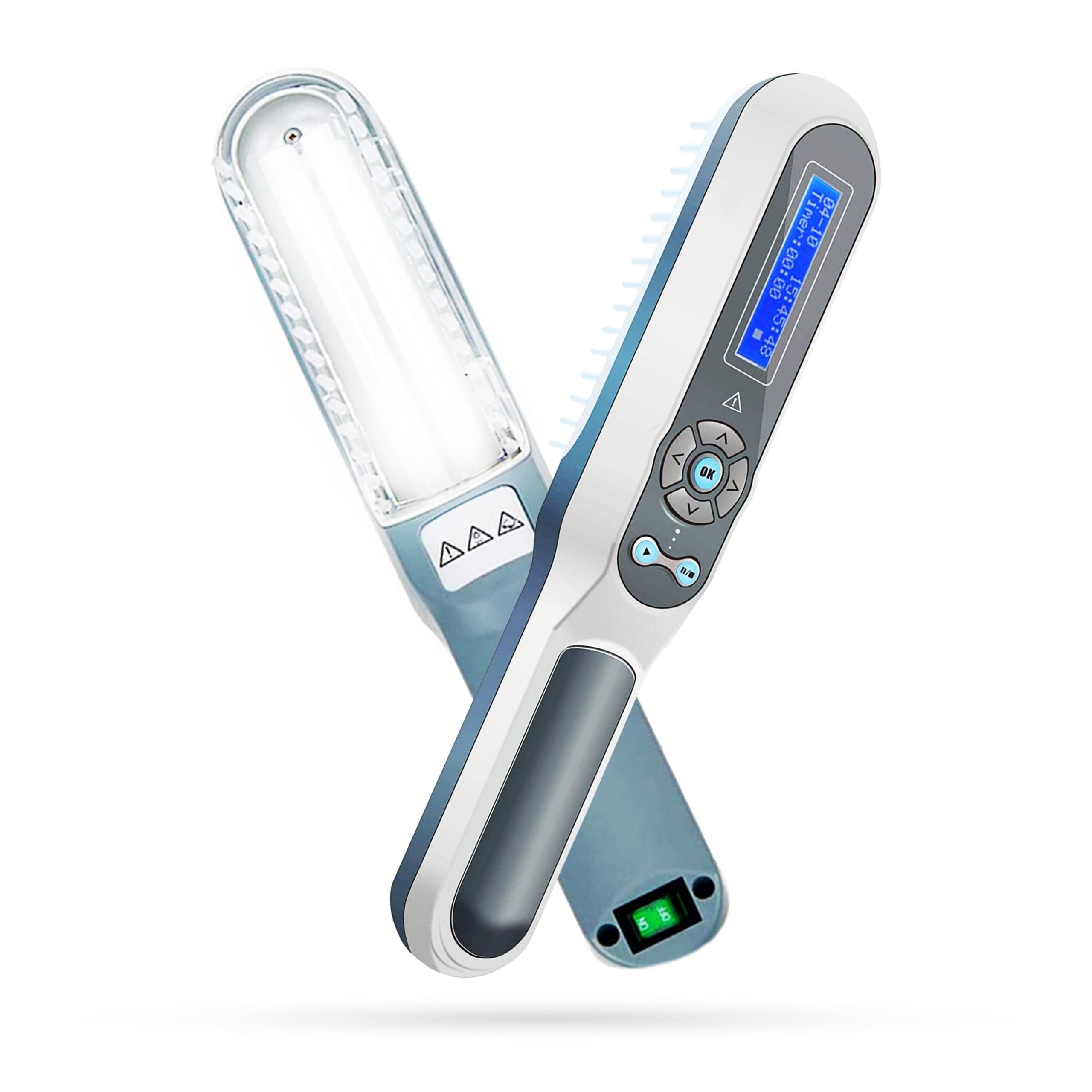
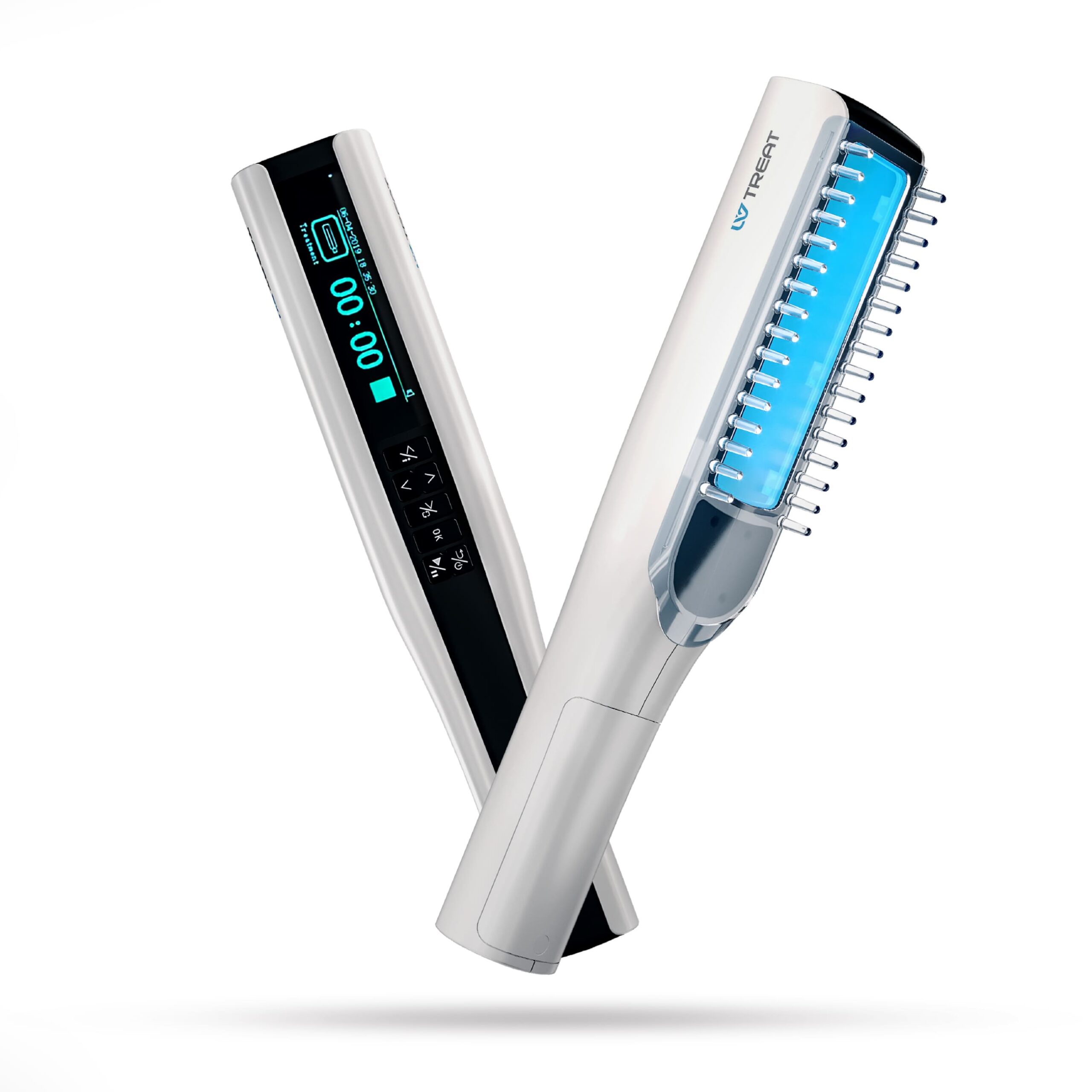
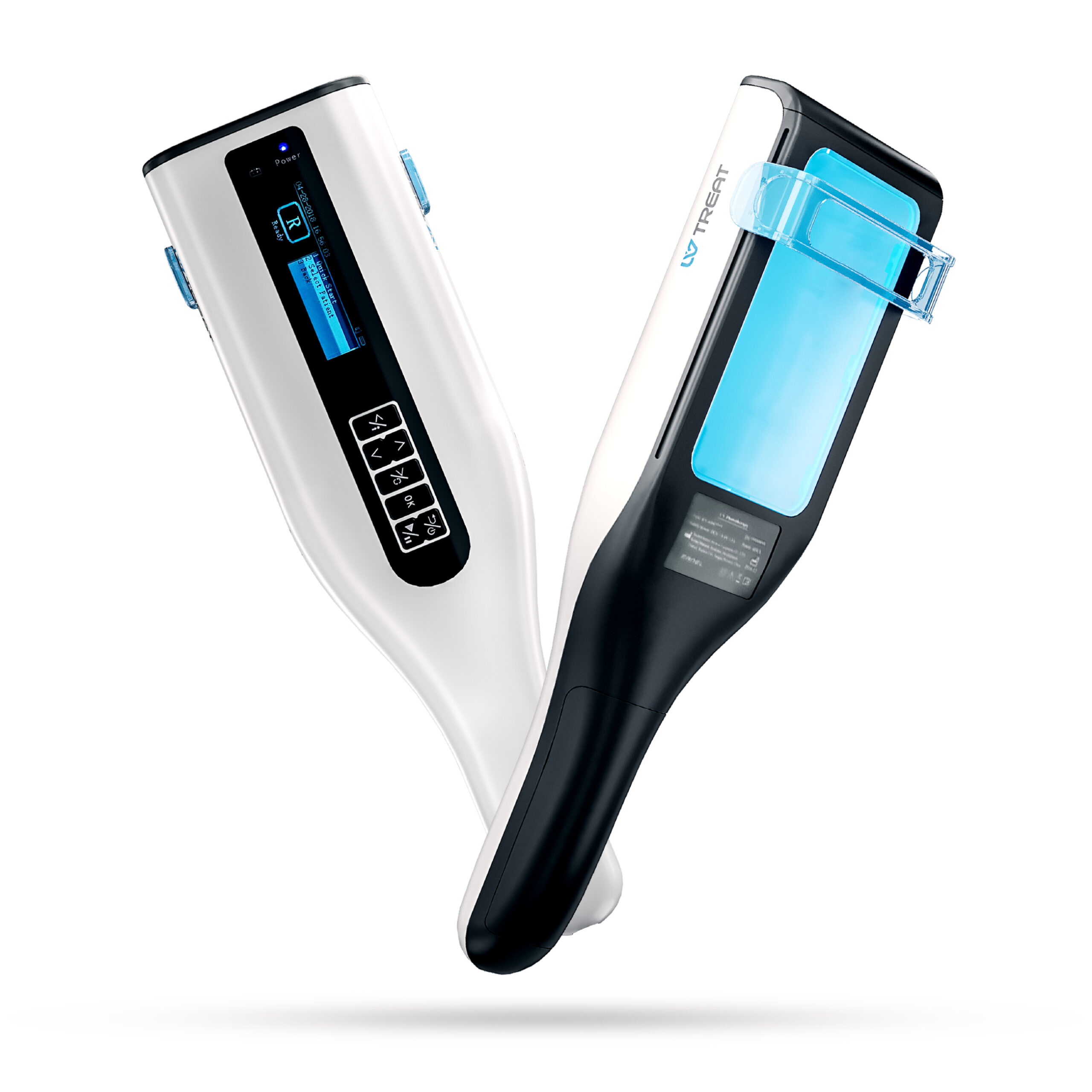
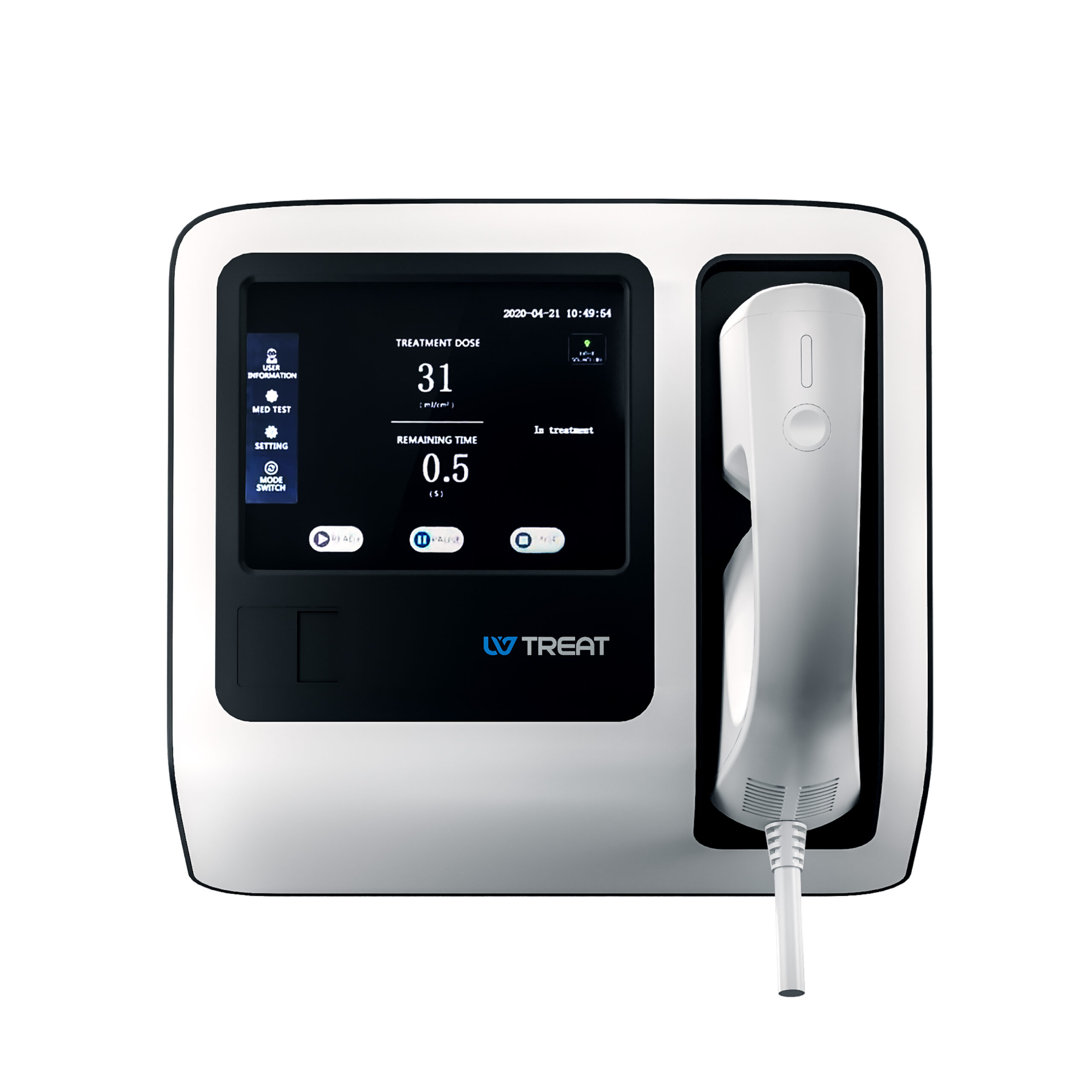
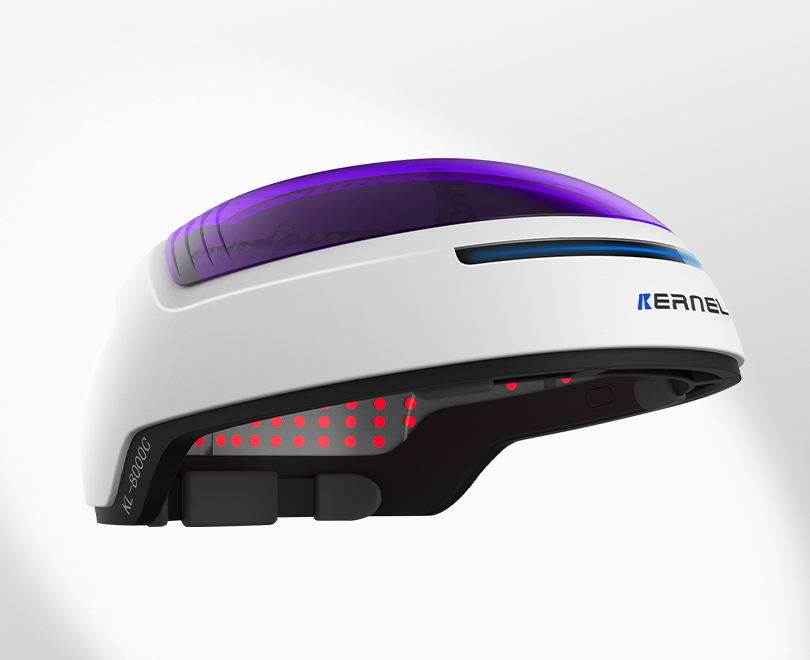
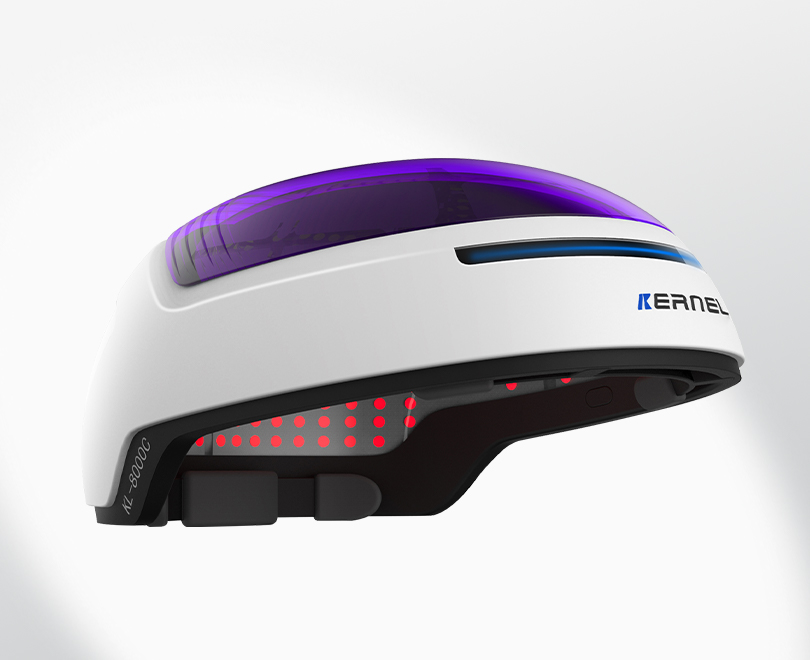
A point of frequent confusion is whether red light therapy and LLLT are the same thing. In practical terms they overlap heavily and share an identical mechanism, but they are not strictly identical. “LLLT” historically refers to coherent laser sources, while “red light therapy” is a broader term that also covers non-coherent LED light therapy devices (2)(13). Both sit under the scientific umbrella of photobiomodulation. The light therapy for baldness devices available today reflect this range: laser combs, helmets and caps, scalp bands, panels, and in-clinic units (16). Some use laser diodes, some use LEDs, and some combine the two.
If you are comparing models to find the best red light therapy for hair growth, wavelength and dose weigh more than whether the source is a laser or an LED, though, as I note further down, the laser-diode units still carry the strongest trial record. Our Red Light Therapy vs Infrared Therapy guide explains how wavelength affects results.
How Does Red Light Therapy Support Hair Growth?
Understanding how does red light therapy help hair growth means starting at the level of the cell. Cytochrome c oxidase, an enzyme in the mitochondrial respiratory chain, absorbs the red and near-infrared photons (3)(4). Once it does, electron transport picks up, the cell makes more ATP, and signalling through nitric oxide and reactive oxygen species is triggered (3). For a deeper look at the mechanism, read our LLLT for hair growth explainer.
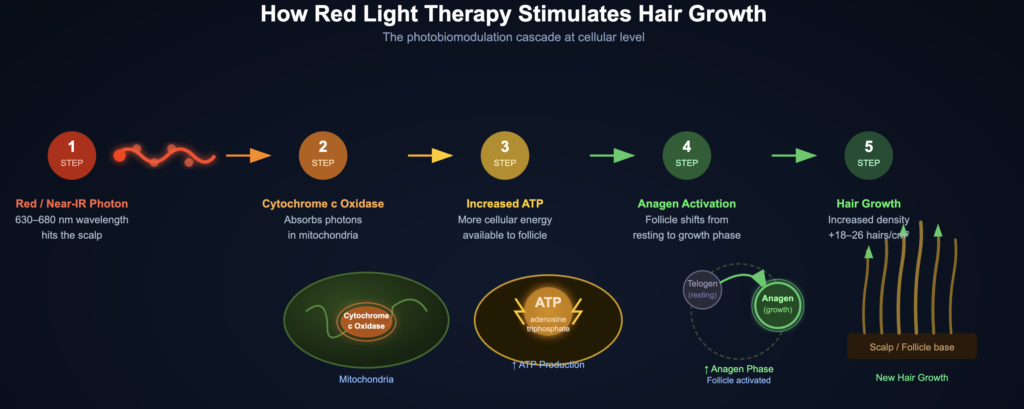
In the hair follicle, this added energy is thought to stimulate the follicle and shift it from the resting telogen phase into the active anagen growth phase, while also helping to extend that growth phase (16). Improved scalp blood flow has also been proposed as part of the effect, which speaks to what does red light therapy do for scalp tissue more broadly: it appears to support a healthier, more metabolically active follicular environment.In short, the case for red light for hair growth rests on giving struggling follicles more energy to work with.
I want to be precise here about certainty. The role of cytochrome c oxidase as a light absorber is well established, as is the increase in mitochondrial ATP (3). What happens next in the follicle, the move from telogen into anagen included, rests on lab work and clinical observation but has not been fully confirmed inside living human follicles (16). Now and then a patient asks, does red light help hair growth through a feeling they are supposed to notice; not at all, the work is chemical and it happens slowly.
Does Red Light Therapy Really Work?
Here is the part patients care about most. Does red light therapy work for hair growth, and does red light therapy help with hair growth in numbers you can measure? The randomised controlled trials answer yes: the effects are real, they are modest, and they show up mainly in androgenetic alopecia.
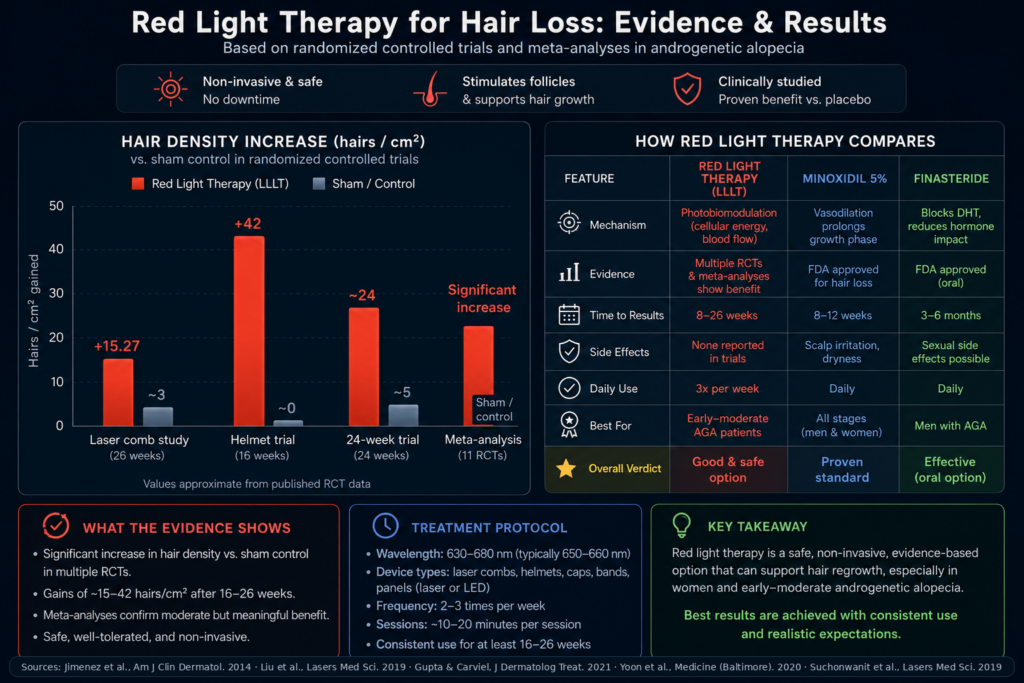
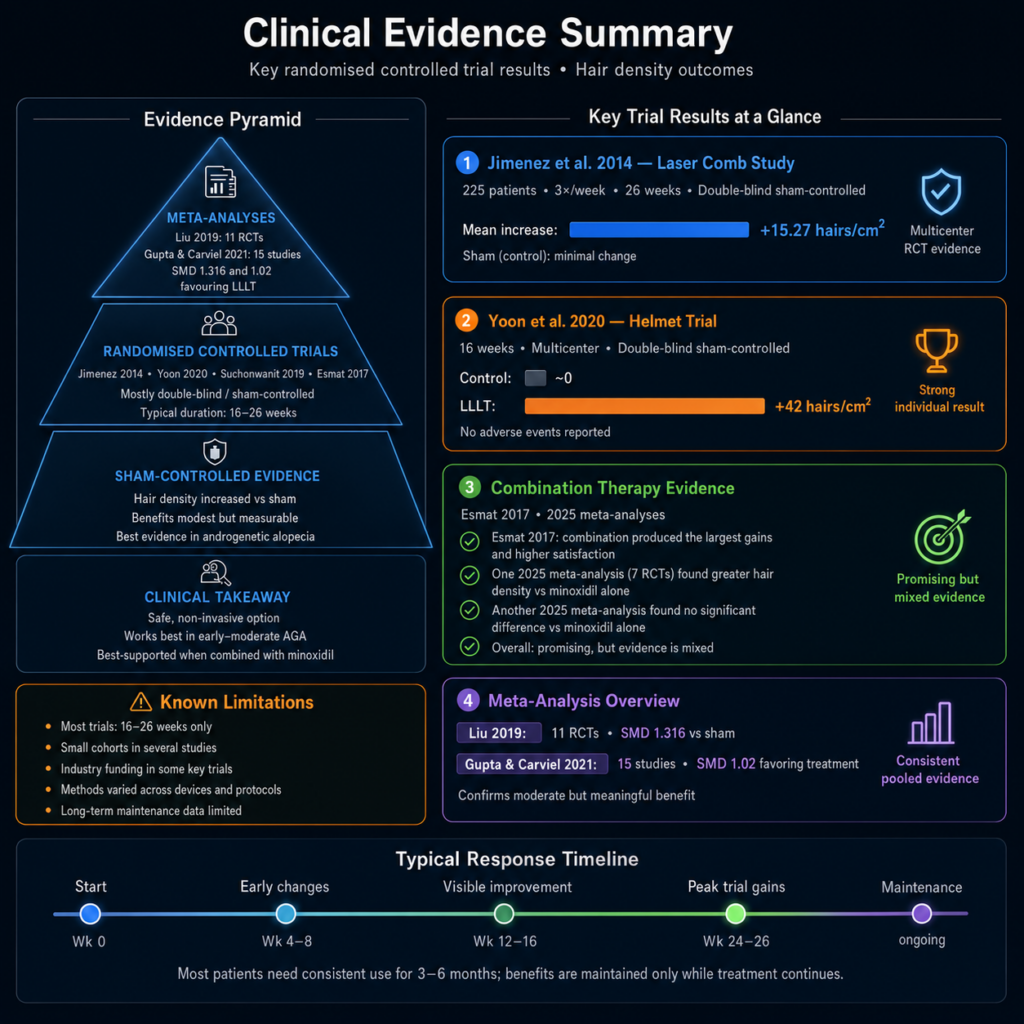
One of the strongest individual trials pooled four randomised, sham-controlled, double-blind studies in 122 women and 103 men using a red laser comb three times weekly for 26 weeks (5). Terminal hair counts rose by roughly 18 to 26 hairs per square centimetre in the treatment groups, compared with far smaller gains in the sham groups, and the differences were statistically significant (5).
Two meta-analyses reinforce this. Liu and colleagues pooled eleven double-blind randomised trials and reported a significant increase in hair density with LLLT versus sham, with a standardised mean difference of 1.316 (6). Gupta and Carviel, analysing fifteen studies and 795 patients, found a standardised mean difference of 1.02 favouring treatment (7). A 16-week helmet trial showed an increase of about 42 hairs per square centimetre in the treated group against almost no change in controls, with no adverse events recorded (9). A separate 24-week trial confirmed superiority over sham for both hair density and hair diameter (10).
Encouraging as these red light therapy hair growth numbers are, I never hand them over without the caveats. The trials run short, mostly 16 to 26 weeks, so long-term data barely exist. Cohorts are small, the devices and protocols are all over the place, and industry money sat behind several of the key studies (5)(6)(8). Independent specialists have also raised concerns about hair-counting methods (15). The honest conclusion is that red light hair regrowth is probable and modest in suitable patients, not guaranteed for everyone.
Who Can Benefit from Red Light Therapy?
In my experience the patients most likely to respond are those with early to moderate pattern hair loss and follicles that are still active. This includes men with red light therapy male pattern baldness in the earlier Norwood stages and women with early Ludwig-stage thinning (8). For red light therapy for thinning hair where follicles are miniaturised but alive, there is a reasonable chance of improvement.
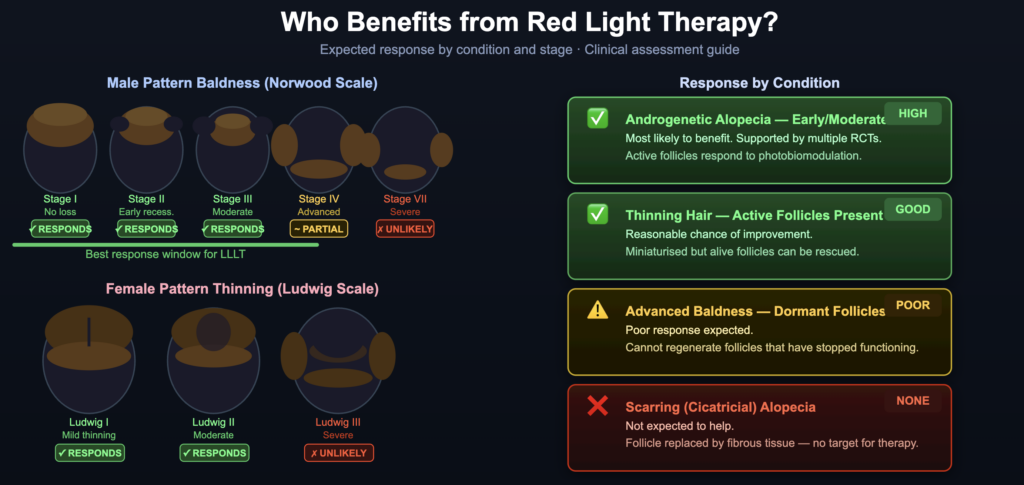
It is equally important to be clear about who is unlikely to benefit. The therapy cannot grow follicles that are not there, so a scalp that is fully bald, or where the follicles have already died, will not respond. The scarring alopecias are the clearest example, since fibrous tissue has taken the follicle’s place (16). Red light therapy for alopecia helps some forms and does nothing for others, which is exactly why I insist on a firm diagnosis before anyone starts.
Common Hair Loss Conditions and Expected Response to Red Light Therapy
| Condition | Expected response |
| Androgenetic alopecia, early to moderate | Most likely to benefit; supported by RCTs (5)(6)(7) |
| Thinning hair with active follicles | Reasonable chance of improvement (8) |
| Advanced baldness / dormant follicles | Poor response; cannot regrow lost follicles (16) |
| Scarring (cicatricial) alopecia | Not expected to help; follicle destroyed (16) |
Red Light Therapy vs Other Hair Loss Treatments
When patients weigh their options, I compare red light therapy with the established pharmacological treatments. Minoxidil is a topical agent indicated for hair loss; it acts in part by increasing scalp blood flow and prolonging the anagen growth phase. Finasteride is an oral treatment for men that lowers DHT. Both require continuous use to maintain any benefit, and a proportion of men taking finasteride report sexual side effects (16).
The relationship between red light therapy and minoxidil is worth special attention, because combination therapy is where the evidence is most favourable. A 2025 meta-analysis of seven randomised trials found that LLLT combined with topical minoxidil produced significantly greater hair density and patient satisfaction than minoxidil alone, with no increase in side effects (12). An earlier randomised trial in women with female pattern hair loss found that red light therapy alone gave results comparable to 5% minoxidil, while the combination produced the largest gains in follicle count and satisfaction (11).
This is why I often frame red light therapy benefits for hair loss in terms of partnership rather than replacement. Can red light therapy help hair growth on its own? Yes, modestly. But the data suggest it works best alongside proven treatments. Our Red Light Therapy Benefits guide covers this in more detail.
Red Light Therapy vs Minoxidil vs Combination Therapy
| Approach | Mechanism | Evidence | Notes |
| Red light therapy (LLLT) | Photobiomodulation via cytochrome c oxidase (3) | Multiple RCTs and meta-analyses (5)(6)(7) | Non-invasive; modest gains; maintenance needed |
| Minoxidil 5% | Vasodilation, prolonged anagen | FDA-approved; comparable to LLLT in one RCT (11) | Daily topical use required |
| Combination | Both mechanisms together | Superior to minoxidil alone (11)(12) | Best-supported strategy |
How to Use Red Light Therapy and What to Expect
Patients often ask how to use red light therapy for hair growth correctly. Across the trials, typical protocols involve sessions of roughly 8 to 25 minutes, about three times per week, used consistently over several months (5)(9). A hair growing light device only works if it is used as directed and given enough time. Our Red Light Therapy Treatment Guide covers device selection and routine in detail, and patients choosing equipment may find our Best Red Light Therapy for Hair Growth comparison useful.
Most FDA-cleared home devices are laser-diode based (16). It is worth clarifying that “FDA-cleared” confirms safety and substantial equivalence; it is not the same as drug approval and does not guarantee an individual outcome (16). One practical consequence patients should plan for: because these are FDA-cleared devices rather than approved drugs, LED and laser units for hair growth are generally treated as elective and are not covered by insurance, so the cost falls to the patient. Our Reimbursement Guide explains how coverage is determined and where the exceptions lie.
Summary
Taken together, the evidence puts red light for hair loss in a reasonable spot: a safe, non-invasive method that gives a modest but measurable lift in early to moderate pattern hair loss. Is red light good for hair growth? For the right patient, applied consistently and best of all next to minoxidil, the data support a careful yes. It does not cure anything, the results arrive over months, and the benefit holds only while treatment continues.
References
- MedlinePlus Genetics, U.S. National Library of Medicine. Androgenetic alopecia. https://medlineplus.gov/genetics/condition/androgenetic-alopecia/
- Anders JJ, Lanzafame RJ, Arany PR. Low-Level Light/Laser Therapy Versus Photobiomodulation Therapy. Photomed Laser Surg. 2015;33(4):183–184. https://pubmed.ncbi.nlm.nih.gov/25844681/
- Hamblin MR. Mechanisms and Mitochondrial Redox Signaling in Photobiomodulation. Photochem Photobiol. 2018;94(2):199–212. https://pubmed.ncbi.nlm.nih.gov/29164625/
- Karu TI, Pyatibrat LV, Kolyakov SF, Afanasyeva NI. Absorption measurements of a cell monolayer relevant to phototherapy: reduction of cytochrome c oxidase under near IR radiation. J Photochem Photobiol B. 2005;81(2):98–106. https://pubmed.ncbi.nlm.nih.gov/16125966/
- Jimenez JJ, Wikramanayake TC, Bergfeld W, et al. Efficacy and Safety of a Low-level Laser Device in the Treatment of Male and Female Pattern Hair Loss: A Multicenter, Randomized, Sham Device-controlled, Double-blind Study. Am J Clin Dermatol. 2014;15(2):115–127. https://pubmed.ncbi.nlm.nih.gov/24474647/
- Liu KH, Liu D, Chen YT, Chin SY. Comparative effectiveness of low-level laser therapy for adult androgenic alopecia: a systematic review and meta-analysis of randomized controlled trials. Lasers Med Sci. 2019;34(6):1063–1069. https://pubmed.ncbi.nlm.nih.gov/30706177/
- Gupta AK, Carviel JL. Meta-analysis of photobiomodulation for the treatment of androgenetic alopecia. J Dermatolog Treat. 2021;32(6):643–647. https://pubmed.ncbi.nlm.nih.gov/31746251/
- Afifi L, Maranda EL, Zarei M, et al. Low-level laser therapy as a treatment for androgenetic alopecia. Lasers Surg Med. 2017;49(1):27–39. https://pubmed.ncbi.nlm.nih.gov/27114071/
- Yoon JS, et al. Low-level light therapy using a helmet-type device for the treatment of androgenetic alopecia: A 16-week, multicenter, randomized, double-blind, sham device-controlled trial. Medicine (Baltimore). 2020;99(29):e21181. https://pubmed.ncbi.nlm.nih.gov/32702880/
- Suchonwanit P, Chalermroj N, Khunkhet S. Low-level laser therapy for the treatment of androgenetic alopecia in Thai men and women: a 24-week, randomized, double-blind, sham device-controlled trial. Lasers Med Sci. 2019;34(6):1107–1114. https://pubmed.ncbi.nlm.nih.gov/30569416/
- Esmat SM, Hegazy RA, Gawdat HI, et al. Low level light–minoxidil 5% combination versus either therapeutic modality alone in management of female patterned hair loss: A randomized controlled study. Lasers Surg Med. 2017;49(9):835–843. https://pubmed.ncbi.nlm.nih.gov/28749059/
- Christopher A, et al. Combination of low-level laser therapy and topical minoxidil versus minoxidil alone in androgenetic alopecia: a meta-analysis of randomized controlled trials. Lasers Med Sci. 2025. (проверьте финальный том/страницы и DOI при публикации — работа свежая)
- Heiskanen V, Hamblin MR. Photobiomodulation: lasers vs. light emitting diodes? Photochem Photobiol Sci. 2018;17(8):1003–1017. https://pubmed.ncbi.nlm.nih.gov/30044464/
- American Hair Loss Association. Low-Level Laser Light Therapy (LLLT) for hair loss. https://www.americanhairloss.org/hair-loss-treatment/non-invasive-treatment/low-level-laser-light-therapy-lllt-for-hair-loss/
- International Society of Hair Restoration Surgery (ISHRS). Low-level laser therapy for treatment of male and female pattern hair loss. https://ishrs.org/
- Lueangarun S, et al. A Systematic Review and Meta-analysis of Randomized Controlled Trials of United States Food and Drug Administration-Approved, Home-use, Low-Level Light/Laser Therapy Devices for Pattern Hair Loss. J Clin Aesthet Dermatol. https://pubmed.ncbi.nlm.nih.gov/34980962/
FAQ
- Yes, to a modest degree, and mostly in androgenetic alopecia. Across randomised trials and meta-analyses, hair density and count rose by a statistically significant margin against sham devices, but the gains stay moderate and we still lack long-term follow-up (5)(6)(7).
- It can increase hair density and shaft thickness in patients with active follicles (5)(9). It will not regrow a full head of hair and cannot work where follicles are gone.
- Most patients need about three to six months of consistent use before changes are visible, with reduced shedding sometimes noticed earlier (16). Gains are not permanent once treatment stops.
- There is no evidence that correctly used red light therapy causes permanent hair loss. Some patients notice temporary shedding when they start, which is generally part of the normal growth cycle as weaker hairs are replaced (16).
- Yes. Combining the two is supported by randomised evidence and produces better results than minoxidil alone, with no added side effects (11)(12).